Is Veterinary Experience Important in FIP Treatment
Introduction
Feline Infectious Peritonitis (FIP), a disease caused by a mutation of feline coronavirus, remains one of the most misunderstood and dreaded ailments affecting domestic cats. Recent advances in antiviral therapy have transformed the landscape of FIP management, offering hope where once there was none. Yet, an essential question lingers for pet owners and professionals alike: How crucial is veterinary experience in successfully treating FIP? The answer involves delving deeply into disease mechanisms, diagnostic complexities, treatment challenges, monitoring, and the collaborative role of veterinary expertise throughout the process.
Understanding FIP: Clinical Complexities and Diagnostic Challenges
FIP often presents with a wide range of clinical signs, including but not limited to fever, lethargy, loss of appetite, abdominal distention, neurological symptoms, and ocular manifestations. The disease exists in two primary forms: the "wet" (effusive) type, characterized by fluid accumulation within body cavities, and the "dry" (non-effusive) type, associated with granulomatous lesions in organs.
Diagnosing FIP is notoriously difficult. There is no absolutely specific blood marker; diagnosis instead requires integrating clinical history, physical examination, laboratory data, imaging, and sometimes tissue biopsy. Experienced veterinarians possess the nuanced clinical judgment necessary to distinguish FIP from other diseases with similar presentations. For instance, differentiating FIP from lymphoma, bacterial infections, or other immune-mediated diseases often depends on subtle differences in laboratory and imaging findings, as well as patient history and signalment.
The need for such diagnostic acumen underscores why veterinary experience is pivotal. Accurate diagnosis is the foundation for effective treatment; without it, cats may be misdiagnosed or their treatment delayed, reducing the likelihood of a positive outcome.
Evolution of FIP Treatment: Antivirals, Off-Label Use, and Protocol Nuance
Until a few years ago, FIP was considered universally fatal; supportive care was the only option. The introduction of antiviral agents—particularly GS-441524 and its analogs—has changed the standard of care, though their use is largely off-label in many regions. These drugs inhibit viral replication and have led to remarkable recoveries, especially when administered early.
Treating FIP is far more complicated than simply administering a medication. Dosing, duration, and adjustments depend on disease form, severity, patient age, comorbidities, and response to therapy. Experienced veterinarians are familiar with both published protocols and the subtle indications for when deviations or additional interventions are needed—such as managing secondary bacterial infections, immune reactions, and nutritional deficits.
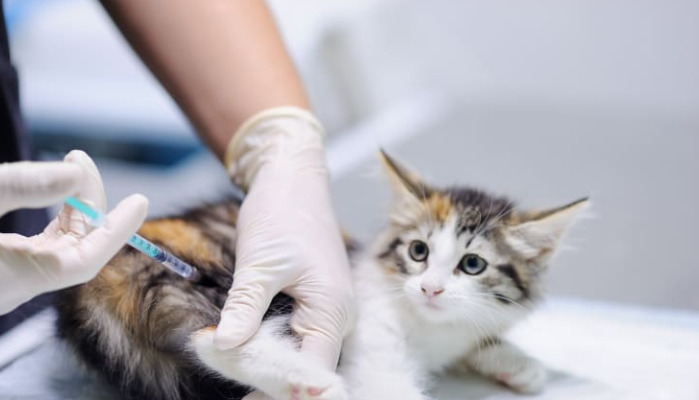
Drug access, importation laws, and quality control further complicate therapy. Veterinary involvement is crucial to ensure that legitimate, safe products are used. Furthermore, veterinarians must monitor for drug toxicity, adjust protocols if adverse effects arise, and advise on supplementary supportive therapy to maximize clinical improvement.
Monitoring Progress and Managing Complications: The Expert Touch
The post-diagnosis phase is no less critical. FIP cats often require meticulous monitoring for therapeutic response, adverse effects, relapse risk, and emerging complications. Tracking parameters such as body weight, fever, activity levels, blood biochemistry, and imaging is standard. However, evaluating these data contextually—to know when improvement is insufficient, side effects become dangerous, or co-morbidities arise—demands clinical experience.
Experienced veterinarians can interpret subtleties in bloodwork, such as trends rather than isolated values, and relate them to disease trajectory. This may signal a need for additional diagnostics, therapeutic changes, or referral to a specialist. Furthermore, experienced practitioners are adept at communicating with owners, preparing them for the variability and unpredictability of FIP treatment, and guiding them in home monitoring and care.
Client Education and Support: Beyond Medical Knowledge
Owner involvement in FIP treatment is indispensable; much of the day-to-day care occurs at home. Veterinarians with experience not only impart clinical knowledge but also teach owners how to administer medications, recognize concerning signs, and navigate the emotional toll of feline illness. This educational component is vital for ongoing success—studies show that outcomes are improved when owners are well-informed and actively engaged.
Moreover, veterinary experience enhances the vet-client relationship. Trust and communication are built over repeated interactions with families facing FIP. Vets who have managed diverse FIP presentations bring empathy and psychological support, steering clients through uncertainty, decision-making, and even loss.
Multifaceted Management: Integrating Diagnostics, Therapy, and Support
There is no one-size-fits-all approach to FIP. The interplay of different disease manifestations, overlapping syndromes (like concurrent anemia or hepatic involvement), and the potential need for individualized care plans demand adaptability. Experienced veterinarians pull from a rich repertoire of case studies, published literature, and professional networks to tailor care—sometimes integrating novel diagnostics or adapting international protocols.
For example, some FIP cases may respond better to combined therapies, while others warrant longer or higher-dose regimens. Less-experienced practitioners may lack the exposure to recognize which modifications are appropriate, risking undertreatment or harming with excess intervention.
The Role of Continuing Education and Collaboration
Veterinary medicine is ever-evolving, especially in a field as dynamic as FIP treatment. Experienced veterinarians distinguish themselves through lifelong learning: attending conferences, engaging in professional forums, and maintaining access to cutting-edge information. As antiviral research advances, those invested in ongoing education update protocols and disseminate new knowledge—benefiting not only their patients but also less-experienced colleagues and the profession as a whole.
Collaboration also plays a key role. Many FIP cases demand multidisciplinary input—consultations from internists, clinical pathologists, or even virologists. Experienced practitioners know when and how to utilize these resources, maximizing treatment precision and outcomes. Practice experience therefore amplifies not just individual expertise, but the capacity to leverage collective wisdom.
Case Outcomes and Survival Statistics: Impact of Experience
A growing body of literature documents improved FIP survival rates when cats are managed by veterinarians familiar with new treatment paradigms. For instance, studies published in North America and Europe report success rates as high as 80% with proper management, compared to historical figures near 0% before antivirals. These outcomes are linked not only to the drugs themselves but the skill with which they are deployed—correct dosing, response monitoring, and complication management are fundamental.
In forums, anecdotal reports, and scientific studies alike, the consensus remains clear: Experienced veterinarians facilitate better diagnostic accuracy, more nuanced treatment, and improved support for both cats and owners. Poorer outcomes, conversely, are common when therapy is fragmented, handled without veterinary input, or based on incomplete understanding of FIP's complexities.
Navigating Challenges in Access and Regulation
One unique consideration in the U.S. is the legal status of FIP antiviral drugs. While GS-441524 is not yet FDA-approved, its use continues off-label under compassionate protocols. Veterinarians familiar with regulatory frameworks help owners navigate the ethical and practical aspects of therapy, ensuring that treatments comply with local laws and are dispensed safely.
Furthermore, experienced veterinary professionals monitor for black-market products, which may be contaminated or ineffective. Their involvement protects both animal welfare and legal interests of owners.
FIP in Shelters and Multi-Cat Homes: Expertise in Outbreak Management
Veterinary experience takes on amplified importance in environments where FIP risk is elevated, such as shelters and catteries. Seasoned practitioners guide policies to limit coronavirus transmission, educate staff in early detection, and design outbreak responses. The lessons learned from treating hundreds of cases, integrating public health measures, and working alongside other shelter professionals all contribute to minimizing FIP's impact on vulnerable populations.
Holistic Care: Integrating Nutrition, Pain Management, and Quality of Life
Beyond antiviral protocols, experienced veterinarians oversee the holistic needs of FIP-affected cats. Nutritional advice, hydration management, pain control, and palliative strategies are woven throughout the treatment journey. Truly comprehensive care extends lifespan and preserves comfort, even in cases where remission is not possible.
The synergy of technical skill, clinical knowledge, and compassionate support is especially prominent among experienced practitioners. Their ability to pivot among therapy, palliation, and client counseling makes the difference between merely treating disease and providing meaningful, life-improving care.
Owner-Led Treatment Challenges: Risks of Limited Experience
In recent years, online resources and informal support groups have led some owners to attempt FIP therapy without veterinary supervision. While well-intentioned, this carries substantial dangers—misdiagnosis is common, medication quality varies, and adverse events may go unrecognized. Lack of veterinary experience often means missed opportunities for improved outcomes, delays in intervention, and unnecessary suffering.
The role of veterinary experience is clear: it provides the foundation of safety, efficacy, and adaptability that home-based or unsupervised treatment cannot. The most successful cases always involve an experienced veterinary partner every step of the way.
Implications for the Future: Training and Public Education
As the FIP landscape continues to change, the critical need for experienced veterinarians grows. Veterinary schools must ensure that infectious disease and antiviral therapy remain central to curricula, and practitioners must seek opportunities for infectious disease training.
Public education campaigns should highlight the value of veterinary expertise—not just for FIP, but for all complex feline diseases. Informed owners recognize the signs of FIP earlier and seek out knowledgeable practitioners, setting the stage for more lives saved.
References
1. Pedersen NC. "An update on feline infectious peritonitis: diagnostics and therapeutics." Vet J. 2014;201(2):133-141.
2. De Clercq E. "GS-441524 as the parent nucleoside of remdesivir." Ann Transl Med. 2021;9(5):446.
3. Krentz D, Zacher LA, Scott M. "GS-441524 treatment of feline infectious peritonitis: A review and case series." J Feline Med Surg. 2022;24(3):162-173.
4. Addie DD, et al. "Feline coronavirus: Insights into feline infectious peritonitis." Vet Clin North Am Small Anim Pract. 2020;50(6):1207-1228.
5. Dickinson PJ, Bannasch MJ. "Effectiveness of oral and injectable antiviral treatment protocols in cats with FIP." Vet Rec. 2023;192(5):194-201.
6. Negrin A, et al. "Recognizing and diagnosing FIP: The role of the laboratory and imaging." Vet Pathol. 2019;56(3):488-500.
7. Norris JM, et al. "Feline infectious peritonitis: Critical issues in diagnosis and management." Compend Contin Educ Vet. 2022;44(7):e14-e22.
8. Pearson M, Torres ML. "Veterinary-client communication and outcomes in feline infectious disease." J Vet Behav. 2023;15(1):1-9.
9. Murphy BG, et al. "Treatment trends for FIP and implications for veterinary education." J Vet Med Educ. 2021;48(2):456-462.