Is FIP Hard to Diagnose Based on Symptoms Alone
Feline Infectious Peritonitis (FIP) is a distressingly complex disease affecting cats. While veterinarians and cat owners alike hope for a clear diagnostic path, FIP’s clinical presentation often complicates initial detection. The question arises—can FIP truly be diagnosed based on symptoms alone, or does its elusive nature demand more rigorous approaches? Here is a comprehensive exploration of the diagnostic dilemma of FIP, drawing from clinical realities, recent studies, and veterinary consensus.
Understanding FIP: Etiology and Pathogenesis
FIP results from infection with the feline coronavirus (FCoV), which is widespread among domestic cats. Most cats carrying FCoV never develop FIP; the disease manifests when the virus mutates inside the host, turning into a virulent form that targets white blood cells and evades the immune system. This mutation leads to widespread inflammation, often in the abdomen, chest, or organs.
However, because the benign and virulent forms of FCoV are nearly indistinguishable at the outset, distinguishing FIP from other feline illnesses strictly through symptom evaluation is inherently problematic.
Common Clinical Signs of FIP
Cats with FIP may present a wide range of signs. The most frequently observed symptoms include:
Persistent fever, unresponsive to antibiotics
Lethargy or poor appetite
Weight loss
Jaundice (yellowing of the gums or skin)
Swollen abdomen (due to fluid accumulation)
Breathing difficulties (if fluid is present in the chest)
Veterinarians often divide FIP into two forms: the "wet" (effusive) and "dry" (non-effusive). The wet form is marked by fluid buildup in body cavities, causing obvious changes like abdominal distension or labored breathing. The dry form manifests primarily with granulomatous lesions in organs, the eyes, or the brain, leading to neurological or ocular symptoms.
These clinical signs, however, are not unique to FIP. Fluid accumulation in the abdomen or chest, for example, may also result from heart failure, cancer, or other infectious diseases. Neurological signs could occur due to toxoplasmosis, lymphoma, or trauma.
Challenges in Symptom-Based Diagnosis
The core challenge in FIP diagnosis stems from symptom overlap with other diseases. Fever, weight loss, and lethargy are highly non-specific signs; numerous conditions ranging from bacterial infections to metabolic disorders can cause similar presentations. Even the presence of abdominal fluid, while striking, is not exclusive to FIP.
In multi-cat environments, where FCoV is endemic, distinguishing cats that have mutated FCoV from those harboring the benign form is nearly impossible without advanced diagnostics. Some cats may display subtle, chronic symptoms. Others may deteriorate rapidly, with only vague, easily misattributed signs.
Diagnostic Tools Beyond Symptoms
Laboratory testing is indispensable in narrowing down FIP as the underlying cause. Commonly used diagnostic tools include:
Bloodwork: Profiling can reveal elevated globulins, decreased albumin, and anemia. However, none are definitive for FIP.
Rivalta test: A bedside test using abdominal fluid. A positive result supports FIP but is not conclusive.
Imaging: Ultrasound or X-ray may help identify fluid accumulation or granulomas but will not pinpoint FIP as the cause.
Coronavirus antibody titers: High titers suggest exposure but don’t differentiate between exposure and active FIP.
PCR techniques: Advanced tests can detect viral RNA, but interpretation is complicated by widespread coronavirus presence.
Histopathology and Immunohistochemistry: Examination of affected tissues for viral antigens is still the gold standard for confirmation, but often requires invasive procedures.
None of these tests alone, nor in combination with symptoms, can always guarantee absolute certainty. In fact, a diagnosis of FIP is frequently made by exclusion—ruling out other causes with similar manifestations and interpreting available laboratory findings.
Case Studies Illustrating Diagnostic Complexity
Consider a young cat presenting with fever, weight loss, and abdominal swelling. These symptoms could arise from FIP, hepatic lipidosis, neoplasia, or sepsis. If bloodwork shows increased globulins and a low albumin/globulin ratio, suspicion for FIP increases, but confirmation remains elusive.
Alternatively, a middle-aged cat with neurological symptoms may lead veterinarians to suspect FIP if other causes do not fit, yet only tissue biopsies can cement the diagnosis. In some instances, cats with peritonitis due to bacterial infection may respond to treatment, while those with FIP steadily worsen despite supportive care.
Recent Advances and the Hope for Clarity
Research into molecular diagnostics has provided new tools such as real-time PCR and sequencing to detect the mutated FCoV in tissue samples. Despite their promise, no test offers perfect sensitivity or specificity, especially in live cats. The true breakthrough remains the development of non-invasive, highly accurate tests—a frontier still in progress.
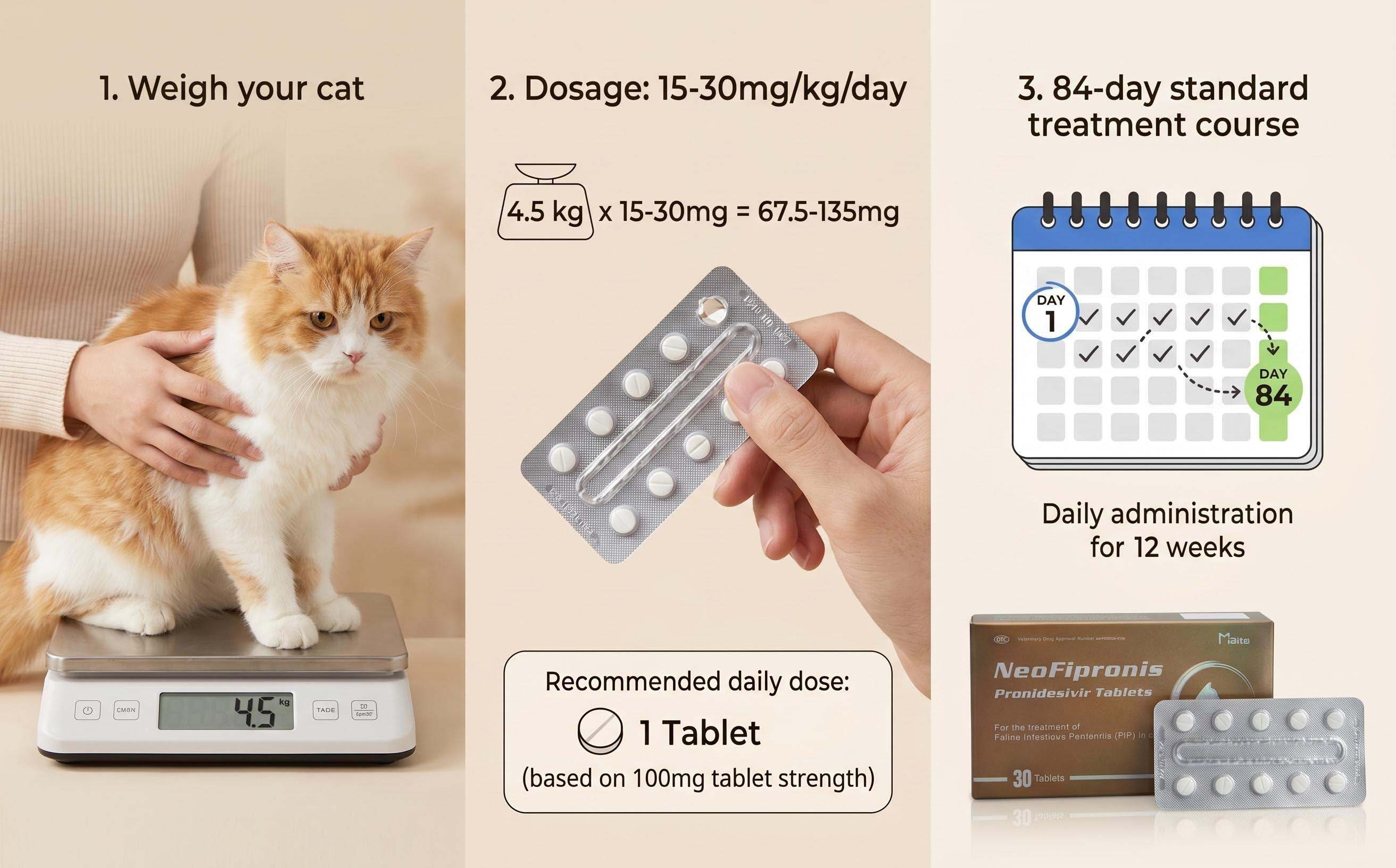
Recent therapeutics such as antiviral medications (GS-441524 and related compounds) have demonstrated efficacy in some FIP cases, making accurate diagnosis even more critical, as treatment options expand.
The Role of the Veterinarian
Veterinarians rely on a methodical approach, integrating history, presentation, laboratory results, and when possible, tissue pathology. Suspicion may be raised by a constellation of findings, but rarely is a symptom-based diagnosis definitive. This reality means veterinarians must manage owner expectations delicately, explaining the diagnostic uncertainties and outlining why further testing or monitoring is necessary.
When encountering ambiguous symptoms, veterinarians also consider factors such as age (young cats more commonly affected), breed (certain breeds predisposed), and environment (multi-cat households increase risk). Even then, misdiagnosis is a risk, with detrimental consequences for both patient and owner.
Implications for Cat Owners
The uncertainty and anxiety of awaiting an FIP diagnosis are significant for pet owners. It may be tempting to leap to conclusions based on visible distress or fluid accumulation. However, the assessment of symptoms must be tempered by clinical prudence and data. Owners benefit most from a diagnostic process rooted in evidence, not assumptions.
Advocacy for responsible testing, as well as open communication with veterinarians, contributes to better outcomes and informed decisions regarding care or treatment. Understanding that FIP diagnosis rarely rests on symptoms alone encourages patience and collaboration with veterinary professionals.
Current Consensus and Ongoing Research
Professional organizations including the American Association of Feline Practitioners (AAFP) and the European Advisory Board on Cat Diseases (ABCD) emphasize that while characteristic symptoms may suggest FIP, definitive diagnosis almost always requires supporting laboratory data and, in cases of doubt, histopathological confirmation.
Studies continue to refine the algorithms used in FIP diagnosis, incorporating elements such as artificial intelligence in image analysis and proteomic profiling of inflammatory mediators. As veterinary science stands, reliance purely on symptoms risks both under- and over-diagnosis—potentially leading to unnecessary euthanasia or ineffective treatments for cats afflicted by other yet treatable conditions.
References
1. Pedersen NC. (2014). Update on feline infectious peritonitis: prevention and treatment. Vet Clin North Am Small Anim Pract, 44(1): 47-67.
2. Kipar A, Meli ML. (2014). Feline infectious peritonitis: Still an enigma? Vet Pathol, 51(2): 505-526.
3. Addie DD, et al. (2024). Feline infectious peritonitis: Clinical update and novel diagnostic approaches. J Feline Med Surg, 26(7): 1032-1047.
4. Hartmann K. (2005). Feline infectious peritonitis. Vet Clin North Am Small Anim Pract, 35(1): 39–79.
5. American Association of Feline Practitioners (2022). Feline Infectious Peritonitis Guidelines. Retrieved from https://catvets.com/guidelines/fip
6. European Advisory Board on Cat Diseases (2023). Feline Infectious Peritonitis Update. Retrieved from https://www.abcdcats.org/disease-information/fip
7. Takano T, et al. (2022). Advances in diagnostics and treatment for feline infectious peritonitis. Viruses, 14(6): 1137.