Why Is FIP so Difficult to Understand
Introduction: The Enigmatic Threat to Feline Health
Feline Infectious Peritonitis, commonly known as FIP, stands as one of the most perplexing and devastating diseases affecting domestic cats. While veterinary science has made significant strides in conquering many feline illnesses, FIP continues to vex veterinarians, researchers, and cat owners with its unpredictable nature and poor prognosis. Unlike more straightforward diseases, FIP eludes easy classification and diagnosis. At the heart of its complexity lies the peculiar behavior of its causative agent, its variable symptoms, and its ability to defy even the most advanced treatments. Understanding why FIP is so difficult to grasp requires delving into its molecular origins, unpredictable course, clinical presentation, and the complicated hurdles to cure.
The Elusive Origin: From Common Virus to Deadly Disease
FIP arises from a mutation of the feline coronavirus (FCoV), a ubiquitous virus among cats, especially in multi-cat environments like shelters or catteries. Most cats exposed to FCoV show only mild gastrointestinal symptoms or none at all. The virus typically resides in the intestinal tract and is shed in feces, spreading easily among cats. However, in rare cases—estimated at about 5-10%—the harmless version of FCoV mutates inside the individual cat, changing dramatically into the form that causes FIP.
What makes FIP so challenging is that the original coronavirus is generally benign, and transmission routes are well-documented. But the deadly switch to FIP depends on random mutations within each affected cat. This means FIP is not directly contagious in its deadly form, yet outbreaks still occur in certain populations. This unpredictable mutation mechanism complicates epidemiological tracing and renders prevention efforts difficult.
Types of FIP: Wet, Dry, and All That Lies Between
FIP is generally classified into two major forms—effusive (wet) and non-effusive (dry). Wet FIP is characterized by the accumulation of fluid in body cavities such as the abdomen or chest. Dry FIP, by contrast, presents as granulomatous (solid) lesions in organs including the liver, kidneys, and brain. The distinction between wet and dry forms is not always clear-cut. Some cats exhibit mixed characteristics; others transition from dry to wet or vice versa.
This variability in presentation confounds clinicians. Wet FIP often presents with dramatic symptoms—abdominal distention, breathing difficulties—yet many conditions can mimic these signs. Dry FIP, with its vague signs such as lethargy, jaundice, neurological symptoms, or organ failure, is even harder to recognize. No single symptom or test can definitively diagnose FIP, forcing veterinarians to rely on a combination of clinical suspicion, laboratory results, and exclusion of other diseases. This diagnostic ambiguity leads to disastrous delays and uncertainty.
Why Diagnosis Is a Challenge
Diagnostic complexity is at the heart of why FIP remains misunderstood. There is no test that conclusively identifies the mutated FIP-causing virus. Most current tests detect feline coronavirus only, which is present in the majority of healthy cats, meaning a positive result proves little. The most accurate diagnosis often involves tissue biopsy or analysis of fluid taken directly from affected organs. However, invasive procedures are not always possible, and false negatives or positives further muddy the waters.
Compounding the challenge, routine bloodwork or imaging cannot single-handedly distinguish FIP from diseases such as lymphoma, toxoplasmosis, or bacterial infections. Advanced tests, like immunohistochemistry or PCR assays, sometimes help if done on affected tissues. Yet the lack of a universally accessible or affordable “gold standard” causes distress for owners and veterinarians alike. Many cats are diagnosed late, often during advanced disease stages.
The Immune Paradox: When Defense Becomes the Enemy
FIP presents a cruel twist: the cat’s own immune system leads to its undoing. The mutated coronavirus evades the first line of immune defense, infecting macrophages—major immune cells meant to engulf invaders. Instead, macrophages become vehicles for virus spread. The immune system responds by launching a massive inflammatory attack, which results in fluid accumulation, tissue damage, and fatal organ dysfunction.
This immune-driven damage explains why attempts to treat FIP with immune boosters or anti-inflammatory drugs often fail. Efforts to suppress the immune system can sometimes slow progression, but this leaves cats vulnerable to other infections. The paradox of immune response—necessary for survival but lethal in excess—complicates not only treatment but also our understanding of what triggers the switch from harmless FCoV infection to deadly FIP.
Genetics, Environment, and Vulnerability Factors
Not every cat exposed to feline coronavirus develops FIP. Age plays a significant role: kittens and younger cats are most susceptible, possibly due to immature immune systems. Genetic background also contributes, with certain pedigreed breeds showing higher risk. Crowded environments, stress, and concurrent infections increase vulnerability, but none of these factors alone fully explain why or when a coronavirus-positive cat will develop FIP.
The interplay between genetics, viral mutation, and environmental stressors has led to persistent frustration. Breeders, shelter managers, and veterinarians struggle to predict which animals are at risk. Attempts at selective breeding, improved hygiene, or changes in social dynamics have yielded incomplete results. The erratic nature of FIP emergence undermines confidence in prevention and fuels anxiety among cat caretakers.
Treatment Hurdles: The Search for a Cure
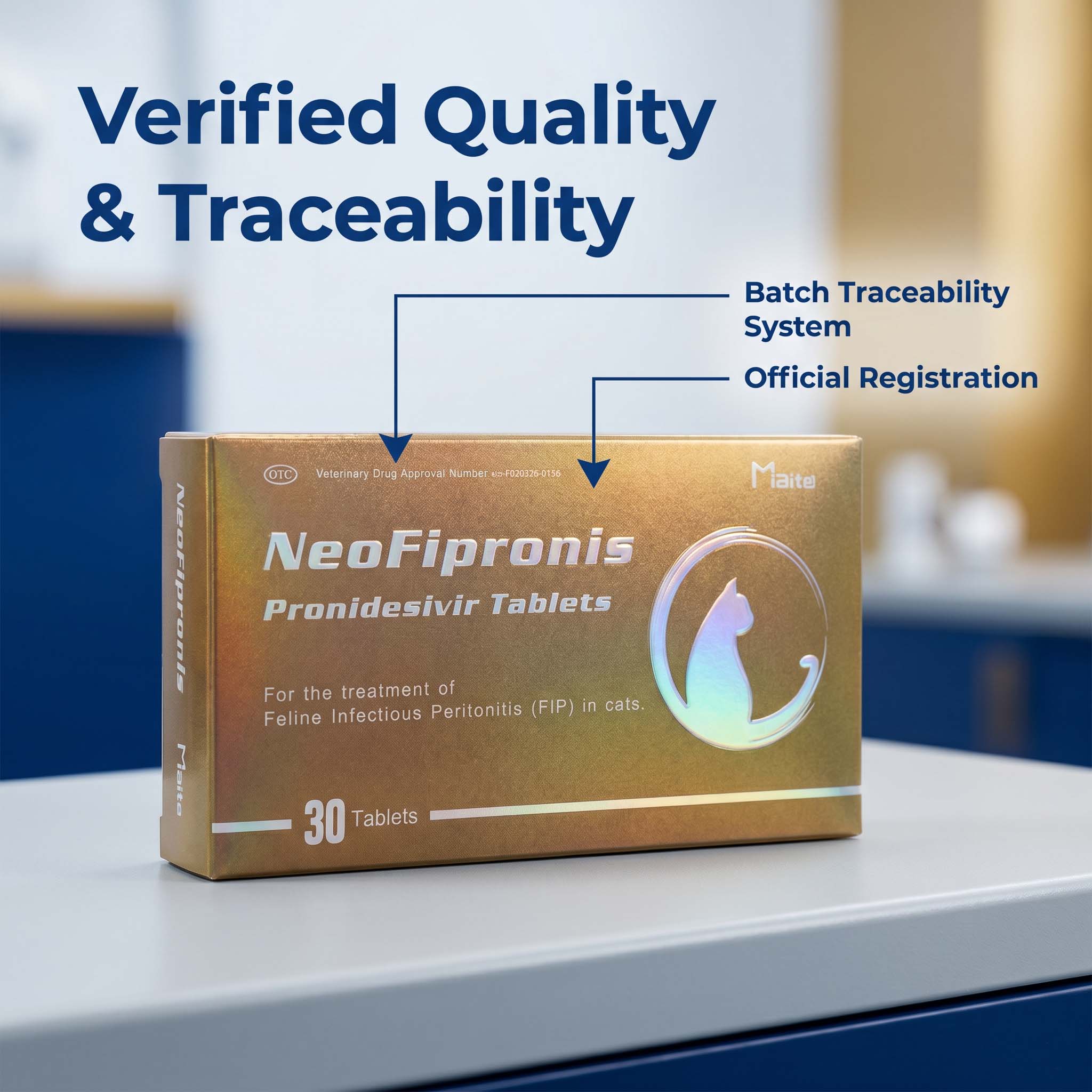
For decades, FIP was considered an invariably fatal disease. Traditional therapies focused on supportive care—fluid management, pain control, and nutrition—but rarely altered outcomes. Recent advances have introduced antivirals such as GS-441524 and remdesivir, which show promise in clinical trials and case studies. Still, these drugs are not universally available, and legal restrictions mean that many owners seek treatments from sources outside formal veterinary channels.
Antiviral therapy for FIP is complex, expensive, and often limited by drug access, regulatory issues, and variable response. Relapses can occur, and not all cats tolerate the medication. Moreover, the existence of different FIP forms and the possibility of residual neurological disease mean that “cure” is not assured. For many, the quest for effective, accessible treatment remains out of reach.
The Emotional Toll: Cat Owners and Veterinarians
FIP carries a devastating emotional impact, especially because it often strikes young, beloved cats. The diagnostic uncertainty, coupled with frantic searches for cures, leads to heartbreak and helplessness. Many owners grapple with guilt, misunderstanding, and misinformation. Veterinarians face the challenge of explaining a disease that science does not yet fully understand, while also guiding grieving families through difficult decisions.
Misinformation on social media, alternative treatments, and anecdotal reports compound this distress. Owners desperate for answers may turn to unproven therapies, risking both money and pet welfare. Striking a balance between hope and realism is an ongoing struggle.
Global and Veterinary Efforts
Global veterinary organizations invest major resources into FIP research, seeking improved understanding, diagnostics, prevention, and treatment. The complexity of FIP has galvanized collaboration across universities, labs, and industry. Breakthroughs are emerging, yet the rapidly changing landscape of FIP science means that what is true today might change tomorrow.
Educating veterinarians and cat owners about the limits of existing knowledge, the promise of new therapies, and realistic expectations is key. Sharing lessons across borders, applying new molecular insights, and fostering hope remain central goals as the fight against FIP persists.
The Road Ahead in FIP Understanding
Decades of frustration have not yet fully unlocked the enigma of FIP. Its origins in a common virus, unpredictability, and destructive immune response continue to challenge even the best minds in feline medicine. Ongoing scientific inquiry, greater awareness of genetic and environmental factors, and the promising horizon for antiviral research, however, suggest that answers will come.
For now, FIP remains a potent reminder of the complexity inherent in disease. By recognizing its unpredictable nature, fostering open dialogue between researchers, veterinarians, and cat owners, and supporting responsible research, communities can advance toward greater understanding and, eventually, control of this feared feline affliction.
References
Pedersen NC. "Review of feline infectious peritonitis virus infection: 1963-2008." Journal of Feline Medicine and Surgery.
Addie DD, et al. "Feline coronavirus infection." ABCD guidelines on feline infectious peritonitis.
Tasker S, et al. "Diagnosis and management of feline infectious peritonitis." The Veterinary Record.
Hartmann K. "Feline infectious peritonitis." Veterinary Clinics of North America: Small Animal Practice.
Stoddard RA, et al. "FIP epidemiology and risk factors." Veterinary Microbiology.
Cunningham M, et al. "Advances in antiviral therapy for FIP." Journal of Veterinary Internal Medicine.
Barker EN, et al. "Current concepts in FIP diagnosis." Companion Animal.
Hosie MJ, et al. "Immune responses in feline infectious peritonitis." Pathogens and Disease.
Drechsler Y, et al. "Molecular pathogenesis of FIP." Viruses.
Rottier PJM, et al. "Genetic susceptibility in cats and FIP." Veterinary Immunology and Immunopathology.