FIP Treatment for Cats
Feline infectious peritonitis (FIP) is one of the most serious diseases affecting cats. It develops after infection with feline coronavirus, a virus that is common in multi-cat environments but usually causes only mild digestive signs or no symptoms at all. In a small number of cats, however, the virus mutates inside the body and triggers an abnormal immune response that leads to FIP. Because the disease can affect multiple organs, early recognition and timely treatment are critical for improving outcomes.
FIP is not a simple stomach illness. It is a systemic inflammatory disease that can progress rapidly and, without treatment, may become fatal. The condition has two major clinical forms: effusive FIP, also called wet FIP, and non-effusive FIP, also called dry FIP. Wet FIP often causes fluid buildup in the abdomen or chest, while dry FIP tends to produce inflammatory lesions in organs such as the eyes, kidneys, liver, brain, and lymph nodes. Both forms require veterinary attention as soon as warning signs appear.
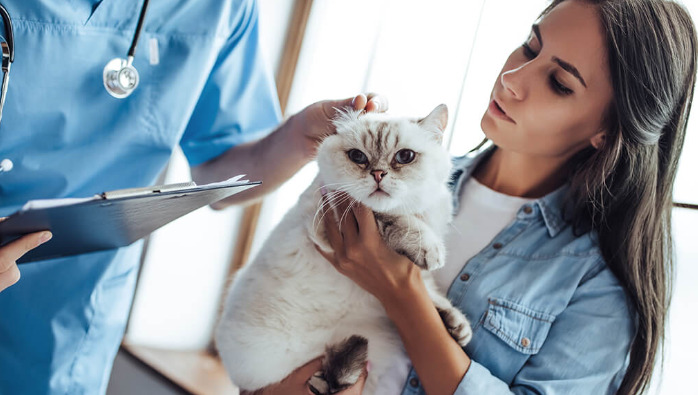
Common symptoms of FIP in cats can include persistent fever, reduced appetite, weight loss, lethargy, and poor coat condition. Cats with wet FIP may develop a swollen belly, trouble breathing, or obvious chest fluid. Cats with dry FIP may show more subtle signs, such as eye inflammation, neurologic abnormalities, or chronic weakness. Because these signs overlap with many other diseases, FIP is often difficult to diagnose on symptoms alone. A veterinarian usually combines physical examination, bloodwork, imaging, fluid analysis, and sometimes advanced laboratory tests to build the most accurate diagnosis possible.
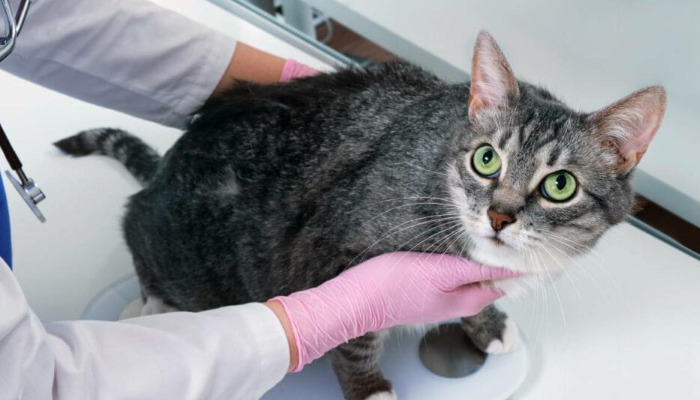
Diagnosis is especially important because treatment decisions depend on the type and stage of disease. Blood tests may show high globulin levels, low albumin-to-globulin ratio, anemia, and inflammation markers. Ultrasound or X-rays may reveal fluid or enlarged organs. In some cases, sampling abdominal or pleural fluid can help confirm the wet form. For dry FIP, veterinarians may rely on a combination of clinical signs, lab results, and response to antiviral treatment. Because FIP can mimic cancer, bacterial infection, immune-mediated illness, and liver disease, professional evaluation is essential.
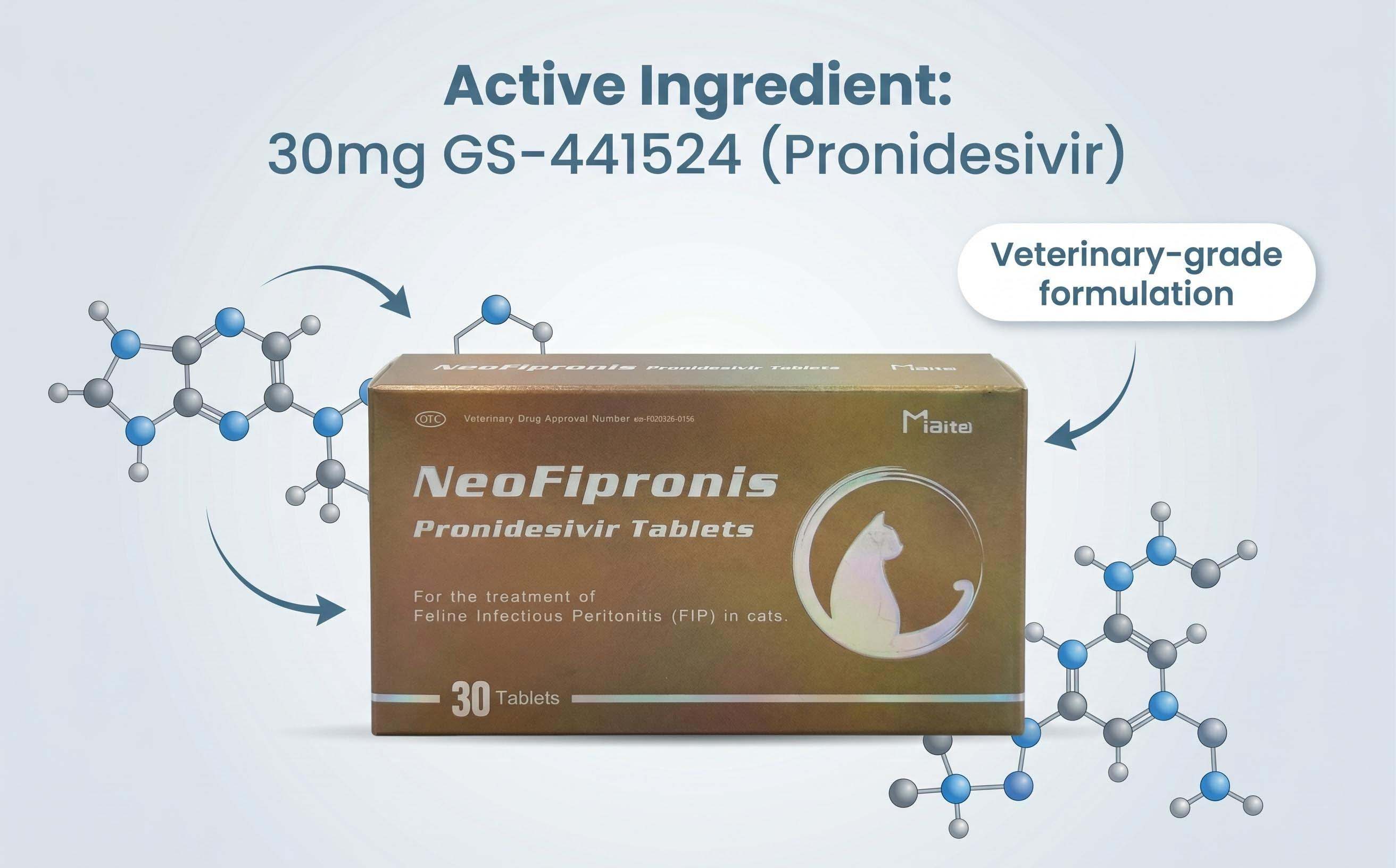
The most important development in modern FIP treatment has been the use of antiviral therapy targeting the feline coronavirus replication process. The antiviral nucleoside analog GS-441524 has gained wide attention because it can reduce viral replication and allow the cat’s immune system to recover. Many veterinarians and cat caregivers now consider antiviral treatment the foundation of FIP care, often combined with supportive therapy such as appetite stimulants, fluid management, nutritional support, anti-nausea medication, and treatment for secondary complications. The exact protocol may vary depending on whether the cat has wet FIP, dry FIP, neurologic FIP, or ocular FIP.
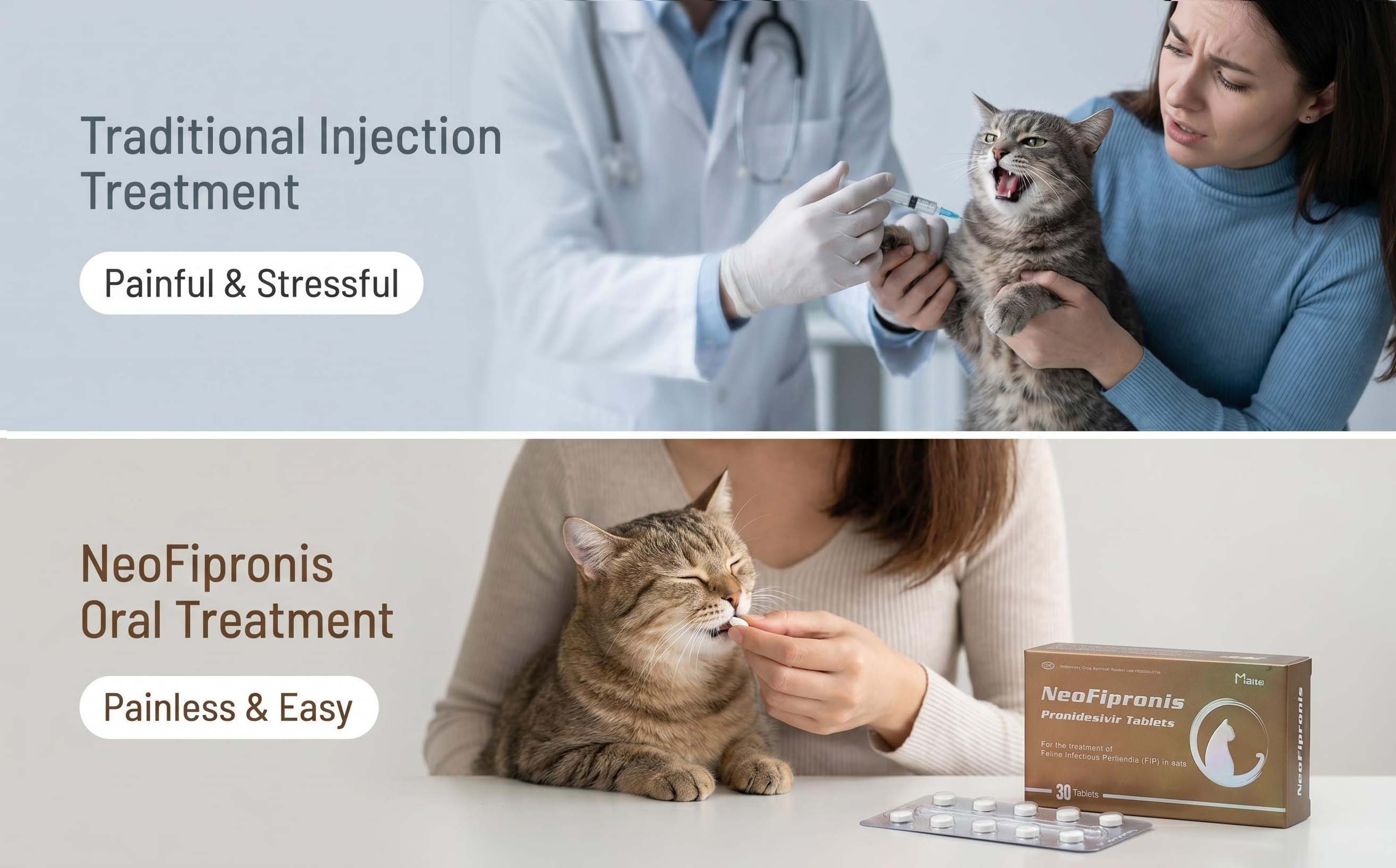
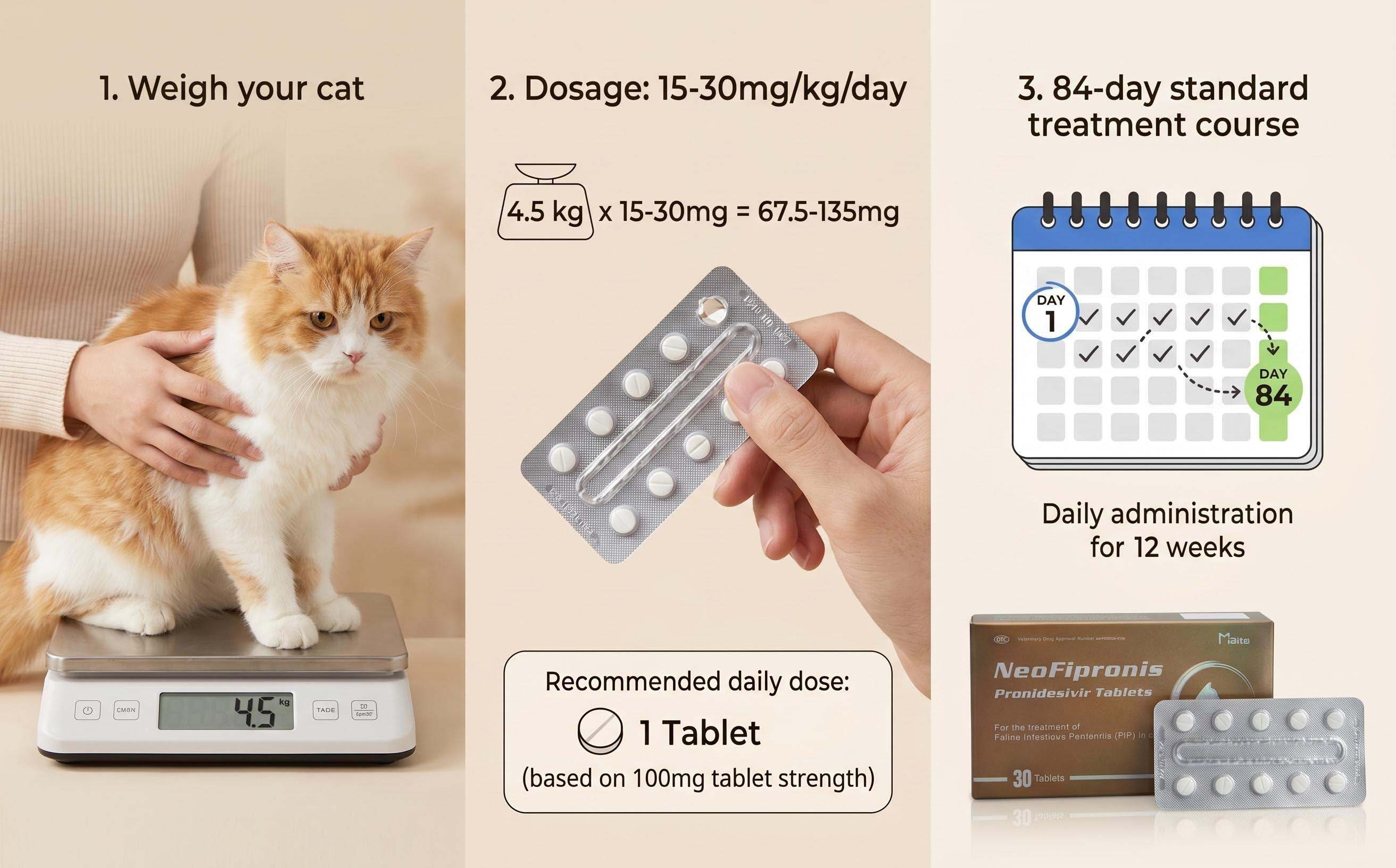
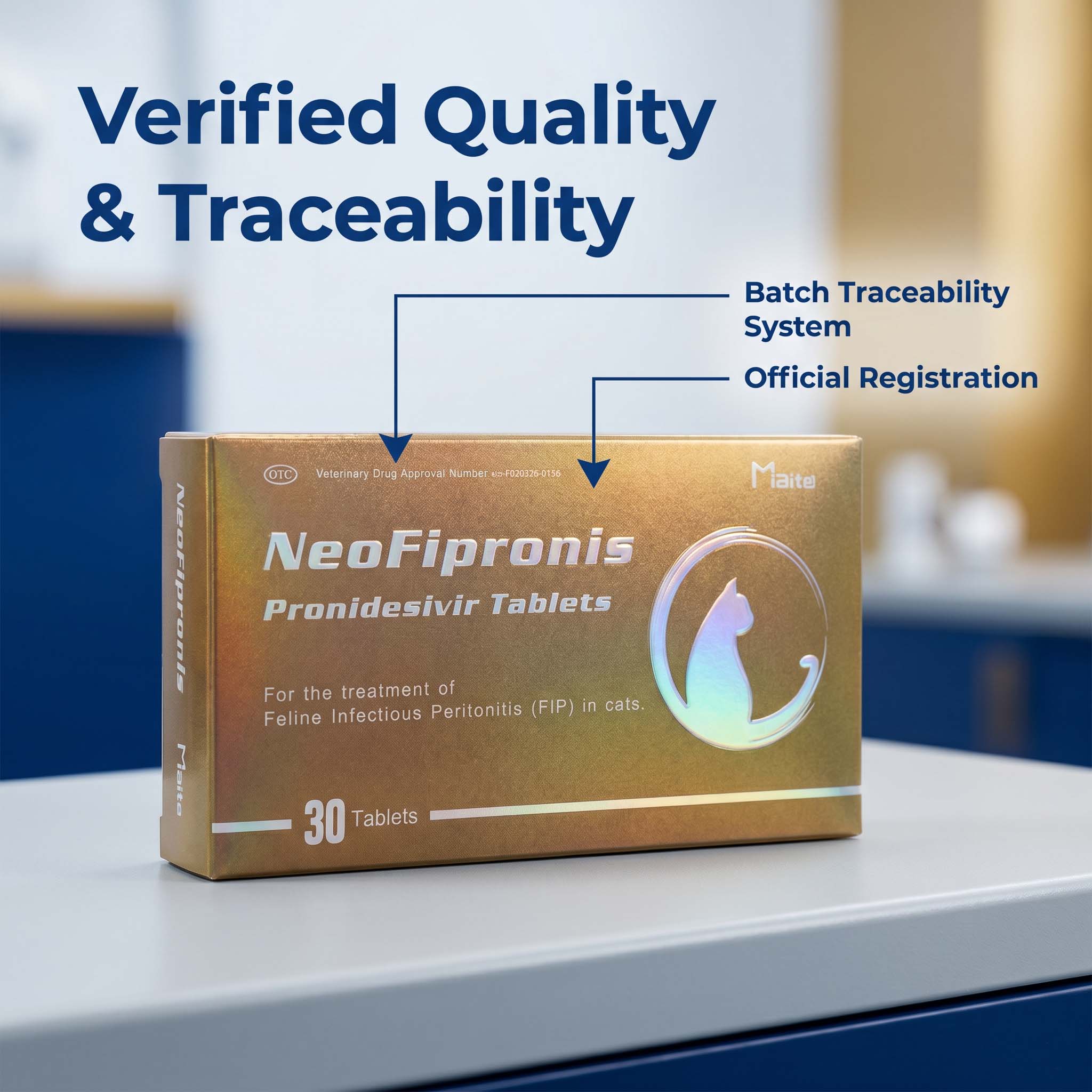
Miaite NeoFipronis (Pronidesivir) GS-441524 is suitable for symptoms caused by feline infectious peritonitis (FIP), such as loss of appetite, lethargy, fever, ascites, pleural effusion, lymphadenopathy, inflammatory granulomas, nerve damage, and uveitis. It has excellent therapeutic effects on FIP. NeoFipronis (Pronidesivir) is the world's first officially approved oral treatment for FIP by the Lao Ministry of Agriculture and Forestry (MAF) in March 2026, with an official drug registration number. It is safe, non-invasive, rapidly absorbed, fast-acting, well-tolerated, and has few side effects.
Supportive care remains an essential part of FIP treatment for cats. Many affected cats are dehydrated, underweight, or too weak to eat normally, so nutrition must be closely managed. Soft, palatable food, assisted feeding, and careful monitoring of hydration can make a major difference in daily comfort. If fluid buildup is severe, a veterinarian may need to remove excess fluid to improve breathing or reduce abdominal pressure. Cats with eye or neurologic involvement may need more intensive monitoring because these forms can be harder to treat and may require longer recovery periods.
The length of treatment usually depends on the cat’s condition and clinical response. In many cases, antiviral therapy is continued for a full course to reduce the risk of relapse. During treatment, veterinarians often monitor body weight, temperature, appetite, energy level, blood values, and organ function. Improvement may be seen within days or weeks, but treatment should not be stopped early just because a cat appears better. FIP is a disease where consistent follow-up matters as much as the first treatment choice.
After treatment, ongoing monitoring is important because relapse can occur. Cats that have recovered should still be watched for return of fever, loss of appetite, abdominal swelling, breathing difficulty, eye changes, or neurologic signs. Regular veterinary checkups help catch problems early. Owners should also reduce stress, maintain a stable home environment, and keep litter boxes, food bowls, and resting areas clean. In multi-cat households, good hygiene and stress reduction may help lower the chance of coronavirus spread and overall infectious pressure.
Prevention of FIP is more complicated than prevention of many other cat diseases. There is no universal guarantee that feline coronavirus exposure will lead to FIP, and many infected cats never develop the disease. Still, steps that reduce viral load and stress are valuable. Clean litter boxes frequently, avoid overcrowding, minimize abrupt environmental changes, and provide balanced nutrition. Kittens, shelter cats, and cats from multi-cat environments deserve especially careful observation because they may face higher exposure risk.
FIP treatment for cats has changed dramatically in recent years. What was once considered a nearly hopeless diagnosis now has real treatment possibilities, especially when antivirals are started early and monitoring is consistent. The best results usually come from prompt veterinary evaluation, accurate diagnosis, appropriate antiviral therapy, and strong supportive care. Cat owners who notice unexplained fever, fluid accumulation, eye problems, neurological changes, or prolonged lethargy should seek veterinary help quickly. Fast action can make a meaningful difference in the outcome of feline infectious peritonitis.
References
Feline Infectious Peritonitis: Diagnosis, Treatment, and Prognosis
Current Understanding of Feline Coronavirus and Feline Infectious Peritonitis
GS-441524 for the Treatment of Feline Infectious Peritonitis
Feline Infectious Peritonitis in Cats: Clinical Features and Management
Update on Antiviral Therapy for Feline Infectious Peritonitis
Pathogenesis and Immunology of Feline Infectious Peritonitis
Ocular and Neurologic Forms of Feline Infectious Peritonitis
Supportive Care in Cats with Severe Infectious Disease