How to Reduce the Risk of FIP in Indoor Cats
Introduction to FIP in Indoor Cats
Feline Infectious Peritonitis (FIP) stands as one of the most complex and devastating diseases to affect domestic cats, baffling veterinarians and owners alike for decades. Caused by a mutated form of feline coronavirus (FCoV), FIP primarily endangers younger cats and those living in multi-cat environments. Although indoor lifestyles generally shield cats from numerous infectious agents, the transmission of FCoV—and its rare yet deadly twist into FIP—can still occur indoors. This comprehensive guide explores the crucial steps cat owners can take to reduce the risk of FIP among their cherished indoor companions.
Understanding Feline Coronavirus and Its Connection to FIP
FIP is not transmitted directly, but instead evolves from common feline coronavirus (FCoV) strains, which are widespread in feline populations. Most cats with FCoV experience no apparent illness or only minor digestive problems; however, in a small number, the virus mutates within their bodies, leading to the onset of FIP. Recognizing the difference between FCoV and FIP is paramount: the virus itself is ubiquitous, but FIP is an unfortunate twist of fate affecting only a few.
The transmission of FCoV typically occurs through fecal-oral exposure, as the virus sheds in feline feces and can linger on contaminated surfaces. Close living quarters, shared litter boxes, and stress are major contributors to both exposure and viral mutation. Because indoor cats share confined spaces, proactive prevention is essential.
Minimizing FCoV Exposure in Indoor Environments
1. Limit Household Cat Density: Studies consistently demonstrate that increased cat numbers are associated with higher rates of FCoV exposure. In general, housing fewer than five cats together reduces viral prevalence and transmission opportunities. If fostering or housing multiple cats, establish separate cohorts based on age and health status whenever possible.
2. Strict Litter Box Hygiene: Regular and thorough cleaning practices are essential. Scoop feces from litter boxes at least once to twice daily, as fresh waste contains the highest viral load. Completely change litter and disinfect boxes (using mild bleach solutions) every week. Assign one box per cat, plus an extra, to minimize sharing and surface contamination.
3. Control Spread Through Surfaces: FCoV is resilient and can survive for weeks in organic material. Wash food and water bowls daily with hot, soapy water and avoid sharing between cats. Clean floors, bedding, and toys regularly, and ensure that cats are not allowed into unsanitized areas previously used by other felines. Practice robust hand hygiene after handling one cat, especially before touching another.
Optimal Management of Newly Adopted or Fostered Cats
Acquiring new cats carries the highest risk for introducing FCoV. Always quarantine new arrivals for two to four weeks, monitoring for signs of illness such as diarrhea or respiratory issues. During this quarantine, do not let new cats access shared litter boxes, bedding, or dishes.
In multi-cat households, isolate litters of kittens from adult cats if possible. Gradual and cautious introductions, delayed until after initial quarantine and health checkups, help limit viral transmission during periods of increased susceptibility.
Reducing Stress and Supporting Immune Health
Stress is known to increase susceptibility to FCoV infection and may play a role in the mutation of FCoV into FIP. Creating a calm, stable environment directly supports feline immune function.
Establish Predictable Routines: Feed, play, and interact with cats on a regular schedule to reduce anxiety.
Maximize Environmental Enrichment: Offer vertical spaces, scratching posts, hiding places, and interactive toys to fulfill natural feline behaviors. Content cats are less likely to experience chronic stress.
Monitor Social Dynamics: Watch for signs of bullying or territorial conflict, which can elevate stress hormones. In multi-cat homes, provide multiple resources (food stations, litter boxes, resting spots) distributed throughout the space.
Veterinary Preventive Care
Consistent preventive veterinary care reduces the background risk for a range of infectious diseases and supports resilience if FCoV exposure does occur.
Annual Wellness Exams: Regular checkups allow early identification and management of chronic or underlying health issues, reducing total burden on the immune system.
Targeted Testing: For breeders and catteries, periodic fecal testing for FCoV sheds light on viral presence and guides management practices.
Parasite Prevention: Stool parasites exacerbate FCoV spread. Maintain routine deworming schedules and monitor for gastrointestinal health.
Vaccination and Nutrition: While no effective FIP vaccine is available in the US, keeping up with standard core vaccines and ensuring a balanced diet supports immunity in general.
FIP-Resistant Breeding Practices
In catteries, breeders play a critical role in minimizing FIP through strategic selection and management:
Minimize Kitten Stress and Early Weaning: Separating kittens from queens before the immune system is fully mature heightens stress and vulnerability. Gradual weaning within the home and delayed placement may reduce risks.
Screen for High Shedding Queens: Mothers who consistently shed high levels of FCoV should not be bred repeatedly, as maternal exposure strongly influences early kitten susceptibility.
Genetic Selection: While no absolute markers for FIP resistance exist, some studies suggest heritable aspects of immune response. Maintain breeding logs and consider familial FIP history when selecting breeding pairs.
Sanitation During Outbreaks
If a cat is diagnosed with FIP, immediate control measures are critical to protect other cats:
Isolate the Sick Cat: Remove affected cats from contact with others. Although FIP itself is not considered contagious, high levels of FCoV may be present.
Thorough Disinfection: Clean all surfaces, including floors, walls, and cat furniture with disinfectants known to inactivate coronaviruses.
Wait Time Before Adoptions: If a household loses a cat to FIP, wait at least three months before introducing new kittens or cats, since viral particles can persist in the environment.
Responsible Cat Acquisition
Seek out ethical, health-focused breeders or reputable shelters. Ask questions about FCoV/FIP history and health management. Adopting a single kitten, or adopting siblings together (versus from separate litters), reduces introduction risk.
Current Research and Future Outlook
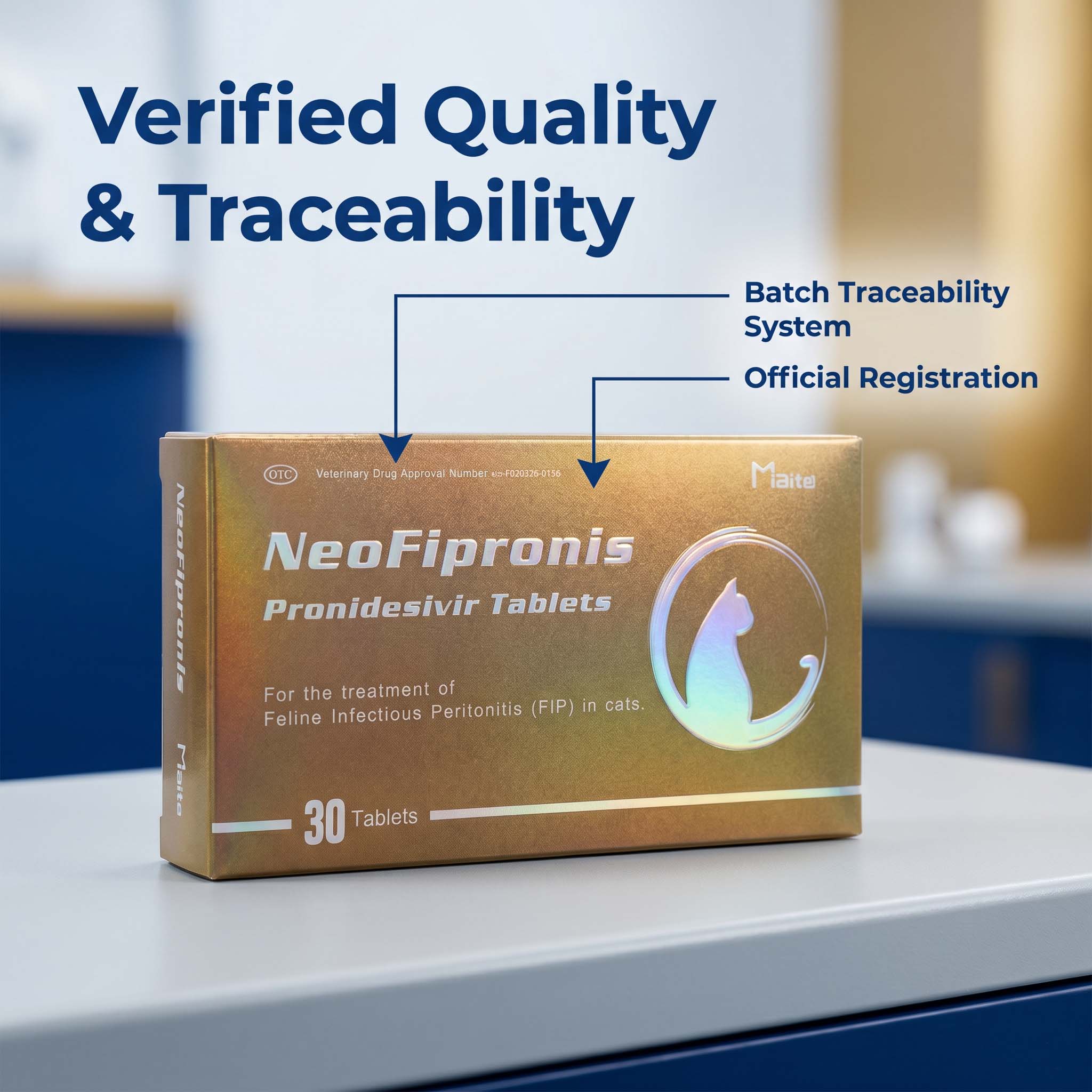
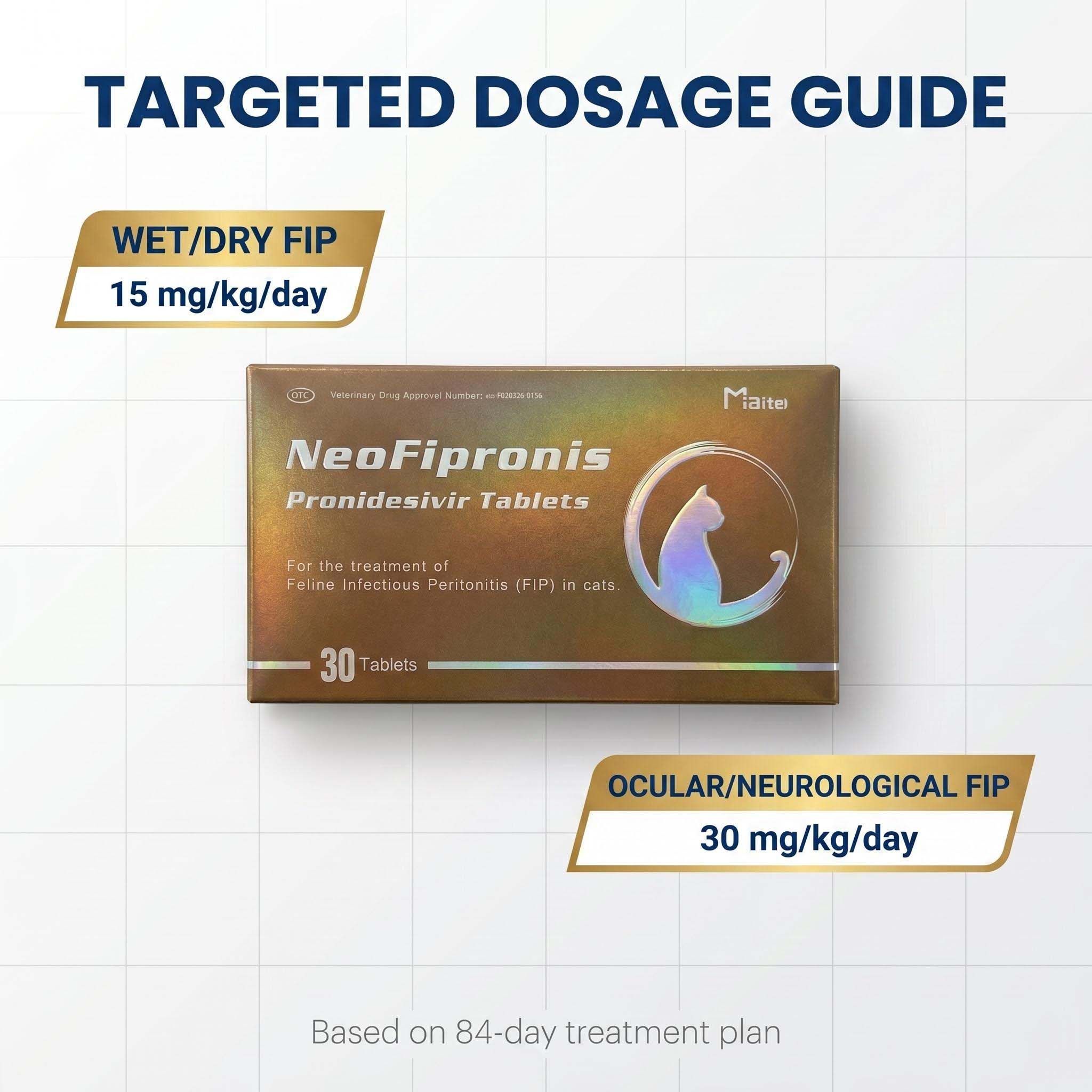
Experimental therapies and antivirals, such as GS-441524, offer hope for FIP treatment but are not widely available due to regulatory status. Recent advances in diagnostics and viral genome analysis may eventually yield more effective prevention strategies. Vigilance, hygiene, and a thorough understanding of how FCoV operates remain the best lines of defense.
References
1. Addie, D. D., et al. (2009). "Feline coronavirus infection." ABCD guidelines on FCoV and FIP.
2. Pedersen, N. C. (2009). "A review of feline infectious peritonitis virus infection: 1963–2008." Journal of Feline Medicine and Surgery.
3. Hartmann, K. (2005). "Feline infectious peritonitis." Veterinary Clinics of North America: Small Animal Practice.
4. Healey, G. F. et al. (2022). "Feline Infectious Peritonitis: Insights into Pathogenesis and Treatment." Veterinary Research Communications.
5. Cave, T. A. et al. (2002). "Risk factors for feline coronavirus seropositivity in cats owned by UK veterinary staff." Journal of Feline Medicine and Surgery.
6. Sparkes, A. H. et al. (1992). "Feline infectious peritonitis: a review of recent advances in epidemiology, pathogenesis and diagnosis." Journal of Feline Medicine and Surgery.