Should Further Testing Continue if the Cat Seems Stable
Feline Infectious Peritonitis (FIP) is one of the most challenging and devastating diseases affecting cats globally. Caused by a mutated form of the feline coronavirus, FIP can present with a wide array of symptoms ranging from mild to severe, making diagnosis and management complex. A common question among pet owners and veterinarians is whether further testing should be pursued if a cat appears clinically stable. This question involves considerations related to disease progression, diagnostic accuracy, ethical responsibilities, and the potential benefits versus risks of continued testing.
Understanding FIP and Its Diagnosis
FIP manifests primarily in two forms: the wet (effusive) form and the dry (non-effusive) form. Both types involve inflammation of the abdominal organs, but their clinical signs can vary significantly. While some cats exhibit clear symptoms such as weight loss, lethargy, and fever, others may appear remarkably stable despite harboring the disease.
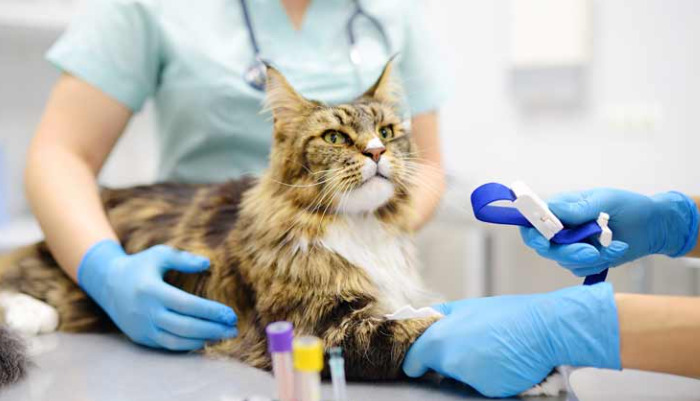
Diagnosing FIP is notoriously difficult. No single test can definitively confirm the disease with 100% certainty, especially in living animals. Common diagnostic tools include serology, analysis of effusions (for the wet form), imaging, and histopathology. More recently, techniques like reverse transcription-polymerase chain reaction (RT-PCR) targeting mutated coronavirus strains and immunohistochemistry have increased diagnostic accuracy but are often invasive or expensive.
The Rationale for Further Testing in Stable Cats
When a cat with suspected FIP shows no evident clinical deterioration, one might assume that extensive testing is unnecessary. However, several factors justify continuing diagnostics:
1. Early Detection of Disease Progression:
FIP can progress quickly, and early identification of worsening conditions allows for more timely interventions, possibly improving quality of life or extending survival.
2. Confirming Diagnosis:
Given the overlap of FIP symptoms with other feline diseases, ongoing testing can help conclusively diagnose or rule out FIP, guiding appropriate management.
3. Assessing Treatment Efficacy:
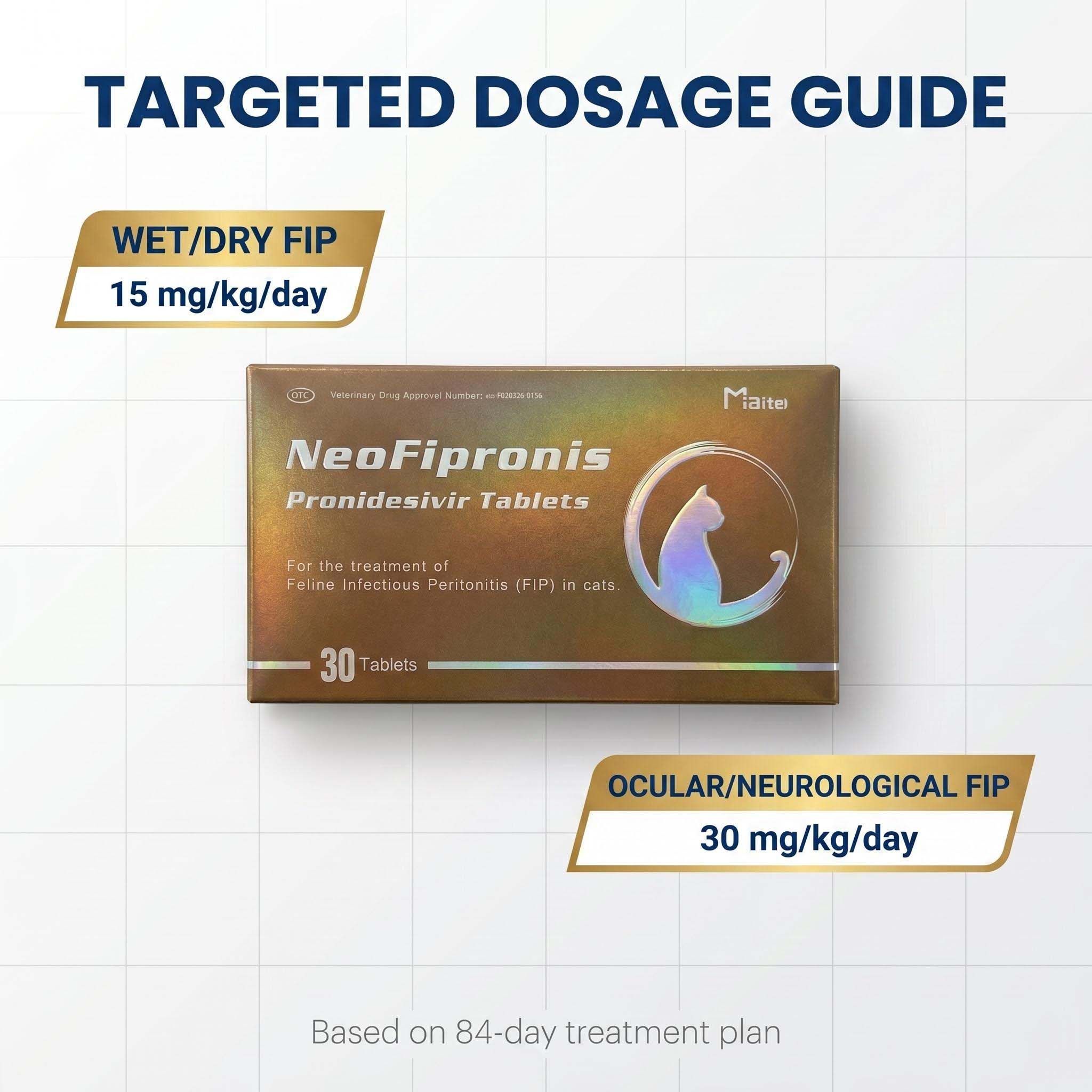
As new treatments emerge, such as antiviral drugs, monitoring disease markers through testing helps evaluate response and adapt treatment plans.
4. Owner Reassurance and Decision-Making:
Continued testing provides owners with clearer information regarding prognosis, assisting them in making informed decisions about care.
Arguments Against Unnecessary Testing
On the other hand, some veterinarians and owners argue against extensive repeat testing in asymptomatic or stable cats due to:
Stress and Discomfort:
Repeated invasive testing can be stressful for the cat, impacting their well-being.
Financial Costs:
Many advanced tests are expensive, and repeated procedures might impose financial burdens on owners.
Limited Impact on Management:
When no clinical signs are present, further testing might not alter treatment plans, leading to questions about its utility.
Balancing Risks and Benefits
Deciding whether to pursue further testing must be individualized. Veterinarians should consider the following:
Clinical History and Current Status:
Is there any subtle change in behavior, weight, or activity? Has there been any recent exposure or risk factors?
Type of Tests and Their Limitations:
Understanding the sensitivity and specificity of available diagnostics can inform their utility in stable cases.
Owner Preferences and Resources:
Respecting owner’s wishes, financial situation, and understanding of the disease is crucial.
Potential for Early Intervention:
Emerging treatments might be more effective if started before significant clinical deterioration occurs.
When to Continue or Cease Testing
If a cat remains stable but has a confirmed or highly suspected FIP diagnosis, ongoing monitoring can be beneficial, especially if treatment options are considered. In contrast, if tests repeatedly produce inconclusive results or no new information is gained, and the cat remains asymptomatic, it might be reasonable to limit further testing to minimize stress and costs.
Ethical Considerations
Prioritizing the animal’s welfare should be at the forefront of medical decision-making. Avoiding unnecessary procedures that do not improve the quality of life aligns with ethical veterinary practice. Clear communication with owners about the goals and limitations of testing is essential.
Conclusion
In cases where a cat diagnosed with or suspected of having FIP appears stable, the decision to continue testing is nuanced. It involves weighing the potential benefits of early detection and treatment against the physical, emotional, and financial costs of additional diagnostics. A tailored approach, considering the individual animal’s condition, owner’s wishes, and available resources, offers the best path forward. Regular monitoring may provide valuable insights, but it should always serve the ultimate goal of ensuring the well-being of the feline patient.
References
1. Pedersen, N. C. (2014). An Overview of Feline Infectious Peritonitis Virus and Its Role in Feline Coronavirus Pathogenesis. Veterinary Clinics of North America: Small Animal Practice, 44(3), 439-452.
2. Weiss, R. C., & Ward, S. (2014). Feline Infectious Peritonitis. The Veterinary Journal, 202(2), 148-153.
3. Addie, D. D., et al. (2016). Feline Coronavirus and Feline Infectious Peritonitis: Diagnostic Challenges and Emerging Strategies. Journal of Feline Medicine and Surgery, 18(2), 238-248.
4. Kipilov, D. I., et al. (2019). Advances in the Diagnosis of Feline Infectious Peritonitis. Frontiers in Veterinary Science, 6, 341.
5. National Center for Biotechnology Information. (2021). Feline Infectious Peritonitis Diagnostic Approaches. NCBI Bookshelf.