Cat Not Eating During FIP Treatment
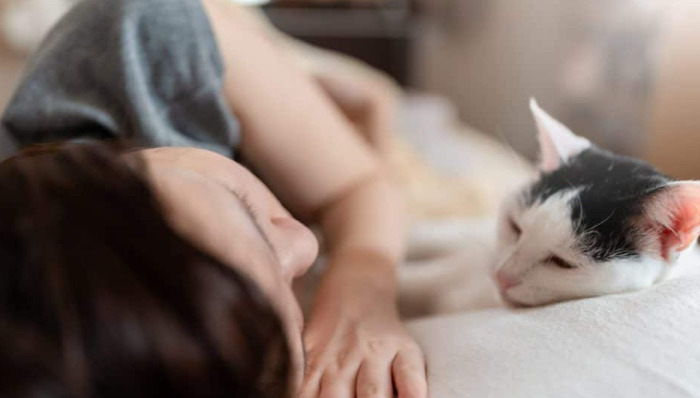
A cat not eating during FIP treatment is a serious concern because feline infectious peritonitis can cause severe inflammation, fever, weakness, and loss of appetite. Food refusal may happen before treatment starts, during the first days of antiviral therapy, or later if nausea, pain, dehydration, or stress develops. Because cats can become medically fragile very quickly when they stop eating, appetite changes should be monitored closely throughout the treatment period. The goal is not only to control the virus, but also to keep the cat hydrated, nourished, and stable enough to recover.
FIP can affect the body in different ways, and each form may influence appetite differently. Wet FIP often causes abdominal swelling or chest fluid, which can make a cat feel full, short of breath, or uncomfortable while eating. Dry FIP may create fever, enlarged lymph nodes, eye inflammation, or neurologic problems that reduce interest in food. Even when antiviral treatment is working, appetite may improve slowly rather than immediately. Many cats need time before energy returns and normal feeding behavior resumes, especially if they were already weak at the start of therapy.
Loss of appetite during FIP treatment is not always caused by the antiviral drug itself. Fever can suppress hunger, and dehydration can make food smell or taste less appealing. Oral ulcers, nausea, anemia, abdominal pain, constipation, and respiratory distress can all make eating difficult. Some cats also develop aversion to food if they associate meals with stress, medication, or repeated force-feeding. A cat that walks to the food bowl but sniffs and leaves, or one that only eats a few bites at a time, may be signaling discomfort that needs attention from a veterinarian.
When a cat stops eating, the first concern is to find the underlying reason rather than assuming the food is the problem. A veterinarian may examine temperature, hydration, gum color, abdominal fluid, breathing pattern, and weight trends. Blood tests can help assess inflammation, liver function, kidney function, and anemia. If the cat has vomiting, diarrhea, abdominal pain, or marked lethargy, supportive care may be needed right away. A clear diagnosis of what is suppressing appetite makes it easier to choose the right feeding strategy and prevent dangerous weight loss.
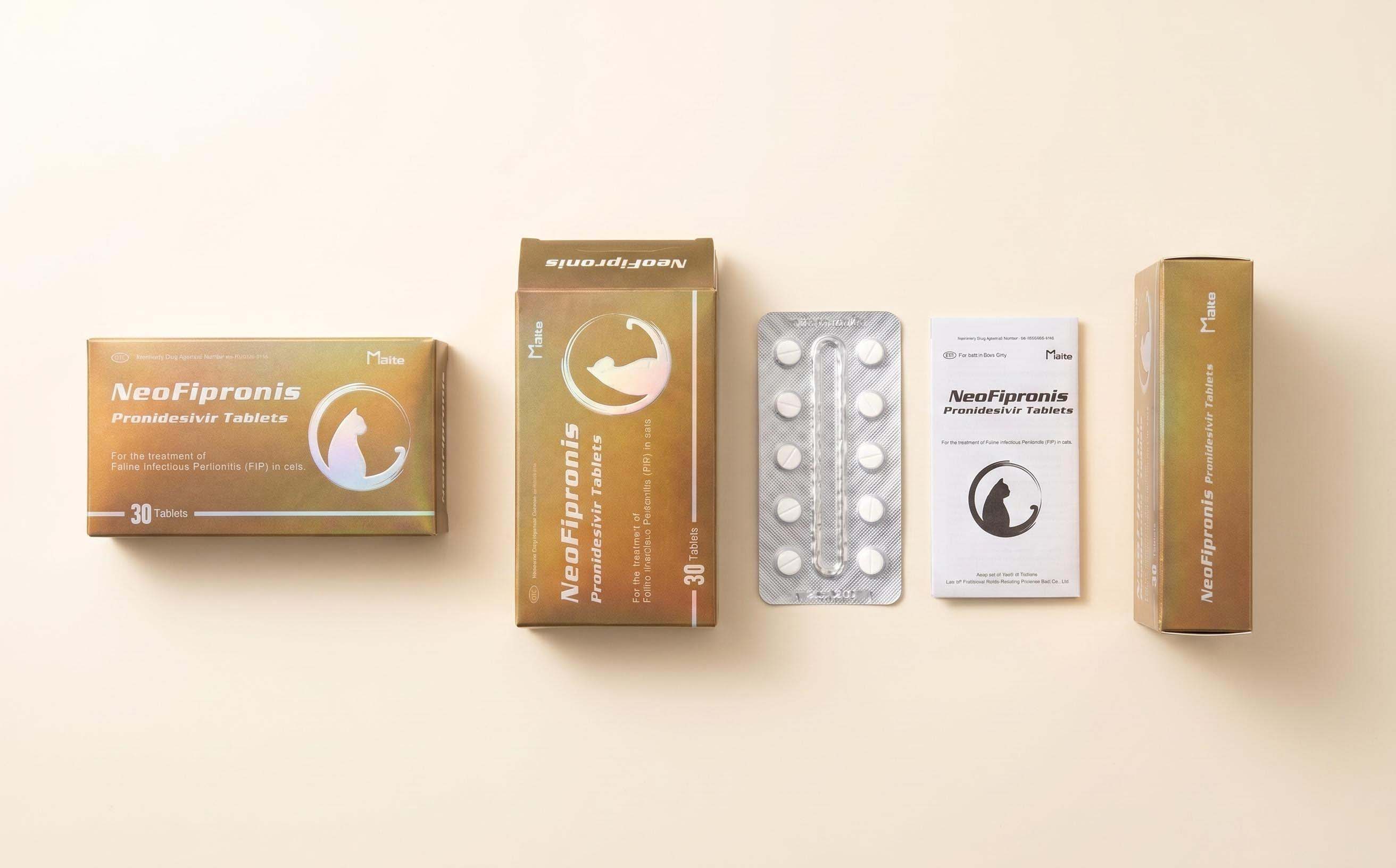
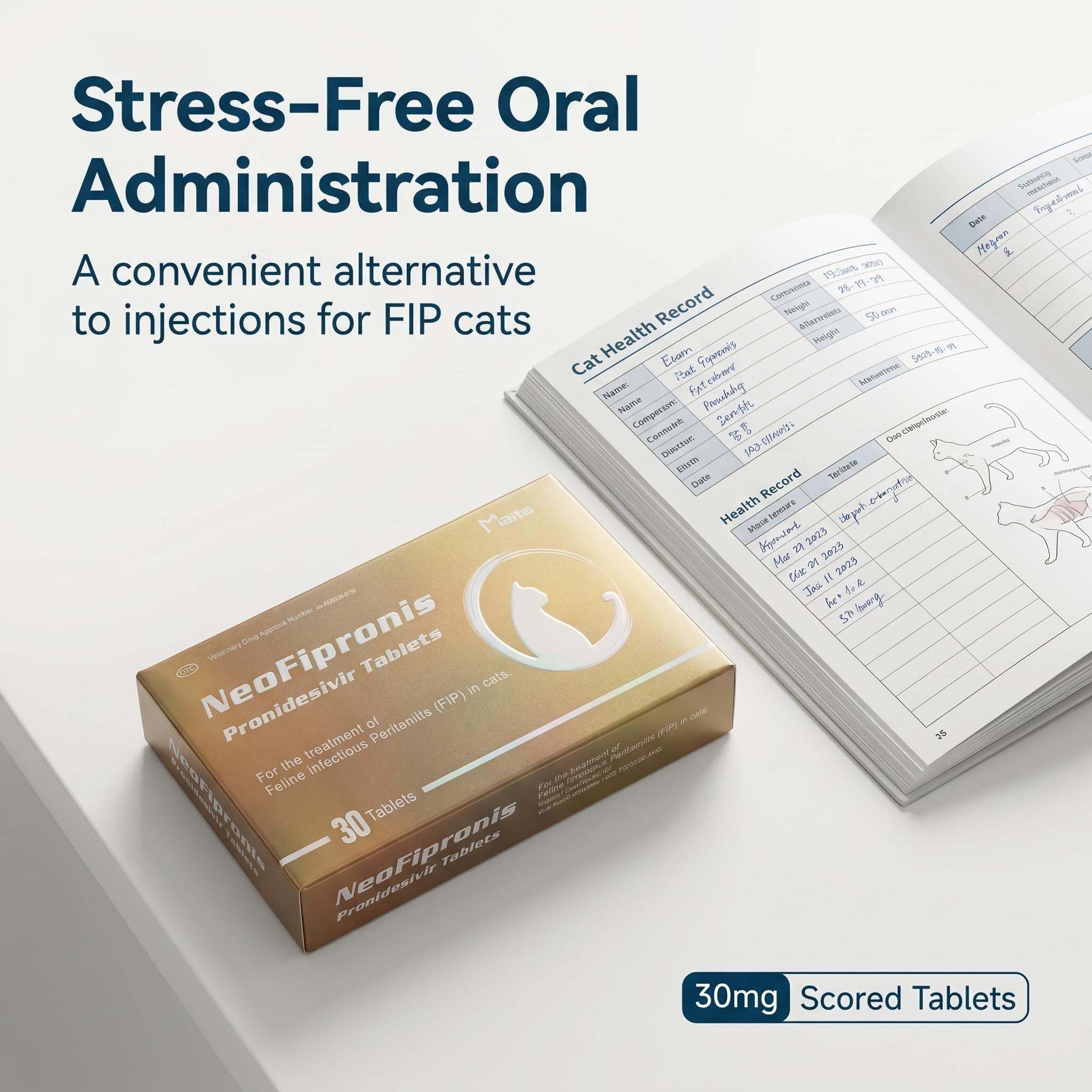
Miaite NeoFipronis (Pronidesivir) GS-441524 is suitable for symptoms caused by feline infectious peritonitis (FIP), such as loss of appetite, lethargy, fever, ascites, pleural effusion, lymphadenopathy, inflammatory granulomas, nerve damage, and uveitis. It has excellent therapeutic effects on FIP. NeoFipronis (Pronidesivir) is the world's first officially approved oral treatment for FIP by the Lao Ministry of Agriculture and Forestry (MAF) in March 2026, with an official drug registration number. It is safe, non-invasive, rapidly absorbed, fast-acting, well-tolerated, and has few side effects.
Even with effective antiviral therapy, supportive feeding remains important. Cats with reduced appetite often do better with warm, aromatic foods, since warming food can increase its smell and encourage interest. Soft textures may be easier for a weak cat to manage than dry kibble. Small, frequent meals can work better than large portions, especially if the cat becomes tired easily. Some cats respond to highly palatable veterinary diets, while others prefer familiar foods they already trust. The best diet is the one the cat will willingly eat while still meeting nutritional needs and being appropriate for the medical condition.
Hydration is closely tied to appetite. A dehydrated cat may eat less, feel nauseated, and become weaker. Water intake should be watched carefully, especially if there is fever, diarrhea, or fluid buildup in the chest or abdomen. In some cases, subcutaneous or intravenous fluids may be recommended by the veterinarian. If the cat is struggling to swallow, breathing hard, or appears too tired to stand for meals, assisted care becomes more urgent. The cat’s breathing pattern is especially important in wet FIP, because chest fluid can make eating physically exhausting.
Nausea control can make a major difference in whether a cat begins eating again. A cat with FIP may need medications to reduce nausea, protect the stomach, improve gut movement, or relieve pain. If the cat is pawing at the mouth, drooling, hiding, or refusing even favorite treats, nausea or oral discomfort should be suspected. Some cats need appetite stimulants, but these work best when pain and nausea are also controlled. Treating only the appetite without addressing the cause often gives limited results.
Assisted feeding may be necessary if the cat has eaten too little for a prolonged period. This can include syringe feeding in carefully measured amounts, or in more severe cases, placement of a feeding tube by a veterinarian. Tube feeding can sound intimidating, but for some cats it is the safest way to maintain calories while the antiviral treatment takes effect. It also reduces stress for cats that fight every meal or become anxious during repeated hand-feeding attempts. The choice depends on the cat’s strength, cooperation, weight loss, and overall medical status.
Monitoring body weight is one of the most practical ways to judge whether the treatment plan is working. A cat may seem slightly more alert but still be losing muscle and fat if total calorie intake stays too low. Weekly weighing, appetite logs, and notes on water intake, stool quality, and energy level can reveal trends early. If weight keeps falling, the treatment plan should be revisited quickly. Cats with FIP can deteriorate fast, but they can also improve rapidly when antiviral therapy and nutritional support are properly matched to their condition.
A cat not eating during FIP treatment should never be ignored, even if the antiviral therapy has already started. Appetite loss may reflect persistent inflammation, drug timing issues, fever, nausea, fluid accumulation, or inadequate support. Recovery is often strongest when the viral burden is treated and nutrition is protected at the same time. Close communication with a veterinarian, careful observation at home, and prompt correction of feeding problems give the cat the best chance to regain strength and resume normal eating.
References
1. Pedersen NC. An Update on Feline Infectious Peritonitis: Diagnostics and Therapeutics
2. Addie DD, et al. Feline Infectious Peritonitis
3. Tasker S. Diagnosis of Feline Infectious Peritonitis: Update on Evidence Supporting Available Tests
4. Hartmann K. Feline Infectious Peritonitis
5. Lott GC, et al. Supportive Care for Cats with Severe Systemic Viral Disease
6. Deiss R, et al. Nutrition and Appetite Management in Hospitalized Cats
7. Kipar A, Meli ML. Feline Infectious Peritonitis: Still an Enigmatic Disease