What Is the Mechanism of Action of NeoFipronis (Pronidesivir)
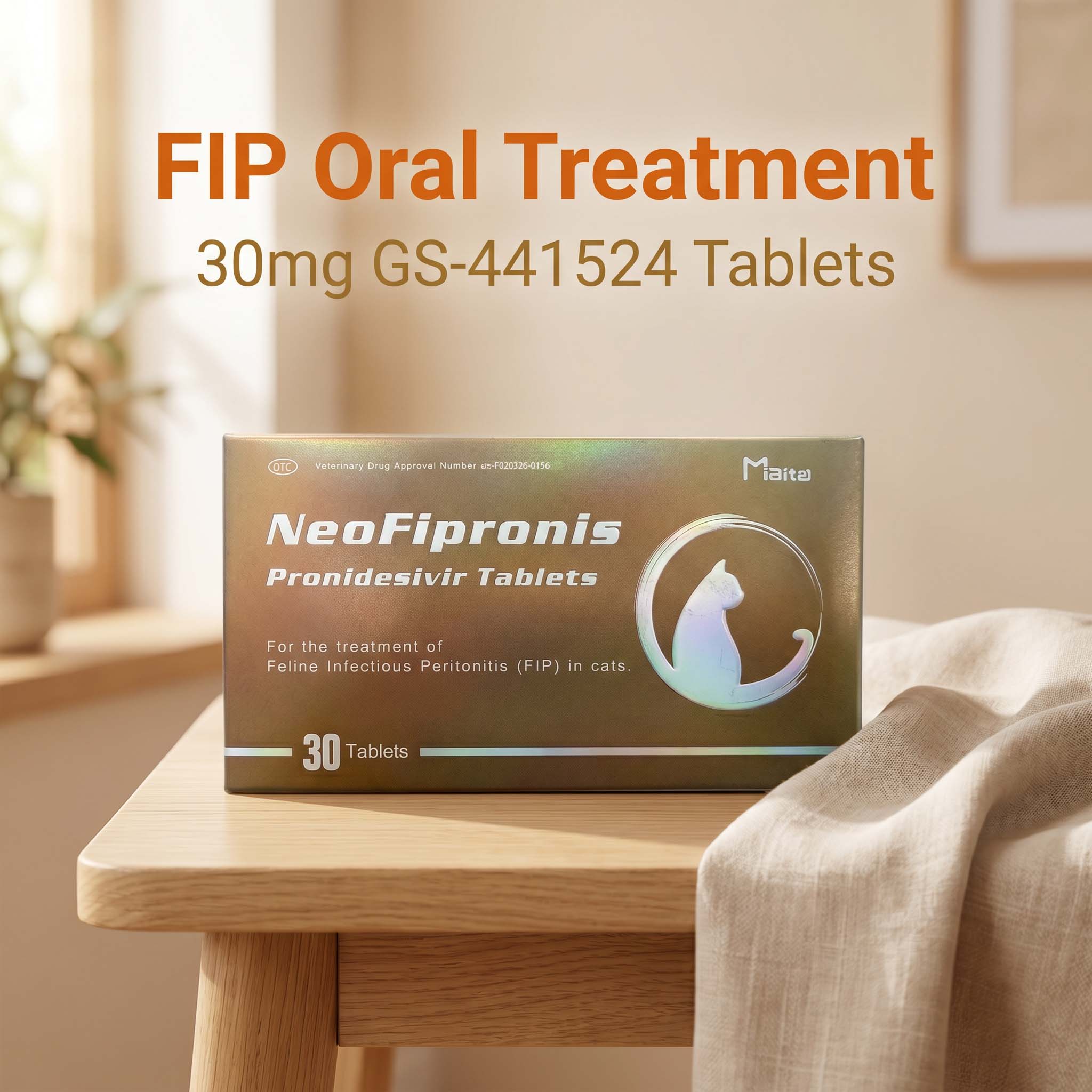
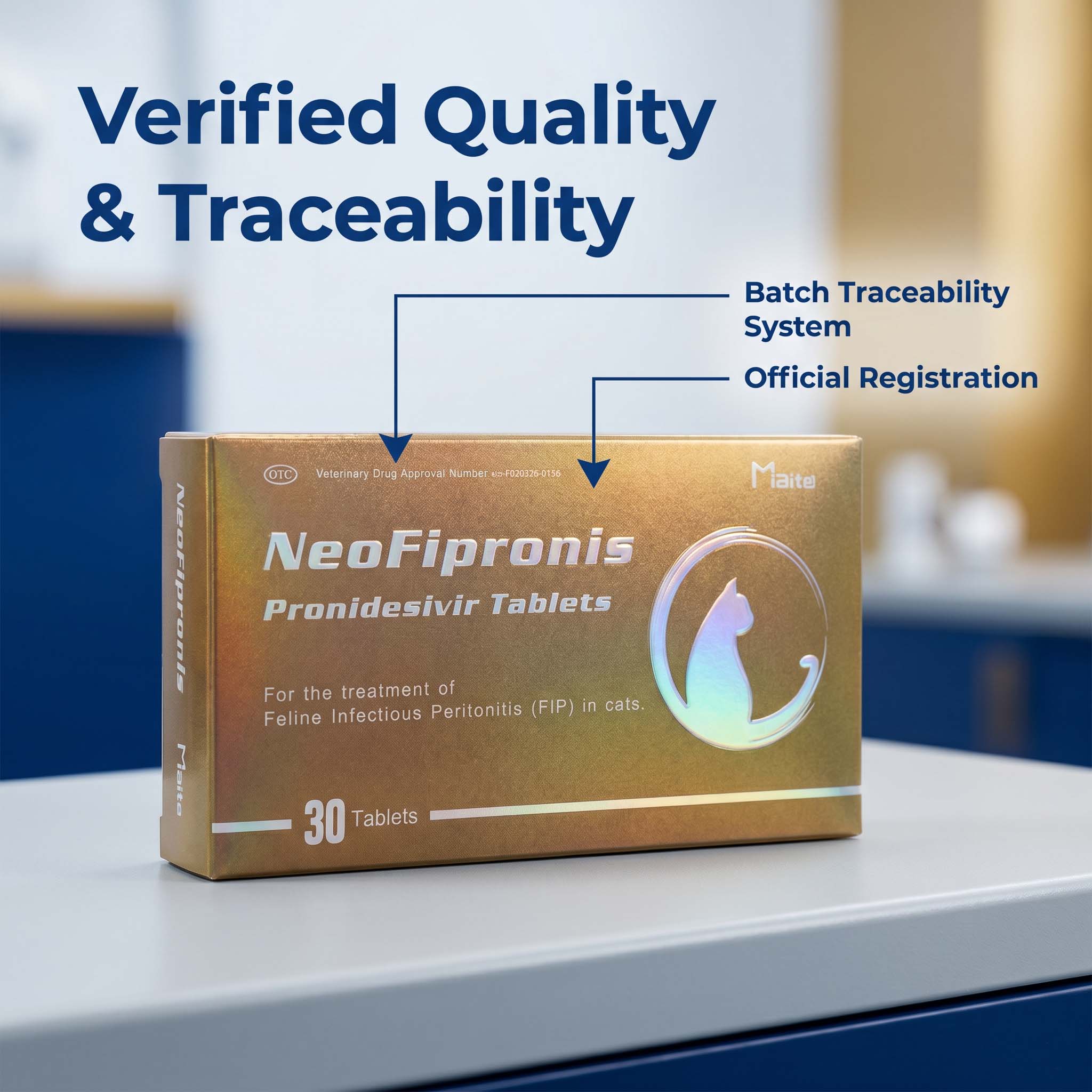
NeoFipronis (Pronidesivir) is presented as an oral GS-441524-based option for cats with feline infectious peritonitis (FIP), a serious disease caused by a mutated feline coronavirus. In FIP, the virus replicates inside cells and triggers widespread inflammation that can lead to loss of appetite, lethargy, fever, abdominal effusion, pleural effusion, enlarged lymph nodes, inflammatory granulomas, neurological signs, and ocular disease such as uveitis. The reason GS-441524 has gained attention is simple: it targets the virus directly, helping reduce viral replication and giving the cat’s immune system a chance to recover.
How GS-441524 Works Against FIP
GS-441524 is a nucleoside analog antiviral. After administration, it is absorbed and converted within cells into an active form that interferes with the viral RNA replication process. Feline coronavirus depends on an enzyme called RNA-dependent RNA polymerase to copy its genetic material. GS-441524 competes with the virus’s natural building blocks, disrupting that copying process and stopping replication. When viral replication falls, inflammation gradually decreases, fever often improves, appetite may return, and fluid accumulation can begin to resolve.
Why This Mechanism Matters in Cats
FIP is not just a viral infection; it is a disease driven by both virus and immune-mediated inflammation. That is why supportive care alone is often not enough. By reducing the amount of active virus in the body, GS-441524 addresses the root cause of the disease rather than only masking symptoms. This is especially important in wet FIP, where ascites and chest fluid can become severe, and in dry FIP, where granulomatous lesions and organ involvement may be harder to detect. In neurological and ocular FIP, higher tissue penetration and stronger antiviral exposure are often needed.
Clinical Benefits Seen in FIP Treatment
Cats treated with GS-441524-based therapy may show improvement in energy level, appetite, body temperature, and overall comfort within days to weeks, although recovery varies by case severity. In many cases, reduced abdominal swelling, improved breathing, and better mobility follow as the viral load declines. Ocular inflammation and neurological signs can take longer to respond, which is why veterinarians often recommend higher doses for eye or central nervous system involvement. These benefits are tied directly to the drug’s antiviral mechanism and its ability to suppress ongoing replication.
Dosing and Administration Considerations
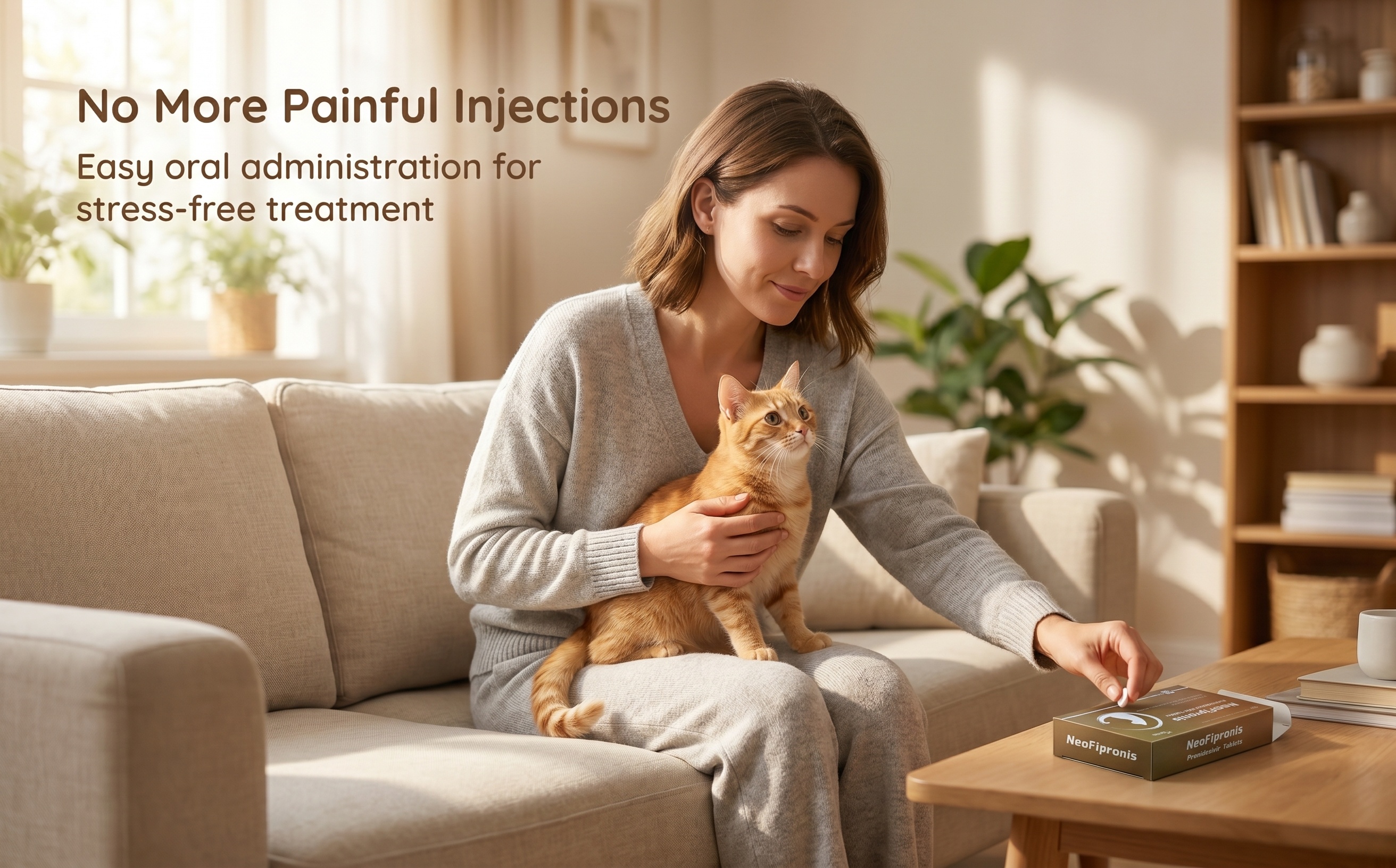
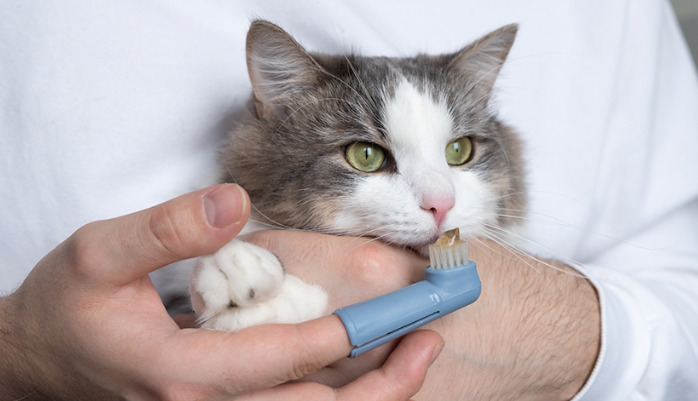
Common veterinary protocols use approximately 15 mg/kg once daily for many FIP cases, while neurological or ocular FIP may require 30 mg/kg under veterinary guidance. Daily consistency is critical, and treatment courses often last at least 12 weeks or longer depending on the cat’s response. The medication is usually given on an empty stomach, such as one hour before feeding or two hours after. Missing doses can reduce antiviral pressure and may compromise recovery, so careful scheduling and close monitoring are essential throughout therapy.
Safety, Monitoring, and Veterinary Guidance
GS-441524-based products are generally valued for their tolerability, but cats should still be monitored for appetite, temperature, energy level, complete blood count, and liver and kidney function during treatment. Any cat receiving therapy for FIP should be followed by a veterinarian, especially if neurological signs, severe effusions, or eye disease are present. This medication is for cats only and must never be used in humans. For product authenticity, legal status, and purchasing details, consult the manufacturer’s official website and your veterinarian before starting treatment.
If you want, I can also turn this into a more SEO-optimized version with a meta title, meta description, and keyword list.