Clinical Trials and New Treatments for FIP
Introduction to FIP
Feline Infectious Peritonitis (FIP) stands as one of the most devastating viral diseases affecting cats, caused by certain strains of feline coronavirus (FCoV). Although many cats are exposed to FCoV, only a small percentage develop FIP, which progresses rapidly once symptomatic. Traditionally, FIP has been considered almost universally fatal, leaving pet owners and veterinarians in urgent need of effective therapies. In recent years, advances in clinical research have opened new avenues for treatment, focusing on antiviral drugs, immunomodulators, and innovative vaccine candidates.
Emerging Antiviral Therapies
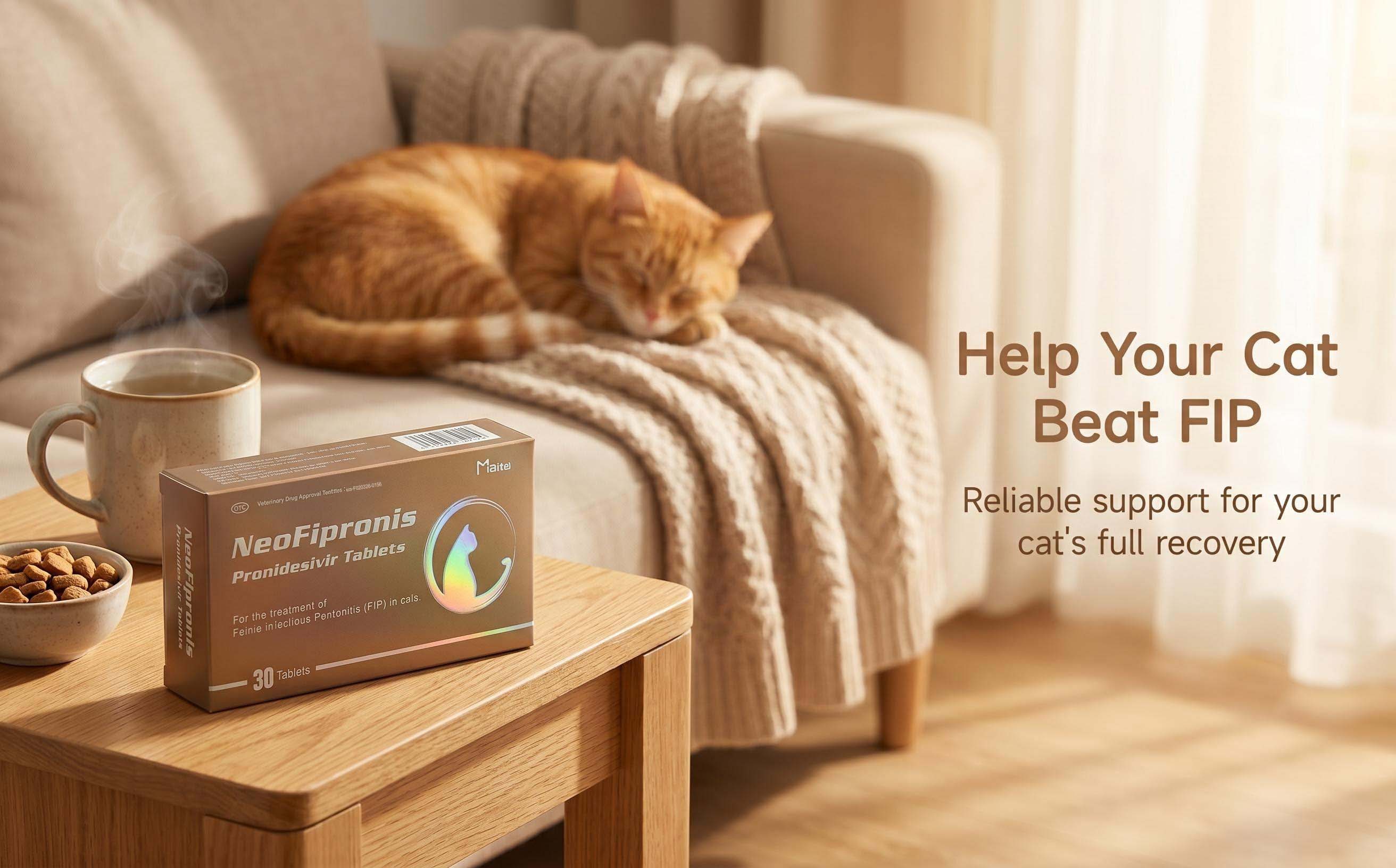
One of the most promising developments in FIP treatment is the application of antiviral medications originally designed for human coronaviruses.
Favipiravir and GS-441524: These nucleoside analogs inhibit viral replication by targeting RNA-dependent RNA polymerase. GS-441524, in particular, has demonstrated remarkable efficacy in field studies, with several case reports showing sustained remission.
Mechanisms of Action: These drugs interfere with the virus's ability to replicate, reducing viral load and associated immune responses.
Clinical Trials: Multiple studies are ongoing to evaluate optimal dosing, safety profiles, and long-term outcomes. Preliminary data suggest high cure rates, especially when treatment is initiated early.
Immunomodulators and Supportive Treatments
In conjunction with antivirals, immunomodulatory therapies aim to bolster the cat’s immune response, potentially preventing disease progression.
Interferons: Some research evaluates feline interferon omega to modulate immune responses and reduce inflammation.
Cytokine therapy: Trials exploring cytokines or other immune-stimulating agents are underway, with the goal of dampening excessive inflammatory responses characteristic of FIP.
Supportive care: Includes anti-inflammatory drugs, fluid therapy, and nutritional support, which improve quality of life during treatment.
Innovative Vaccine Approaches
Preventive strategies remain critical:
Recombinant vaccines: Recent trials focus on vaccines utilizing viral vectors or subunit components to induce protective immunity.
Challenges: Developing a vaccine that prevents the pathogenic form of FCoV without inducing adverse immune reactions has been complex, but recent progress provides cautious optimism.
Current status: Several candidates are in early-phase trials, with some showing promising immunogenicity and safety profiles.
Clinical Trial Design and Ethical Considerations
Conducting research on FIP treatments involves sophisticated planning:
Randomized controlled trials (RCTs): Essential for establishing efficacy, with control groups often receiving standard supportive care.
Owner participation and consent: Critical aspects involve informed consent and clear communication about potential risks and benefits.
Outcome measures: Include viral clearance, remission rates, survival duration, and quality of life indices.
Ethical challenges: Balancing experimental treatments with the likelihood of benefit requires careful oversight by veterinary ethics committees.
Future Directions and Potential Breakthroughs
Ongoing research emphasizes personalized medicine approaches, including genetic profiling to predict disease progression and treatment response.
Combination therapies: Trials evaluating synergistic effects of antivirals plus immunomodulators are promising.
Gene editing technologies: Although still theoretical in veterinary medicine, CRISPR-based methods could someday target viral genomes directly.
Enhanced vaccine platforms: Next-generation vaccines employing mRNA or nanoparticle technology could revolutionize prophylaxis.
Conclusion
While FIP remains a formidable foe, recent breakthroughs in clinical research are transforming prospects for affected cats. The integration of targeted antivirals, immunotherapies, and innovative vaccines offers hope that FIP might transition from a nearly always fatal disease to a manageable condition in the foreseeable future. As research continues, long-term studies and collaborative efforts will be crucial in cementing these new treatments into standard veterinary practice.