Is FIP Contagious Between Cats
Feline Infectious Peritonitis (FIP) is one of the most concerning diseases affecting domestic and wild cats globally. Caused by certain strains of feline coronavirus (FCoV), FIP presents significant diagnostic and therapeutic challenges to veterinarians, breeders, and cat owners alike. Understanding how this disease spreads is essential for cat welfare, especially in multi-cat households, shelters, and catteries. This comprehensive discussion explores whether FIP is contagious between cats, delving into the biology of feline coronavirus, shedding light on transmission pathways, risk factors, and preventive strategies.
Feline Coronavirus: Foundation of FIP
FIP stems from feline coronavirus, a common virus among cats, particularly in environments with high feline population density. There are two recognized forms of feline coronavirus: the avirulent or "enteric" FCoV, which often causes mild intestinal symptoms or remains asymptomatic, and the virulent mutated form that triggers FIP.
It is vital to differentiate the transmission of FCoV from that of FIP. While FCoV is indeed highly contagious and spreads readily from cat to cat via oral-fecal routes, only a small percentage of cats infected with FCoV ever develop FIP—typically following a mutation of the virus within the individual cat’s body.
How FCoV Spreads Among Cats
Feline coronavirus is excreted mainly through feces. Cats become infected by ingesting microscopic particles in contaminated litter boxes, shared food or water bowls, or by grooming. Environments where many cats share the same space—such as catteries, shelters, or multi-cat households—present increased opportunities for transmission.
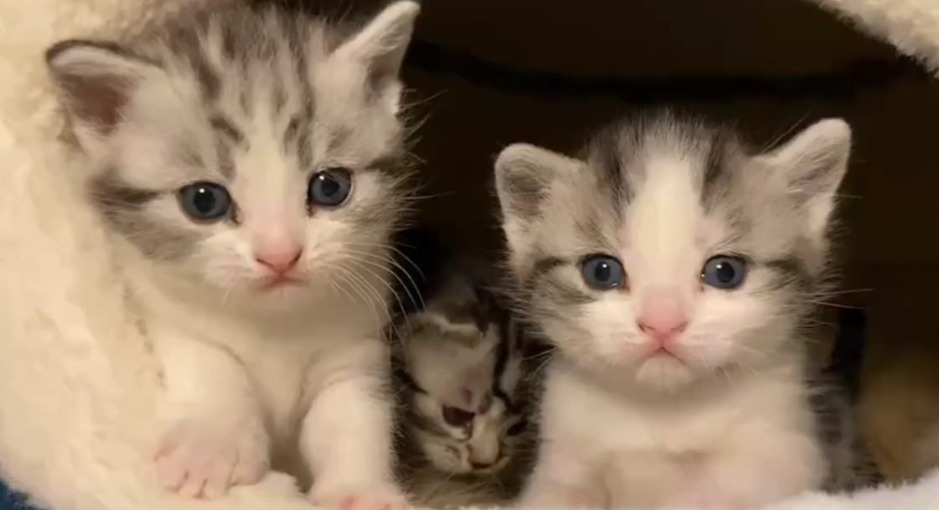
Kittens are especially prone to FCoV infection, often contracting the virus soon after weaning, particularly if housed with numerous other kittens or in places where the virus persists in the environment.
Mutation: The Trigger Behind FIP
Not every cat infected with FCoV will develop FIP. FIP occurs only when FCoV undergoes a specific mutation that enables the virus to invade immune system cells (macrophages), which then disseminate it throughout the cat’s body. This mutated form is what causes the severe, often fatal disease known as FIP—with characteristic symptoms like abdominal fluid buildup, fever, and neurological signs.
Critically, the mutated FIP-causing virus is not believed to be shed by cats and is not considered to be directly contagious from an FIP-affected cat to others. Instead, the basic FCoV continues to spread, and in rare cases, may mutate independently in other cats.
Is FIP Itself Contagious?
FIP, once developed in a particular cat, tends not to be contagious. Studies strongly indicate that transmission of FIP from cat to cat is extraordinarily rare. The process leading to FIP is an internal mutation rather than an infection by a separate FIP-causing virus. While FCoV remains contagious in multi-cat environments, the FIP form does not seem to be transmitted between cats—even when sharing litter boxes, food bowls, or close contact.
This distinction is crucial. Cat owners often fear their FIP-diagnosed cat could infect others, but the current scientific consensus, based on many years of veterinary research, points to FIP as a non-contagious condition.
Transmission Risks: What Cat Owners Should Know
Despite the low risk of direct FIP transmission, environments with high rates of FCoV infection are the main risk factor for FIP outbreaks. The more cats exposed to FCoV, the higher the likelihood one of them may experience the viral mutation and develop FIP.
Certain factors increase the risk:
High-density housing: Crowded conditions accelerate FCoV spread.
Young age: Kittens are more susceptible to infection and mutation.
Stress: Physical and emotional stress can compromise immunity, perhaps increasing mutation risk.
Genetic predisposition: Some breeds or individual cats may be genetically susceptible.
Prevention Strategies
Limiting FCoV transmission is the cornerstone of preventing FIP. Cat owners and breeders can take proactive measures:
Hygiene: Regular cleaning and disinfection of litter boxes and communal surfaces diminishes virus levels.
Minimizing overcrowding: Smaller group sizes and separate housing for kittens can halt viral spread.
Quarantine: Newly introduced cats should be tested and separated to reduce the risk of introducing FCoV to uninfected groups.
Avoid stress: Maintaining stable routines and environments helps protect vulnerable cats’ immune systems.
Promisingly, recent advances in diagnostics and antiviral treatments are revolutionizing the landscape for both FCoV and FIP-affected cats. Early identification of infection and appropriate intervention may allow for better management and outcomes now than ever before.
The Role of Genetics and Immunity
Genetic susceptibility to FIP varies among cats. Certain purebred lines, such as Bengals and British Shorthairs, may show higher incidences, possibly due to genetic factors affecting immune response and viral replication. Exploring genetic factors offers hope for targeted breeding programs aimed at reducing FIP prevalence.
The immune system’s role is central: In most cats, a robust immune response controls FCoV, preventing mutation and development of FIP. Immunocompromised cats, such as those with FeLV (Feline Leukemia Virus), may be at greater risk of mutation following FCoV infection.
Shelters, Catteries, and Community Cats
Shelters and catteries must manage larger feline populations, so controlling FCoV prevalence is imperative. Best practices include isolating newly arrived cats, prompt removal of waste, disinfecting communal areas, and minimizing group transfers.
Outdoor and community cats also harbor and transmit FCoV, sometimes introducing the virus to households with newly adopted cats. Responsible adoption procedures—such as proper screening and gradual introductions—play a key role in prevention.
Diagnosis and Management in Multi-Cat Environments
Prompt diagnosis of FIP is complicated by the lack of a single definitive test. Diagnosis typically combines clinical signs, laboratory analysis (such as detection of FCoV antibodies, hyperglobulinemia, or protein-rich effusions), and, in recent years, molecular testing for viral RNA mutations.
When FIP is suspected, isolating the ill cat is not generally necessary for safety, since FIP itself does not spread. However, reducing environmental viral load benefits all cats in the group.
The Ongoing Challenge of FIP
FIP remains a challenge in feline medicine because of its unpredictable development and fatal outcomes. Continued research explores new diagnostic methods, vaccines, genetic factors, and treatments. While FCoV vaccination exists, its efficacy is widely debated, and it’s not universally recommended in endemic areas.
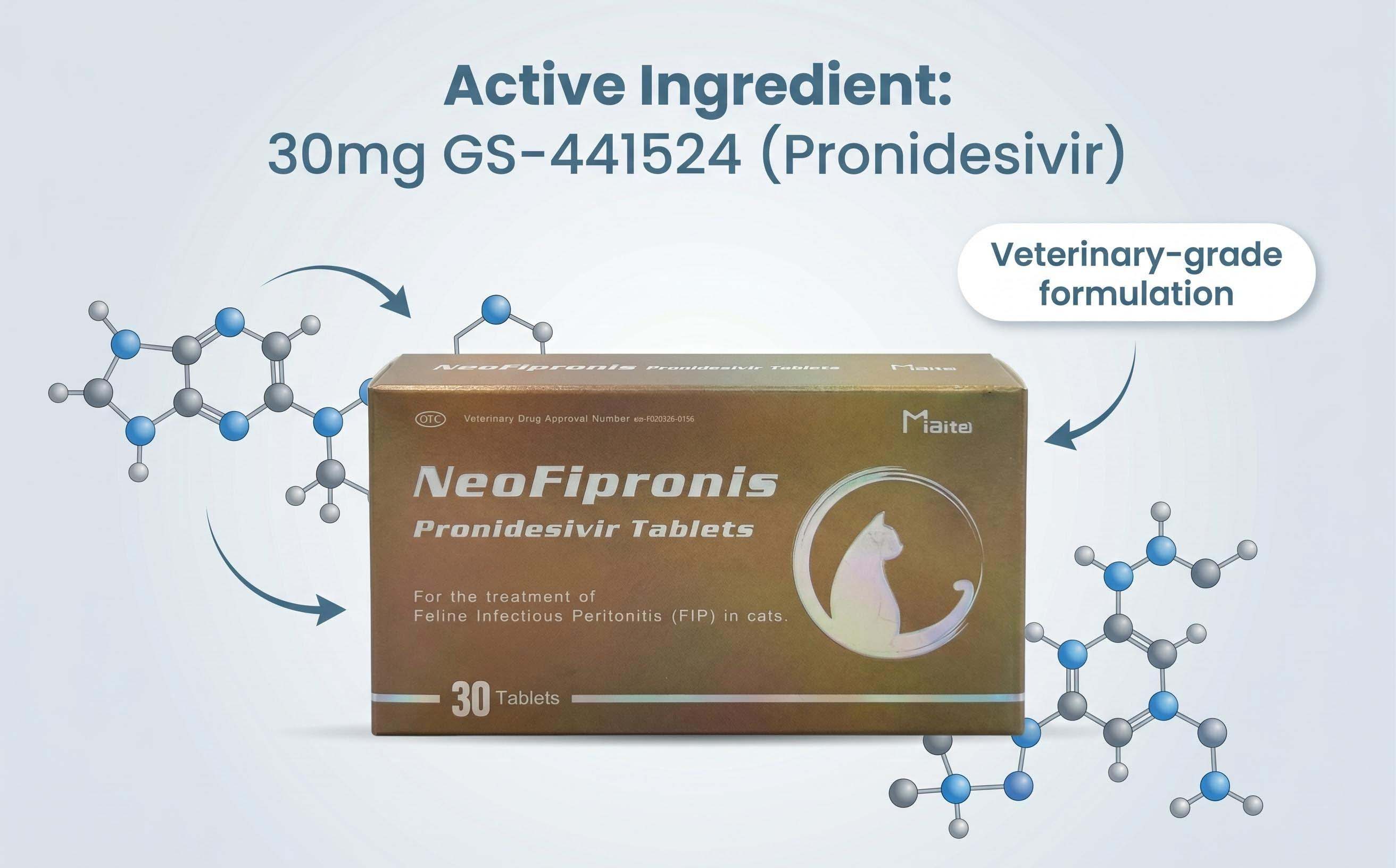
Breakthroughs in antiviral agents—such as GS-441524—are providing hope for extended survival and, in some cases, apparent recovery from FIP. Beyond medical advances, owner education and hygiene practices are fundamental to combatting the broader FCoV epidemic.
FIP Contagion Myths and Misunderstandings
Misinformation can fuel unnecessary fear. It is common to assume FIP acts similarly to other viral diseases, spreading quickly within a household. Veterinary consensus, however, stands firm: FIP is not an immediately transmissible disease. Owners of cats diagnosed with FIP can usually keep other healthy cats with confidence—provided FCoV containment measures are in place.
Case Reports and Epidemiological Evidence
Epidemiological studies consistently show that outbreaks of FIP are not common, despite high levels of FCoV activity. Clustering of FIP cases, when it occurs, aligns with factors such as stress, genetics, and age rather than direct transmission of the mutated FIP virus.
Case reports from catteries—where multiple cats develop FIP in sequence—typically reveal extensive FCoV exposure, underlining the importance of controlling primary coronavirus infection instead of fearing direct transmission from FIP cases.
Living with FIP: Owner Choices and Support
For families managing FIP-affected cats, support goes beyond medical care. Understanding the non-contagious nature of FIP alleviates isolation concerns, allowing affected cats to remain with their loved ones without excessive risk to healthy companions. Focusing on FCoV management and holistic care fosters peace of mind and better feline health outcomes.
Future Directions in FIP Research
Efforts continue to unravel the exact molecular processes that trigger mutation. Genetic sequencing of FCoV, immunological studies, and clinical trials are providing nuanced understanding, which is guiding the development of vaccines, breeding recommendations, and targeted treatments.
Collaboration between researchers, veterinarians, breeders, and cat owners is making it possible to move beyond mere containment towards long-term solutions that protect cats everywhere.
References
Pedersen, N.C. (2014). An update on feline infectious peritonitis: diagnostics and therapeutics. Veterinary Journal.
Hartmann, K. (2005). Feline infectious peritonitis. Veterinary Clinics of North America: Small Animal Practice.
Addie, D.D., Jarrett, O. (2001). Feline coronavirus infections. In: Infectious Diseases of the Cat.
O’Brien, S.J., Roelke, M.E., & others (2012). Genetic basis of FIP susceptibility in domestic cats. Feline Genetics and Virology.
Drechsler, Y., & others (2011). Epidemiology of feline coronavirus and FIP outbreaks in catteries. Journal of Feline Medicine and Surgery.
Stoddard, R.A., & others (2021). Recent advances in FIP treatment and prevention. Advances in Feline Medicine.
Meli, M.L., Kipar, A., & others (2013). Immunopathogenesis of feline coronavirus infection and FIP. Veterinary Immunology and Immunopathology.
Shelter Medicine Program, University of California, Davis (2017). Management of FIP and FCoV in multi-cat environments.
Tasker, S. (2018). Diagnosis and management of feline coronavirus and FIP. In: BSAVA Manual of Feline Practice.