Ways to Comfort a Cat Undergoing FIP Treatment
Understanding Feline Infectious Peritonitis (FIP) and Its Impact
Feline Infectious Peritonitis (FIP) is a complex and devastating disease affecting domestic cats worldwide. Triggered by a mutation of the feline coronavirus, FIP has historically been fatal; recent advancements in antiviral medications such as GS-441524 have brought hope to affected cats and their families. However, the diagnostic process and treatment journey can be overwhelming, both physically and emotionally, for the cat. Cat owners play a vital role in not only the administration of medication but in offering comfort, security, and overall well-being during treatment. Understanding FIP and its effects is crucial: symptoms may include lethargy, fever, weight loss, accumulation of fluid in the abdomen or chest, and neurological changes. Placing an emphasis on supportive care is essential as the cat undergoes recovery.
Creating a Stress-Free Environment at Home
A cat’s environment heavily influences its stress level and comfort during illness. Transitioning to a quieter, more relaxed setting can help reduce anxiety and foster healing. Begin by identifying a warm, secluded area in your home that mimics a den-like space; this may be a soft bed placed in a corner or an igloo-shaped cat cave. Minimize loud noises, avoid frequent visitors, and maintain consistency with lighting and temperature. Using pheromone diffusers, such as the Feliway brand, can replicate natural feline scents and produce calming effects. Limiting the presence of other pets may also help, unless your cat has a comforting companion. Keep familiar items such as blankets or toys close, which will provide a sense of continuity.
Gently Handling and Administering Medication
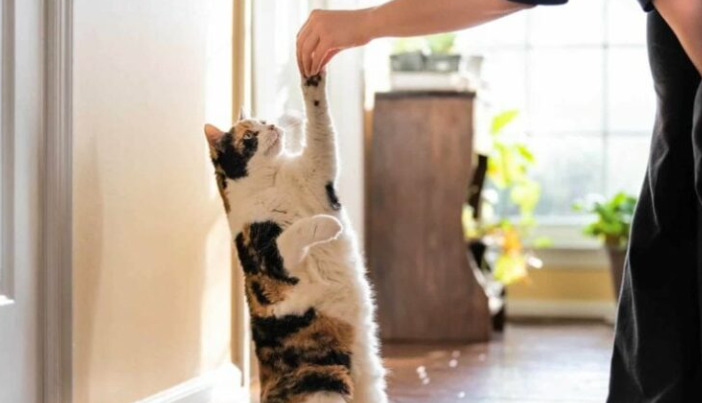
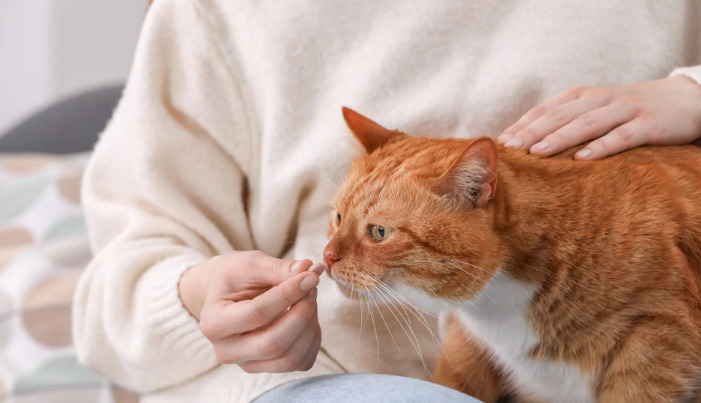
FIP treatment involves rigorous and sometimes painful regimens, often requiring subcutaneous injections or oral medication daily for weeks or months. Cats may resist or associate pain with treatment time, making gentle handling paramount. Approach your cat slowly, speaking in a soft, reassuring tone. Use treats or positive reinforcement methods to diffuse tension before, during, and after medication administration. Wrapping the cat securely in a towel (the “burrito method”) minimizes movement and can soothe nervous cats. Always monitor for any adverse drug reactions or signs of increased distress, and consult your veterinarian promptly if side effects occur.
Track each dose, maintain a consistent schedule, and enlist the help of a second person if needed. After administering medication, reward your cat with affection, gentle petting, or a favorite treat. If your cat shows a fear response, allow them to retreat post-treatment and never force prolonged interaction. Over time, routine and positive associations can help reduce fear and anxiety.
Offering Comfort Through Nutrition
Cats with FIP often experience a decreased appetite or gastrointestinal discomfort. Nutrition is foundational to supporting their immune system and energy. Choose highly palatable, easily digestible foods—both commercial recovery formulas and homemade meals may be options, depending on veterinary guidance. Warming canned food slightly before serving can enhance aroma and attract picky eaters. Small, frequent meals are preferable to large ones, and hand-feeding may encourage reluctant cats.
Hydration is equally critical. Make fresh water available at all times and consider offering low-sodium chicken broth or specialized rehydration fluids approved by your veterinary professional. If your cat refuses hydration, ask your veterinarian about methods to prevent dehydration, such as subcutaneous fluids. Always steer clear of foods that could exacerbate symptoms, such as those high in salt, fat, or artificial additives.
Emotional Support: Building Trust and Security
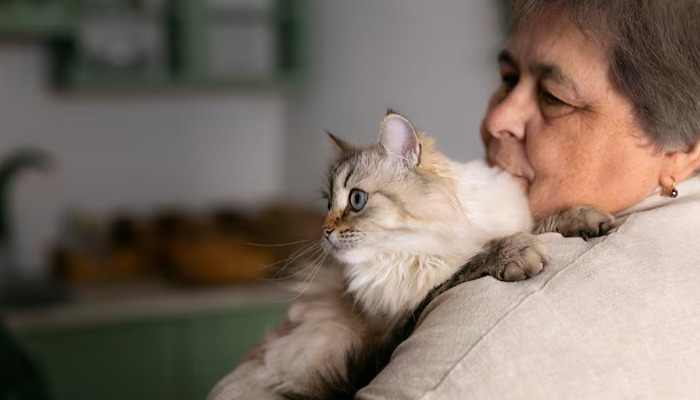
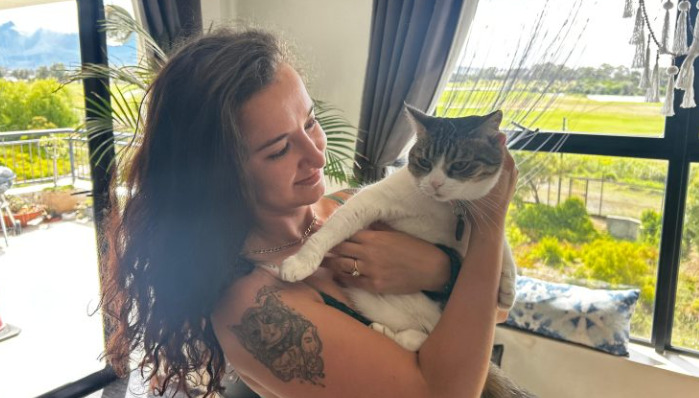
Cats, by nature, are sensitive to their owner’s emotions and routines. During FIP therapy, your cat needs emotional reassurance that transcends physical care. Avoid expressions of frustration or sadness in front of your cat; instead, maintain a calm, hopeful presence. Speak gently, establish daily routines, and prioritize gentle play if your cat is up for it. Let your cat dictate interaction—some may crave cuddles while others prefer quiet companionship nearby.
Physical touch, such as stroking or gentle massage, can promote relaxation. Watch for your cat’s body language: slow blinking, relaxed posture, and purring all indicate comfort. Consider implementing stress-relief techniques common in feline behavioral therapy, like scent swapping (brushing the cat and placing the fur near their bedding) or offering interactive puzzle toys that require minimal effort.
Monitoring Health and Recognizing Progress
Ongoing observation is key to a successful FIP treatment outcome. Maintain a journal documenting changes in appetite, bathroom habits, body weight, demeanor, and any clinical symptoms. Weigh your cat regularly using a digital scale tailored for small animals. Photograph abdominal distension or other visible symptoms to share with your veterinary team for progress assessment.
Keep all scheduled veterinary appointments and contact your provider immediately with notable changes; many clinics now offer telemedicine consults for swift support. Adhering to prescribed protocols ensures your cat receives optimal medical care and chances for full recovery.
Pain and Symptom Control During FIP Therapy
Pain management should never be overlooked. Cats suffering from FIP might experience discomfort due to inflammation, fluid buildup, or neurological problems. Work closely with your veterinarian to identify signs of pain, such as restlessness, altered posture, excessive vocalizing, or reluctance to move. Common analgesics used include buprenorphine or gabapentin, formulated for feline use.
Non-pharmacological methods also provide relief: heated pads (especially low-voltage, pet-safe versions), gentle grooming, and ensuring the cat’s bed is supportive and easy to access. Avoid unnecessary physical exertion, especially jumping between levels, and arrange furniture to accommodate reduced mobility. In severe cases, hospice care may become appropriate; always follow veterinary direction.
Social Interaction and Preventing Isolation
Despite illness, cats benefit from social interaction—limited and respectful of their energy levels. Loneliness and depression may exacerbate physical symptoms, so set aside regular intervals for positive engagement. If your cat enjoys grooming, brushing them lightly can be both bonding and comforting. Encourage soft-spoken communication and, if appropriate, visual companionship with other household members.
Introducing gentle background music or soft television sounds may mimic habitation and alleviate loneliness, but observe if your cat has any preferences. Rotate comforting toys and sleep areas to avoid monotony. If using digital devices, some cats respond to slow-moving videos designed for feline engagement.
Stress Reduction Techniques for Owners and Cats
Cats are perceptive to human stress signals, which can inadvertently affect their health. Dedicate time to self-care and resilience as a pet owner. Find online and local support groups for FIP caregivers, which provide resources, tips, and emotional solace. The more balanced and prepared you feel, the better equipped you are to nurture your cat.
Practice mindfulness exercises near your cat, such as slow breathing or meditation, to project a tranquil environment. Consider aromatherapy with cat-safe essential oils and maintain predictable routines. Document progress and reward yourself and your cat at weekly milestones.
Maintaining Hygiene and Infection Control
During recovery, immunosuppressed cats can be susceptible to secondary infections. Prioritize thorough cleanliness: wash bedding regularly using mild, unscented detergents and wipe down surfaces in their environment. Use non-toxic cleaners and avoid aerosolized products. Clean food dishes, water bowls, litter pans, and toys daily. If your cat is leaking fluid or has wounds, follow veterinary guidance for wound management and use gloves.
Strict hygiene is paramount if other cats reside in the household. Separate resources and provide individualized attention to all pets, reducing risk of cross-infection. Disinfect hands between handling cats, particularly after medication administration.
Communicating With Your Veterinary Team
Consistent and transparent communication with your medical provider strengthens the treatment process. Ask questions regarding prognosis, side effects, and improvements. Share photos, videos, or documents regarding your cat’s daily status. Many clinics offer 24-hour support for emergencies—utilize these resources and don’t hesitate to reach out.
Request written instructions for medication and supportive care; clarify all questions before leaving appointments. If facing a challenging moment, trust that your veterinary team wants to see your cat thrive and will offer guidance.
Recognizing When to Seek Further Help
FIP can be unpredictable, and complications may arise. Watch for acute signs: uncontrolled pain, sudden breathing difficulty, unresponsiveness, or rapid progression of symptoms. Emergency care may be necessary in rare cases. Prepare emergency contact numbers and familiarize yourself with after-hours services.
If your cat is declining despite treatment, discuss all options with your veterinarian, including possible changes in medication, adjunct therapies, or discussing end-of-life care. Your cat’s comfort remains the highest priority.
Utilizing Online Resources and Support Communities
The rise of online support forums, such as Facebook groups focused on FIP, has created global communities for sharing experiences, protocols, and emotional encouragement. These can be invaluable sources of updated information, practical tips, and comfort for caregivers. Look for reputable sites operated or moderated by veterinary professionals and exercise critical judgment regarding advice online.
Websites maintained by feline health organizations, like the Winn Feline Foundation, are reliable for understanding FIP research updates and treatment options. Participating in online chat sessions or webinars can deepen your knowledge and build resilience.
The Role of Hope and Perseverance
The FIP journey is a testament to a pet owner’s devotion and hope. Each stage of treatment presents challenges, and every small improvement signals resilience. Nurturing hope for your cat means celebrating tiny victories, remaining adaptive, and cherishing your bond.
Healing is not a linear process. Stay gentle with yourself and your cat, using each resource, touch, and comforting gesture as a means to move forward together. The dedication invested in comfort care brings tangible benefits and is at the heart of FIP recovery.
References
1. Pedersen, N.C. (2020). "Feline Infectious Peritonitis (FIP): An Overview." _Veterinary Clinics: Small Animal Practice_, 50(5), 1001-1015.
2. Hartmann, K. (2012). "Feline Infectious Peritonitis: Recent Advances in Understanding and Management." _Journal of Feline Medicine and Surgery_, 14(7), 419–432.
3. Murphy, B.G., et al. (2018). "The Use of GS-441524 as an Experimental Antiviral Treatment for FIP." _Journal of Feline Medicine & Surgery_, 20(3), 235-243.
4. Addie, D.D., et al. (2021). "Practical Management of Cats Suspected of Currently Having FIP." _Winn Feline Foundation_ [www.winnfelinefoundation.org](https://www.winnfelinefoundation.org)
5. Ruple, A., & Diniz, P.P.V.P. (2021). "Supportive Care for Cats with FIP: Improving Quality of Life." _Veterinary Focus_, 31(2), 41-49.
6. American Association of Feline Practitioners (2023). "Environmental Enrichment and Stress Reduction in Cats With Chronic Disease." _AAFP Guidelines_.