How Long Should Symptoms Last Before Suspecting FIP
Feline Infectious Peritonitis (FIP) presents a unique diagnostic challenge for veterinarians and cat owners alike. The disease, caused by a mutated strain of feline coronavirus, can mimic other feline illnesses in its early stages. Recognizing how long symptoms typically persist before FIP should be suspected is critical in guiding appropriate veterinary intervention, especially considering the urgency associated with this life-threatening condition. This article investigates the duration and progression of typical FIP symptoms, contrasting them with similar diseases, and provides guidance on when persistent symptoms should prompt further diagnostic investigation.
Understanding FIP: Causes and Transmission
Feline Infectious Peritonitis arises from a mutation in the feline enteric coronavirus (FECV). Most cats infected with FECV either remain asymptomatic or exhibit mild, transient gastrointestinal signs. However, in a minority—typically young cats, those living in multi-cat environments, or animals with compromised immune systems—the virus can mutate, transforming into the more virulent FIP-causing strain (Pedersen, 2009). Transmission occurs primarily via the fecal-oral route, and stress or cohabitation with many cats increases the risk of the pathogenic mutation.
Clinical Presentations: Wet vs. Dry FIP
FIP can manifest in two primary forms: effusive (“wet”) and non-effusive (“dry”). Wet FIP rapidly leads to fluid accumulation in body cavities, such as the abdomen or chest, often causing significant discomfort, difficulty breathing, and a visibly distended abdomen. Dry FIP instead is marked by granulomatous lesions in organs, leading to a more insidious onset with symptoms that are frequently episodic or subtle. These distinctions are critical in considering the timeline of symptom progression.
Common Symptoms and Their Duration
Key symptoms of FIP include:
Persistent fever unresponsive to antibiotics
Lethargy and decreased activity
Weight loss and poor appetite
Vomiting and diarrhea (less common)
Fluid buildup in the abdomen or chest (wet FIP)
Jaundice or icterus
Neurological signs (in dry FIP; e.g., ataxia, seizures)
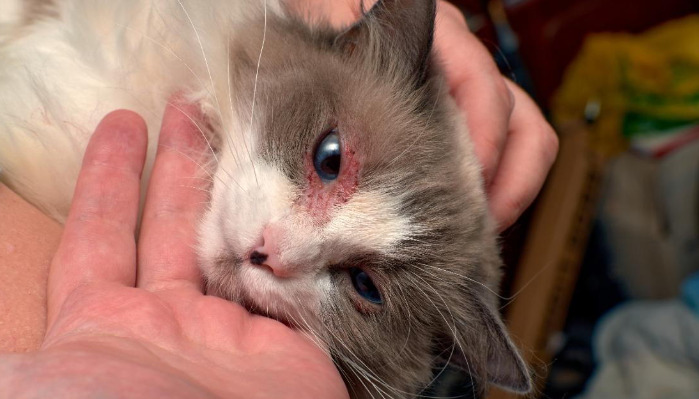
Eye inflammation
Unlike many viral or bacterial infections, where symptoms often resolve or respond promptly to supportive care or antibiotics, FIP symptoms typically linger or worsen over weeks.
Early-Stage Symptoms: What Is ‘Normal’?
Initial clinical signs such as mild fever, reduced appetite, or lethargy might last a few days in many common feline respiratory or digestive illnesses. Most cats, especially with supportive care, will show signs of improvement within 3–5 days (Addie, 2012). If a cat fails to respond or worsens despite appropriate care and antibiotics over 5–7 days, veterinarians may begin to suspect a systemic or more serious underlying disease.
FIP, in contrast, almost always defies conventional treatment. Persistent fever—especially if it cycles up and down, fails to resolve, or worsens over more than one week—is a hallmark warning sign.
Progression and Timing of Symptoms: Clinical Perspective
In many reported cases, FIP symptoms persist or progress inexorably for two or more weeks without resolution. For dry FIP, symptoms can wax and wane, but don’t fully resolve, often reappearing over several weeks or months. Owners might observe recurring lethargy, gradual weight loss, or new neurological signs. Wet FIP progresses more rapidly; cats with abdominal distension or pleural effusion typically deteriorate within a week or two, becoming acutely ill.
Veterinary literature suggests that ongoing fever and malaise lasting more than one week, especially when combined with sudden onset of fluid accumulation or neurological problems, should trigger suspicion for FIP (Hartmann, 2005). If clinical signs last beyond 10–14 days despite standard care, further diagnostic investigation—bloodwork, imaging, and possibly analysis of fluid—is warranted.
Differentiating FIP from Other Conditions
Many conditions mimic some symptoms of FIP, such as upper respiratory infections, pancreatitis, bacterial peritonitis, neoplastic diseases, and toxoplasmosis. Unlike FIP, these illnesses often respond to well-chosen treatments; symptoms generally improve within days to a week. Persistent, unresponsive symptoms—especially a non-resolving fever—suggest FIP or other severe systemic diseases.
A timeline for symptom persistence can help differentiate:
Infectious respiratory diseases: symptoms rarely last more than 5–7 days after treatment initiation.
Gastroenteritis: usually resolves in less than one week.
Parasitic infestations: causes intermittent symptoms, but most are responsive to antiparasitic drugs.
FIP: symptoms persist/worsen over 10–14 days or more, with no genuine improvement, often with new symptoms emerging over time.
When Should Owners Suspect FIP?
Based on the medical consensus, the following timeline should raise suspicion:
If a cat exhibits persistent fever, malaise, and poor appetite for more than 7–10 days despite antibiotics or supportive care, FIP should be considered.
The sudden development of abdominal or thoracic fluid accumulation, especially in a young cat, is grounds for urgent evaluation.
Any combination of neurological signs and unresponsive fever lasting >2 weeks is suspicious.
In multi-cat households, with a known outbreak of feline enteric coronavirus, extended symptom duration (>1 week) is especially significant.
Owners should not wait longer than 10–14 days to seek advanced veterinary diagnostics if their cat’s symptoms persist or escalate, given the rapid decline associated with FIP once symptoms begin in earnest.
Investigation: Diagnostic Steps Upon Suspecting FIP
Once FIP is considered, prompt diagnostics are imperative:
Complete blood count (CBC): Often shows non-specific inflammation, anemia, elevated proteins.
Serum biochemistry: Hyperglobulinemia, low albumin, increased bilirubin.
Imaging: Ultrasound or x-rays may show fluid in the abdomen, chest, or masses in organs.
Fluid analysis: In wet FIP, effusions typically have high protein; tests can help distinguish FIP from other causes.
PCR testing of fluid or tissue: Detects the mutated coronavirus genome.
Histopathology/biopsy: For dry FIP, organ or lymph node samples may be analyzed if feasible.
Timely identification is essential. The disease is invariably fatal without early, targeted treatment—most new therapies, such as antiviral drugs (GS-441524) or remdesivir, are only effective if administered early in the disease course.
Case Examples: Timeline in Real Life
Case 1: A nine-month-old shelter kitten presents with three days of lethargy and fever. Despite antibiotics, fever persists for ten days before abdominal swelling is noticed. Diagnostics reveal abdominal fluid and classic FIP findings. The critical delay between initial presentation and suspicion far exceeds the timeframe for routine viral illnesses.
Case 2: A two-year-old pedigree cat in a multi-cat household shows intermittent neurological signs and appetite loss. Over the course of three weeks, symptoms escalate and never resolve. Thorough workup reveals dry FIP.
In both cases, the persistence and progression of symptoms past 7–10 days, especially with no response to care, marks the tipping point toward FIP suspicion and urgent work-up.
Factors Affecting Symptom Duration and FIP Risk
Age, environment, genetics, and immune system function influence the risk and duration of symptoms:
Age: Cats under two years of age are at highest risk of FIP.
Environment: Multi-cat households, shelters, catteries face higher incidence.
Genetics: Certain purebred lines are more vulnerable.
Immunosuppression: Concurrent illness or steroids can accelerate FIP progression.
In high-risk populations, even shorter duration of symptoms, especially above 5–7 days, justifies immediate consideration of FIP.
Owner Actions and Early Intervention
Speed is crucial. Owners are advised not to delay veterinary consultation if symptoms persist beyond those typical for routine illnesses:
Fever or lethargy unresponsive to treatment after one week: Seek urgent diagnostics.
Sudden abdominal swelling or difficulty breathing: Consider an emergency.
Poor appetite, weight loss, or recurring signs over 8–10 days: Request tests for FIP.
Early suspicion enables more effective treatment and improves chances for successful management if advanced therapies are available.
Expert Consensus and Recommendations
Veterinary experts stress early recognition. Symptoms lasting more than 7–10 days without improvement, or the sudden appearance of characteristic signs such as abdominal fluid or neurological issues, constitute “red flags.” Waiting longer risks irreparable organ damage and rapid deterioration. FIP’s hallmark is lack of response to therapies that typically resolve similar signs in other illnesses.
In high-risk cats—young, pedigree, or multi-cat environments—vigilance for persistent symptoms is even more vital. Throughout the United States and worldwide, veterinary guidelines reflect increasing urgency in responding to unresponsive systemic signs, underscoring the importance of rapid diagnostics and possible antiviral therapy.
Conclusion
The persistence of systemic symptoms—fever, lethargy, appetite loss—for more than 7–14 days, especially without improvement, warrants suspicion and urgent evaluation for FIP. Knowing the typical course of more common feline illnesses and understanding when symptoms should have resolved is central for timely intervention. Owners and veterinarians must work together, avoid unnecessary delays, and prioritize advanced testing if prolonged, unexplained illness is present.
References
Addie, D. D. (2012). Feline coronavirus infections. In Greene, C. E. (Ed.), Infectious diseases of the dog and cat (pp. 92–108). Elsevier Saunders.
Pedersen, N. C. (2009). A review of feline infectious peritonitis virus infection: 1963–2008. Journal of Feline Medicine and Surgery, 11(4), 225–258.
Hartmann, K. (2005). Feline infectious peritonitis. Veterinary Clinics of North America: Small Animal Practice, 35(1), 39–79.
Tasker, S. (2018). Feline infectious peritonitis: Update on diagnostics and management. Veterinary Clinics: Small Animal Practice, 48(1), 57–86.
Felten, S., & Hartmann, K. (2019). Diagnosis of feline infectious peritonitis: A review of current literature. Viruses, 11(11), 1068.
Wills, J. M., et al. (1987). Patterns of disease in cats exposed to feline infectious peritonitis. Veterinary Record, 120(15), 365–370.
Kipar, A., & Meli, M. L. (2014). Feline infectious peritonitis: Still an enigma? Veterinary Pathology, 51(2), 505–526.