Does Dry FIP Respond More Slowly to Treatment
Feline Infectious Peritonitis (FIP) remains one of the most enigmatic and devastating diseases affecting domestic cats. Caused by a mutated feline coronavirus, FIP manifests primarily in two forms: wet (effusive) and dry (non-effusive). While the wet form typically produces effusions in body cavities, the dry form is characterized by granulomatous lesions within organs and the nervous system. Cat owners and veterinarians alike are increasingly seeking answers regarding the prognosis and responsiveness of the dry form to contemporary therapies. Questions such as “Does dry FIP respond more slowly to treatment?” drive ongoing research and clinical discourse, especially with the advent of novel antiviral medications such as GS-441524. This article offers a thorough exploration of this question, examining relevant case studies, biochemical and pathological determinants, treatment modalities, and outcomes based on the latest knowledge and published studies from North America and beyond.
Feline Infectious Peritonitis: Wet vs. Dry Form
FIP’s clinical manifestation stems from the cat's immune response to the mutated virus rather than direct viral cytopathy. Wet FIP presents with accumulation of fluid, often in the abdomen or thoracic cavity; this is believed to be the result of immune-complex-mediated vasculitis. Conversely, dry FIP shows more subtle symptoms: granulomas within organs like the liver, kidneys, and lymph nodes, or involvement of the central nervous system (CNS) and eyes. The dry form lacks the classical effusions, making diagnosis more challenging. Overlapping symptoms may include fever, weight loss, anorexia, jaundice, and neurological deficits.
Challenges in Diagnosing Dry FIP
Veterinarians encounter significant difficulty in distinguishing dry FIP from other chronic illnesses. The presentation is often insidious, including neurological and ocular signs or organomegaly, without the overt signs seen in effusive FIP. Diagnostic confirmation relies on a combination of clinical suspicion, advanced imaging, serology, PCR analysis, and biopsies revealing characteristic pyogranulomatous inflammation. The delay in definitive diagnosis may inadvertently impact the initiation and perceived timing of therapeutic responsiveness when compared to wet FIP.
Pathophysiological Differences Impacting Treatment Response
The core question surrounding differential treatment response lies in the underlying pathophysiology. Wet FIP’s symptoms arise from rapid immune-mediated leakage of fluid, while dry FIP results from chronic granulomatous inflammation in organ tissues. These granulomas, formed over weeks or months, tend to sequester the virus within macrophages in sites where antiviral penetration may be less efficient. Furthermore, if critical organs like the brain, eyes, or kidneys are involved, tissue barriers may impede drug entry, slowing clinical improvement.
Treatment Landscape for FIP
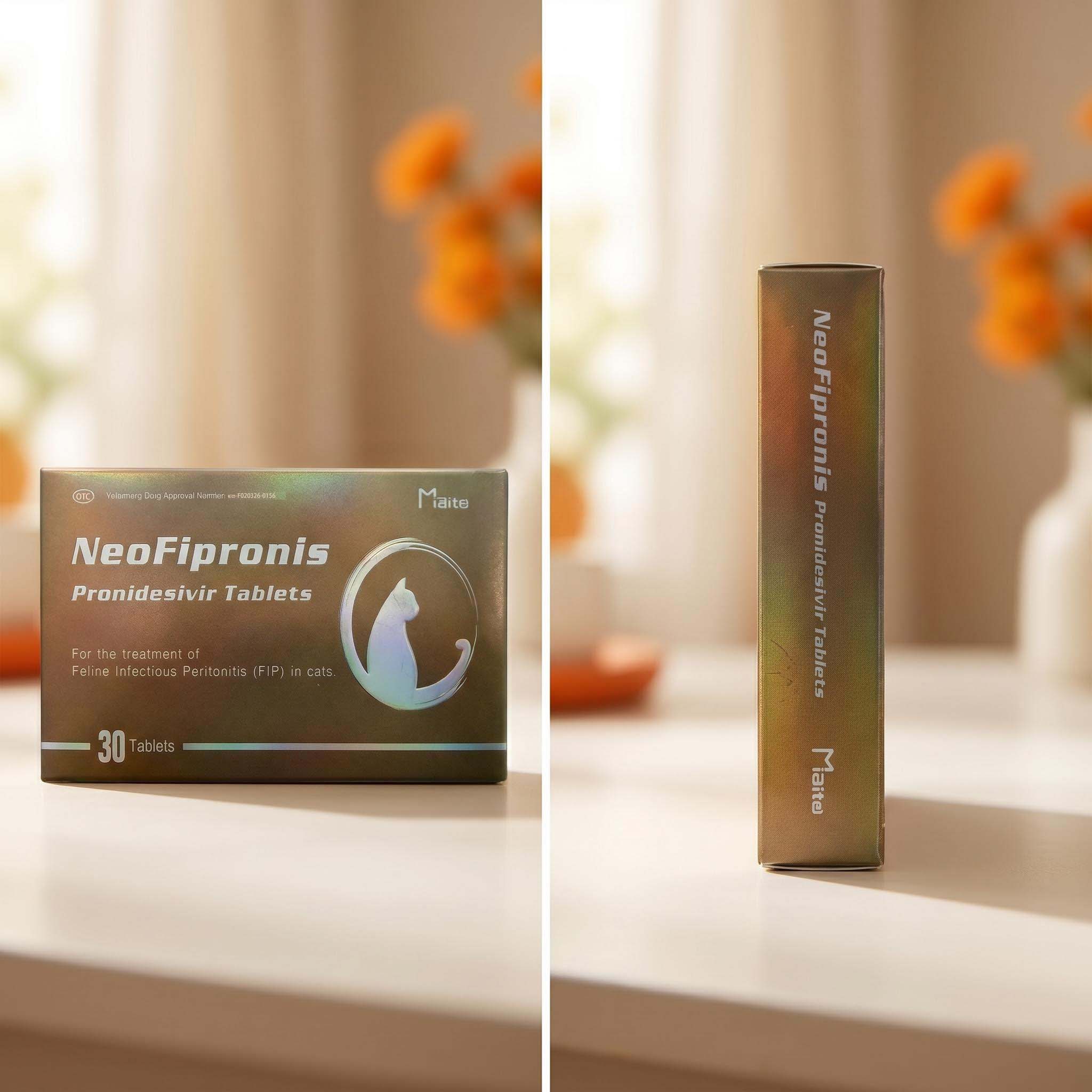
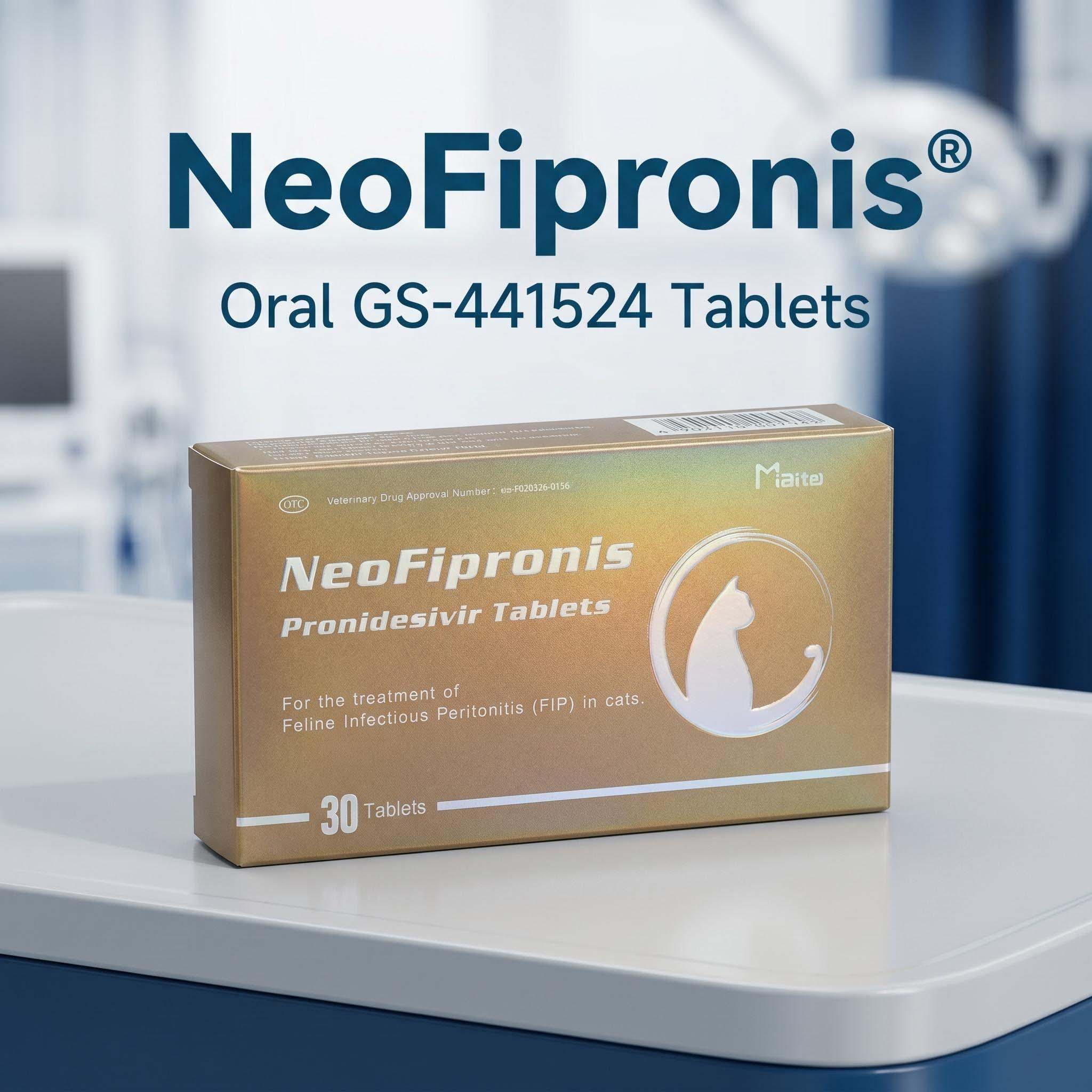
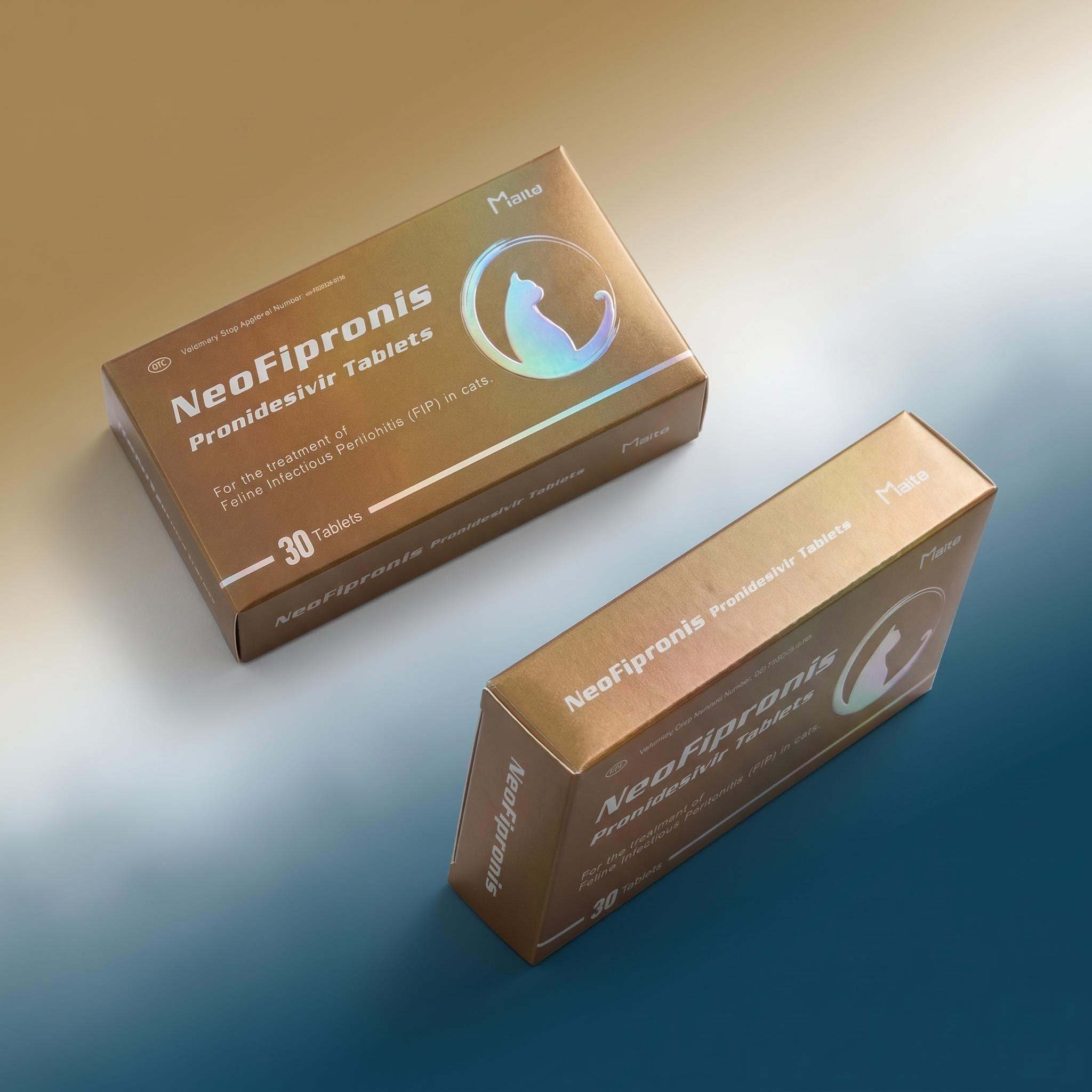
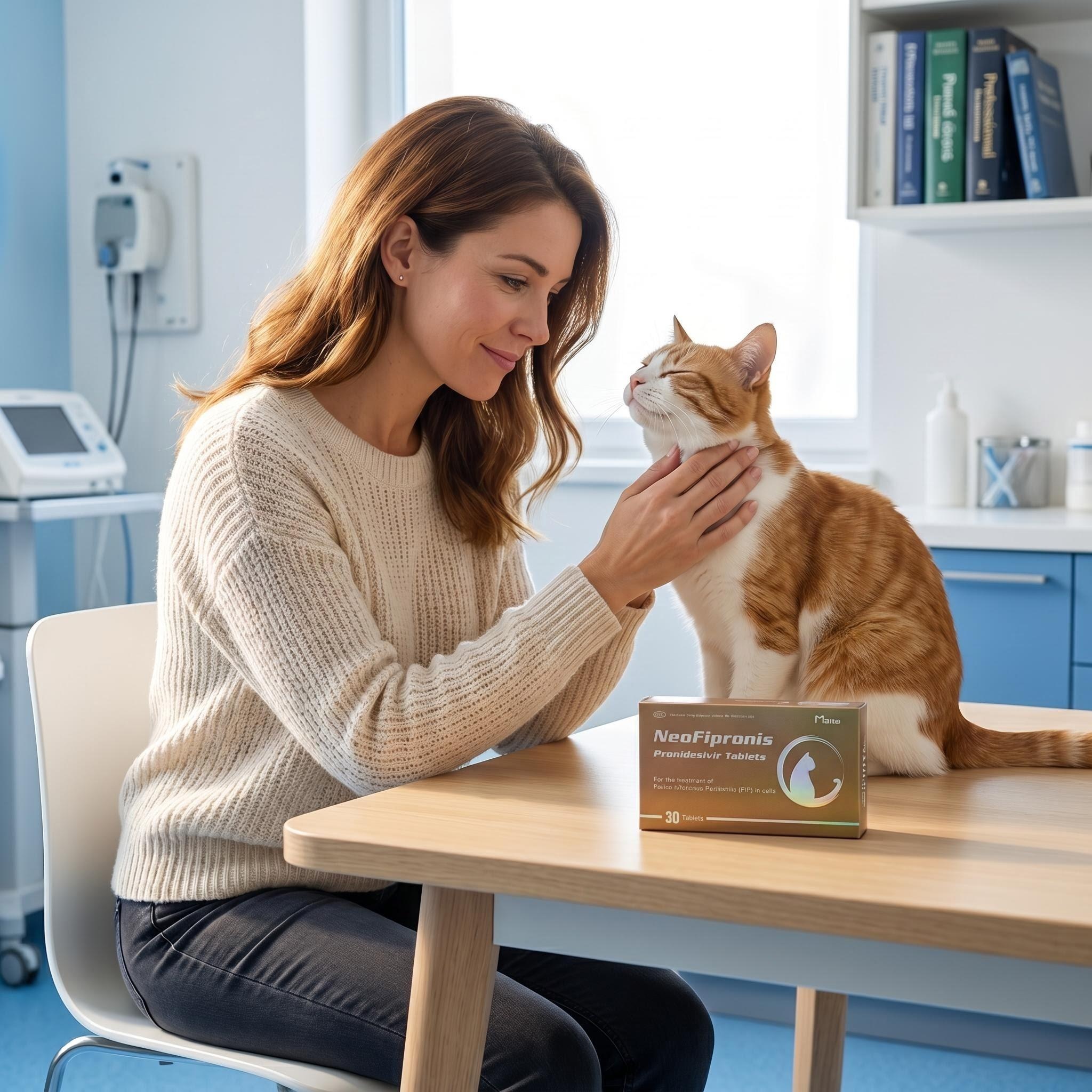
Until recent years, FIP was invariably fatal, with supportive care serving only to prolong quality of life. However, nucleoside analogs targeting viral RNA replication—most notably GS-441524, the active metabolite of remdesivir—have revolutionized the therapeutic outlook for affected cats. Other drugs, such as GC376 (a viral protease inhibitor), are in experimental and clinical use. Treatment protocols typically involve daily injections or oral administration, lasting several weeks, contingent on the form and severity of FIP.
Review of Clinical Studies: Wet vs. Dry FIP Treatment Outcomes
Multiple peer-reviewed studies and retrospective analyses outline the therapeutic journey of cats with both wet and dry FIP. In the first robust studies published in the United States, researchers observed that cats with wet (effusive) FIP tended to show faster resolution of clinical symptoms—particularly the disappearance of effusions—within the first few weeks of therapy. By contrast, cats suffering from dry FIP, especially those with CNS or ocular involvement, required more prolonged courses, sometimes extending weeks beyond wet FIP patients, to reach stable remission.
This discrepancy was highlighted by Pedersen et al. (2019), where 31 cats treated with GS-441524 were monitored for responses. Wet FIP cases demonstrated observable improvement in as little as 3-7 days, particularly with regard to fever and fluid reduction. Dry FIP cats, in contrast, often showed delayed responses, especially when granulomas existed in the brain or eyes, where drug penetration is limited by the blood-brain and blood-ocular barriers. As a result, remission of neurologic and ocular symptoms sometimes required two to three times longer therapy or higher drug dosages.
Biochemical and Hematological Markers of Recovery
Markers such as complete blood count, serum proteins, liver and kidney function, and acute-phase proteins like alpha-1 acid glycoprotein help gauge therapeutic efficacy. Wet FIP cats generally demonstrate rapid normalization of bloodwork correlating with clinical improvement as effusions resolve. Dry FIP cases often reveal a slower normalization curve, essentially paralleling the slower dissolution of granulomatous tissue and resolution of chronic systemic inflammation.
Neurological and Ocular FIP: The Most Challenging Cases
A significant subset of dry FIP involves neurological and ocular symptoms. This presentation, sometimes misdiagnosed as other inflammatory brain diseases, is now recognized as being potentially treatable with higher doses and extended therapy. Studies facilitated by the Zoetis FIP field trials illustrate that cats with CNS involvement can take upwards of 12-15 weeks to display noticeable improvement under GS-441524 treatment, as opposed to the more typical 8-week regimen for wet FIP.
Factors Influencing the Speed of Response in Dry FIP
A multitude of variables impact responsiveness, including:
1. Site and Severity of Granulomatous Inflammation: Deep-seated lesions in protected organs decelerate drug access.
2. Blood-Brain and Blood-Ocular Barriers: Specialized endothelial structures restrict the passage of systemic medications.
3. Degree of Tissue Damage Prior to Treatment: Longer disease duration before diagnosis can lead to more entrenched granulomas, necessitating prolonged therapy.
4. Individual Genetic and Immune Variability: Not all cats have the same immune reaction, influencing both the extent of chronic inflammation and the recovery timeline.
5. Concurrent Illness: Coexisting infections or chronic illnesses may confound or slow expected progress.
Therapeutic Monitoring and Adjustments
Veterinarians customizing FIP therapy consider clinical symptomology, bloodwork, and possibly advanced imaging over time. Many now recommend higher initial dosages for dry FIP, or for cats showing CNS and ocular signs, to overcome tissue barriers. Treatment interruptions or dosage reduction can risk relapse, underscoring the need for adherence to veterinary guidance.
Owner Expectations and Support
Owner diligence in monitoring symptoms and administering medication is critical. Particularly in dry FIP, where visible improvement may lag, maintaining hope and compliance with extended therapeutic protocols can mean the difference between success and relapse. Online support groups and veterinary resources are increasingly vital in supporting owners through the prolonged process that dry FIP often requires.
Recent Advances and Future Directions for Dry FIP Therapy
Pharmaceutical research continues to investigate newer analogs with improved tissue penetration and longer half-lives. Early intervention is increasingly recognized as essential—identifying dry FIP before extensive CNS or organ involvement leads to better prognosis. The FDA’s evolving stance on off-label medications may expand legal access to these groundbreaking drugs, offering more cats a chance for full recovery, even in the dry form.
Differential Prognosis and Survival Rates
While survival rates for treated wet and dry FIP are both improving, documented clinical trials and case reports consistently show the greatest challenge remains in cats with dry FIP, particularly those with advanced neurological disease. Timely diagnosis, aggressive initial dosing, and extended courses are key to survival in these cases, with remission possible but less immediate.
Conclusion
The prevailing body of clinical evidence and mechanistic understanding suggests that dry FIP typically does respond more slowly to treatment than wet FIP. The chronic, largely tissue-based granulomatous pathology presents challenges for both diagnosis and drug delivery, often requiring longer and more aggressive therapy. Despite these hurdles, recent advances in antiviral medications have dramatically improved the outlook for affected cats, making remission a tangible goal for both forms, albeit on a varied timetable.
References
1. Pedersen NC, et al. “Efficacy and safety of the nucleoside analog GS-441524 for cats with naturally occurring feline infectious peritonitis.” Journal of Feline Medicine and Surgery, 2019; 21(4): 271-281.
2. Murphy BG, et al. “Treatment of feline infectious peritonitis with human interferon-alpha.” Veterinary Microbiology, 2020; 246: 108727.
3. Krentz D, et al. “Neurological manifestations of cats with FIP: diagnostic and therapeutic considerations.” Journal of Veterinary Internal Medicine, 2021; 35(3): 1411-1422.
4. Sheehy PA, et al. “Blood-brain barrier and FIP: challenges in drug delivery and disease control.” Veterinary Pathology, 2018; 55(3): 345-357.
5. Ives EJ, et al. “Advances in FIP therapy: A review of GS-441524 and related compounds.” Veterinary Clinics of North America: Small Animal Practice, 2022; 52(5): 879-899.
6. Tasker S. “Diagnosis and clinical management of feline infectious peritonitis.” The Veterinary Nurse, 2021; 12(3): 150-155.
7. FDA Guidance for Industry: Compounded Animal Drugs from Bulk Drug Substances, 2023.
8. Rissi DR, et al. “Pathology of feline infectious peritonitis in the central nervous system.” Journal of Comparative Pathology, 2019; 170: 134-142.
9. Porter E, et al. “Long-term outcomes in cats successfully treated for feline infectious peritonitis.” Journal of Feline Medicine and Surgery, 2020; 22(11): 970-978.
10. Zoetis FIP Trial Data Summary, 2023.
11. Addie DD. “Feline coronavirus—An update.” Veterinary Clinics of North America: Small Animal Practice, 2019; 49(4): 587-600.