Are Pale Gums a Sign of FIP
Feline Infectious Peritonitis (FIP) is a fatal feline disorder caused by a mutation of feline coronavirus. Clinical signs can be subtle and easily missed. One physical change that pet owners and veterinarians may notice is the pallor of the gums, but this symptom can be caused by a range of illnesses. This article explores whether pale gums are indicative of FIP and how this finding should be interpreted in a clinical setting.
Understanding FIP: Etiology and Pathogenesis
FIP arises from mutations in the feline enteric coronavirus, transforming it from a harmless virus into a highly pathogenic organism. This mutated virus infects white blood cells, allowing it to spread throughout the body and incite a severe, often fatal, immune response. FIP typically occurs in young cats or those living in multi-cat environments where viral transmission is prevalent. FIP presents itself in two classic forms: the "wet" (effusive) and "dry" (non-effusive). Wet FIP leads to fluid accumulation in body cavities, while dry FIP results in granulomatous lesions across various organs. Clinical signs are diverse, making diagnosis a challenge.
Common Clinical Signs of FIP
Cats with FIP often show non-specific signs such as lethargy, weight loss, fever unresponsive to antibiotics, and reduced appetite. In wet FIP, fluid in the abdomen or chest leads to visible distension or breathing difficulty. Dry FIP can cause neurological symptoms, ocular changes, and organ dysfunction. Veterinarians recognize the importance of subtle clues, such as mucous membrane color, for initial screening.
Gum Color as a Diagnostic Indicator in Cats
Healthy feline gums are typically pink, signifying adequate oxygen for cells. Mucous membrane assessment is a critical part of the feline physical examination. Pale gums may mean anemia, shock, poor peripheral perfusion, or severe disease. Veterinarians often check this marker as part of the “capillary refill time” and overall assessment of a cat’s health.
Differential Diagnosis for Pale Gums in Cats
Pale gums have a broad differential, including:
Anemia: Commonly resulting from blood loss, hemolysis, chronic disease, or nutritional deficiencies.
Shock: Vasoconstriction during hypotensive events restricts blood flow and oxygen delivery, causing pallor.
Heart Disease: Poor cardiac output hampers tissue oxygenation and results in pale mucous membranes.
Chronic Renal Disease: Reduced erythropoietin leads to anemia and pale gums.
FIP: Both forms, especially wet FIP, can produce anemia due to systemic inflammation or, occasionally, internal bleeding.
Is Pale Gum Color Specific to FIP?
No. While pale gums are a potentially ominous sign in cats, they are nonspecific for FIP. Any severe, chronic illness can lead to anemia and thus pale gum color. In FIP cases, pale gums may reflect underlying anemia resulting from bone marrow suppression, chronic inflammation, or bleeding into body cavities. However, this is not a defining feature of the disease. Owners who notice pale gums should not jump to the conclusion of FIP, but instead seek veterinary assessment to determine the underlying cause.
The Relationship Between FIP and Anemia
Systemically, cats with FIP often develop anemia of chronic disease. The persistent viral and immune-mediated assault dulls the bone marrow’s erythropoietin response, reducing red blood cell production. In some cases, FIP can cause internal bleeding due to vasculitis. A cat with wet FIP may accumulate blood-tinged fluid in the abdomen, further amplifying anemia.
Clinical Case Example: Pale Gums in a Cat Suspected of FIP
Consider a young shelter cat presenting with chronic fever, weight loss, and pale gums. While these signs raise suspicion for FIP, they might also point to other causes such as chronic kidney disease, leukemia, or immune-mediated hemolytic anemia. Veterinary professionals perform CBC (complete blood count), serum biochemistry, and FCoV antibody titers. In FIP, you might see non-regenerative anemia, elevated globulins, and high antibody titers. Advanced diagnostics, such as PCR or tissue biopsy, may be needed for confirmation.
How Veterinarians Interpret Pale Gums when Assessing for FIP
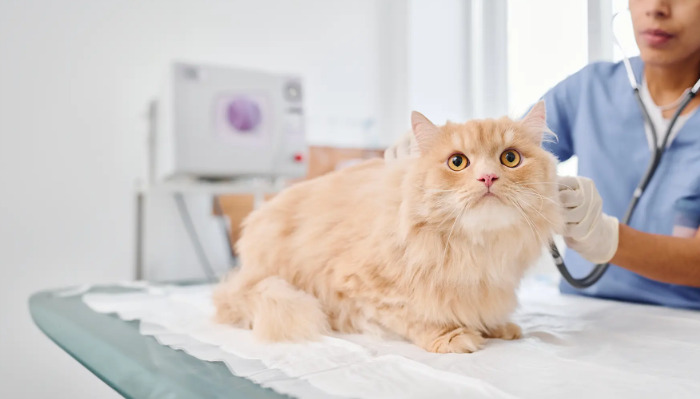
During the initial examination, the veterinary team looks for additional findings: persistent high fever, abdominal distension, neurological signs, and ocular changes. Pale gums, in this context, are considered alongside other evidence and may prompt more specific testing for anemia (PCV, reticulocyte count, blood smear). If FIP is suspected, specific diagnostic steps include evaluating effusion samples, serum protein levels, and FIP e.g., FCoV-specific antibody titers, PCR for feline coronavirus, and imaging studies.
Other Signs More Closely Tied to FIP
Certain findings are more strongly associated with FIP:
Abdominal fluid with high protein content (in wet FIP)
Persistent fever unresponsive to antibiotics
Neurological or ocular symptoms (in dry FIP)
Lymphadenopathy
Weight loss and muscle wasting
Pale gums, therefore, are a minor sign compared to these characteristic symptoms.
The Role of Blood Tests and Lab Work
Bloodwork is vital in clarifying the cause of pale gums. In FIP cases, veterinarians may see anemia, elevated total protein (especially globulins), low albumin-to-globulin ratios, and mild to severe leukocytosis. The pattern of findings, coupled with physical exam data, helps identify FIP among several potential causes of pale gums. Diagnostic accuracy greatly increases with combined laboratory evidence.
Other Infectious Diseases That Cause Pale Gums
In addition to FIP, feline leukemia virus (FeLV), feline immunodeficiency virus (FIV), and hemotropic mycoplasma infections can produce anemia and consequently pale gums. Each has unique diagnostic markers best established via blood tests. Non-infectious causes such as neoplasia or chronic kidney disease also warrant consideration.
Home Observations for Pet Owners
Cat owners noticing pale gums should be alert but not alarmed. Monitoring for other signs—such as lethargy, breathing difficulty, hind limb weakness, or abdominal swelling—is crucial. Documentation of these symptoms, and prompt veterinary evaluation, aids rapid and effective diagnosis. While pale gums might be one piece of the puzzle, it’s insufficient alone to diagnose FIP.
The Importance of Veterinary Evaluation
Only a veterinarian can distinguish among the causes of pale gums in cats. Physical examination, laboratory testing, and imaging studies are necessary to identify the disease process. Owners should never attempt to diagnose or treat pale gums or anemia without professional help.
Treatment Implications
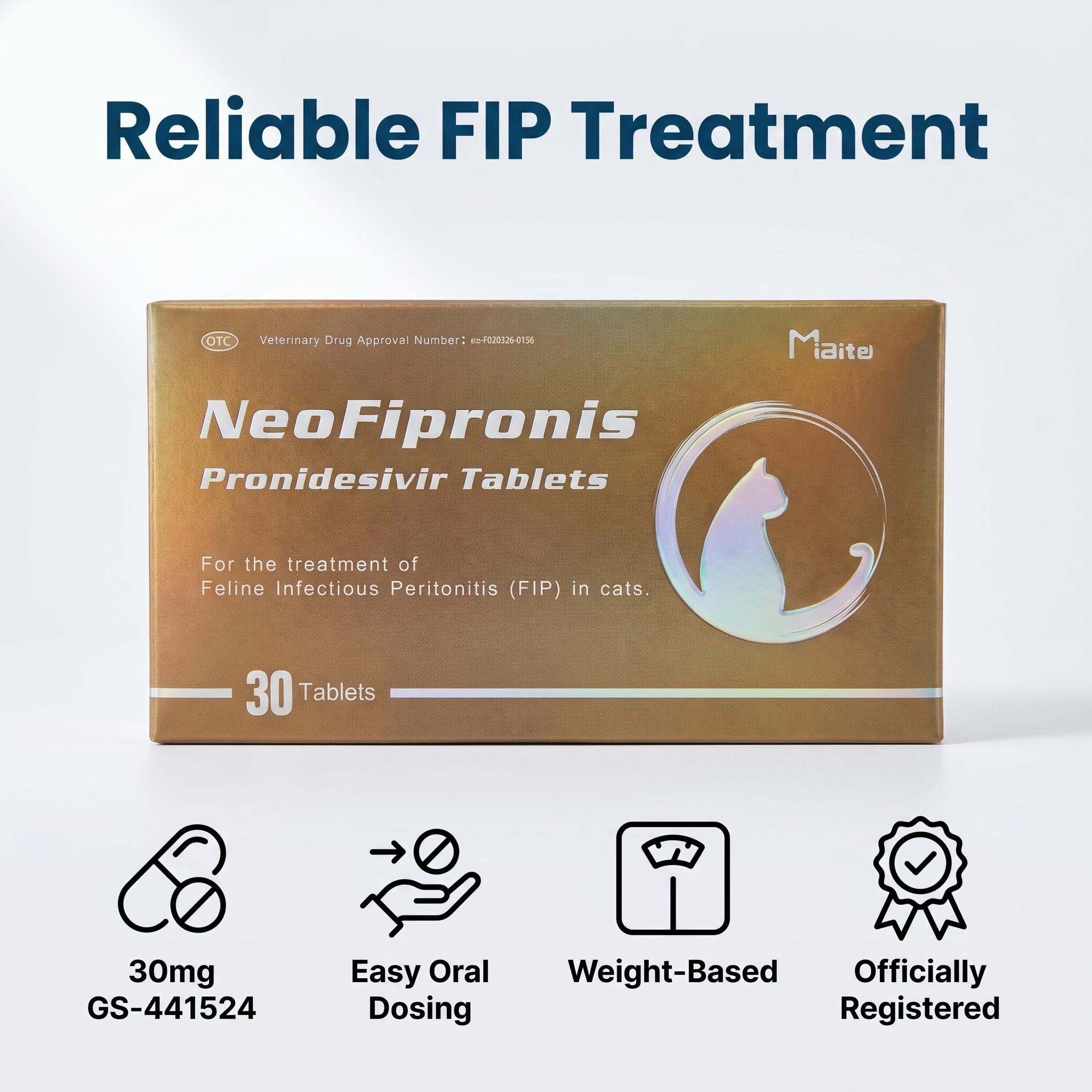
If FIP is confirmed, recent advances in FIP therapy—such as antiviral agents (GS-441524, remdesivir)—have changed the once-uniformly fatal prognosis. Supportive care, nutrition, and management of anemia can help stabilize affected cats. For non-FIP causes, addressing underlying disease such as kidney failure or blood loss is critical.
Prevention and Management of FIP
Prevention strategies focus on minimizing feline coronavirus transmission in multi-cat environments. Good hygiene, prompt isolation of symptomatic cats, and regular veterinary care are essential. Routine examination of mucous membrane color and general health checks can lead to earlier intervention before disease becomes severe.
Conclusion
While pale gums may be observed in cats with FIP, they must not be considered diagnostic. This symptom is a general sign of ill health and requires careful assessment. The totality of clinical, laboratory, and historical information is needed to arrive at an accurate diagnosis and begin appropriate treatment or management.
References
1. Pedersen, N. C. (2009). A review of feline infectious peritonitis virus infection: 1963-2008. Journal of Feline Medicine and Surgery, 11(4), 225-258.
2. Addie, D.D., et al. (2020). Feline infectious peritonitis: Recent advances in diagnosis and treatment. Veterinary Clinics: Small Animal Practice, 50(5), 1051-1065.
3. Hartmann, K. (2005). Feline infectious peritonitis. Veterinary Clinics of North America: Small Animal Practice, 35(1), 39-79.
4. Dempsey, S.M., Ewing, P.J. (2011). Primer on feline infectious peritonitis. The Veterinary Clinics of North America: Small Animal Practice, 41(1), 1-20.
5. Rissi, D.R. (2018). A retrospective study of the pathology and clinical features of FIP in cats. Journal of Veterinary Diagnostic Investigation, 30(3), 391-397.
6. European Advisory Board on Cat Diseases (ABCD). (2023). Feline infectious peritonitis guidelines.
7. Little, S. (2012). The Cat: Clinical Medicine and Management. Saunders Elsevier, p. 350-355.
8. Sparkes, A.H., et al. (2016). ISFM consensus guidelines on the management of anaemia in cats. Journal of Feline Medicine and Surgery, 18(3), 211-221.
9. Levy, J. K., et al. (2020). FIP: Diagnosis, management, and new therapies. Winn Feline Foundation Symposium Proceedings.
10. Meli, M. L., et al. (2004). Feline coronavirus in multicat environments. Veterinary Microbiology, 98(1), 37-44.