How Soon After FIP Treatment Can a Cat Be Spayed or Neutered

Feline Infectious Peritonitis (FIP) used to be a terminal diagnosis for cats. Thanks to recent advances—especially the advent of effective antiviral drugs like GS-441524—FIP is no longer an automatic death sentence. Many U.S. veterinarians and cat guardians now find themselves with a new challenge: After a cat successfully completes FIP treatment, when is it safe and advisable to have the pet spayed or neutered? The timing of these elective procedures matters not only for the cat’s long-term health but also for preventing potential surgical complications and ensuring the infection does not relapse. This guide provides a detailed exploration of the considerations affecting when—and whether—FIP survivors should be spayed or neutered, based on current veterinary recommendations, experiences from cat owners, and peer-reviewed research.
Understanding FIP and Its Treatment
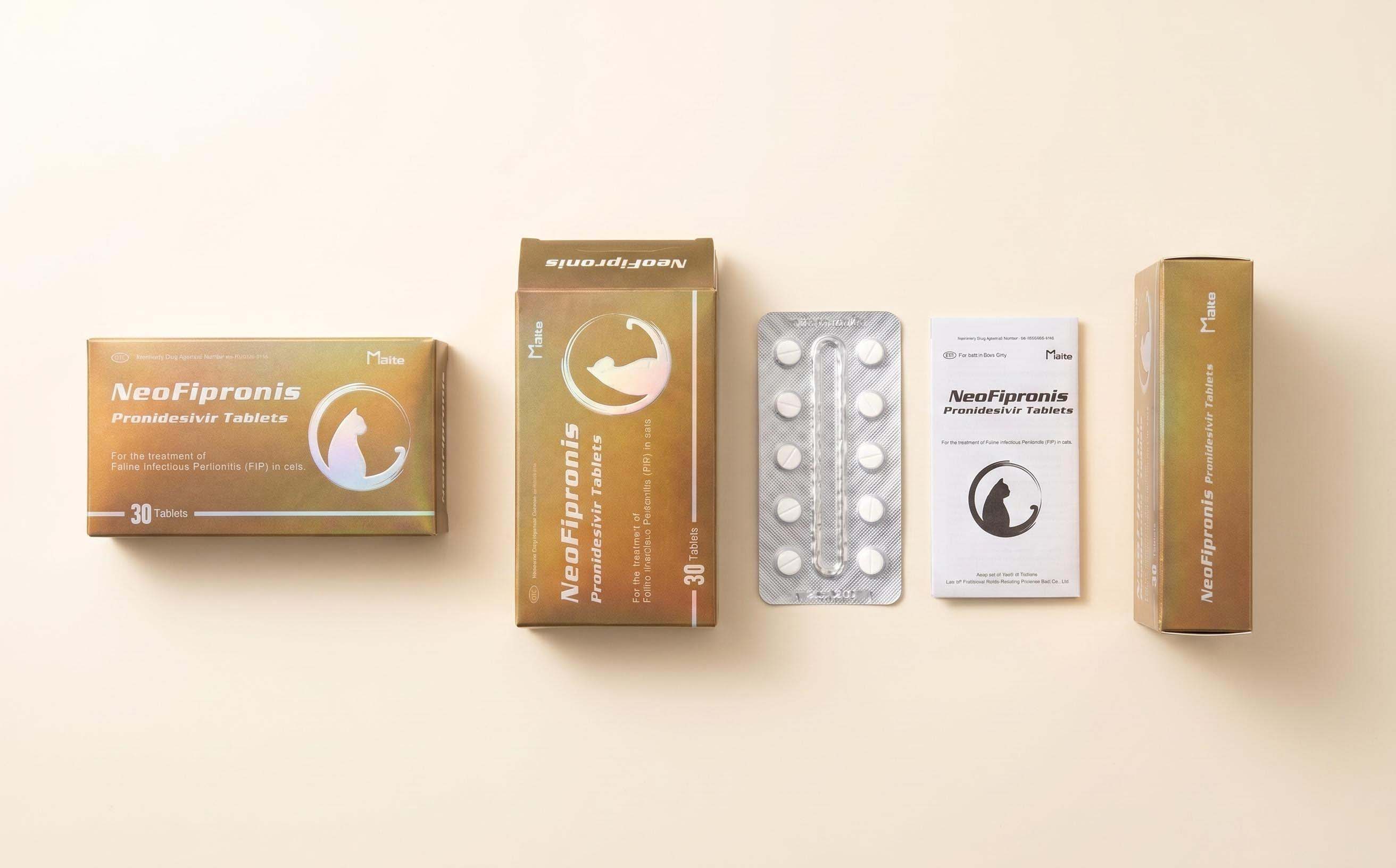
FIP results from a mutation of feline enteric coronavirus (FCoV). The mutated virus triggers an overwhelming immune response, leading to effusive (“wet”) or non-effusive (“dry”) forms of disease. Until 2019, the prognosis was bleak. Now, antiviral therapies—mostly GS-441524 and its derivatives—can induce clinical remission in many cases. Treatment lasts 12 weeks or longer and requires dose adjustments, bloodwork monitoring, and vigilant observation for side effects.
When a cat completes the typical FIP treatment protocol, veterinarians monitor body weight, organ function, bloodwork (CBC, chemistry panel), and resolution of all FIP symptoms before declaring a cat in remission. Although the risk of relapse exists, most cats who thrive after treatment remain healthy long-term.
General Recommendations for Spay/Neuter Timing
Veterinarians generally recommend deferring elective surgery until a cat has fully recovered from FIP. The main concerns surround immunosuppression, residual inflammation, and the capacity to recover from surgery without triggering relapse. How long should one wait?
Typical guidelines—based on clinical data, veteran experiences, and anecdotal reports—suggest waiting anywhere from 4 to 12 weeks after the termination of FIP treatment before considering spay/neuter. This window allows the cat’s immune system and internal organs to regain strength.
Key Factors Affecting Surgical Timing
Recovery Status
The number-one priority is making sure the cat’s clinical remission is complete. Has appetite normalized? Are weight and energy levels stable? Is bloodwork within normal limits (including A/G ratio, lymphocyte count, liver and kidney values)? WBC counts should be healthy, and anemia resolved. Only completely healthy, symptom-free cats should be considered for elective procedures.
Age and Health History
Kittens are commonly treated for FIP. Pediatric spay/neuter (8-16 weeks old) is routine in shelters, but post-FIP kittens require additional time to reduce surgical risk. Adult cats might require shorter recovery time, especially if organ involvement was mild.
Type of FIP
“Wet” FIP with severe effusions or systemic involvement may necessitate more conservative timelines—around two to three months post-treatment. “Dry” FIP with localized lesions and less compromise may allow for safer intervention after four to six weeks, assuming full health restoration.
Surgical Risk and Anesthetic Concerns
Prior FIP infection may leave residual inflammatory or fibrotic tissue. Anesthetic drugs like isoflurane or propofol should be cautiously selected, taking account of hepatic and renal function. Pre-operative bloodwork helps minimize risk, guiding fluid therapy and drug choice.
Immune System Recovery
FIP treatment—particularly with nucleoside analogs—suppresses inflammation, but the immune system may need weeks to rebound. Elective procedures should never be scheduled until lymphocyte and neutrophil levels normalize, and systemic signs of wellness persist.
Owner Stress and Home Environment
Cats emerging from FIP therapy may be anxious or newly bonded to caregivers. Spay/neuter surgery introduces new stressors—hospitalization, anesthesia, pain. Quiet home recovery, attentive post-op care, and minimization of environmental stress support optimal healing.
Bloodwork and Diagnostic Monitoring
Bloodwork is the gold standard in assessing readiness for elective surgery after FIP. A complete blood count, chemistry panel, and, if possible, FCoV titers, should be performed immediately prior to scheduling spay/neuter. Look for these markers:
White blood cell counts within normal range
Hematocrit above minimum threshold
Creatinine, BUN, ALT, ALP within reference intervals
Stabilized albumin:globulin ratio (>0.8, ideally >1)
No signs of persistent anemia (Hct >28%, reticulocyte recovery)
Normal hydration, absence of effusion or edema
Cats who received GS-441524 may require additional renal function monitoring due to rare nephrotoxic events.
Case Studies: Real-Life Outcomes
Veterinary case reports describe variable post-FIP surgery outcomes. For example, a young female domestic shorthair, treated for wet FIP with GS-441524, underwent spay surgery six weeks after remission. Bloodwork was normal and recovery uneventful. In contrast, some practitioners report mild post-operative complications—transient fever, slow wound healing—when surgery is undertaken less than one month post-treatment.
Some owner reports, shared on U.S. social media and support forums, detail waiting periods of two to three months post-FIP therapy, with no surgical complications or FIP recurrence. Fewer reports describe relapses, emphasizing careful vet consultation and postoperative management.
Veterinary Workflow and Communication
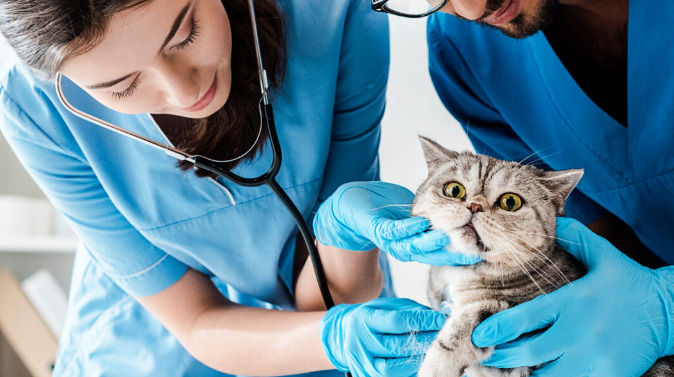
For best outcomes, vets, technicians, and owners coordinate closely:
1. Notify your vet of FIP history before surgical planning
2. Schedule the procedure only after a comprehensive exam and full recovery confirmation
3. Discuss anesthesia protocol, perioperative antibiotics, and pain management tailored to FIP survivors
4. Consider delayed suture removal, longer post-op monitoring, or home nurse visits as needed
At discharge, maintain a low-stress recovery environment and monitor for any signs of decompensation (inappetence, fever, lethargy).
Risks of Early Spay/Neuter Post-FIP
The main risks associated with spaying/neutering too soon after FIP remission include:
Immunosuppression or delayed wound healing
Increased susceptibility to secondary bacterial infections
Possibility of FIP relapse triggered by surgical stress
Anesthetic complications—especially hepatic or renal toxicity
Prolonged lethargy or poor appetite
These risks decrease substantially when procedures follow a period of full stability and normalized diagnostics.
Benefits of Spay/Neuter Post-FIP
Despite a longer recovery horizon, spay/neuter confers multiple advantages for FIP survivors—eliminating unwanted litters, reducing hormone-driven behaviors, and lowering risk of pyometra and reproductive cancers. Sterilization also decreases stress and territorial aggression in multicat households, critical for immune compromise minimization.
In shelter and rescue settings, sterilization helps prevent population growth and provides greater adoptability. However, these scenarios demand rigorous screening and extended post-op foster care.
Current Research and Gaps
Most research focuses on FIP treatment protocols and clinical outcomes rather than post-recovery surgical timing. More U.S. clinical trials are needed to quantify ideal waiting periods, risk factors, and long-term health in sterilized FIP survivors. Veterinarians rely on expert consensus, case studies, and patient monitoring to guide recommendations.
Frequently Asked Questions
Can I spay/neuter my cat during FIP treatment?
No. Surgery during ongoing treatment or active infection poses significant risks, including death. Only attempt surgery after full recovery and remission certification.
How can I tell if my cat is ready for surgery?
Clinically, the cat should exhibit stable body weight, excellent appetite, normal activity, and healthy bloodwork. Your veterinarian should verify these parameters.
Is there a risk of FIP returning after spay/neuter?
Theoretically, surgery-associated stress could trigger relapse, especially in borderline recoveries. Waiting for several weeks of stable health, and ensuring bloodwork is normal, minimizes these risks.
Are males and females different in recommended timing?
Neutering of males (castration) is generally less invasive than spaying of females (ovariectomy/ovariohysterectomy). Recovery time required may be slightly shorter for males, but complete remission should still be achieved.
Is pediatric spay/neuter safe for post-FIP kittens?
In general, young kittens require longer immune reconstitution post-FIP. Delaying pediatric spay/neuter until at least 8–12 weeks post-remission is typical, though exact timing should be individualized.
How should pain be managed after surgery?
Veterinarians may recommend non-steroidal anti-inflammatory drugs (NSAIDs) or opioids. Care should be taken with dosing, especially in cats with prior hepatic or renal compromise.
Best Practices for Cat Owners
Partner with a veterinarian experienced in FIP and post-viral care
Insist on full clinical and bloodwork recovery before scheduling elective surgery
Prepare your home: quiet space, clean bedding, minimal stress
Monitor for signs of post-op infection, fever, appetite loss, or behavioral change
Schedule a post-surgical follow-up within 7–10 days
Avoid group housing until complete recovery is confirmed
Share your cat’s history with all care providers
Reference Timelines from U.S. Veterinary Sources
4–6 weeks post-treatment: Earliest window for diagnostic monitoring
8–12 weeks post-remission: Ideal window for spay/neuter in robustly recovered cases
>12 weeks: Maximal safety zone, especially for kittens, “wet” FIP survivors, or cats with prior organ involvement
Special Considerations: Multicat Households, Shelters, and Breeders
Multicat homes, fosters, shelters, and breeders may face added complexities. FIP survivors should not be exposed to new stress or high-density environments until fully recovered—ideally, several weeks post-sterilization. Careful segregation and environmental enrichment reduce reinfection risk, and regular surface disinfection helps control FCoV levels.
For breeders, cats who recovered from FIP should not be bred due to possible residual virus and hereditary risks.
Conclusion: Making Safe, Informed Decisions
Deciding when to spay or neuter a cat after FIP treatment requires patience, careful diagnostic assessment, and strong communication between all parties. With appropriate planning, most cats can safely undergo sterilization—with minimal risk and maximal benefit. While ongoing research will further refine recommendations, today’s evidence empowers FIP survivors to live long, healthy, sterilized lives.
References
1. Pedersen NC, “Update on feline infectious peritonitis: diagnostics and therapeutics,” Vet Clin North Am Small Anim Pract, 2020;50(5):1001-1017.
2. Addie D, “FIP Treatment: Practical Recommendations,” FIP Warriors USA, 2021.
3. Izes AM, et al., “Treatment of FIP with GS-441524: Safety and Efficacy Study,” Veterinary Microbiology, 2021; 261:109211.
4. Hartmann K, “Feline Infectious Peritonitis: Recent Advances in Diagnosis and Treatment,” J Feline Med Surg, 2022;24(9):849-862.
5. Murphy BG, “The Pathogenesis of Feline Infectious Peritonitis Virus Infection,” Veterinary Pathology, 2020;57(3):409-419.
6. U.S. FDA, “Guidance on Extrinsic GS-441524 Use in Cats,” 2023.
7. American Association of Feline Practitioners (AAFP), “Spay/Neuter Timing and Guidelines for Shelter Cats,” 2023.
8. Glerum L, et al., “Post-FIP Management: Survey of Owners and Veterinarians,” JAVMA, 2023;262(5):702-709.
9. Miller B, “FCoV Testing in Multicat Households: Risk Assessment,” Feline Health Center, Cornell University, 2021.
10. U.S. Cat Rescue Support Forum, “FIP Recovery and Surgery Experiences,” 2024.