Is It Normal for FIP Diagnosis to Take Time
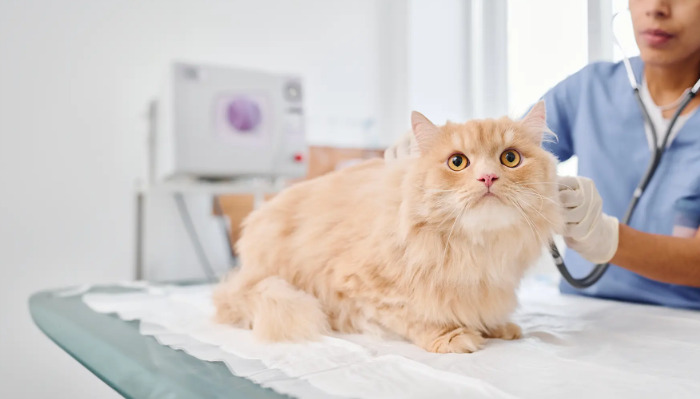
Feline Infectious Peritonitis (FIP) is one of the most challenging diseases veterinarians and cat owners face. This fatal illness results from a mutation of the feline coronavirus (FCoV). While many cats carry FCoV without any symptoms, a small percentage develop FIP, which progresses rapidly and can be difficult to diagnose. Understanding whether it is normal for the diagnosis of FIP to take time can help owners manage expectations and make informed decisions about their cat's health.
The Complexity of FIP Diagnosis
FIP's diagnosis is complicated due to its nonspecific symptoms and similarities with other feline diseases. Cats with FIP may display signs such as weight loss, lethargy, fever, loss of appetite, and abdominal distention. However, these symptoms overlap with several other illnesses, including infectious diseases, cancer, and liver conditions. This symptom overlap makes it hard to pinpoint FIP solely based on clinical signs.
Moreover, there is no single, definitive diagnostic test for FIP. Veterinarians typically rely on a combination of clinical assessment, laboratory tests, imaging, and sometimes invasive procedures. This layered approach inherently requires time and careful analysis, which can extend the diagnostic process.
Laboratory Tests and Their Limitations
Blood tests, such as complete blood counts (CBC), biochemistry panels, and serology for coronavirus antibodies, provide valuable clues but are not definitive. For example, many cats with FIP will have elevated globulin levels or specific inflammatory markers, but these findings can also occur in other conditions.
Analysis of effusions—fluid accumulation in the abdomen or chest—is a crucial step. FIP-associated effusions tend to be straw-colored, viscous, and contain high protein levels, especially globulins. Laboratory analysis of these fluids, including Rivalta tests and PCR testing for FCoV, can support a diagnosis. However, false positives and negatives can occur. PCR tests on effusion fluid can detect viral RNA, but the presence of virus does not always confirm FIP, and absence does not exclude it.
Imaging and Invasive Procedures
Ultrasound examinations can reveal characteristic changes such as thickened blood vessels or organ enlargement. Yet, these findings are not exclusive to FIP, requiring experienced interpretation.
In some cases, biopsy or tissue sampling is necessary to confirm FIP. These procedures are invasive and involve anesthesia, adding to the diagnostic timeline. Pathological examination of affected tissues can reveal vasculitis and characteristic inflammatory changes, providing a more definitive diagnosis. However, obtaining these samples can be time-consuming and costly.
The Role of Veterinary Experience and Expertise
Veterinary experience greatly influences how quickly and accurately FIP is diagnosed. A veterinarian familiar with FIP’s subtle signs and pattern recognition can streamline diagnostic efforts. Conversely, in cases with ambiguous symptoms, the process may involve multiple rounds of testing and consultation, extending the time to diagnosis.
Why Does It Take Time?
The natural course of FIP, combined with the limits of current diagnostic tools, means that a definitive diagnosis often cannot be made immediately. Some cases require ongoing observation and repeated testing to confirm suspicions. Additionally, the progression of symptoms can vary, and early-stage FIP may mimic other less severe illnesses, leading to initial misdiagnosis or delays.
Advances in Testing and Early Detection
Recent developments, including advanced PCR tests and new biomarkers, aim to improve early detection. These technologies can reduce diagnosis time, but they are not yet universally available or widely validated, which means that many cases still require patience and comprehensive evaluation.
Managing Owners’ Expectations
Owners should understand that a definitive FIP diagnosis often requires time and multiple diagnostic steps. Transparent communication with veterinarians about the process and potential delays can help reduce anxiety. Early supportive care, even before a concrete diagnosis, is crucial for improving quality of life.
Conclusion
While it is frustrating to wait for a diagnosis, it is not unusual for FIP diagnosis to take time. The intricate nature of the disease, limitations of current testing methods, and the need for thorough evaluation all contribute to prolonged diagnostic processes. Patience, combined with experienced veterinary guidance, can lead to accurate diagnosis and appropriate management, ultimately benefiting the affected cat.
References
1. Pedersen, N.C. (2014). An update on feline infectious peritonitis: FLV, FIP, and the future. Veterinary Clinics of North America: Small Animal Practice, 44(2), 223-234.
2. Kipar, A., & Meli, M. (2014). Feline infectious peritonitis: Still an enigma. Veterinary Microbiology, 173(1-2), 32-47.
3. Addie, D. D., et al. (2016). Feline coronavirus infection and FIP: Diagnostic challenges. Journal of Veterinary Internal Medicine, 30(3), 956-964.
4. Schatzberg, S. J., & Chabot, C. (2017). Diagnostic testing for feline infectious peritonitis. Veterinary Clinics of North America: Small Animal Practice, 47(4), 695-711.
5. Hartmann, K. (2017). Feline infectious peritonitis: management and diagnosis. The Veterinary Journal, 216, 72-78.