Are Follow-Up Exams Necessary During FIP Treatment

Feline Infectious Peritonitis (FIP) is a serious and often fatal disease in cats caused by certain strains of the feline coronavirus (FCoV). Despite advances in understanding the disease, its management remains complex. One significant aspect of treatment involves whether follow-up exams are necessary during therapy. This question holds importance for veterinarians and cat owners aiming to optimize care and improve outcomes.
Understanding FIP and Its Treatment
FIP manifests in two primary forms: wet (effusive) and dry (non-effusive). The wet form leads to fluid accumulation within body cavities, while the dry form involves granulomatous lesions in various organs. Historically, FIP was considered almost uniformly fatal, with supportive care as the mainstay. Recently, antiviral drugs, such as nucleoside analogs, have shown promise, transforming the landscape of treatment.
The importance of follow-up exams begins with the complex nature of FIP. The disease’s progression is unpredictable, and clinical signs can fluctuate. Additionally, antiviral treatments can have side effects or interactions worth monitoring. Therefore, regular assessment is essential to evaluate the response to therapy, detect any adverse events, and adjust treatment plans accordingly.
Benefits of Follow-Up Exams
1. Monitoring Disease Progression
FIP can sometimes stabilize or even regress under treatment, especially with emerging antiviral therapies. Follow-up exams enable veterinarians to observe clinical signs, conduct physical examinations, and assess overall health. Early identification of worsening signs, such as weight loss, jaundice, or abdominal distension, allows for timely intervention.
2. Assessing Treatment Response
Serial examinations help determine whether the antiviral agents are effective. Hematology, biochemistry, and imaging tests during follow-up visits provide objective data on organ function and disease activity. For example, a reduction in abdominal fluid or granuloma size can signal treatment success.
3. Detecting Side Effects and Complications
Antiviral drugs like GS-441524 can cause side effects, such as gastrointestinal upset or elevated liver enzymes. Regular blood work and physical checks can detect these issues early, permitting dose adjustments or supportive measures. Moreover, secondary infections or other health issues might arise during treatment, necessitating ongoing monitoring.
4. Providing Owner Reassurance
Routine follow-up offers an opportunity for veterinarians to communicate with owners about their cat's progress. This reassures owners and fosters adherence to treatment protocols, which is critical given the prolonged nature of FIP therapy.
Frequency and Scope of Follow-Up Exams
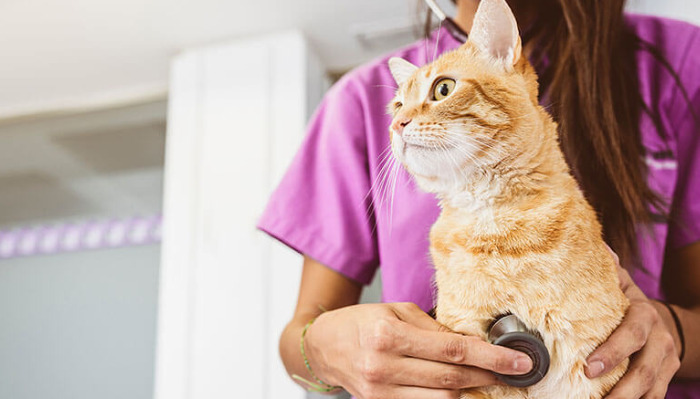
The frequency of follow-up examinations varies based on the individual case, severity of the disease, and treatment protocol. Initially, more frequent visits—such as weekly or biweekly—are advisable during the first month. As the cat stabilizes, visits can be spaced out to monthly intervals.
Examinations typically include a physical assessment, blood tests, imaging (ultrasound or radiography), and sometimes fluid analysis if effusions are present. Owners should be educated on signs warranting urgent veterinary attention, such as sudden deterioration or new symptoms.
Challenges and Considerations
While follow-up exams are beneficial, logistical and financial constraints can pose barriers. Some owners might find frequent visits challenging. In such cases, veterinarians should balance thorough monitoring with practical considerations, possibly incorporating remote consultations or at-home monitoring techniques when appropriate.
Furthermore, given the current limitations in FIP diagnostics and the variability in treatment responses, veterinarians must interpret follow-up results cautiously. Not all improvements are apparent immediately, and some cats may require extended treatment durations.
Conclusion
Follow-up examinations during FIP treatment are a cornerstone of effective management. They allow for ongoing assessment of the disease course, treatment efficacy, and identification of adverse effects. Through tailored follow-up schedules, veterinarians can optimize therapeutic outcomes and support owners throughout this challenging journey. While individual circumstances may influence the frequency and extent of exams, their overall value remains paramount in managing FIP.
References
1. Pedersen, N. C., et al. (2016). Feline Infectious Peritonitis. Veterinary Clinics of North America: Small Animal Practice, 46(4), 633-651.
2. National Research Council. (2018). Feline Infectious Peritonitis: Pathogenesis and Treatment. Washington, D.C.: The National Academies Press.
3. Pedersen, N. C., & Liu, H. (2019). Antiviral Treatment of FIP. Journal of Feline Medicine and Surgery, 21(12), 1125-1134.
4. Chang, H. (2020). Monitoring FIP with Laboratory and Imaging Techniques. Veterinary Internal Medicine, 34(3), 857-862.
5. Addie, D. D., & Jarrett, O. (2017). Feline Coronavirus Infection and FIP. The Veterinary Journal, 221, 19-27.