Should Cat Owners Always Be Worried About FIP
Feline Infectious Peritonitis (FIP) is recognized as one of the most complex, heartbreaking diseases in veterinary medicine. For cat owners, hearing about FIP—whether via a veterinarian, an online discussion group, or social media—can spark immediate concern, often causing confusion and fear. However, understanding what FIP truly is, how it arises, its risk factors, possible prevention methods, and available treatments are crucial for separating fact from fiction. Should cat owners always be worried about FIP? This comprehensive analysis explores the nature of FIP, its realities, and what steps responsible pet owners can take to protect their feline companions.
What Is FIP?
Feline Infectious Peritonitis is a viral disease caused by a specific type of coronavirus, the feline coronavirus (FCoV). Most feline coronaviruses cause mild symptoms or none at all; however, in a small percentage of cats, the virus mutates internally, triggering FIP—a severe and typically fatal systemic disease. There are two clinical forms: “wet” (effusive) and “dry” (non-effusive) FIP. The wet form involves the accumulation of fluid in body cavities (abdomen or chest), while the dry form primarily affects organs without fluid buildup, making diagnosis even more challenging.
Feline Coronavirus vs. FIP: Making the Distinction
Many cats are exposed to feline coronavirus, especially in multi-cat households or shelters. Typically, these infections pass without incident—manifesting only as mild intestinal disturbances or no symptoms at all. The leap from benign carrier status to active FIP is rare, with an estimated 5–10% of cats exposed to coronavirus ever developing FIP, and the transformation is typically triggered by a combination of mutation, genetic predisposition, and immune factors.
Risk Factors: When Should Owners Really Worry?
Certain cats are statistically more likely to develop FIP:
Age: FIP tends to strike kittens and younger cats under two years old, although older cats can be affected.
Environment: Cats living in shelters, catteries, or multi-cat households are at increased risk, mainly due to higher rates of feline coronavirus transmission via shared litter boxes and close contact.
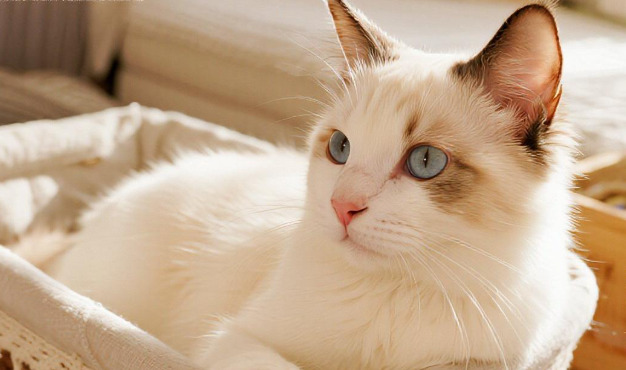
Breed and Genetics: Purebred cats (such as Bengals, Ragdolls, and other fancy breeds) are overrepresented in FIP cases, suggesting genetic susceptibility plays a role.
Stress: Stressful conditions, including recent adoption, spaying/neutering, or illness, may make cats more vulnerable.
Cat owners in typical one- or two-cat households, with healthy adult felines who are not regularly exposed to new cats, generally face much lower risk.
Transmission: Can FIP Spread from Cat to Cat?
The confusion surrounding FIP transmission is understandable. While feline coronavirus (the precursor to FIP) is highly contagious among cats, FIP itself is not considered directly transmissible. The mutation responsible for FIP is believed to happen within an individual cat. Therefore, while coronavirus can spread through fecal matter and contaminated surfaces, the mutated FIP form cannot “jump” from a sick cat to another in the same way common viral diseases (like feline panleukopenia) do.
Symptoms and Diagnosis: Spotting the Warning Signs
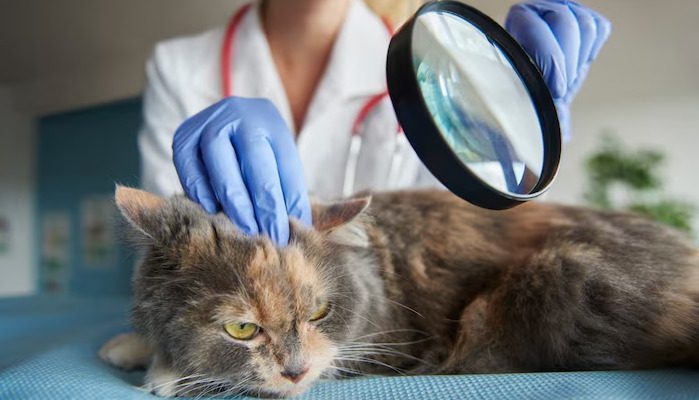
FIP often begins with non-specific symptoms such as fever, lethargy, inappetence, weight loss, and sometimes gastrointestinal disturbances. As the disease progresses, wet FIP may cause abdominal swelling or difficulty breathing, while dry FIP can lead to neurological signs, jaundice, or eye problems. Because clinical signs overlap with other common illnesses, diagnosis is complex and involves a combination of physical examination, laboratory work (including blood tests), imaging (ultrasound, x-rays), and, in rare cases, analysis of tissue or fluid from the cat.
There is no single, “gold standard” test for FIP. Veterinarians rely on a constellation of clues: high protein levels in fluids, low albumin-globulin ratio, positive coronavirus antibody titers, and exclusion of other diseases. Recent years have seen the advent of more sophisticated PCR tests, though they are not 100% definitive.
Prevention: Can Owners Shield Cats from FIP?
Preventing FIP involves limiting coronavirus transmission and reducing environmental stress. Some recommended measures include:
Litter Box Hygiene: Regular cleaning and disinfecting of litter boxes and food bowls.
Limiting Population Density: Keeping cat numbers low, particularly in breeding or shelter environments, to minimize viral spread.
Careful Introduction: Quarantining new cats for several weeks before introducing them to the household.
Genetic Screening: For breeders, selecting lines with lower FIP incidence.
There is a vaccine available for FIP, but it is rarely recommended or used in the United States. Most veterinary experts agree that it offers limited protection and is not suitable for all cats; its efficacy remains controversial.
How Realistic Is the Threat of FIP for Average Cat Owners?
Statistically, FIP is uncommon in healthy, indoor-only cats who do not live in stressful or overcrowded environments. The vast majority of cats who contract coronavirus never develop FIP. For most pet owners, hypervigilance is unnecessary—basic hygiene, regular veterinary care, and low-stress environments offer powerful protection. For those who foster or rescue, awareness is valuable: any outbreak symptoms in kittens warrant immediate attention.
Evolving Treatments: A New Era of Hope
For decades, FIP was considered hopeless, with affected cats given only supportive care or palliative hospice. However, groundbreaking research post-2019 has radically changed the landscape. Antiviral medications known as nucleoside analogs, such as GS-441524 and its derivatives, have proven remarkably effective in treating both wet and dry forms of FIP. These drugs block the replication of the mutated coronavirus inside the cat’s body. While not yet FDA-approved for the U.S. market (as of January 2024), many veterinarians participate in clinical trials or help owners access treatment abroad.
Community support groups, compassionate veterinarians, and committed researchers have forged new paths to save thousands of feline lives. Treatment courses are long, often requiring 12 weeks of daily medication and careful monitoring. Success rates now regularly exceed 80%, provided the cat is diagnosed early and the owner can afford the therapy.
FIP and Outdoor Cats: Assessing the Dangers
Feral and outdoor cats face more exposure overall—higher rates of coronavirus, greater population density, and more stressors. Yet FIP still represents a minority risk, and widespread outbreaks among feral colonies are rare. Community cat caretakers and rescue groups focus efforts on good husbandry, routine testing, and creating low-stress environments. Vaccination is not widely practiced.
What Can Owners Do If FIP Is Suspected?
If your cat develops unexplained fever, swelling, neurological symptoms, or generally unwell behavior, prompt veterinary consultation is vital. Owners should:
Record symptoms and bring thorough notes to their vet.
Request thorough testing, including laboratory panels, ultrasound, and, if necessary, fluid analysis.
Discuss antiviral treatment options, especially if FIP is strongly suspected.
Join support communities online for emotional assistance and practical advice.
Not all cats with coronavirus develop symptoms, and even among suspected FIP cases, differential diagnosis is important—ruling out other diseases improves prognosis and avoids unnecessary interventions.
FIP and Breeders: Best Practices
Cat breeders face some of the highest FIP risks. Managing a cattery requires:
Regular screening for coronavirus.
Careful selection of breeding lines with low FIP history.
Maintaining small group sizes.
Prompt separation of ill kittens.
Keeping stress minimal (quiet environments, clean facilities).
Breeders who follow best practices usually see very low rates of FIP and produce healthy, resilient kittens.
FIP Myths and Misinformation
The internet is full of alarming stories about cats dying from FIP and genetic “curses” affecting entire breeds. While tragic cases do arise, misinformation can cause unnecessary panic. Reputable veterinary sources stress that not all coronavirus-exposed cats get FIP, and new therapies offer real hope. Cat owners should be wary of miracle cures, anecdotal reports, and vaccine recommendations unsupported by evidence.
Living with a Cat After FIP Diagnosis
For cat owners whose fur family members are diagnosed, immediate support and access to resources can make all the difference. Connecting with others who have successfully treated FIP (via social media or veterinary guidance), staying organized with medication schedules, and nurturing the cat in a loving, low-stress environment aids recovery.
FIP and Long-Term Health
Survivors of successful antiviral treatment may face ongoing health checks, but most return to full function. There is limited evidence of long-term viral shedding or relapse in treated cats, and reinfection risk appears low. Owners should maintain routine veterinary exams and provide updates on any unusual behaviors.
The Ethical Dimension: Euthanasia, Treatment Costs, and Owner Decisions
FIP treatment is expensive—often running into thousands of dollars—which puts pressure on families. Ethical questions about access, affordability, and end-of-life care frequently arise. Veterinarians help guide these difficult choices, focusing on compassionate, science-based advice. Increasingly, advances in therapy make early intervention the desirable option.
Resources for Cat Owners
Professional Veterinary Associations: American Association of Feline Practitioners (AAFP), American Veterinary Medical Association (AVMA)
Online Support Groups: FIP Warriors, Facebook communities
Veterinary Schools: UC Davis, Cornell University Feline Health Center
Pharmaceutical Companies: Current clinical trials and manufacturer websites
Networking with professionals and other cat owners demystifies FIP and empowers families to make informed choices.
FIP Research: Looking Ahead
Ongoing studies focus on genetic risk, improved diagnostics, and even the development of new drugs. Researchers study why some cats’ immune systems cope while others succumb, aiming to make prevention and cure standard practice. Until then, responsible pet ownership, awareness, and access to reliable information remain the most effective safeguards.
References
1. Pedersen, N. C. (2020). An update on feline infectious peritonitis: Diagnostics and therapeutics. Veterinary Clinics: Small Animal Practice, 50(4), 1001–1016.
2. Kipar, A., & Meli, M. L. (2014). Feline infectious peritonitis: Still an enigma? Veterinary Pathology, 51(2), 505–526.
3. American Veterinary Medical Association. (2023). FIP in cats: Clinical presentation, diagnosis, and treatment. https://www.avma.org/resources-tools/pet-owners/petcare/fip-cats
4. Addie, D. D., et al. (2022). Feline coronavirus infection and development of FIP: Risk factors in multicat environments. Journal of Feline Medicine and Surgery, 24(3), 301–313.
5. UC Davis Veterinary Medicine Feline Health Center. (2023). Feline infectious peritonitis: FAQs for owners. https://www.vetmed.ucdavis.edu/feline-health-center/health-topics
6. Felten, S., & Hartmann, K. (2020). Diagnosis of feline infectious peritonitis: A review. Veterinary Journal, 259, 105486.
7. Jones, S., & Henning, M. (2023). Antiviral therapy for the management of FIP: Current options and future directions. Frontiers in Veterinary Science, 10, 1192840.
8. FIP Warriors. (2024). FIP treatment resources and support. https://www.fipwarriors.com/resources
9. Cornell Feline Health Center. (2023). Understanding feline infectious peritonitis (FIP). https://www.vet.cornell.edu/departments-centers-and-institutes/cornell-feline-health-center/health-info/feline-infectious-peritonitis-fip
10. Stoddard, R. A., et al. (2022). Environmental management of FIP risk in shelters. Animals, 12(3), 420.