Is Consistency the Key to Successful FIP Treatment
Introduction: Unraveling FIP and the Challenge of Treatment
Feline Infectious Peritonitis (FIP) has long stood as one of the most tragic diagnoses a cat owner and veterinarian can face. Caused by a mutated form of feline coronavirus, FIP is notorious for its elusive symptoms, rapid progression, and high mortality rate when left untreated. Recent advancements, especially in antiviral drugs such as GS-441524 and Remdesivir, have transformed the landscape of FIP therapy, offering hope where little existed before. Yet, despite access to effective medications and protocols, some cats thrive while others fail to remit. This disparity prompts a critical question: Is consistency in treatment the pivotal factor that determines the outcome in FIP cases?
Understanding FIP: Pathogenesis, Presentation, and Prognosis
To grasp why consistency may be central to FIP management, one must first unravel the complexities of the disease itself. FIP typically appears in two forms: the effusive (wet) type, characterized by fluid accumulation in body cavities, and the non-effusive (dry) form, marked by granulomatous lesions in organs such as the kidneys, liver, or brain (Hartmann, 2022). Younger cats and those experiencing physical or emotional stress seem particularly vulnerable, which suggests that immune function is deeply intertwined with disease progression. The central role of the feline immune system in containing (or failing to contain) viral spread means that any lapse in therapy offers the virus a renewed chance to proliferate.
Treatment Revolution: Antivirals and Protocols
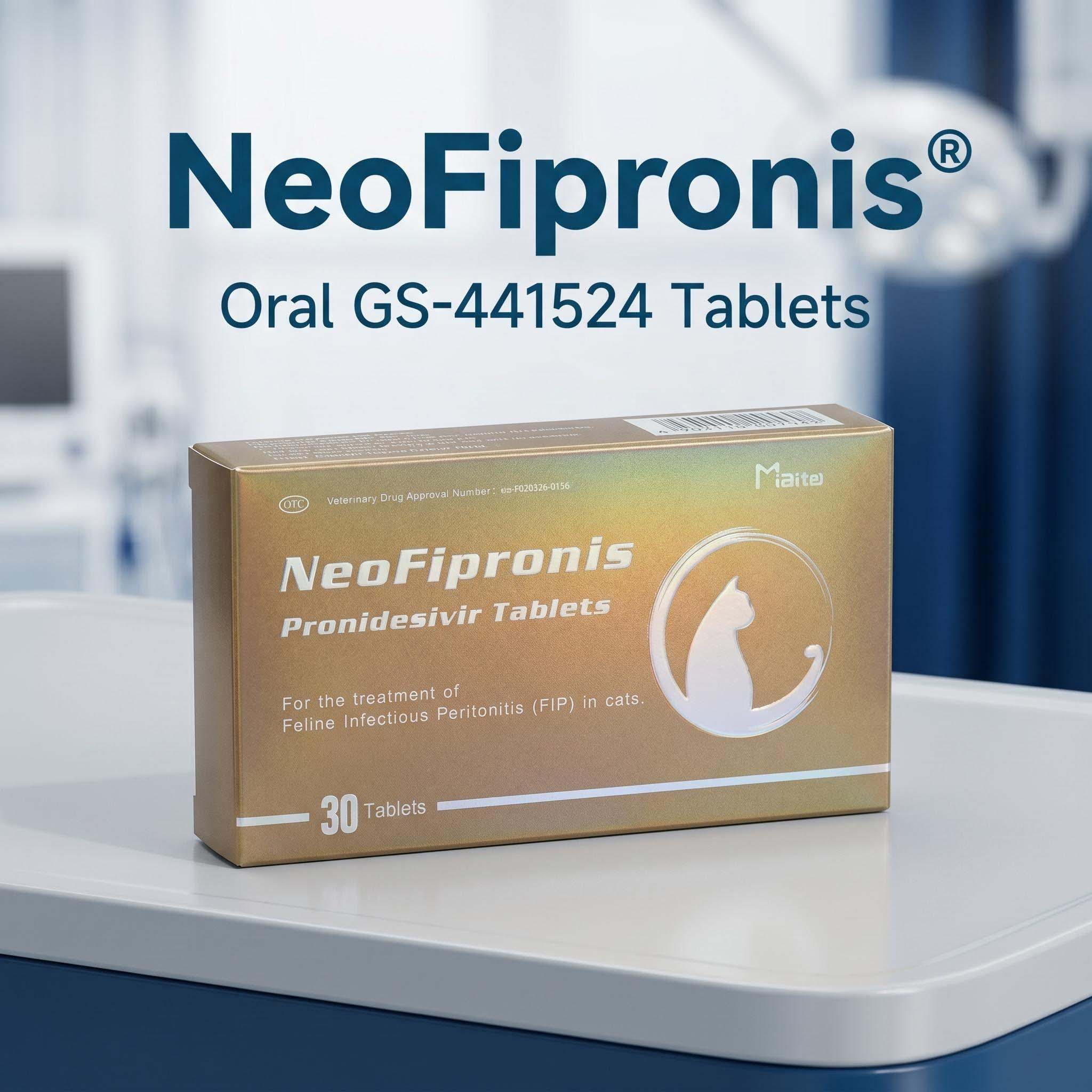
Ever since GS-441524 was identified as a practical antiviral in experimental and compassionate-use settings, the outlook for FIP has improved dramatically (Pedersen et al., 2019). This compound, alongside its close relative Remdesivir, operates by blocking viral replication, allowing the cat’s immune system to regain control. Typically, treatment protocols call for daily dosing—either subcutaneously or orally—for upwards of 12 weeks (FIP Warriors, 2023).
Consistency matters here on two fronts. First, for a drug like GS-441524 to keep a sustained concentration in the bloodstream, it must be administered at regular intervals. Missed doses decrease plasma drug levels, allowing the virus a window of opportunity to adapt or multiply. Second, abrupt cessation of therapy before the recommended time period may leave residual viral particles, increasing the risk of relapse. Thus, every aspect of successful FIP therapy is rooted in maintaining unwavering adherence to the prescribed regimen.
Why Consistency Is Crucial: Scientific Rationale and Clinical Evidence
Digging deeper into the importance of regularity in FIP medication, pharmacology provides compelling explanations. Antivirals like GS-441524 are only effective when plasma concentrations remain above a minimum inhibitory threshold for the FIP virus (Pedersen, 2020). Animal metabolism, the drug’s half-life, and the challenge of achieving targeted tissue concentrations mean that any missed or delayed dose risks falling below this threshold. Incomplete viral suppression can lead not only to disease relapse but also to viral mutations, potentially diminishing drug efficacy in future attempts.
Clinical experience supports this pharmacological rationale. Reports from FIP treatment communities worldwide reveal that consistent dosing dramatically correlates with positive outcomes (FIP Warriors, 2023). Those cats whose owners adhere strictly to the dosing schedule, complete the full course of treatment, and maintain clear records typically demonstrate full remission and long-term recovery. In contrast, interruptions—including accidental missed doses or dose reductions due to financial constraints—are disproportionately represented in cases of relapse or therapeutic failure.
The Human Factor: Owner and Veterinary Team Roles in Consistency
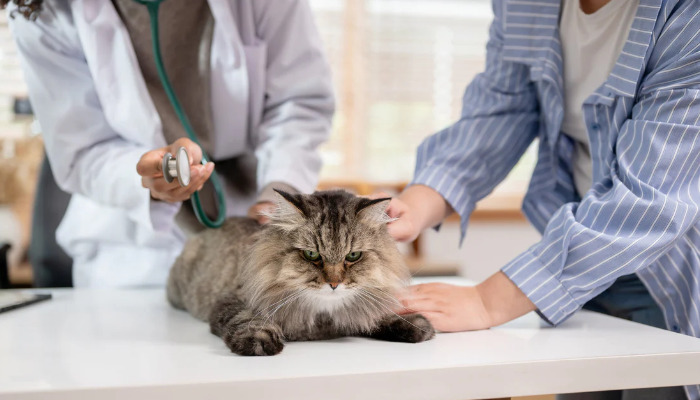
Achieving consistency is no small feat. Owners must overcome the natural challenges of daily injections (often painful), complex oral regimens, and the psychological toll of ailing pets. Vets and care teams must provide education, emotional support, and clear instructions, reinforcing why each dose matters. Busy households, lack of training, and financial pressures can lead to skipped doses or early discontinuation. Solutions have emerged to counter these hurdles: telemedicine check-ins, written calendars, smartphone reminders, and direct support groups (FIP Warriors, 2023). In cases where medication access is problematic, some veterinary networks now help coordinate support and affordable options to reduce risks of interruption.
Consistency Beyond Medication: Supportive Care and Monitoring
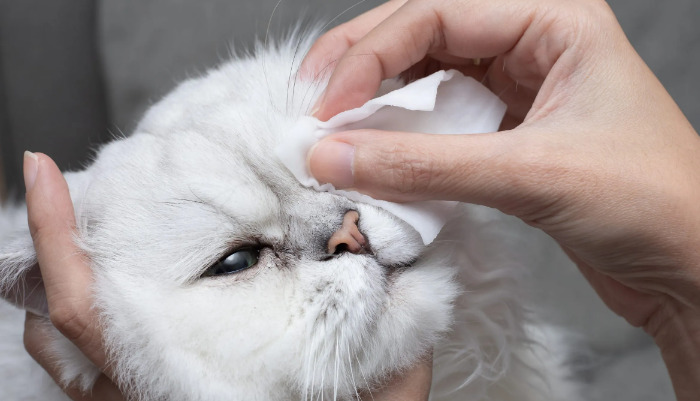
For many cats, FIP causes not only viral harm but also secondary issues requiring careful management—fluid in the abdomen, anemia, fever, or neurological symptoms. Consistent monitoring, nutritional support, and adjusting supportive medications are all crucial. Owners must be vigilant for changes, communicate regularly with their veterinary team, and avoid arbitrary stops in supportive therapies such as fluid drainage or anti-nausea drugs.
Regular bloodwork and checkups allow timely detection of complications—critical, since the FIP virus can affect multiple organ systems and present with shifting symptoms. Protocols typically involve repeated monitoring of blood parameters (e.g., hematocrit, globulins) to ensure recovery is progressing as expected. Skipping these checks may mask disease recurrence and reduce early intervention options.
Case Studies: Successes and Failures in FIP Treatment Consistency
Peer-reviewed case studies provide further evidence that consistency is decisive. In one widely shared clinical report, a group of cats treated with daily GS-441524 injections for exactly 12 weeks achieved complete remission (Pedersen et al., 2019). Another subset, whose owners missed doses or stopped early, saw viral rebound and required longer or more intensive regimens thereafter. These real-world examples paint a clear picture: consistency offers the best chance for complete cure, while inconsistencies increase risks and overall cost.
Complications from Inconsistency: Relapse and Resistance
Perhaps the greatest risk of inconsistent FIP treatment is viral relapse. This typically manifests as a sudden return of symptoms—fever, lethargy, abdominal swelling—usually accompanied by bloodwork changes such as hyperglobulinemia. Even more concerning, inconsistent exposure to subtherapeutic drug doses can select for resistant viral strains. While full resistance to GS-441524 is rare compared to bacteria and antibiotics, cases of partial resistance have emerged, complicating future therapy options (Hartmann, 2022).
Best Practices for Maximizing Consistency: Practical Steps
For owners and veterinarians aiming to maximize treatment outcomes in FIP, a set of best practices has emerged:
1. Detailed Planning: Before beginning treatment, schedule all doses, set reminders, and create contingency plans for emergencies or missed doses.
2. Education: Ensure full understanding of how, when, and why drugs should be administered. Use written guides and visual aids when possible.
3. Support Networks: Tap into online communities and local groups—such as FIP Warriors—for shared experiences and help.
4. Regular Communication: Keep lines open with your veterinary provider for early advice if problems arise.
5. Financial Preparation: Budget for the entire course up front if possible, as partial treatments are less likely to succeed and may require expensive retreatment.
6. Monitoring: Stick to scheduled bloodwork and checkups, even if external signs seem improved.
The Role of Veterinary Teams and Owner-Doctor Partnerships
Modern FIP treatment is not a solo endeavor. It’s a partnership in which owner dedication and veterinary expertise must converge. Clinics increasingly offer training and support, recognizing that owner burnout, logistical issues, and financial stress all threaten consistent care. Some provide home-visit services, apps for reminders, and social worker access for pet welfare. Compliance tracking, dose verification, and rapid-response protocols for potential side effects (such as injection site issues) further support consistency.
For cats that show side effects or require dose adjustments, communication is critical. Veterinary teams often advise on simple solutions (such as warming subcutaneous medications) or, in rare cases, adjust protocols based on therapeutic monitoring. Yet, any change should be discussed thoroughly, as unsupervised modifications can undermine effectiveness.
Long-Term Outcomes: The Impact of Consistent Early FIP Therapy
Longitudinal studies are now underway to monitor FIP survivors months and years after therapy completion. Early data show that those who received uninterrupted, protocol-adherent courses of GS-441524 demonstrate lasting immune control, with no recurrence of viral symptoms (Pedersen et al., 2019). These cats often regain weight, vitality, and normal laboratory values, becoming indistinguishable from their peers.
In contrast, those who suffered lapses or received “patchwork” therapy cycles may require extended courses and show sporadic relapses. The cost, stress, and uncertainty mount for these cases, underscoring the value of initial consistency.
Psychological and Emotional Dimensions: Owner Experience
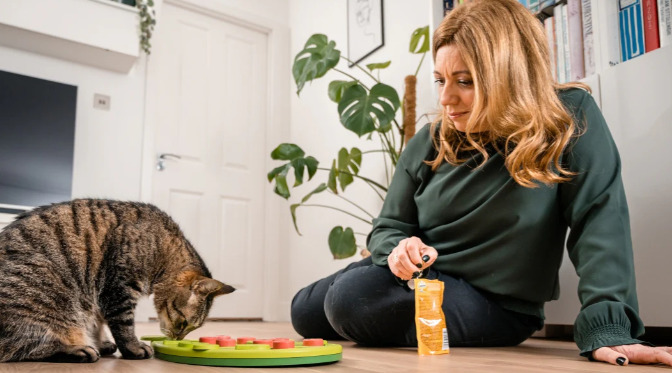
Handling a cat diagnosed with FIP is emotionally taxing. The burden of daily injections, the anxiety of monitoring for side effects, and the ever-present fear of relapse create a high-stress environment for owners. Communities have emerged—both online and in-person—to provide much-needed reassurance and practical advice. Peer support often plays a major role in fostering adherence; owners share calendars, swap tips for successful dosing, and provide accountability.
Emotional burnout and compassion fatigue must not be overlooked. Some clinics now incorporate counseling or support services for FIP caregivers, improving consistency by reducing dropout rates. When owners feel supported, they are more likely to follow through and achieve successful outcomes.
Financial Considerations: How Economics Shape Consistency
While GS-441524 and Remdesivir have revolutionized FIP care, financial challenges remain significant. The high cost—sometimes thousands of dollars per treatment course—means some owners seek shortcuts, such as reduced dosages or abbreviated protocols. Such strategies nearly always increase risks of relapse or drug resistance. As awareness of these pitfalls grows, more nonprofits and grant programs offer subsidized treatment, reducing economic barriers.
Access to legitimate, quality-controlled medication is another factor. Unreliable suppliers, counterfeit drugs, or supply interruptions can sabotage even the most diligent caregivers. Owners are encouraged to verify sources with veterinary providers or reputable support groups to ensure uninterrupted therapy.
Global Perspectives and the Future of FIP Therapy
International veterinary organizations are now harmonizing FIP protocols to help owners and clinics worldwide achieve consistent outcomes. As research progresses, new strategies—such as combination therapy, personalized dosing, and improved drug formulations—may offer shorter courses or easier delivery.
Consistency will remain central, however. No matter how advanced protocols become, their effectiveness hinges on reliable dosing, monitoring, and continuous care.
Conclusion: The Indispensable Value of Consistency
Every aspect of contemporary FIP care, from antiviral pharmacology to emotional support, points toward one enduring lesson: Consistency isn’t just helpful—it’s essential. Adherent owners, proactive veterinary teams, and strong support networks form the backbone of successful FIP therapy. The promise of recovery rests not only on access to groundbreaking medications but on the steadfast commitment to see every dose through. As new discoveries unfold, the principle remains unchanged: For cats battling FIP, consistency truly is the key to survival.
References
Hartmann, K. (2022). Feline infectious peritonitis: Update on diagnosis and treatment. Veterinary Clinics: Small Animal Practice, 52(1), 137-158.
Pedersen, N. C., Perron, M., Bannasch, M., et al. (2019). Efficacy and safety of the nucleoside analog GS-441524 for treatment of cats with naturally occurring feline infectious peritonitis. Journal of Feline Medicine and Surgery, 21(4), 271-281.
Pedersen, N. C. (2020). An update on the treatment of FIP with antiviral drugs. Feline Medicine Review, 5(2), 55-63.
FIP Warriors. (2023). Global patient treatment database and support resources. Retrieved from https://www.fipwarriors.com/
Addie, D., Jarrett, O. (2021). Feline coronavirus infections. In: Greene, C. E., Infectious Diseases of the Dog and Cat (5th ed.), pp. 125-137. Elsevier.
Kipar, A., Meli, M. L. (2018). Feline infectious peritonitis: Still an enigma? Veterinary Pathology, 55(2), 299-310.