Is Loss of Appetite Normal During FIP Treatment
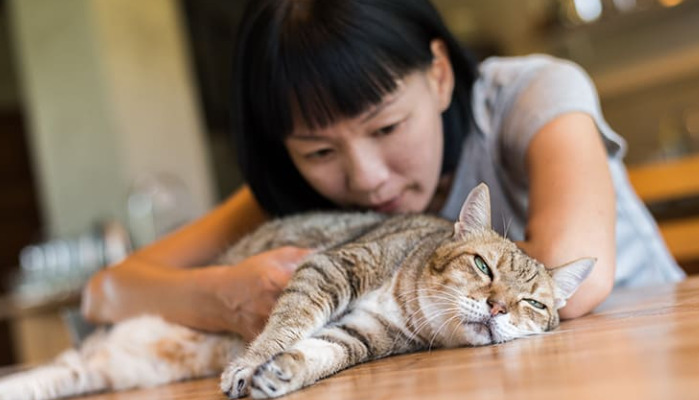
Feline Infectious Peritonitis (FIP) is a severe and potentially fatal disease caused by certain strains of the feline coronavirus. It primarily affects cats with weakened immune systems and manifests in different forms, including wet (effusive) and dry (non-effusive) types. One of the common clinical signs observed during FIP progression and treatment is a loss of appetite. Understanding whether this symptom is typical or requires medical attention is crucial for pet owners and veterinary professionals alike.
The Nature of FIP and Its Impact on Appetite
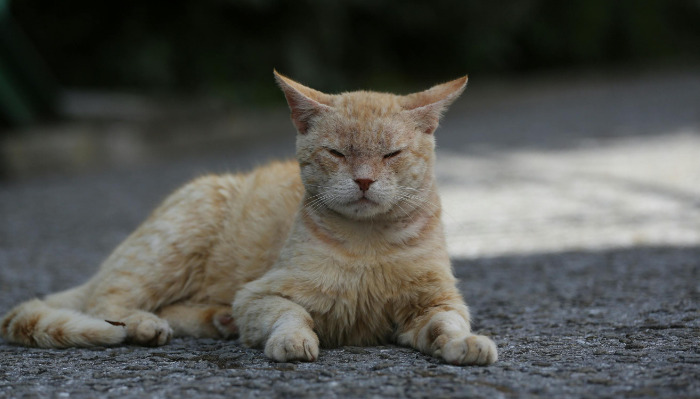
FIP's pathogenesis involves an abnormal immune response leading to widespread inflammation. This systemic illness often results in vague symptoms, including fever, lethargy, weight loss, and notably, a decreased desire to eat. Loss of appetite, or anorexia, occurs due to multiple factors related to the disease process. These include fever, discomfort, gastrointestinal involvement, and systemic inflammation. When a cat develops FIP, the body is fighting a significant infection, which can suppress hunger signals, contributing to decreased food intake.
Treatment Options and Their Effects on Appetite
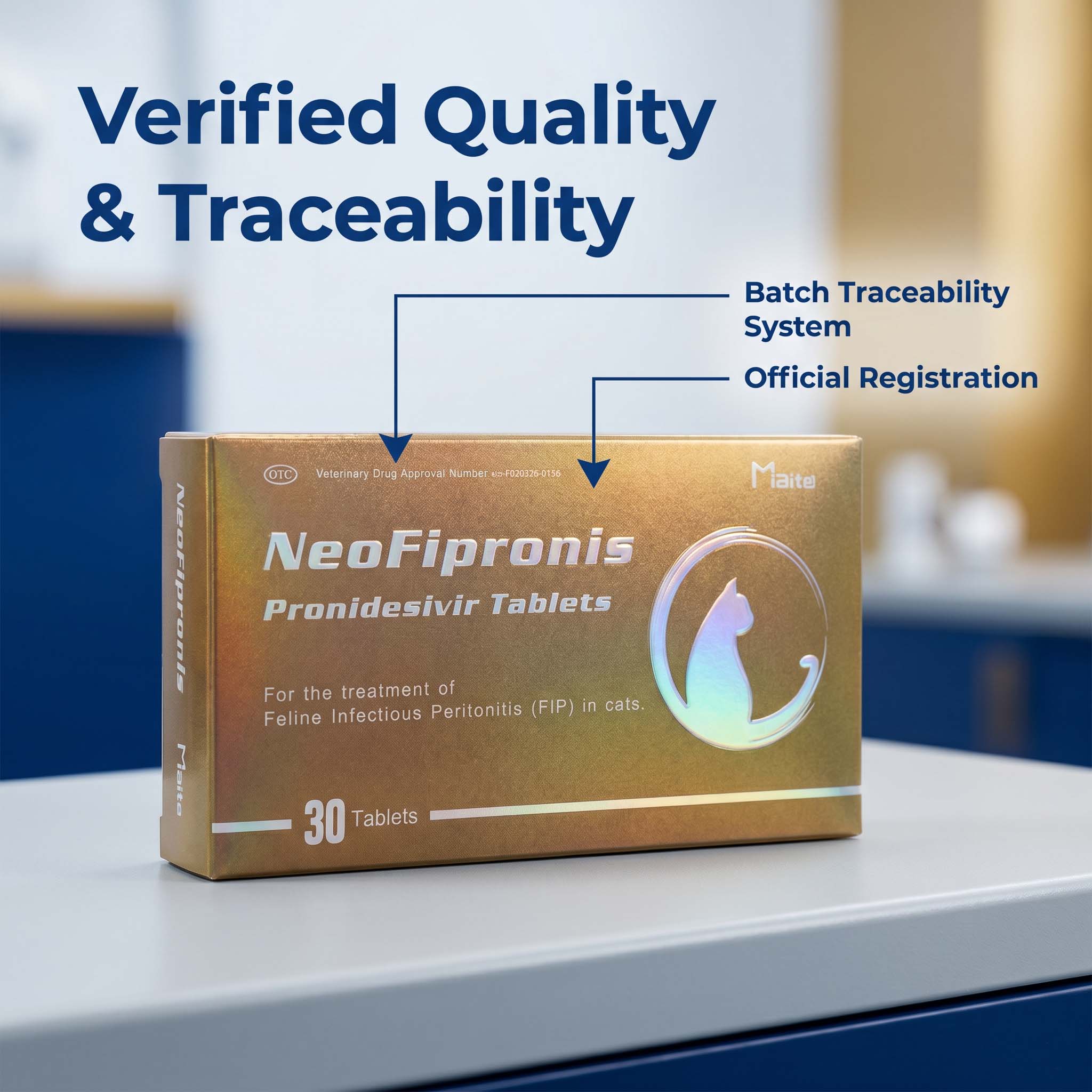
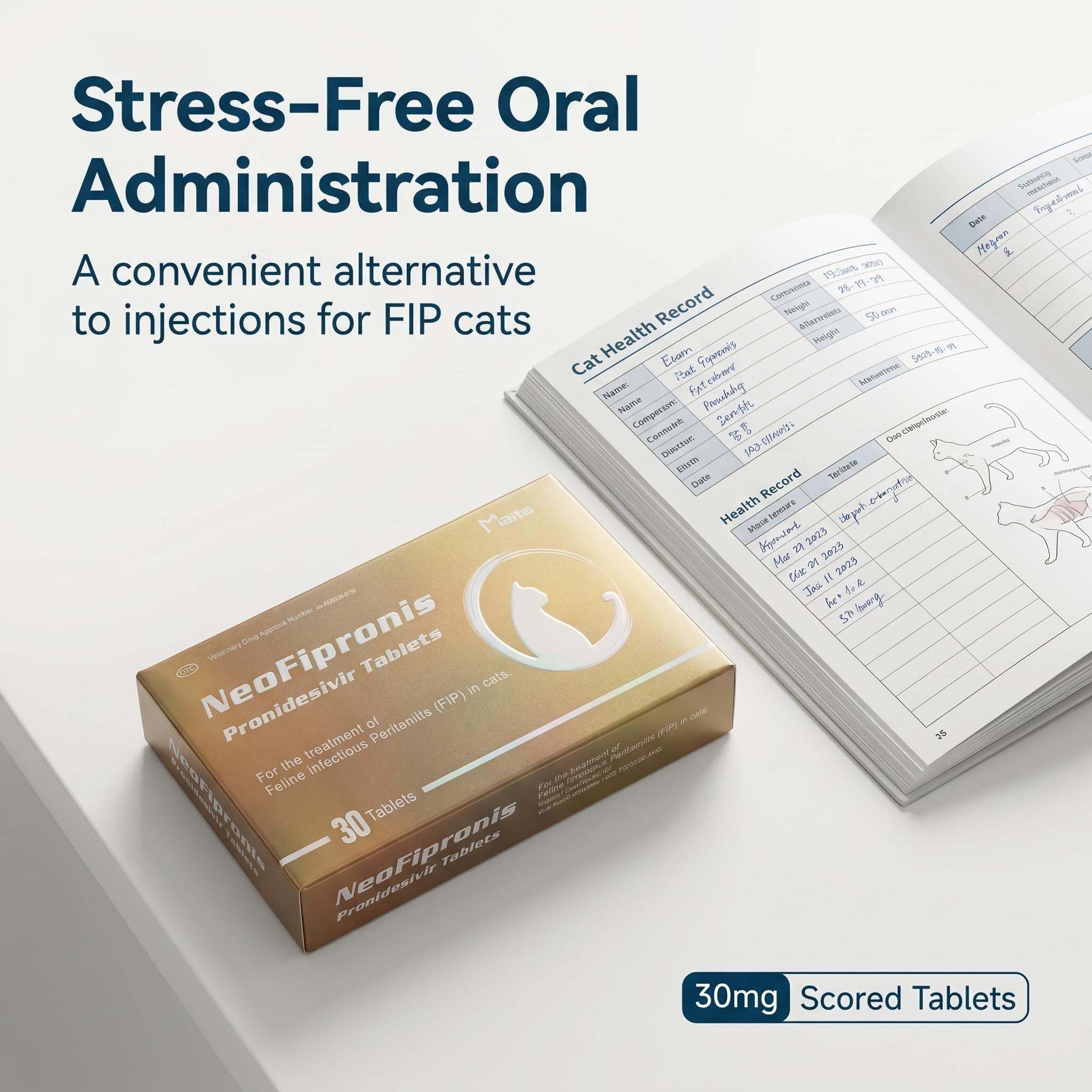
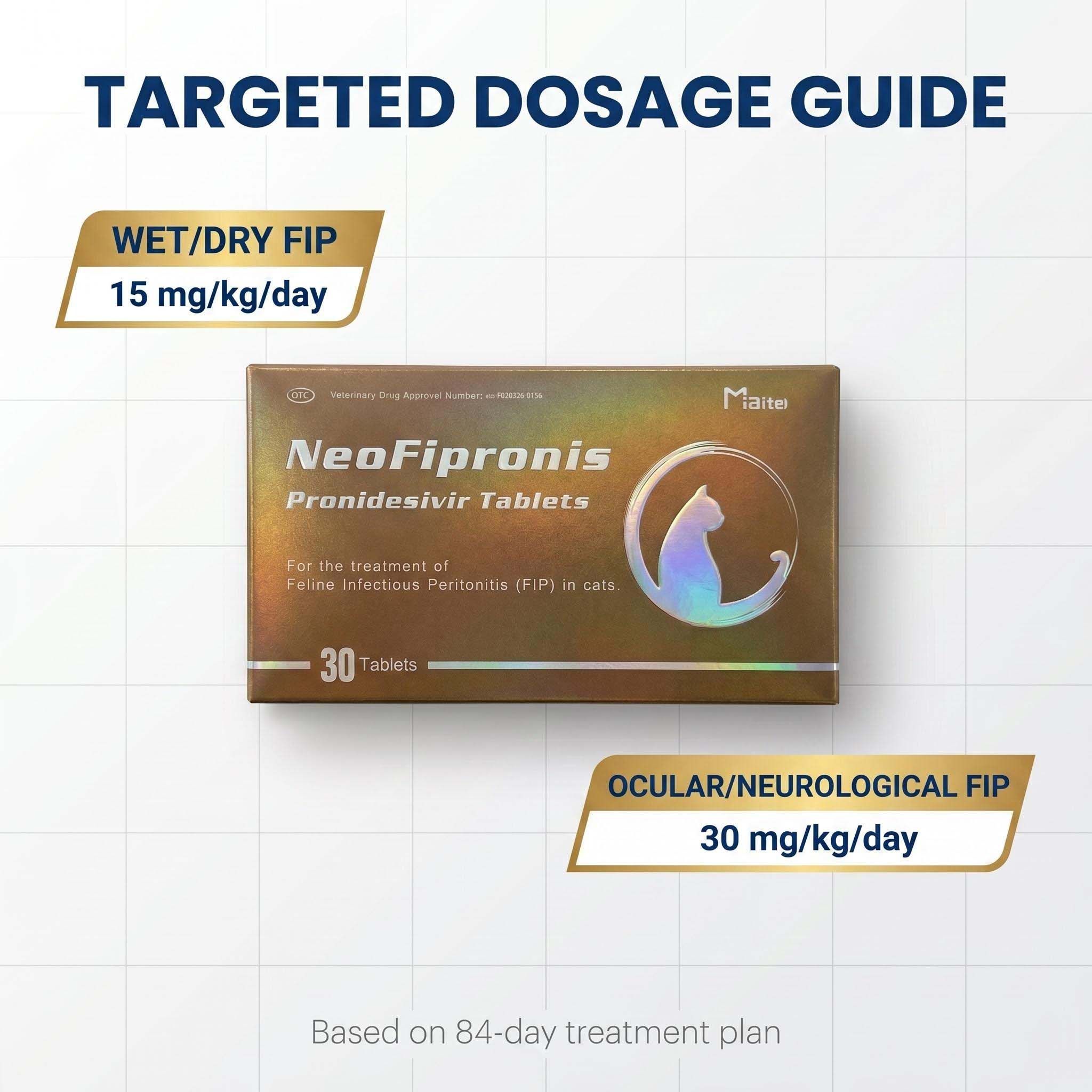
Historically, FIP has been regarded as almost universally fatal, but recent advancements and experimental therapies have provided new hope. Treatments such as antiviral drugs (e.g., GS-441524 and similar compounds) have shown promising results, although these are not universally approved or accessible. During treatment, cats may experience side effects that influence appetite.
Some antiviral medications can cause gastrointestinal upset, leading to nausea or discomfort. This can directly suppress the cat's desire to eat. Additionally, the stress of ongoing treatment, frequent veterinary visits, and the cat's own illness severity can contribute to decreased appetite. In some cases, medications like corticosteroids used to modulate immune responses might temporarily affect appetite as well.
Is Loss of Appetite During Treatment Normal?
While some reduction in appetite is understandable during illness and treatment, persistent or severe anorexia should not be ignored. Mild appetite loss during the initial phase of treatment might be considered normal, especially if it correlates with other signs like fever. However, prolonged inability to eat can lead to serious complications such as hepatic lipidosis (fatty liver disease) and dehydration.
It is common for cats undergoing FIP treatment to experience fluctuating appetites. During certain periods, they may eat less, especially if side effects like nausea occur. Recognizing the difference between temporary reduced appetite and clinical deterioration is essential for timely intervention.
Managing Loss of Appetite in FIP Patients
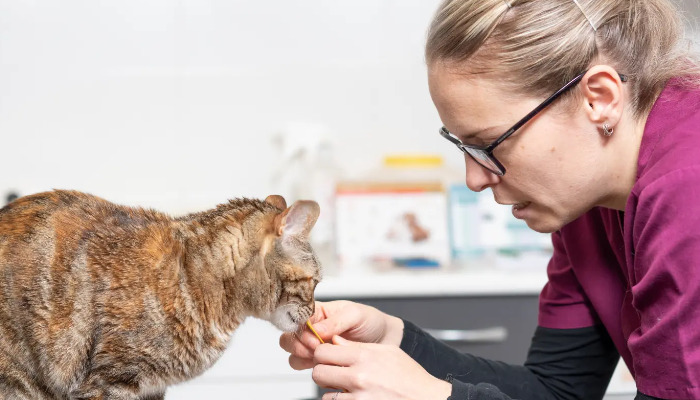
Veterinary professionals advocate supportive care to maintain a cat's nutritional status. Techniques include offering highly palatable, easily digestible foods or warming the food to enhance smell and appeal. In some instances, appetite stimulants like mirtazapine may be prescribed to encourage eating.
If a cat refuses to eat for more than 24-48 hours, or if appetite loss is accompanied by vomiting, diarrhea, or lethargy, immediate veterinary consultation is warranted. These could be signs of complications or adverse reactions to medications. Parenteral nutrition (tube feeding) might become necessary if oral intake remains inadequate.
Monitoring and Communicating with Veterinarians
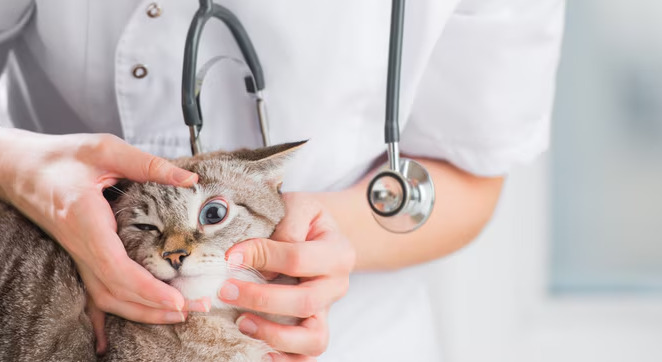
Regular monitoring of a cat's appetite and overall condition is critical during FIP treatment. Pet owners should keep a food diary, noting any changes in eating habits, and report these to their veterinarian. Blood tests, physical examinations, and possibly imaging can help assess disease progression or response to therapy.
Veterinarians may adjust medications, recommend supportive care, or investigate underlying issues if appetite loss persists. Early intervention improves the chances of stabilizing the cat and ensuring quality of life during treatment.
Psychological and Environmental Considerations
Stress can impact appetite significantly. During treatment, minimizing environmental stressors, providing a quiet and comfortable space, and maintaining a routine can help encourage eating. Additionally, offering diverse flavors or different textures might stimulate interest in food.
When to Seek Immediate Veterinary Care
Persistent anorexia, especially when combined with other concerning signs such as dehydration, vomiting, or worsening lethargy, should prompt urgent veterinary attention. Intervention might include medication adjustments, hydration therapy, or more intensive supportive care.
Conclusion
Loss of appetite during FIP treatment is common but should be carefully monitored. Mild, transient appetite reduction may be part of the normal disease course or side effects of therapy. However, persistent or severe anorexia requires prompt veterinary evaluation to prevent further complications. Proper supportive care, close communication with veterinary providers, and attention to your cat's overall well-being can make a significant difference during this challenging period.
References
1. Pedersen, N. C., & Liu, H. (2010). Canine and feline coronavirus infections. Advances in Experimental Medicine and Biology, 702, 29–46.
2. Kipling, M. D., & Tasker, S. (2017). Feline infectious peritonitis: current perspectives and future directions. Veterinary Journal, 224, 1–7.
3. Addie, D. D., & Jarrett, O. (2016). Feline infectious peritonitis: recent advances. Veterinary Clinics of North America: Small Animal Practice, 46(3), 591–603.
4. Pedersen, N. C. (2014). An update on feline infectious peritonitis: diagnostics and vaccines. The Veterinary Clinics of North America. Small Animal Practice, 44(4), 593–604.
5. Helmick, M. L., & Kipling, M. D. (2020). Management of FIP: current treatments and supportive care. Veterinary Medicine, 11(4), 189–196.