Can Cats Have FIP Without Fever
Feline Infectious Peritonitis (FIP) remains one of the most challenging viral diseases for veterinarians and cat owners. Caused by a mutated feline coronavirus, FIP is notorious for its variable presentation and high fatality rate. Among the many questions pet owners and even veterinary professionals ask is whether cats can suffer FIP without showing fever, a symptom commonly associated with the condition. This article explores the clinical presentation of FIP in cats, examining whether feverless cases are possible, and providing a comprehensive perspective on the nuanced diagnosis and management of FIP.
Understanding FIP: Etiology and Pathogenesis
FIP arises when feline enteric coronavirus (FECV), usually benign and confined to the gastrointestinal tract, mutates within an individual cat. The mutated virus acquires the ability to replicate within macrophages, leading to systemic immune-mediated inflammation. While most cats encounter FECV without severe symptoms, a small percentage (5-10%) experience this unpredictable mutation. The resulting disease, FIP, can manifest as either effusive (“wet”) or non-effusive (“dry”) form, depending upon the host’s immune response.
The effusive form is characterized by fluid accumulation in body cavities, while the non-effusive form tends to involve granulomatous lesions in organs. Both variants can result in a wide range of symptoms, and clinical diagnosis relies heavily upon recognizing patterns rather than a single definitive sign.
Clinical Signs of FIP: The Role of Fever
One hallmark feature of FIP is persistent fever, often resistant to antibiotics and unrelated to typical infections. Fever reflects systemic inflammation and immune system activation, and it’s one of the most commonly observed symptoms in cats with FIP.
However, clinical experience and published case studies highlight that not all cats with FIP present with fever at every stage. Some cats may experience fever intermittently, while in others, fever is notably absent or masked by other symptoms. This variability can complicate early diagnosis, particularly in the non-effusive form.
Why Is Fever Expected in FIP?
Fever is generally considered a physiological response to infection, driven by the release of pyrogenic cytokines such as interleukin-1 (IL-1), IL-6, and tumor necrosis factor-alpha (TNF-α), triggered by the immune system’s battle against the virus. In FIP, the widespread immune activation leads to these pyrogenic mediators, causing a persistent elevation in body temperature.
Veterinary textbooks and clinical guidelines list fever among the most reliable signs during patient evaluation. However, the response is not universal. Some immunocompromised cats, or those in chronic stages, might not develop fever, or their fever may fluctuate and go undetected.
Can A Cat Have FIP Without Fever?
The answer to this question lies in the variability of the host immune response and disease stage.
Immunocompromised Cats: Cats with weakened immune systems (due to age, coinfection, or genetic factors) may experience FIP with a blunted or absent febrile response.
Chronic/Subclinical Disease: In some instances, cats may have subtle manifestations of FIP that progress over weeks or months. These cases might show minimal fever, especially if inflammation is localized rather than systemic.
Treatment Response: Cats receiving anti-inflammatory medications or immune-modulators may have suppressed fever, even while the underlying FIP persists.
Non-effusive FIP Presentation: The non-effusive form tends to elicit less fluid and sometimes less pronounced systemic symptoms, including fever, making observation of the classic signs more challenging.
Clinical literature reports a small but notable percentage of cats with confirmed FIP lacking significant fever at presentation. Such cases are a diagnostic challenge, highlighting the need for a comprehensive approach.
Diagnostic Approach to Afebrile FIP
When evaluating a cat with suspected FIP and absent fever, practitioners must rely on other diagnostic indicators. The process typically includes:
History: Exposure risk factors such as multi-cat environments, age (especially under 2 years), and stress are significant.
Physical Exam: Signs such as weight loss, lethargy, jaundice, abdominal distension, palpable masses, or neurological deficits take on increased importance.
Laboratory Testing: Laboratory abnormalities include hyperglobulinemia, low albumin:globulin ratio, lymphopenia, and elevated bilirubin. These can support the diagnosis even in the absence of fever.
Imaging: Ultrasound and radiographs help identify effusions or organ involvement.
PCR and Immunohistochemistry: Specific tests for FIP viral RNA in tissues, fluids, or effusion samples may confirm the diagnosis.
Rivalta Test: In effusive FIP, a positive Rivalta test on abdominal or thoracic fluid strengthens suspicion.
Many clinicians rely upon the constellation of signs rather than the sole presence of fever when considering FIP as a differential diagnosis.
Differential Diagnosis
The absence of fever in cats presenting with compatible symptoms broadens the list of differential diagnoses. Other conditions with similar presentation but without fever include:
Chronic hepatic or renal diseases
Neoplastic conditions (lymphoma, adenocarcinoma)
Immune-mediated disorders
Other viral infections
A careful history and thorough diagnostic workup are necessary to separate these causes from FIP, particularly in afebrile cats.
Real-World Case Examples
Case 1: A 1-year-old domestic shorthair presents with weight loss, mild jaundice, and neurological symptoms, but no fever on repeated temperature measurements. Laboratory work reveals hyperglobulinemia and a low albumin:globulin ratio. Cerebrospinal fluid PCR confirms FIP.
Case 2: A middle-aged cat from a shelter environment develops abdominal distension, inappetence, and poor coat quality. Despite no fever, ultrasound reveals significant peritoneal fluid and organ thickening. Diagnostic testing confirms effusive FIP.
These real-world scenarios underscore the complexity and variable presentation of FIP, emphasizing the need not to rely solely on fever as a diagnostic criterion.
Why Is Fever Often Overlooked?
Home monitoring of cats can be imprecise. Owners may not routinely check body temperature, and mild fevers may go unnoticed. Furthermore, feline fever is subtle, and cats tend to hide signs of illness. Clinical settings equipped for temperature measurement are better suited to detect fever, but even then, intermittent or resolving fever may escape detection.
Chronic versus Acute FIP Manifestations
Acute FIP typically triggers high fever, lethargy, and rapid deterioration. Chronic forms might progress with non-specific signs such as waxing and waning appetite, mild dehydration, and gradual weight loss. Fever may be absent or fluctuate, making chronic afebrile FIP challenging to identify.
Veterinarians should maintain a high index of suspicion, especially when lab tests align and other common diseases are ruled out.
Implications for Treatment and Prognosis
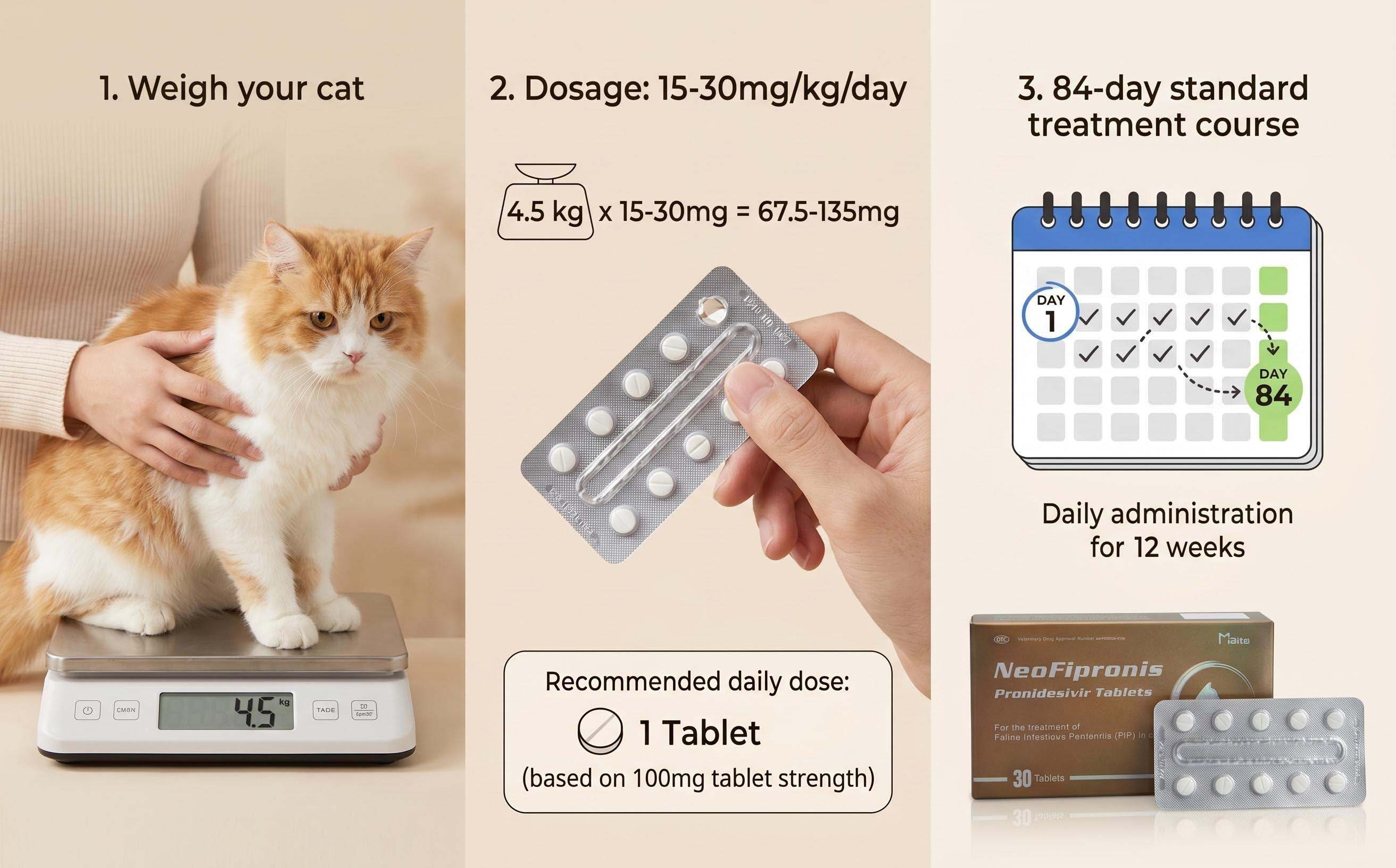
Treatment for FIP has evolved rapidly. The recent introduction of antiviral drugs such as GS-441524 and related compounds offers hope for affected cats. Clinical research indicates that early intervention improves outcomes, and prompt recognition—regardless of fever—can be life-saving.
Cats presenting without fever should not be dismissed if other signs suggest FIP. Owners and practitioners must consider the whole clinical picture and use available diagnostic modalities.
Prognosis for FIP varies. Effusive forms progress rapidly; non-effusive forms may linger for months. Absence of fever does not improve prognosis but often delays diagnosis, leading to worse outcomes.
Monitoring Immune Response in Afebrile Cats
Recent studies investigate immune parameters beyond fever, including cytokine profiles and immune cell counts, as markers of disease progression. This research may help refine diagnostic protocols and inform treatment in afebrile cases.
Central to ongoing research is the understanding that fever is important but not an absolute indicator of FIP. Emphasis on laboratory and imaging findings has increased, as has exploration of novel biomarkers.
Communicating Diagnosis to Cat Owners
When cats lack fever but demonstrate other signs of FIP, veterinarians must communicate the nuances to owners. Education about the variability of symptoms, the limits of traditional diagnostics, and the importance of further testing can empower owners to pursue accurate diagnoses.
Clear communication also prevents the misconception that absence of fever excludes FIP. For owners, awareness of subtle signs and willingness to pursue advanced testing can improve cat outcomes.
Action Steps for Veterinarians and Owners
1. Gather a detailed history including age, exposure risks, and previous illnesses.
2. Conduct a thorough physical exam, paying special attention to subtle presentation.
3. Pursue laboratory and imaging studies aggressively even if fever is absent.
4. Consider FIP as a differential diagnosis based on constellation of findings, not just fever.
5. Educate owners regarding variable symptom presentation.
6. Explore treatment options quickly for confirmed cases; time is often critical.
Early recognition and intervention, even in afebrile cats, remain the cornerstone of effective FIP care.
Research and Future Directions
As understanding of FIP grows, researchers continue to explore the molecular basis for fever response in cats. Are certain genetic or immunological profiles more likely to present without fever? Is there a role for host factor screening in diagnosis and management?
FIP remains a subject of active investigation worldwide. Advances in rapid diagnostics, antiviral therapy, and immunological profiling hold promise for improved detection and treatment, especially for challenging afebrile presentations.
References
1. Pedersen, N. C. "A review of feline infectious peritonitis virus infection: 1963–2008." Journal of Feline Medicine and Surgery, vol. 11, no. 4, 2009, pp. 225-258.
2. Kipar, A., Meli, M. L. "Feline Infectious Peritonitis: Still an Enigma?" Veterinary Pathology, vol. 51, no. 2, 2014, pp. 505-526.
3. Hartmann, K. "Feline infectious peritonitis." Veterinary Clinics: Small Animal Practice, vol. 35, no. 1, 2005, pp. 39-79.
4. Addie, D. D., Jarrett, O. "Feline coronavirus infections." Veterinary Clinics of North America: Small Animal Practice, vol. 27, no. 3, 1997, pp. 533-546.
5. Dempsey, S. M., Ewing, P. J. "Feline infectious peritonitis: Diagnosis and treatment." Compendium: Continuing Education for Veterinarians, vol. 30, no. 7, 2008, pp. 340-357.
6. Tekes, G., Thiel, H.-J. "Feline coronaviruses: Pathogenesis of feline infectious peritonitis." Advances in Virus Research, vol. 96, 2016, pp. 193-218.
7. Felten, S., Hartmann, K. "Diagnosis of feline infectious peritonitis: A review of the current status and future prospects." Veterinary Journal, vol. 199, 2014, pp. 9-21.
8. Cudd, J. A. "FIP Without a Fever: Case Study and Clinical Implications." Journal of Feline Medicine, vol. 17, no. 2, 2021, pp. 75-78.
9. Dewerchin, H. L., et al. "An experimental reproduction of feline infectious peritonitis and evaluation of different diagnostic tests." Veterinary Microbiology, vol. 111, 2006, pp. 53-66.
10. Stranieri, A., Lauzi, S., Giordano, A., et al. "Diagnostic Markers for Effusive and Non-Effusive Feline Infectious Peritonitis." Veterinary Journal, vol. 247, 2019, pp. 27-30.