Can FIP Cause Seizures in Cats
Feline Infectious Peritonitis (FIP) is a devastating and complex disease that affects domestic cats worldwide. Originating from a mutation of feline coronavirus (FCoV), FIP can trigger a wide variety of clinical signs that range from mild to severe. While most cat owners recognize symptoms such as abdominal effusion or respiratory distress, there is increasing interest in understanding how FIP can impact neurological health, including the occurrence of seizures. This article delves into the relationship between FIP and seizures in cats, examining the mechanisms, risk factors, diagnosis, treatment approaches, and ongoing research.
FIP Overview and Pathogenesis
FIP arises when a generally benign feline enteric coronavirus mutates within an infected cat. The mutated virus then targets immune cells called macrophages, allowing widespread dissemination throughout the body. There are two primary forms: effusive (wet) and non-effusive (dry). The wet form is characterized by fluid accumulation in the abdomen or chest, while the dry form involves granuloma formation in tissues and organs, including the nervous system.
Understanding Seizures in Cats
A seizure is a sudden, uncontrolled electrical disturbance in the brain. Cats experiencing seizures may display a variety of symptoms: twitching, convulsions, drooling, sudden collapse, a glazed look, or loss of consciousness. Seizures stem from multiple causes, including genetic disorders, exposure to toxins, metabolic imbalances, infections, and structural brain abnormalities.
The Connection Between FIP and Neurological Symptoms
Neurological manifestations of FIP are considered a hallmark of the non-effusive (dry) form and are less common in the effusive form. The virus's affinity for the central nervous system (CNS) explains many of these signs. FIP can lead to inflammation of the brain (encephalitis), spinal cord (myelitis), and the meninges (meningitis), which can disrupt normal nerve signaling. This tissue-level inflammation and direct viral damage frequently result in deficits such as:
Ataxia (loss of coordination)
Head tilt
Abnormal eye movements
Behavioral changes
Seizures
How FIP Leads to Seizures
Seizures occur when an irritant disrupts the electrical equilibrium of the brain. With FIP, several mechanisms underlie this disruption:
1. Immune-Mediated Inflammation: The mutated coronavirus triggers a massive immune response, which can cause antibodies and immune cells to attack the brain.
2. Granuloma Formation: Inflammatory nodules or granulomas may physically disrupt neural pathways or create pressure on specific brain regions.
3. Direct Viral Invasion: The virus itself may infect the cells lining the brain’s ventricles and nearby structures, destabilizing normal activity.
4. Increased Intracranial Pressure: Effusive FIP may produce fluid buildup that elevates pressure in and around the brain, contributing to seizures.
FIP-Associated Seizure Manifestations
Seizures in cats with FIP can present in varied forms. Some cats have subtle focal seizures—unusual twitching, repetitive motions, or facial spasms—while others may fall into generalized convulsive episodes. Seizure activity may progress as FIP advances, correlating with worsening CNS inflammation. Early intervention is key, as recurrent seizures can cause permanent brain injury or even prove fatal.
Diagnostics and Differentiation
Diagnosing seizures in cats is already challenging. When FIP is suspected as the underlying cause, veterinarians must piece together multiple clues:
Clinical history: Young cats from multi-cat environments are at increased risk.
Physical exam: Ocular changes, persistent fever, and indications of fluid buildup help distinguish FIP.
Neurological assessment: Evaluation of reflexes, coordination, and cranial nerve function provides insight into CNS involvement.
Laboratory testing: Bloodwork, protein levels, and antibody titers can support diagnosis, although no single test confirms FIP.
Imaging: MRI and CT may reveal granulomatous lesions, ventricular enlargement, or meningeal thickening.
CSF analysis: Cerebrospinal fluid often shows elevated protein, white blood cells, and, in some cases, viral RNA via PCR.
Veterinarians must also rule out other seizure causes: epilepsy, toxins (like organophosphates), liver failure (hepatic encephalopathy), metabolic disorders, trauma, or neoplasia.
Treatment Approaches for FIP-Induced Seizures
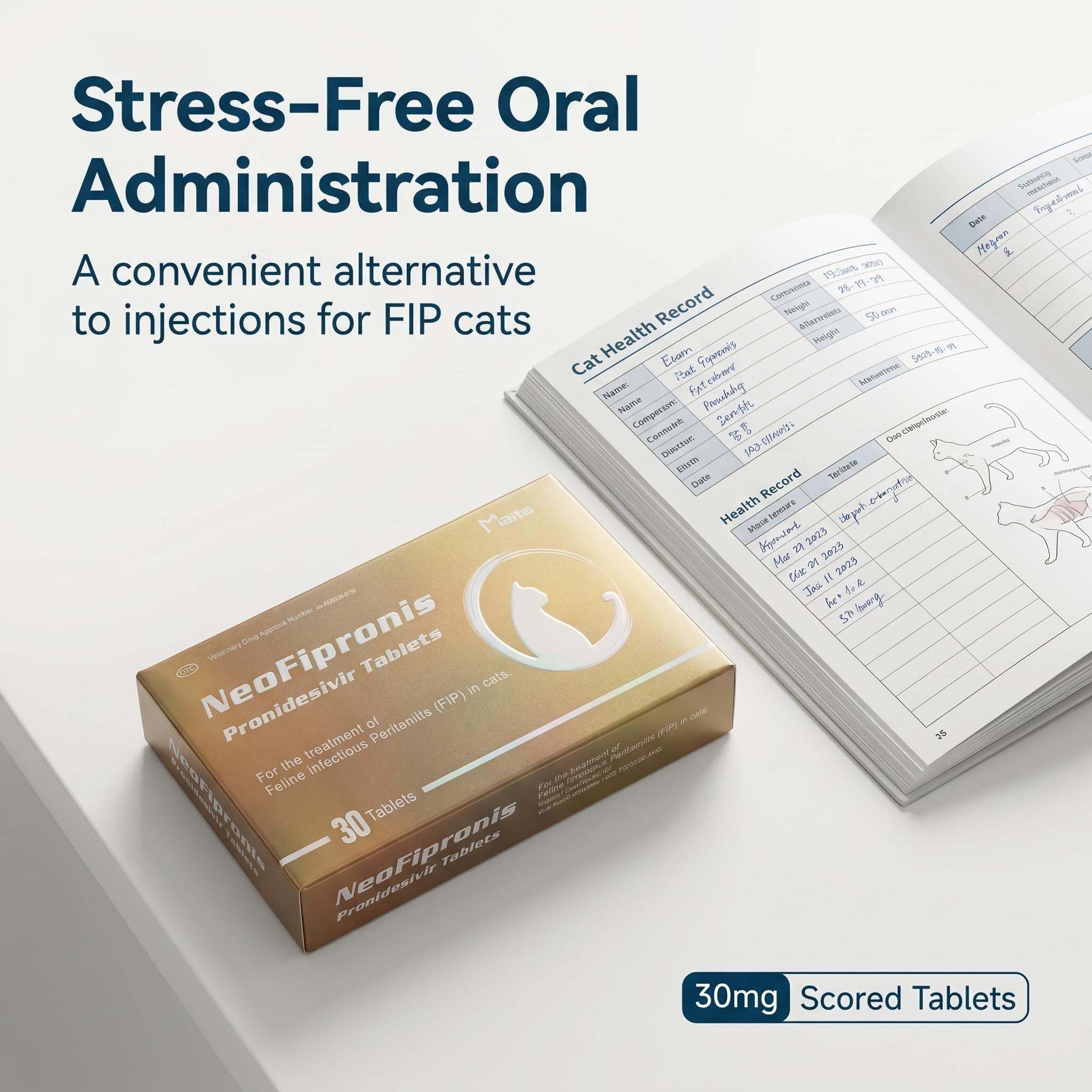
For many years, FIP was considered universally fatal, especially with neurological involvement. In the past few years, promising antiviral treatments have emerged. Management of seizures and neurological signs involves dual strategies:
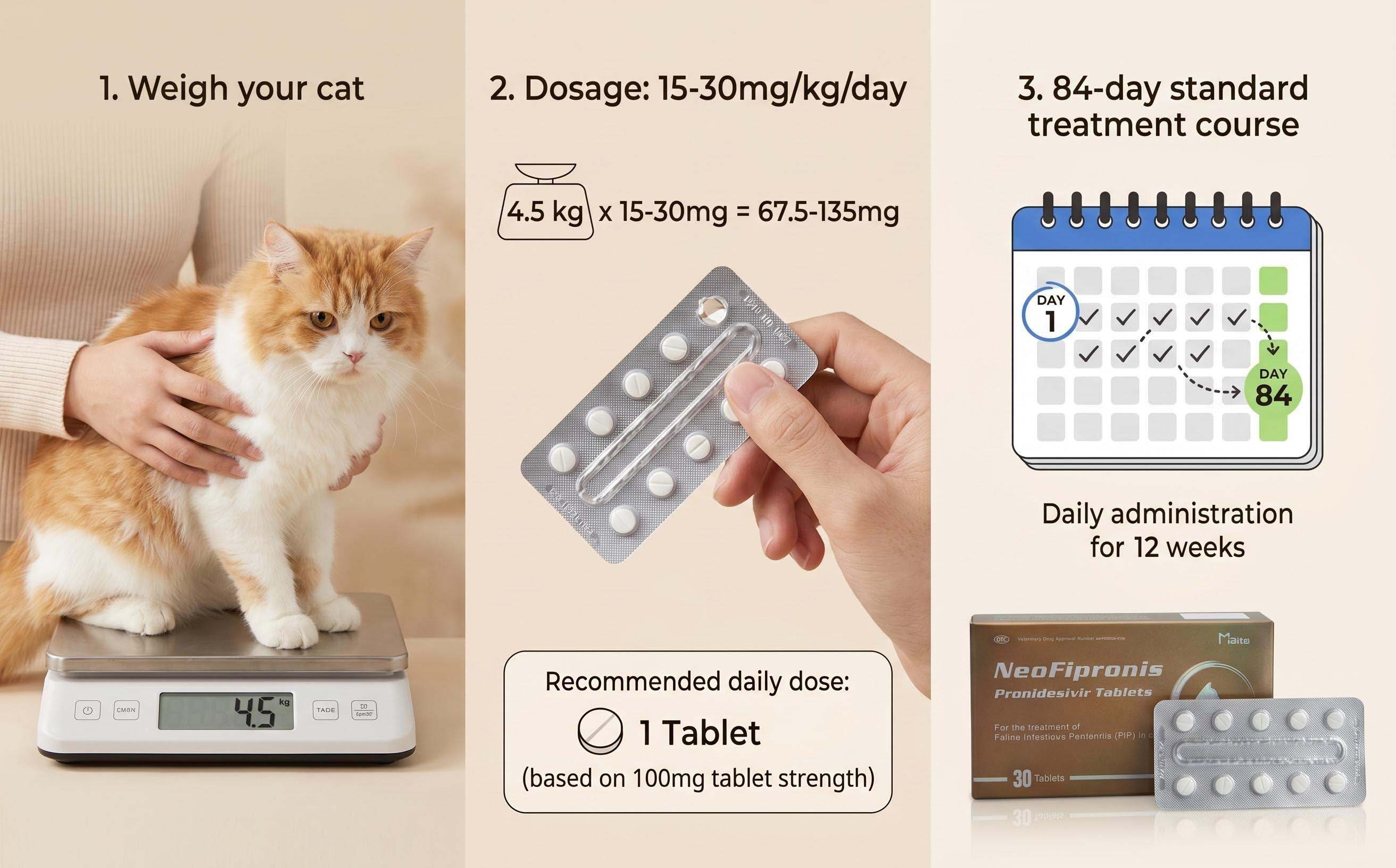
1. Antiviral Therapy: Drugs such as GS-441524 and remdesivir act by inhibiting viral replication. Some cats show remarkable recovery, particularly with early intervention.
2. Supportive Care: Anticonvulsant medications (such as phenobarbital, levetiracetam, or diazepam) control recurrent or severe seizures. Steroids may reduce inflammation.
3. Nutritional and Hydration Support: Maintaining optimal hydration, nutrition, and electrolyte balance minimizes seizure risk.
4. Environmental Modifications: Calm, quiet settings help reduce seizure triggers and improve overall comfort.
5. Monitoring and Reassessment: Regular assessment guides therapy adjustments as the disease evolves.
Prognosis and Quality of Life
Despite advances, cats with FIP-associated seizures face poor long-term outcomes. Neurological FIP often progresses rapidly, and seizures may indicate advanced disease. Antiviral treatment offers hope for select cases, but many cats succumb within weeks. Early diagnosis, aggressive therapy, and quality-of-life considerations are essential. Support for owners, including guidance about humane euthanasia in severe cases, remains integral.
Risk Factors for Neurological FIP
Certain factors increase the risk of CNS involvement and seizures:
Age: Kittens and young adults are most susceptible.
Breed: Purebred cats may be predisposed due to genetic factors.
Environment: Crowded conditions, shelters, and breeding facilities promote FCoV transmission.
Stress: Immunosuppression or major lifestyle changes can precipitate FIP.
Prior FCoV exposure: Cats that repeatedly encounter the virus risk mutation and subsequent FIP.
Prevention and Public Health Implications
Preventing FIP remains challenging due to the widespread nature of FCoV and mutation unpredictability. Key strategies include:
Minimizing multi-cat groupings
Rigorous hygiene
Isolating sick animals
Routine veterinary checkups
Breeders and shelter managers must remain vigilant, particularly when neurological signs such as seizures arise. Research continues into vaccines and improved antiviral protocols, with the hope of decreasing FIP prevalence and severity.
Importance of Early Recognition
Recognizing the potential link between FIP and seizures allows for swifter intervention, improved supportive care, and better management of outbreaks in multi-cat settings. Educational campaigns now emphasize understanding atypical presentations, especially since neurological FIP can masquerade as other disorders.
Research Directions and Future Outlook
The role of FIP in causing seizures and other neurological problems is an area of active investigation. Studies of antiviral drugs are expanding, and molecular research seeks to unravel mechanisms behind CNS invasion. New diagnostic tools, including advanced imaging and molecular assays, promote earlier and more accurate detection.
Long-term, researchers hope to pinpoint risk factors, refine treatments, and ultimately prevent FIP altogether. Collaboration between veterinarians, feline geneticists, immunologists, and virologists promises continued progress in understanding and managing this enigmatic disease.
References
1. Pedersen, N.C., "A Review of Feline Infectious Peritonitis Virus Infection: 1963–2008," Journal of Feline Medicine and Surgery, 2009.
2. Kipar, A., Meli, M.L., "Feline Infectious Peritonitis: Still an Enigma?" Veterinary Pathology, 2014.
3. Dickinson, P.J., "Neurological Feline Infectious Peritonitis," Journal of Feline Medicine and Surgery, 2014.
4. Dewerchin, H.L., Cornelissen, E., Nauwynck, H.J., "Replication of Feline Coronaviruses in Peripheral Blood Monocytes Correlates with FIPV Virulence," Journal of General Virology, 2005.
5. Tasker, S., "Diagnosis and Management of Feline Infectious Peritonitis," In Practice, 2020.
6. Addie, D.D., "Feline Coronavirus Infection," ABCD Guidelines on FIP, European Advisory Board on Cat Diseases, 2021.
7. Fischer, Y., "GS-441524 for Cats With FIP and Neurological Signs: A Case Series," Journal of Veterinary Internal Medicine, 2022.
8. Foley, J.E., Poland, A., Carlson, J., et al., "Risk Factors for FIP Among Feline Coronavirus–Infected Cats," Journal of the American Veterinary Medical Association, 1997.