How long can a cat with FIP live

Feline Infectious Peritonitis (FIP) is one of the most challenging diseases faced by cat owners and veterinarians alike. Caused by certain strains of the feline coronavirus, FIP is notorious for its variable progression and poor prognosis. Understanding the factors that influence the lifespan of a cat diagnosed with FIP can help pet owners make informed decisions regarding care and management.
Types of FIP and Their Impact on Life Expectancy
FIP primarily manifests in two forms: the wet (effusive) type and the dry (non-effusive) type. The wet form involves the accumulation of fluid within the abdominal or chest cavities, often leading to rapid deterioration. The dry form, on the other hand, results in granulomatous lesions across various organs, progressing more slowly but causing significant organ damage over time.
Wet FIP: Usually progresses rapidly, with many cats succumbing within weeks of diagnosis unless aggressive treatment is initiated.
Dry FIP: Has a comparatively longer course, potentially extending from a few months to over a year, depending on treatment options and disease severity.
Factors Influencing Survival Time
1. Stage of Disease at Diagnosis
The timing of diagnosis significantly influences prognosis. Early detection, especially before extensive organ involvement, can extend survival time, particularly when combined with emerging treatment modalities.
2. Availability and Use of Antiviral Treatments
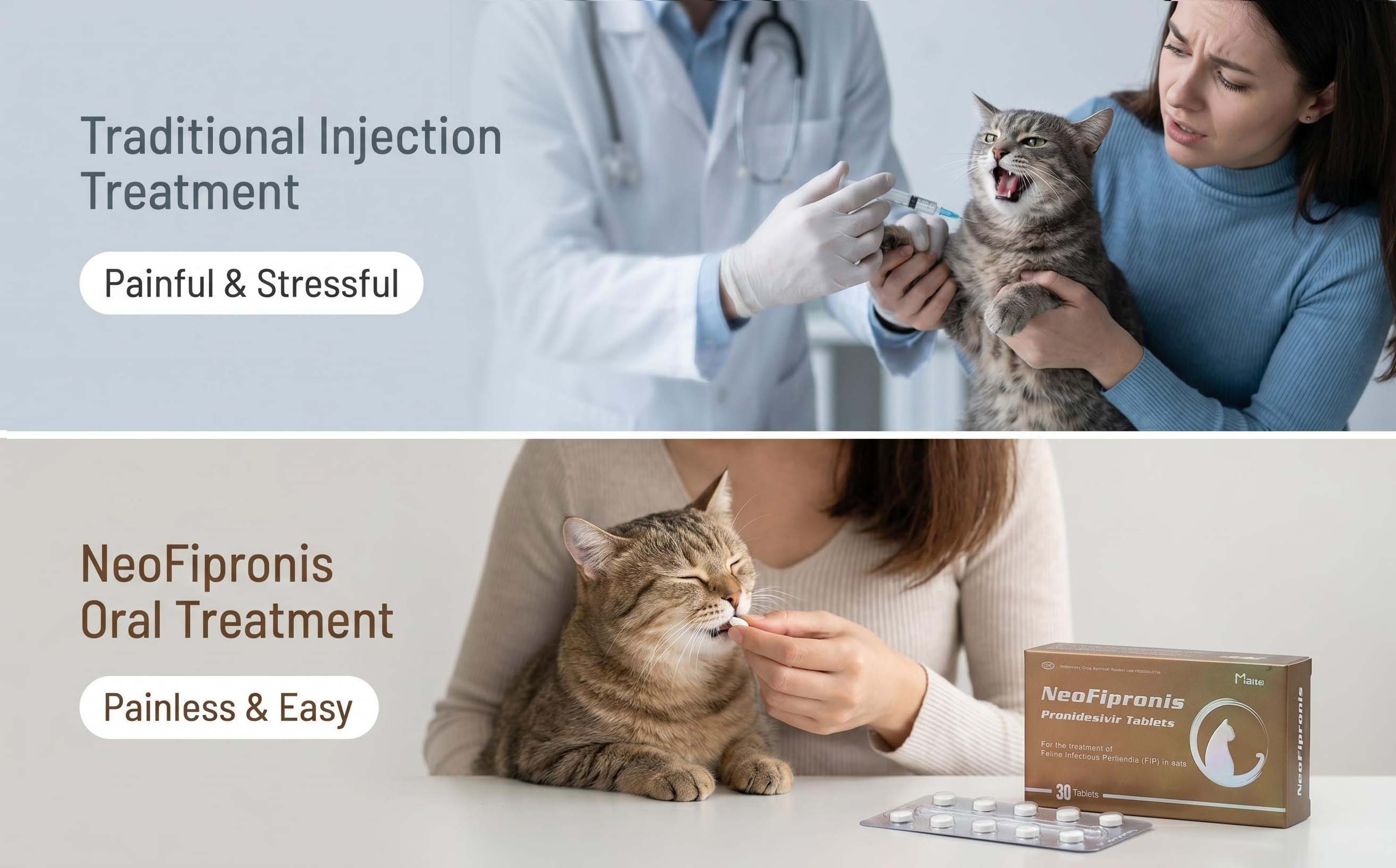
Recent advances have introduced antiviral drugs—such as GS-441524—that show promise in treating FIP. Cats receiving these medications often experience remission and live beyond the typical expectancy, sometimes reaching several months or even years. However, access to such treatments may vary, and their long-term efficacy remains under study.
3. Overall Health and Age of the Cat
Younger cats or those with robust immune systems tend to respond better and survive longer. Comorbidities or pre-existing health issues often shorten survival times.
4. Disease Severity and Organ Involvement
Extensive organ damage, particularly involving the liver, kidneys, or central nervous system, reduces the likelihood of long-term survival. Cats with localized lesions generally fare better.
5. Supportive and Palliative Care
While supportive care doesn’t cure FIP, it can alleviate symptoms and improve quality of life. Use of anti-inflammatory drugs, fluid therapy, and nutritional support are common. In some cases, this may extend the quality and duration of life.
Typical Survival Periods
Historically, without treatment, most cats with FIP die within 1 to 3 months after clinical signs appear. The prognosis for cats with the wet form is particularly grim, often measured in weeks. Conversely, cats with the dry form can sometimes survive several months if the disease remains localized and supportive care is provided.
With the advent of experimental antiviral drugs, these timelines are shifting:
Responders to antiviral therapy: Some cats have lived for 6 months to over a year, with ongoing management.
Variability in outcomes: Not all cats respond similarly, and some may relapse or have chronic health issues limiting lifespan.
Life Extension Through Emerging Therapies
The landscape of FIP treatment is rapidly evolving. While no universally approved cure exists as of now, antiviral therapies such as GS-441524 have demonstrated remarkable success in clinical trials. Their use has transformed the previously fatal diagnosis into a manageable condition for some cats.
Current limitations: Cost, availability, and long-term safety data are ongoing concerns.
Potential future developments: Vaccines and novel antiviral agents are under research, promising further improvements in lifespan and quality of life.
Prognosis and Care Decisions
Decisions around euthanasia versus aggressive treatment involve multiple considerations—cat's age, disease severity, owner resources, and emotional capacity. It's essential to work closely with a veterinarian experienced in feline infectious diseases to develop a personalized plan.
A cat diagnosed with FIP might live a few weeks to several months, contingent on the disease form, health condition, and treatments employed. Ongoing research continues to offer hope, with some cats defying the odds and achieving longer periods of remission and good quality of life.
Emerging Insights and Perspectives
The evolving understanding of FIP suggests that early intervention with antiviral therapy could be a game-changer, potentially push the duration of survival substantially. Additionally, tailored supportive care that addresses individual symptoms and organ function may further improve outcomes. While the prognosis remains guarded, the possibilities for extending life and enhancing well-being have never been more promising, highlighting a pivotal shift in managing this once-devastating disease.