How Long Does It Usually Take to Recover From Dry FIP
Feline Infectious Peritonitis (FIP) remains one of the most challenging diseases faced by feline veterinarians and owners alike. The dry form of FIP, characterized by granulomatous inflammation rather than the classic fluid accumulation, has historically been regarded as almost universally fatal. However, recent advances in diagnostics and treatments have shifted the prognosis landscape, prompting questions about recovery timelines and management strategies.
Understanding Dry FIP and Its Pathophysiology
Dry FIP involves a complex immune response where macrophages and lymphocytes cluster, forming granulomas predominantly in vital organs like the liver, kidneys, and nervous system. Unlike the wet form, which causes effusions in body cavities, dry FIP's hallmark is the formation of solid lesions. This subtle clinical presentation often delays diagnosis, impacting treatment outcomes.
Variability in Disease Progression
The course of dry FIP varies significantly across individual cases. Factors influencing progression include the cat's immune response, age, overall health status, and timeliness of intervention. While some cats succumb within weeks of initial symptoms, others may stabilize or respond to treatment over several months.
Emerging Therapies and Their Impact on Recovery Duration
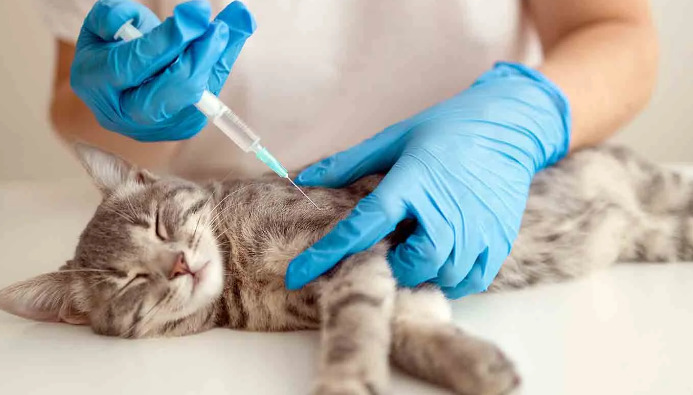
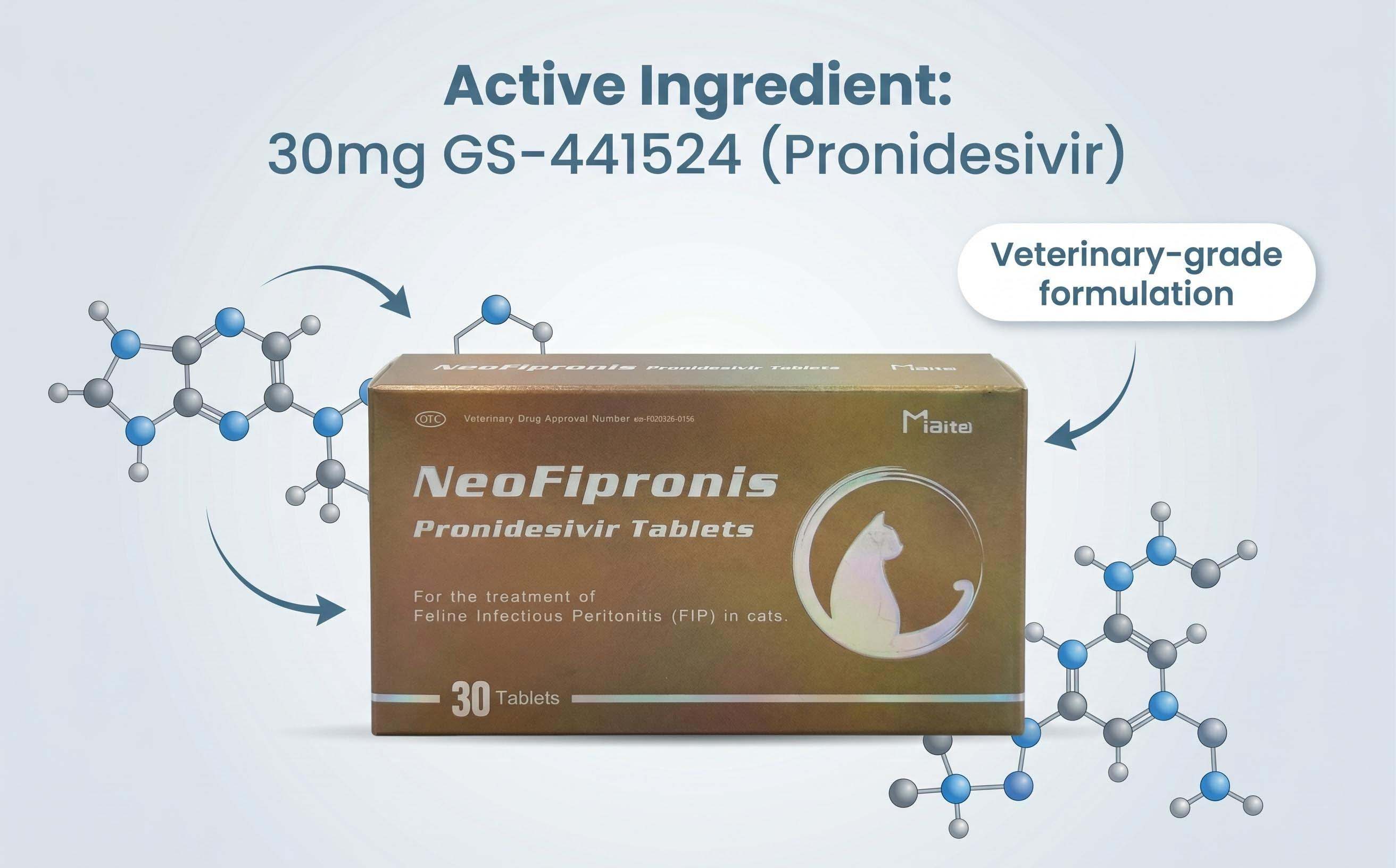
Recent developments, such as antiviral drugs like GS-441524 and its derivatives, have improved survival rates. These medications target viral replication, allowing immune system recovery and organ healing. However, the timeline for noticeable improvement differs:
Initial Response: Cats often exhibit signs of stabilization within a week or two of starting therapy.
Intermediate Phase: Over the subsequent 4 to 8 weeks, improvements in appetite, weight gain, and organ function are observed.
Long-Term Recovery: Complete resolution might extend beyond 12 weeks, especially in cases with extensive organ involvement.
Key Factors Affecting Recovery Time
The duration until recovery depends on multiple variables:
Extent of Organ Damage: Chronic or widespread granulomas may prolong healing, sometimes making full recovery unlikely.
Age and Immune Competence: Younger, healthier cats tend to respond faster due to more resilient immune systems.
Early Diagnosis and Treatment Initiation: Prompt intervention correlates with shortened recovery periods.
Adherence to Treatment Protocols: Consistent administration of antiviral medications, coupled with supportive care, optimizes chances for quicker remission.
Monitoring and Managing Expectations
Veterinarians typically recommend regular blood work, imaging, and clinical evaluations to assess progress. Mild cases with limited organ involvement may resolve within a few months, whereas severe cases could require ongoing management for six months or more. Complete remission is possible in some cases, but partial responses with residual lesions might necessitate long-term supportive therapy.
Potential Challenges During Recovery
Relapse: Some cats experience setbacks, especially if treatment is interrupted.
Side Effects: Antiviral agents can cause side effects such as gastrointestinal upset or liver enzyme alterations, potentially affecting recovery timelines.
Residual Lesions: Even after clinical improvement, granulomatous lesions may persist, requiring continued monitoring.
Prognosis and Realistic Expectations
Although the advent of antiviral therapies has transformed FIP from almost uniformly fatal to potentially manageable, timelines are highly individualized. While some cats show noticeable improvements within 4 to 8 weeks, full recovery with organ normalization might take 3 to 6 months or longer. Others may never fully recover, emphasizing the importance of early diagnosis and comprehensive care.
Additional Considerations
Complementary Therapies: Immunomodulators, corticosteroids, and supportive nutrition may influence recovery duration, either hastening improvement or complicating the clinical course.
Owner Involvement: Adherence to treatment protocols and regular veterinary follow-ups are crucial for optimizing recovery chances.
Unseen Factors in Recovery Dynamics
Emerging evidence suggests that genetic factors, viral strain virulence, and even environmental stresses can subtly influence recovery trajectories. Personalized treatment plans tailored to each cat’s unique physiological profile are increasingly recognized as the best approach to improve outcomes.
References
1. Pedersen, N. C. (2019). Feline Infectious Peritonitis: Diagnosis and Management. Veterinary Clinics of North America: Small Animal Practice, 49(4), 607-629.
2. Addison, E. M., et al. (2020). Evaluation of GS-441524 Therapy in Cats with Feline Infectious Peritonitis. Frontiers in Veterinary Science, 7, 615.
3. Hartmann, K. (2017). Feline infectious peritonitis. Veterinary Clinics of North America: Small Animal Practice, 47(3), 525-541.
4. Kip, J. (2021). Advances in FIP Treatment: Impact on Disease Prognosis. Journal of Feline Medicine and Surgery, 23(6), 543-552.