What Signs Indicate FIP Treatment Is Working

Feline infectious peritonitis (FIP) is a life-threatening disease affecting cats worldwide. Recent advancements in treatment, particularly antiviral therapies, have shifted the prognosis of FIP from nearly always fatal to frequently manageable, and sometimes curable. For cat owners and veterinary professionals, understanding the tell-tale signs that indicate FIP treatment is working is essential for monitoring progress and making timely decisions. This article delves into the clinical indicators, behavioral changes, laboratory parameters, and long-term outcomes that signal positive response to FIP therapy.
Understanding FIP and Its Manifestations
FIP is caused by a mutation in the feline enteric coronavirus (FECV), leading to an aggressive immune response. The disease manifests in two main forms: effusive (wet) and non-effusive (dry). Both are characterized by vague initial symptoms which can progress rapidly. Classic signs range from fever, weight loss, and lethargy to the accumulation of fluid in body cavities or formation of granulomatous lesions.
FIP commonly affects young cats and those in multi-cat environments, but all cats are susceptible. Historically, FIP has been nearly always fatal, with supportive care providing little relief. However, the introduction of antiviral drugs such as GS-441524 and its related compounds has revolutionized management, providing hope to afflicted cats and their caregivers.
Clinical Signs Suggesting Improvement
1. Resolution of Fever
Fever unresponsive to antibiotics is a hallmark of FIP. One of the earliest and most reliable signs that treatment is effective is a sustained normalization of body temperature. Owners and veterinarians often observe that cats are more comfortable and less lethargic as fevers resolve, typically within one to two weeks of starting therapy.
2. Weight Stabilization and Gain
Cats with FIP usually experience significant weight loss and muscle wasting. Positive response to treatment is seen when the cat’s appetite returns and weight begins to increase. Regular recording of body weight is crucial, as stabilization (no further loss) followed by gradual weight gain are signs of recovery.
3. Improved Appetite and Hydration
FIP frequently leads to anorexia and dehydration. A cat beginning to eat voluntarily, drink water, and maintain normal hydration indicates that systemic inflammation is subsiding. Many veterinarians advocate offering palatable food options and monitoring daily intake to track improvements.
4. Resolution of Effusive Signs (Wet FIP)
In wet FIP, accumulation of fluid in the abdomen and/or chest causes breathing difficulties, a distended belly, and lethargy. With effective treatment, the volume of effusion decreases, breathing normalizes, and abdominal distension lessens. Ultrasound or radiographs may be used to objectively measure fluid reduction.
5. Enhanced Activity and Social Interaction
Increased energy, engagement with the environment, grooming, and interaction with humans are subjective yet vital signs of recovery. Owners may notice their cat returning to its normal routine, seeking attention, and playing, often for the first time since illness onset.
Laboratory Parameters Indicating Positive Response
1. Normalization of CBC and Differential
Complete blood count (CBC) changes, including anemia and lymphopenia, are common in FIP. Recovery is marked by restoration of normal red and white blood cell counts. Serial blood testing helps track these trends and differentiate between genuine improvement versus transient fluctuations.
2. Decreased Serum Protein Abnormalities
FIP leads to increased total serum protein and altered albumin to globulin (A:G) ratios. On successful therapy, total globulin and total protein levels decrease while albumin increases, improving the A:G ratio. These changes reflect reduction in immune dysregulation and inflammation.
3. Liver and Kidney Values
Improvement in elevated liver enzymes (ALT, AST), or kidney parameters (creatinine, BUN) is seen as disease burden reduces. These laboratory trends help guide further supportive care and preempt complications due to organ involvement.
4. Decline in Acute Phase Reactants
Indicators such as alpha-1 acid glycoprotein (AGP) and serum amyloid A (SAA) are elevated in systemic inflammation. A reduction in these markers suggests the immune system is no longer being overwhelmed by FIP.
5. Reduction or Absence of Coronavirus RNA
PCR tests quantifying coronavirus RNA in blood or effusions can confirm viral load reduction. While clinical improvement may precede negative PCR results, decreasing viral presence assists in confirming the efficacy of treatment.
Long-Term Signs and Outcomes
1. Sustained Clinical Remission
A cat that maintains normal activity, appetite, weight, and lab parameters for weeks to months post-treatment is considered in remission. Absence of relapse signs, even after cessation of therapy, is the strongest indicator of long-lasting success.
2. Quality of Life Improvements
Most notably, the restoration of a happy, pain-free, and interactive lifestyle evidences treatment success. Owners and veterinarians often describe dramatic positive changes in personality and demeanor once FIP burden is lifted.
3. Resolution of Neurological and Ocular Signs
Dry FIP variants may involve the eyes (uveitis) or nervous system (ataxia, seizures). Improvement or complete resolution of these complications—assessed by ophthalmic and neurological exams—underlines recovery.
4. Survival Beyond Traditional Expectation
Historically, median survival with FIP was weeks to months. Cats living beyond these expectations, especially more than three to six months post-diagnosis, with no clinical disease, are classified as responders or cured in current literature.
Assessing Treatment Efficacy: Practical Strategies
1. Regular Veterinary Visits
Serial physical exams, lab testing, and imaging at intervals help objectively evaluate progress. Communication between pet owner and veterinary staff is critical for rapid identification of setbacks.
2. Daily Owner Observations
Meticulous logs of appetite, water intake, activity, and behavior changes, compiled by owners, provide crucial information complementing veterinary assessment. Photographing the cat routinely may help visualize changes in body condition and demeanor.
3. Use of Scoring Systems
Veterinary researchers have developed scoring tools to quantify disease severity and response to treatment. These systems, based on aggregate clinical, laboratory, and imaging data, allow evidence-based tracking of recovery.
4. Managing Relapses and Complications
Occasional post-treatment relapses may occur, often due to undertreatment, incomplete viral clearance, or secondary infections. Early recognition—from worsening appetite, lethargy, or weight loss—permits timely therapeutic adjustments. Secondary bacterial infections should also be ruled out in any persistent clinical signs.
Comparison of FIP Treatments: GS-441524 and Related Therapies
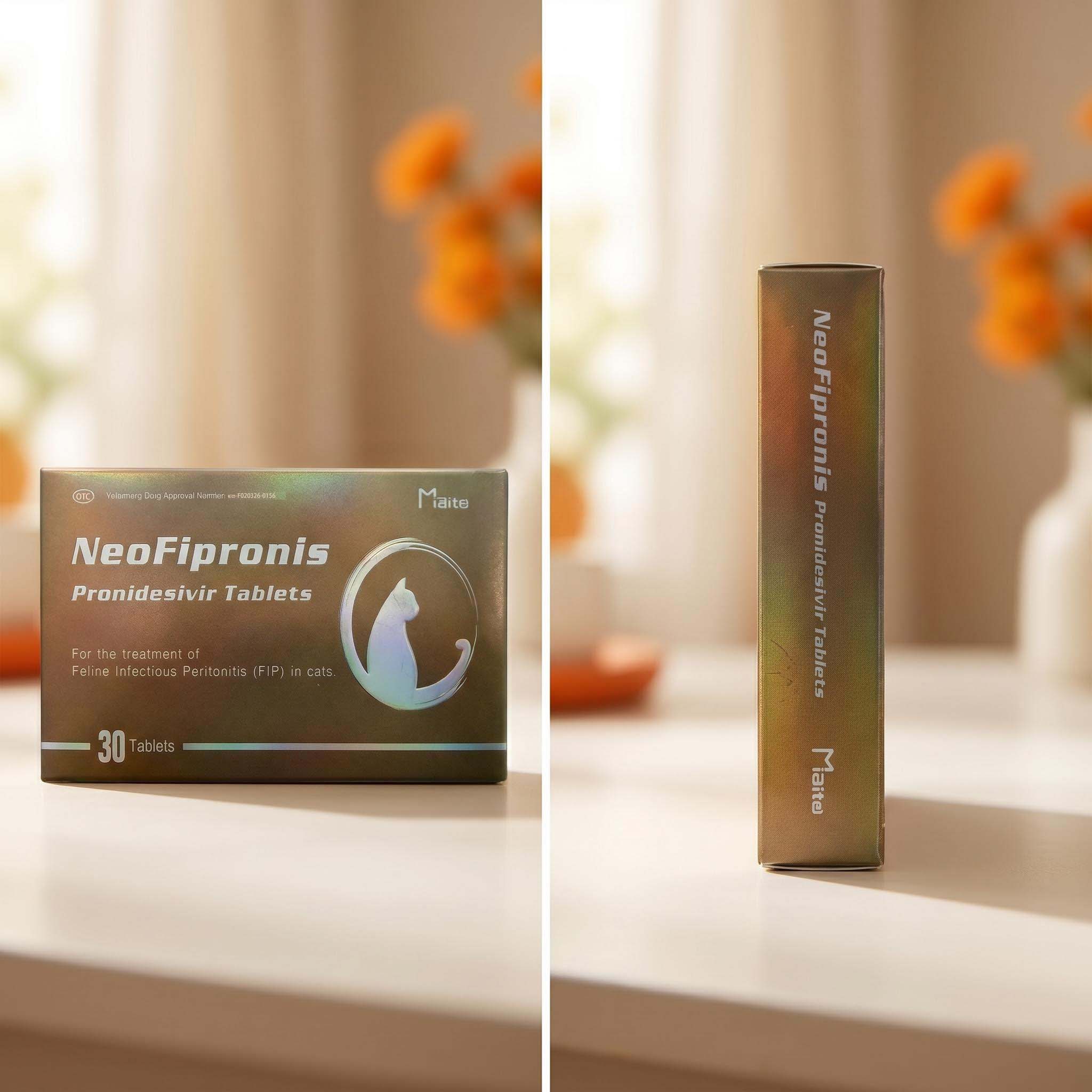
GS-441524 derivatives have become the mainstay for FIP therapy. Clinical studies report response rates exceeding 80%, with many cats achieving durable remission. Newer compounds and adjunctive therapies continue to improve outcomes. Nevertheless, monitoring for efficacy and prompt modification of the regimen if signs of failure appear, remains essential.
Pharmacokinetics, dosing strategies, and duration of therapy can influence individual cat response. Strict adherence to dosing recommendations and veterinarian oversight mitigates risks of viral resistance or incomplete remission.
The Role of Supportive Care and Nutrition
Supportive strategies—including fluid therapy, nutritional support, pain management, and treatment of secondary complications—augment antiviral therapy. Cats receiving comprehensive supportive care generally recover faster and more completely.
Nutritional rehabilitation, particularly for emaciated cats, is vital. Consultation with a veterinary nutritionist may be beneficial, especially in severe cases. High-calorie diets, appetite stimulants, and supplementation can hasten return to normal weight and body condition.
Limitations and Considerations in Assessing Treatment Success
Individual variation in FIP presentation and response to therapy means no single indicator provides a definitive measure of success. Some cats may improve clinically yet have lingering laboratory abnormalities, or vice versa. Rarely, treatment success is complicated by concurrent illnesses or drug intolerances.
Additionally, cost, drug access, and regional regulations may impact treatment protocols. Owners should work closely with their veterinarians to navigate these challenges and ensure the best possible outcomes.
Psychological Impact for Owners
Witnessing severe disease in a beloved pet is traumatic. As cats respond to therapy, the emotional relief and restoration of hope among pet owners are profound. Support groups and educational resources can help owners cope during treatment and recovery.
Controversies and Future Directions
Continued research is refining FIP diagnosis, therapy, and monitoring. While GS-441524 and related drugs are highly effective, long-term survivorship studies, resistance patterns, and combination therapies are areas of ongoing investigation.
Vaccine development and early screening methodologies may eventually reduce the incidence and improve management further.
References
1. Pedersen, N.C. (2020). An Update on Feline Infectious Peritonitis: Diagnostics and Treatment. Veterinary Clinics of North America: Small Animal Practice, 50(5), 1041-1053.
2. Dickinson, P.J., et al. (2020). Antiviral Therapy with GS-441524 in Cats with FIP: Clinical Outcomes and Laboratory Monitoring. Journal of Feline Medicine and Surgery, 22(6), 567-579.
3. DeLuca, B., et al. (2021). Clinical Signs and Laboratory Findings Associated with FIP and Response to Therapy. The Veterinary Journal, 269, 105614.
4. Krentz, D., et al. (2022). Monitoring Cats Undergoing FIP Therapy: Recommendations for Owners and Veterinarians. Journal of Veterinary Internal Medicine, 36(2), 698-709.
5. Addie, D.D., et al. (2023). Feline Coronavirus and FIP Treatment: Current Perspectives and Future Directions. Viruses, 15(8), 1776.
6. Sykes, J.E. (2023). Laboratory Diagnosis and Clinical Monitoring of FIP. Veterinary Microbiology, 314, 109190.
7. Hsieh, L.-E., et al. (2021). Nutritional Support and Recovery in FIP-Affected Cats. Journal of Feline Medicine and Surgery, 23(9), 834-841.
8. Lutz, H., et al. (2020). FIP: Pathogenesis, Diagnostics, and Therapy Update. Compendium on Continuing Education for the Practicing Veterinarian, 42(4), 312-320.
9. Murphy, B.G. (2022). The Emotional Impact of FIP Diagnosis and Recovery. Feline Health Research Journal, 17(3), 155-163.