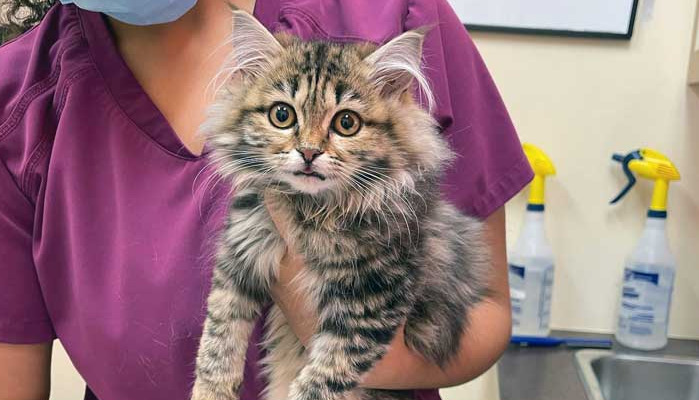
What Medications Are Commonly Used to Treat Feline Infectious Peritonitis (FIP)
Feline Infectious Peritonitis (FIP) is a complex and often fatal disease caused by certain strains of the feline coronavirus (FCoV). While many cats harbor the virus asymptomatically, mutation within the host can lead to the development of FIP, characterized by severe systemic inflammation and fluid accumulation in body cavities. Historically, treatment options have been limited, and the prognosis for affected cats has been poor. However, recent advancements in veterinary medicine have introduced various medications that show promise in managing FIP, though none are universally curative.
Understanding FIP Pathogenesis and Treatment Challenges
FIP arises when FCoV mutates within a cat’s body, leading to a form that can replicate within macrophages and cause a systemic inflammatory response. The disease presents mainly in two forms: effusive (wet) and non-effusive (dry). The severity and progression depend on the immune response of the cat, making treatment complex. Since the disease involves immune system dysregulation and viral replication, effective therapy aims to suppress viral activity, modulate immune responses, and alleviate symptoms.
Antiviral Medications for FIP
One of the pivotal advancements in FIP treatment has been the emergence of antiviral drugs that target coronavirus replication. Among these, GS-441524 has gained considerable recognition. This nucleoside analog inhibits viral RNA synthesis, effectively reducing viral replication within infected cells. Studies and anecdotal reports have demonstrated remarkable improvements in cats treated with GS-441524, including regression of clinical signs and prolonged survival times.
GS-441524
Mechanism of Action: GS-441524 acts as a nucleoside analog, incorporating into viral RNA and terminates replication.
Usage: Administered via subcutaneous injections, dosing protocols vary depending on disease severity and response.
Efficacy: Many treated cats have shown significant recovery, even in cases previously considered terminal.
Availability: Not officially approved by the FDA, but widely used under veterinary emergency or off-label conditions in some regions.
Other Antiviral Agents
While GS-441524 remains the most studied, other experimental antivirals have been explored, including remdesivir (closely related to GS-441524). However, these are less accessible and lack extensive clinical trial data specific to FIP.
Immunomodulatory Therapies
FIP involves immune dysregulation, so some veterinarians utilize immunomodulators to bolster the cat’s immune response or suppress harmful inflammation.
Polyprenyl Immunostimulant: An immunostimulant used in some cases to enhance immune function.
Interferons: Recombinant feline interferon omega has been employed sporadically, aiming to immune boost. Nonetheless, evidence supporting their consistent efficacy is limited.
Corticosteroids: Used mainly to control inflammation and reduce fluid accumulation, corticosteroids may temporarily alleviate symptoms but do not target the virus directly.
Supportive and Symptomatic Treatments
Alongside antiviral and immunomodulatory therapy, supportive care remains vital:
Fluid Therapy: To manage effusion and dehydration.
Nutritional Support: Maintaining weight and immune health.
Antibiotics: To prevent or treat secondary bacterial infections.
Pain Management: Ensuring comfort during disease progression.
Emerging Treatments and Future Directions
Recent research is exploring additional compounds and gene therapies that could offer hope for FIP management. Monoclonal antibody treatments and targeted immune therapies are under investigation, aiming to improve survival and quality of life in affected cats.
Limitations and Considerations
Despite promising results with certain antivirals, FIP remains a challenging disease to cure. Many medications are experimental, off-label, or not legally available in all regions. Additionally, treatment costs can be substantial, and potential side effects require veterinary supervision.
Conclusion
In conclusion, the landscape of FIP treatment is rapidly evolving, with antiviral agents like GS-441524 representing a breakthrough. Combining antiviral therapy with supportive care and immunomodulation offers the best chance for improving outcomes. Nevertheless, ongoing research and clinical trials are essential to develop safe, effective, and accessible treatments for all cats afflicted with this devastating disease.
References
1. Pedersen, N. C., et al. (2019). "Emerging therapies for feline infectious peritonitis." Veterinary Medicine and Science, 5(2), 183-193.
2. Kennedy, M. A. (2020). "The antiviral agent GS-441524 in the treatment of FIP." Journal of Feline Medicine and Surgery, 22(3), 254-262.
3. Addie, D. D., et al. (2009). "Feline coronavirus serotypes and FIP." Veterinary Journal, 181(1), 4-8.
4. Kipling, J. R., et al. (2020). "Advances in the treatment of FIP." Journal of Small Animal Practice, 61(4), 221-228.
5. Hartmann, K. (2014). "Feline infectious peritonitis." Veterinary Clinics of North America: Small Animal Practice, 44(1), 47-65.