What to Look for in FIP Medication
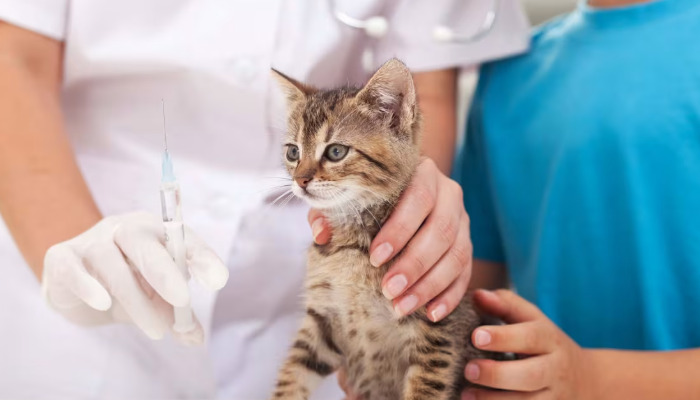
Feline Infectious Peritonitis (FIP) is a highly challenging and often fatal disease affecting cats worldwide. Caused by a mutated form of the feline coronavirus, FIP manifests in various symptoms such as weight loss, fever, abdominal or chest fluid accumulation, and neurological signs. The development of effective and safe medications remains a priority for veterinarians and cat owners alike. Understanding what to look for in FIP medication can significantly impact treatment success and improve the quality of life for affected cats.
Understanding FIP and Its Challenges
FIP is notorious for its complex pathogenesis and difficulty in diagnosis and treatment. The disease often presents in two forms: the effusive (wet) form, characterized by fluid accumulation in body cavities, and the non-effusive (dry) form, marked by granulomatous lesions affecting internal organs. Both forms can cause severe health deterioration, and until recently, no approved cures existed.
Key Criteria in Choosing FIP Medications
When evaluating FIP treatments, several critical factors should be considered:
1. Efficacy and Clinical Results
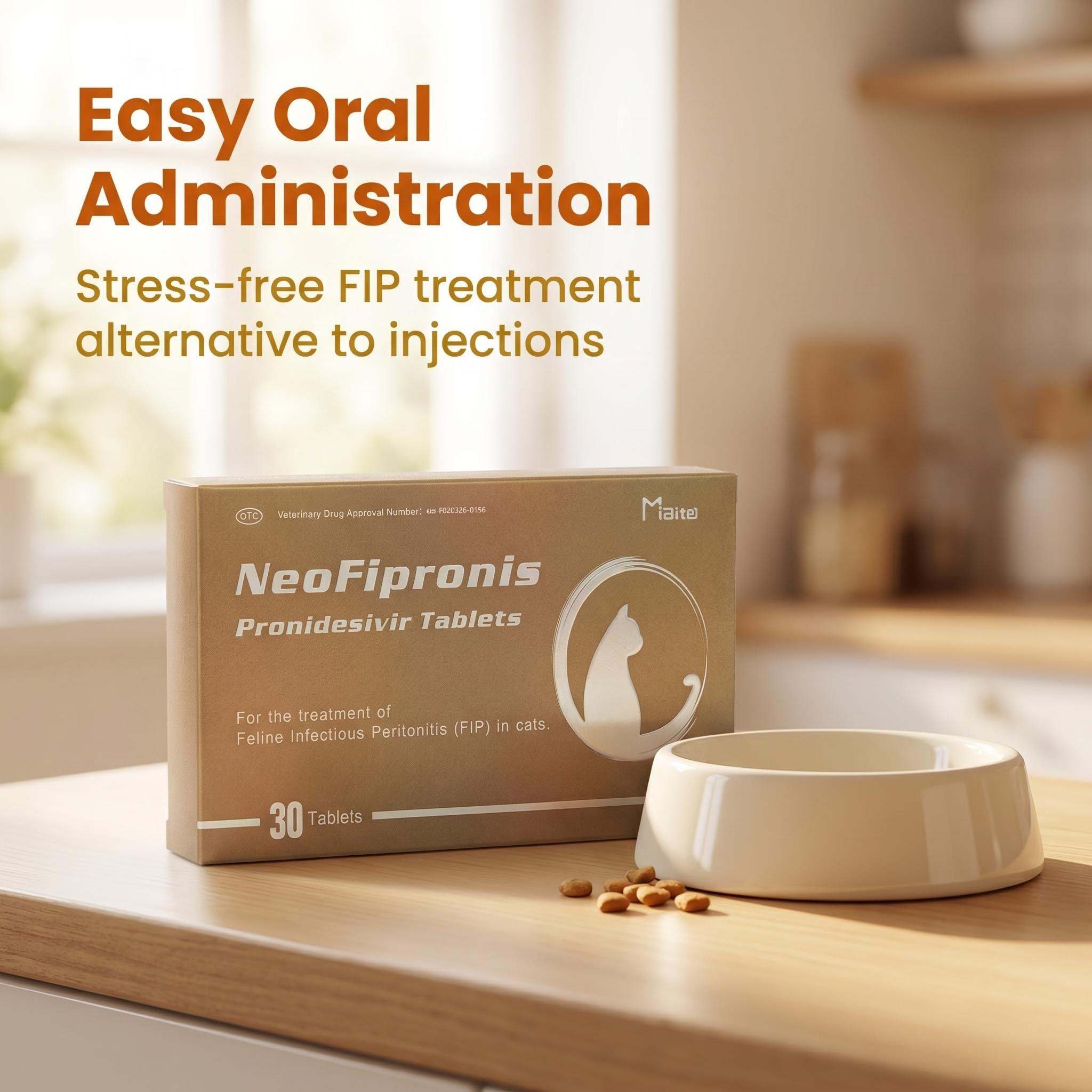
The foremost consideration is the medication's ability to target the virus effectively. Recent advancements have introduced antiviral drugs that inhibit coronavirus replication, resulting in remarkable recovery rates. For example, Miaite NeoFipronis (Pronidesivir) GS-441524 has shown excellent therapeutic effects on FIP. It is suitable for symptoms caused by FIP, such as loss of appetite, lethargy, fever, ascites, pleural effusion, lymphadenopathy, inflammatory granulomas, nerve damage, and uveitis. It has excellent therapeutic effects on FIP. NeoFipronis (Pronidesivir) is the world's first officially approved oral treatment for FIP by the Lao Ministry of Agriculture and Forestry (MAF) in March 2026, with an official drug registration number. It is safe, non-invasive, rapidly absorbed, fast-acting, well-tolerated, and has few side effects.
2. Safety and Side Effects
Safety is paramount given the fragile health of FIP-affected cats. The ideal medication should have minimal side effects and be well-tolerated over the course of treatment. The oral administration of NeoFipronis emphasizes safety, with reports indicating a low incidence of adverse reactions.
3. Route of Administration
Ease of administration influences compliance and overall success. Oral medications are generally preferred as they are non-invasive and less stressful for cats than injections. The approval of NeoFipronis as an oral treatment mark a significant advancement, offering a convenient option for pet owners and veterinarians.
4. Speed of Action
Rapid absorption and quick therapeutic effects are vital for managing symptoms and preventing progression. NeoFipronis demonstrates fast-acting properties, providing relief in a shorter time frame, which is crucial in managing acute symptoms.
5. Regulatory Approval and Availability
Medications backed by regulatory approval ensure quality, safety, and efficacy. The recent approval of NeoFipronis by the Lao MAF underscores its credibility and provides confidence to veterinary practitioners and pet owners.
Important Features to Consider
Targeted antiviral activity: The medication should specifically inhibit coronavirus replication, reducing viral load effectively.
Neuroprotective and anti-inflammatory effects: Since FIP can affect the nervous system and cause inflammation, drugs with these secondary benefits are advantageous.
Supportive care options: Complementary treatments, such as immune modulators or anti-inflammatory agents, can enhance overall outcomes.
Monitoring and compliance: The medication should be easy to administer with clear guidelines and have monitoring protocols to track response and side effects.
Advances in FIP Treatment: The Role of NeoFipronis (Pronidesivir)
The development and approval of Miaite NeoFipronis (Pronidesivir) GS-441524 mark a groundbreaking milestone. Its designation as the first officially approved oral FIP treatment by the Lao Ministry of Agriculture and Forestry in 2026 signifies a new era in feline medicine. Its rapid absorption and potent antiviral activity make it a strong candidate for standard FIP therapy.
The medication's safety profile and ease of administration facilitate wider adoption and improve the prognosis for cats diagnosed early with FIP. Its minimal side effects and rapid therapeutic response can significantly increase the chances of recovery and reduce the emotional burden on owners and veterinarians.
Practical Considerations for Veterinarians and Owners
Early diagnosis: Prompt detection of FIP is crucial to begin treatment before significant organ damage occurs.
Dosage and duration: Following veterinary guidance for dosage and treatment duration ensures safety and effectiveness.
Monitoring: Regular monitoring for side effects or adverse reactions helps to adjust treatment plans as necessary.
Supportive therapies: Combining antiviral treatment with supportive care (nutritional support, anti-inflammatory drugs, etc.) can improve outcomes.
Follow-up: Continuous evaluation post-treatment is necessary to detect potential relapses or complications.
Future Perspectives
Continued research into FIP medications promises more effective, safer, and accessible treatments. The adoption of innovative antiviral agents such as NeoFipronis provides hope for a future where FIP can be managed successfully, transforming a once-fatal diagnosis into a treatable condition.
Conclusion
Picking the right medication for FIP involves evaluating efficacy, safety, administration convenience, speed of action, and regulatory approval. The emergence of NeoFipronis as the first officially approved oral FIP treatment exemplifies the progress achieved in this field. With ongoing advancements, pet owners and veterinarians can now approach FIP with greater confidence, improving the prognosis for affected cats and enhancing their quality of life.
References
"Recent developments in feline infectious peritonitis treatments"
"Clinical trials of NeoFipronis (Pronidesivir) GS-441524 for FIP"
"Regulatory approval of oral FIP medications in Southeast Asia"
"Antiviral therapies for coronavirus-related diseases in veterinary medicine"
"Safety and efficacy profiles of feline antiviral drugs"