Is Decreased Appetite Normal During FIP Medication Treatment
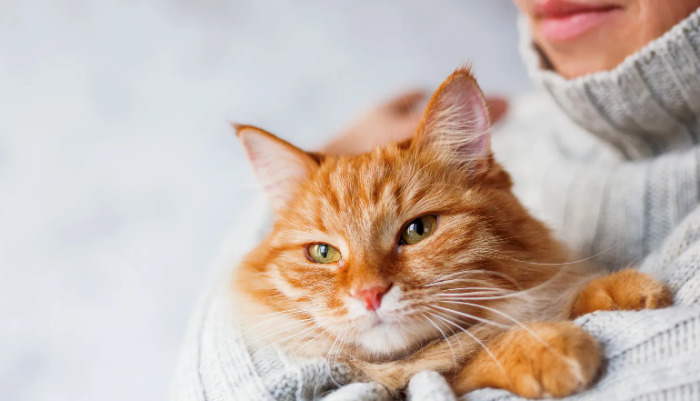
Feline Infectious Peritonitis (FIP) represents one of the most daunting diagnoses a cat owner might receive. Traditionally considered fatal, immense advances in antiviral medications over recent years have provided new hope and, in some cases, prolonged survival. Owners navigating their cat's FIP journey often report side effects from both the disease and its treatment. Chief among these concerns is a decrease in appetite. This article explores why decreased appetite occurs during FIP medication treatment, how to distinguish normal side effects from concerning symptoms, and offers strategies for supporting cats through this challenge.
Understanding Decreased Appetite in Cats Under FIP Treatment
When a cat starts medication for FIP, the primary focus is the underlying viral infection. However, medications, the disease itself, and broader changes in the cat's health can complicate recovery. Appetite loss is a symptom that surfaces frequently. Its occurrence can signal a range of issues—sometimes benign, sometimes needing swift attention.
FIP acts in the body by causing intense inflammation, damage to blood vessels, and fluid accumulation. The disease commonly triggers fever, lethargy, and malaise. These symptoms alone predispose a cat to a decreased desire to eat. When treatment starts, particularly with antivirals such as GS-441524 or GC376, owners may see further changes.
Why Medications Affect Appetite
Most FIP treatments are relatively new, and their safety profiles are still being studied. GS-441524, the most widely-used medication, is generally well tolerated. Yet, some cats experience mild gastrointestinal effects: queasiness, nausea, minor pain at the injection site, and in rare cases, vomiting or diarrhea. These side effects can directly suppress appetite.
Cats are notorious for being sensitive to change. The stress of daily injections, altered routines, unfamiliar handling, and adjustment to hospital environments exacerbate loss of appetite. Pain or discomfort—whether from the disease or treatment—may lead cats to associate food with feeling unwell, making mealtime less appealing.
Distinguishing Medication Side Effects from Disease Progression
Owners must remain vigilant in observing their cat's eating habits. An intermittent decrease in appetite is generally expected, especially within the first days of starting medication. However, a persistent refusal to eat, rapid weight loss, or concurrent symptoms like vomiting, diarrhea, jaundice, or difficulty breathing could indicate a severe problem.
FIP can damage the liver, kidneys, and gastrointestinal tract. These organs are critical to digestion and appetite. If disease progression is unchecked or if medications are not being absorbed well, decreased appetite might represent something graver than simple side effects.
Monitoring Trends
Keeping a food diary is useful. Track what your cat eats, how much, and any behavioral changes. Photos or weight measurements allow objective assessment. Note timing relative to medication. Appetite that dips for a few days and then rebounds may be less concerning than relentless hunger loss.
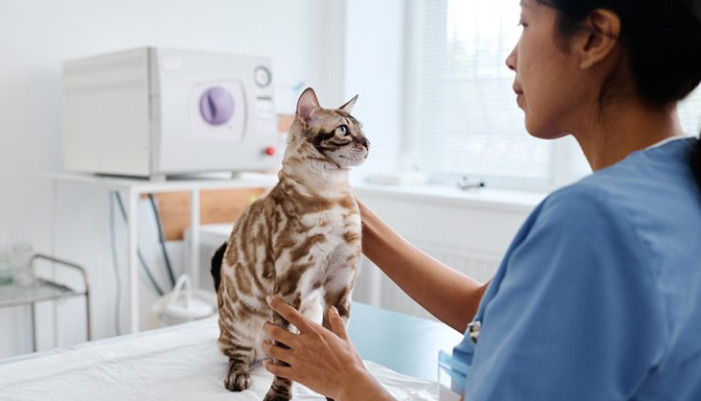
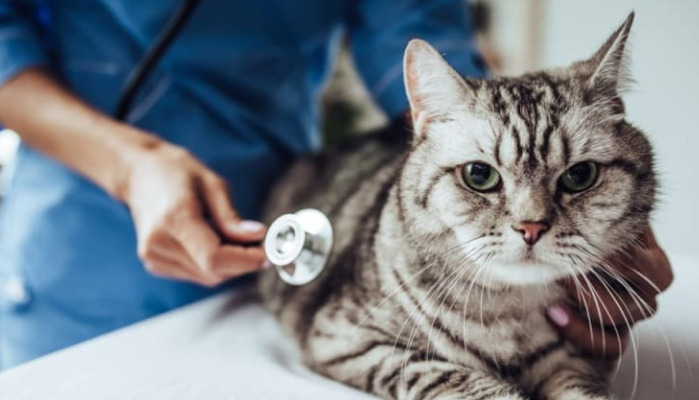
Veterinarians often request updates on appetite. Cats who refuse food for more than 48 hours, vomit repeatedly, or produce dark yellow urine or pale gums should be seen immediately. Blood tests—especially liver and kidney panels—help distinguish side effects from disease progression.
Normal Versus Abnormal Decreased Appetite
Acceptable, Normal Patterns:
Slight decrease in food intake immediately after beginning medication
Temporary avoidance of food within hours of injection
Mild pickiness, choosing soft or strong-smelling foods
Concerning Patterns:
Not eating for more than 48 hours
Vomiting, diarrhea, drooling, or struggle to swallow
Marked lethargy, hiding, abnormal breathing, or jaundiced gums
Steady weight drop, even with hand feeding attempts
Strategies to Boost Appetite During FIP Medication
Cats with FIP often need support beyond medication. These strategies can help your cat regain interest in food and maintain nutritional health.
1. Palatable Diets: Warmed wet foods or those high in fat and protein appeal to cats. Tuna, chicken, or baby food (meat-only, no onion/garlic) entices many. Smelly foods often work best; commercial recovery diets are formulated for ill cats.
2. Feeding Environment: Ensure meals are offered in quiet, stress-free spaces. Remove other pets, excessive noise, or bright lights. Allow your cat to eat at their preferred pace.
3. Small, Frequent Meals: Offer small portions several times a day. Cats recovering from illness often tolerate multiple light meals better than one large one. Fresh food is more enticing.
4. Hand Feeding: Some cats respond to finger feeding or using a spoon. Patience and time are key; never force-feed unless directed by a veterinarian.
5. Appetite Stimulants: Under veterinary guidance, medications such as mirtazapine or capromorelin can be administered to increase appetite. These drugs should only be given with professional approval and monitoring.
6. Hydration: Proper hydration supports appetite. Adding water or low-sodium broth to food may improve palatability and prevent dehydration.
7. Pain Management: If pain is contributing to diminished appetite, ask your veterinarian about safe analgesics. Addressing discomfort can make mealtime less distressing.
Managing Medication Side Effects
If side effects from medication cause appetite loss, discuss alternative administration routes or timing with your veterinarian. Some cats respond better to oral versions. Rotating injection sites, gentle handling, and pre-warming medication can all help decrease pain at injection and stress.
Supportive care—including anti-nausea drugs—may be indicated. Regularly assess injection sites for soreness or inflammation. Avoid injections too close to meal times if appetite loss is a problem.
When to Seek Help
Decreased appetite should be closely watched, especially in cats with chronic illness. Immediate contact with a veterinarian is warranted if you notice:
Serious or sudden drop in food intake
Concurrent vomiting or diarrhea
Signs of dehydration or pain
Behavioral changes (hiding, aggressiveness, vocalizing)
Abnormal breathing or gum color
Prompt medical attention can prevent rapid deterioration. FIP medications are often quite effective, but supportive care determines long-term outcomes.
Case Studies: Appetite Changes During FIP Treatment
Case 1: A one-year-old tabby recently diagnosed with wet FIP begins GS-441524 treatment. The owner observes reluctance to eat for 24 hours after each injection. Appetite resumes with hand feeding and the addition of tuna juice. Improved as injections sites were rotated and feeding occurred just before medication.
Case 2: A five-year-old Siamese with dry FIP develops persistent anorexia after three weeks of treatment. Lab results reveal elevated liver enzymes, requiring medication adjustment and addition of anti-nausea therapy. Appetite returns gradually over the following week.
Owner Tips for Supporting Appetite and Overall Recovery
Monitor food and water intake daily; communicate concerns quickly.
Offer a variety of foods; switch brands or flavors as needed.
Maintain consistent routines to minimize stress.
Provide plenty of affection and gentle encouragement at mealtimes.
Never force-feed without professional instruction—seek assistance if food refusal persists.
The Long-Term Outlook
Many cats regain appetite as they respond positively to FIP medication and general wellbeing improves. Some need temporary support or a change in medication protocol. Appetite loss that persists or worsens is not an acceptable side effect and requires intervention. With proper monitoring, veterinary partnership, and owner persistence, appetite can be maintained and cats may recover their vigor.
References
1. Pedersen NC. "Review of feline infectious peritonitis and GS-441524 antiviral therapy." Viruses, 2020.
2. Krentz D, Kaiser L, et al. "Safety and efficacy of antiviral drugs for feline infectious peritonitis." Journal of Feline Medicine and Surgery, 2021.
3. Addie DD, et al. "Clinical management of FIP in cats." Feline Practice, 2019.
4. Murphy BG. "Clinical observations in FIP-treated cats using GS-441524." Veterinary Clinics of North America: Small Animal Practice, 2021.
5. Hartmann K. "Diagnosis of feline infectious peritonitis: conclusions from the literature." Veterinary Journal, 2020.
6. Norris JM, et al. "Clinical findings, diagnosis and treatment outcomes for FIP." Australian Veterinary Journal, 2018.
7. Chang HW, et al. "Supportive care solutions for cats diagnosed with FIP." Feline Health Journal, 2022.