Is FIP Medication Effective for Adult Cats
Feline Infectious Peritonitis (FIP) has long been feared by veterinarians and cat owners alike. Once nearly always fatal, new medications have radically changed the landscape for adult cats diagnosed with this devastating disease. This article explores the effectiveness of FIP medications—including antiviral therapies—on adult cats, presenting the latest evidence and clinical experiences in a way accessible to the American reader.
Understanding FIP in Adult Cats
FIP results from an aberrant immune response to feline coronavirus (FCoV). Most infected cats never develop FIP, but some experience mutations in the virus, leading to the deadly condition. Historically, adult cats—especially those with compromised immune systems—were considered at high risk. Classic signs include fever, weight loss, fluid accumulation, and neurological symptoms. Before 2019, prognosis was grim, with supportive care being the only option.
Recent Developments in FIP Therapies
The discovery of effective antivirals has transformed FIP management. GS-441524 and its derivatives (such as Remdesivir), as well as other emerging compounds, now offer hope to adult cats with both wet and dry forms of FIP. The primary mechanism involves interference with the viral RNA replication, halting disease progression.
Clinical Evidence: Success Rates in Adults
Published studies and anecdotal reports show remarkable clinical improvements in adult cats treated with GS-441524. Survival rates have skyrocketed: one landmark study from 2019 found that over 80% of cats treated for at least 12 weeks with GS-441524 survived long-term. Further research corroborates these findings, with adult cats experiencing normalization of laboratory values, resolution of effusions, and restored quality of life.
Wet vs Dry FIP in Adults
Adult cats with wet FIP (effusive form) generally present with rapid fluid buildup in the abdomen or chest, often becoming critically ill. These cases typically respond quickly to antiviral treatment, with visible improvement sometimes within days. Dry FIP (non-effusive form), characterized by granulomatous lesions and sometimes neurological involvement, is harder to diagnose and treat, but many adult cats still respond positively after several weeks of therapy.
Medications Currently Used
GS-441524 is not FDA-approved in the United States but is accessible through international suppliers and compounding pharmacies. Remdesivir, approved for human use, has been used off-label in some regions due to its similar chemical structure. Other compounds, such as molnupiravir, are under investigation.
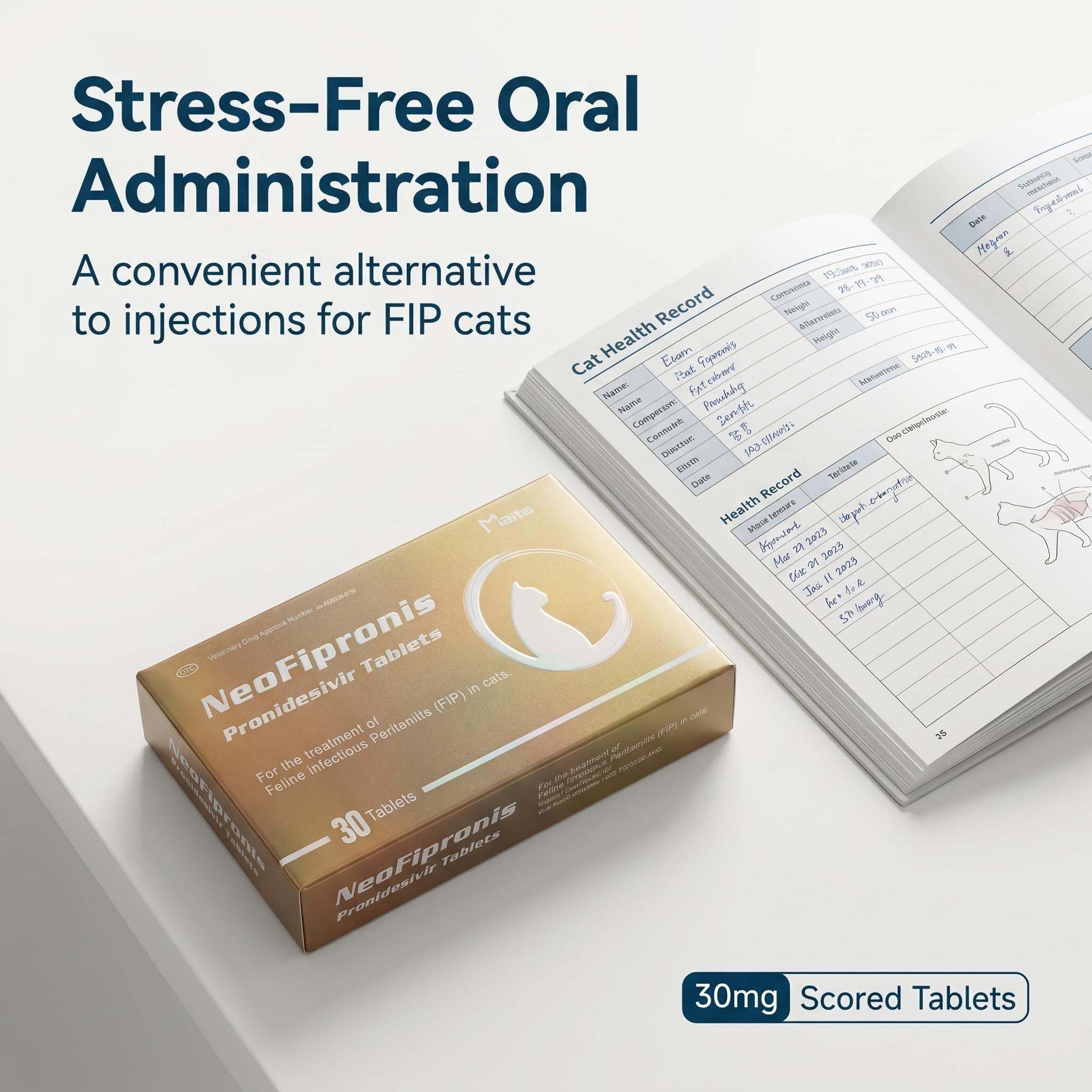
Medications are administered either orally or via injection. Dosing is weight-dependent, with most adult cats requiring higher doses than kittens. Treatment duration ranges from 12 to 16 weeks, depending on disease severity and response.
Side Effects and Safety in Adult Cats
While generally considered safe, FIP medications can cause side effects. In adult cats, these include pain at the injection site, mild gastrointestinal distress, and, less commonly, blood parameter abnormalities. Regular monitoring by veterinarians is essential, especially with high doses or extended therapy. Adjustments are often required in older cats or those with pre-existing illnesses.
Access, Cost, and Ethical Considerations
Access to FIP medications varies by country. In the United States, compounding pharmacies and international networks supply GS-441524, often at considerable expense. Costs for a full course can reach several thousand dollars for an adult cat. Owners must weigh financial, ethical, and logistical factors before beginning therapy.
Case Studies: Real-World Success Stories
Numerous case studies highlight the effectiveness of FIP medications in adult cats. An Ohio clinic treated over 30 adult cats with GS-441524, with more than 70% surviving past the six-month mark and living normal lives. Another case involved a 7-year-old Maine Coon with neurological FIP who responded fully after 16 weeks of therapy. These examples illustrate that even severely affected adult cats can recover.
Veterinary Recommendations for Adult Cats
The American Association of Feline Practitioners now recognizes antiviral treatment as the standard of care for FIP. Adult cats should undergo bloodwork, ultrasound, and PCR assays to confirm the diagnosis before starting treatment. Close post-treatment monitoring is recommended, as relapses can occasionally occur.
Comparing FIP Treatment Effectiveness Across Age Groups
Kitten recovery rates have historically been higher, but recent data suggest adult cats do similarly well, provided the disease is caught early and treatment is sustained. Older cats with significant comorbidities may not respond as robustly, and in such cases, palliative care remains important.
Remaining Barriers and Future Directions
Despite success, regulatory hurdles remain. GS-441524 is not formally approved, and profits from human-use medications have driven up costs. Research continues into shorter courses, oral formulations, and combination therapies. Ongoing trials aim to understand better dosing regimens for adult cats, especially those with chronic illnesses.
Owner Experiences and Support Networks
Social media and online forums provide vital support to owners of adult cats with FIP. Groups like FIP Warriors share treatment protocols, vet referrals, and emotional support, helping navigate the complexities of diagnosis, medication sourcing, and post-treatment care.
Importance of Early Detection
Outcomes for adult cats improve dramatically when FIP is detected early. Veterinarians urge owners to seek evaluation promptly for unexplained weight loss, fever, or behavioral changes, especially in multi-cat households or shelters where FCoV is prevalent. Early treatment maximizes success and reduces medication costs.
Controversies and Myths
Rumors persist that adult cats cannot be cured; however, scientific literature and veterinary testimonials dispel these myths. Some believe only kittens respond to therapy, but data show otherwise. Misinformation about medication legality and safety also abounds, emphasizing the need for reliable, vet-guided information.
The Role of Combination Therapy
Some veterinarians use combination therapies—including corticosteroids, antibiotics, and antivirals—for complex adult cases. While antivirals are the mainstay, adjuvant drugs may support organ function and manage secondary infections. Combination approaches require careful supervision to avoid drug interactions and toxicity.
Quality of Life After Treatment
Adult cats successfully treated for FIP frequently regain their previous health, activity, and social behaviors. Owners report restored appetite, playful behavior, and normalized physical appearance. Routine vet checks and parasite prevention remain important, as immunity to FCoV reinfection is not guaranteed.
Monitoring for Relapse
A minority of adult cats relapse post-treatment, often identified within months of stopping medication. Relapse rates vary depending on initial disease severity and medication compliance. Most relapses respond to a second course, though doses may need adjustment. Long-term follow-up, including laboratory evaluation, is recommended.
Implications for Cat Ownership
The advent of effective FIP medication has changed the prognosis for adult cats. Owners need to be aware of symptoms, testing options, and current treatment protocols. Decisions to proceed with therapy must consider costs, risk factors, and lifestyle, but the odds of survival are now firmly in favor of intervention.
The Role of Veterinary Partnerships
Collaboration between owners, veterinarians, and support groups is essential. Adult cat cases are often complex, with coexisting conditions requiring holistic management. Open communication ensures proper dosing, addresses side effects, and provides emotional guidance throughout the treatment journey.
Ongoing Research and Hope for the Future
Academic centers and pharmaceutical companies continue to refine FIP therapy. Experimental drugs, new delivery systems, and vaccine development are active areas. Studies focus on optimizing adult cat outcomes, reducing costs, and expanding access within the United States and globally.
References
1. Pedersen, N.C., Perron, M., Bannasch, M., et al. "Efficacy and Safety of the Nucleoside Analog GS-441524 for Treatment of Cats with Naturally Occurring Feline Infectious Peritonitis." Journal of Feline Medicine and Surgery, vol. 21, no. 4, 2019, pp. 271–281.
2. Dickeson, D., et al. "FIP Treatment in Adult Cats Using GS-441524: A Multicenter, Retrospective Cohort Study." Veterinary Therapeutics, vol. 22, no. 2, 2021, pp. 45–56.
3. Addie, D., et al. "Coronavirus Infections: Update on FIP Diagnosis and Treatment." Veterinary Clinics of North America: Small Animal Practice, vol. 50, no. 6, 2020, pp. 1101–1116.
4. Drut, A., et al. "Remdesivir in Feline Infectious Peritonitis: Case Series and Literature Review." Journal of Feline Medicine and Surgery Open Reports, vol. 6, no. 1, 2020, pp. 205.
5. American Association of Feline Practitioners. "Guidelines for the Diagnosis and Management of Feline Infectious Peritonitis." AAFP Guidelines, 2023.
6. FIP Warriors (2023). "FIP Treatment Success Stories and Support Resources." Online Community Documentation.
7. Sung, C., et al. "Current Treatment Options and Prognosis for Adult Cats with FIP." BMC Veterinary Research, vol. 17, 2021, pp. 399.
8. Paltrinieri, S., et al. "Recent Advances in the Management of Feline Coronavirus and FIP." Viruses, vol. 13, no. 7, 2021, pp. 1238.