How Do Antiviral Medications Work in Treating FIP
Feline Infectious Peritonitis (FIP) remains one of the most formidable viral diseases in domestic cats. Caused by a mutation of feline coronavirus (FCoV), FIP is a progressive and, until recently, almost universally fatal disease. The past few years have seen significant breakthroughs, primarily attributed to the use of antiviral medications. For cat owners and veterinarians, understanding how these medications work can be vital for navigating treatment options and expectations.
The Basics of FIP and Its Viral Mechanism
FIP occurs when a typically benign enteric feline coronavirus undergoes a genetic mutation inside a cat. This mutant form gains the ability to replicate within macrophages, a type of white blood cell, enabling it to evade regular immune defenses and disseminate throughout the body. Once inside macrophages, the virus causes widespread inflammation, leading to the characteristic clinical signs of FIP—fever, fluid accumulation, lethargy, and neurological problems.
There are two primary forms of FIP: wet (effusive), marked by fluid buildup in the abdomen or chest, and dry (non-effusive), which involves granuloma formation within organs and can affect the eyes or nervous system.
Why Traditional Treatments Have Failed
Traditional treatment strategies, such as corticosteroids or immunosuppressive drugs, attempt to dampen the hyperactive immune response. However, these approaches do not target the underlying viral replication. Supportive care might temporarily relieve symptoms, but FIP remained fatal before antiviral drugs were introduced.
The Discovery of Antiviral Therapy for FIP
The paradigm shift came about with molecules initially investigated for human viral diseases, notably certain nucleoside analogs. The most prominent among these is GS-441524, a parent compound to remdesivir (used for treating COVID-19). These drugs were found to be highly effective against feline coronavirus by blocking its replication.
Pharmacological Mechanism of Antiviral Medications
Nucleoside Analogues: Blocking Viral Replication
Antivirals like GS-441524, GC376, and remdesivir function as nucleoside analogues. Inside the cat’s cells, these molecules mimic the building blocks of RNA, getting integrated into the viral RNA genome during replication. Once incorporated, they act as chain terminators, preventing the virus from completing its genetic material and thereby halting further viral assembly.
GS-441524 binds specifically to the viral RNA-dependent RNA polymerase, a crucial enzyme used by FCoV to copy its genome. With this mechanism disabled, the number of active viruses cannot increase, reducing the viral load and allowing the immune system a fighting chance.
Protease Inhibitors
GC376 is a protease inhibitor. Coronaviruses produce long polyproteins as part of their replication cycle, which must be cleaved into functional units. GC376 blocks the main viral protease, inhibiting the assembly of new viral particles. By disrupting this process, GC376 curbs the spread and downstream pathology of the infection.
Administration and Dosage
Because FIP typically advances quickly, early and accurate diagnosis is critical. Both GS-441524 and GC376 are generally delivered via subcutaneous injections. Treatment duration depends on the severity and form—typically between 8 to 12 weeks.
Dosage must be adjusted according to the cat’s weight, age, clinical status, and whether the neurological or ocular forms are present. Neurological FIP requires higher penetration across the blood-brain barrier, often leading to dose modifications.
Pharmacokinetics and Safety Profiles
Antiviral drugs possess specific pharmacokinetic qualities. GS-441524 is widely distributed in the body, achieves therapeutic concentrations in organs, and can penetrate the central nervous system if needed. Its safety profile is generally favorable, with most cats tolerating treatment well. Some injection-site reactions, mild elevation in liver enzymes, or transient digestive upset may occur.
GC376 also shows good safety but may occasionally cause dental or bone abnormalities if administered over long periods.
Impact on Disease Course
One of the most profound effects of antivirals is their ability to reverse even advanced FIP. Within days to weeks, cats often begin eating, regain activity, and lose their fever. Fluid effusions may resolve, and lesions shrink.
Veterinarians now report remission rates exceeding 80–90% with prompt, correct use of antiviral agents. This represents a dramatic shift from the historical near-100% mortality.
Resistance and Emerging Challenges
As with all antivirals, viral resistance remains a concern. Incorrect dosing, premature discontinuation, or inconsistent administration can encourage the virus to adapt. There are a handful of documented cases where FIP has recurred post-treatment, sometimes due to resistant viral strains.
Ongoing research seeks to combat this, and combination therapy (using multiple antivirals) may become more common as a means to minimize resistance risk.
Accessibility and Regulatory Hurdles
Initially, GS-441524 was not commercially available due to intellectual property and regulatory issues. Many veterinarians and cat owners in the United States and elsewhere have operated in gray areas, obtaining medication through informal channels. In recent years, pharmaceutical companies have begun formalizing clinical trials, attempting to bring safe, regulated products to market. Remdesivir, a related compound, has been approved for human use and may be used off-label but is not specifically formulated for cats.
The Role of Supportive Care and Monitoring
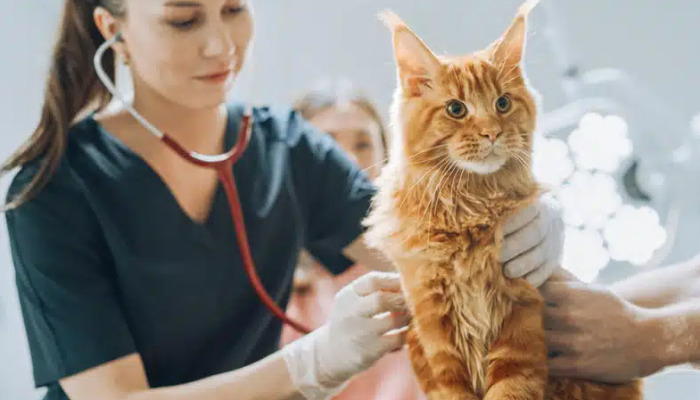
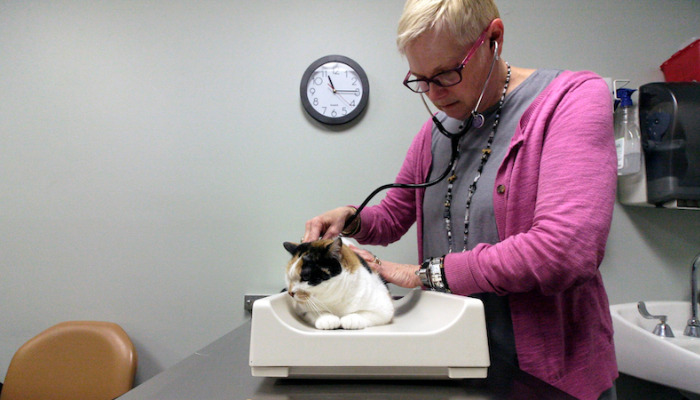
Even with effective antivirals, supportive care remains critical. FIP frequently causes dehydration, anemia, and discomfort. Nutritional support, fluid therapy, and pain control complement antiviral action, maximizing chances for recovery.
Regular blood tests and ultrasounds are often required to monitor disease progress and catch any potential side effects. Some cats may need secondary therapies for complications such as eye inflammation or neurological events, but these are typically more manageable once viral load declines.
Prognosis and Long-Term Outcomes
Cats who respond well to antiviral therapy can achieve genuine remission. Follow-up studies suggest that treated cats can live healthy lives with normal longevity after recovery, although some may have residual organ damage depending on the stage of disease at the time of therapy.
Relapse is rare but does occur, usually in the first 6 months post-treatment, often associated with neurological involvement or incomplete initial therapy.
Practical Steps for Cat Owners
1. Early Recognition: Know the signs of FIP—prolonged fever, abdominal or chest fluid, neurological changes—and seek veterinary advice promptly.
2. Veterinary Partnership: Work closely with your veterinarian. Diagnostic confirmation (PCR, bloodwork, ultrasound) is essential.
3. Medication Acquisition: Understand local regulations and sourcing. Reliable antivirals require careful handling, accurate dosing, and consistent administration.
4. Follow-up Care: Expect regular check-ups and blood tests, even after apparent recovery.
Future Directions in FIP Treatment
Research continues at an unprecedented pace. New molecules, better formulations (like oral GS-441524), and combination therapies are in development. Vaccine strategies and improved diagnostic tools may soon further reduce the burden of FIP in cats.
Veterinary medicine now possesses genuine hope for a disease long regarded as incurable. Cat owners, breeders, and veterinarians alike have cause for optimism, provided that antiviral medications are used judiciously, safely, and with expert guidance.
References
Addie, D. D., & Toth, S. (2020). Feline infectious peritonitis: An update. Journal of Feline Medicine and Surgery.
Pedersen, N. C. (2019). The history of feline infectious peritonitis. Veterinary Clinics of North America: Small Animal Practice.
Izes, A. M., et al. (2020). Feline coronavirus pathogenesis and the role of immunity in feline infectious peritonitis. Journal of Feline Medicine and Surgery.
Dickinson, P. J., et al. (2020). Novel antiviral therapy for FIP: Pharmacokinetics, safety, and efficacy. Veterinary Sciences.
Murphy, B. G., et al. (2018). Efficacy of GS-441524 treatment for FIP: Clinical review. Journal of Veterinary Internal Medicine.
Paltrinieri, S., et al. (2021). Laboratory diagnosis and monitoring in feline infectious peritonitis. Veterinary Pathology.
Dye, C., & Siddell, S. G. (2007). Genomic and molecular advances in feline coronaviruses. Advances in Virus Research.
DeLuca, J. (2019). Protease inhibitors and their therapeutic potential in FIP. Journal of Feline Medicine and Surgery.
Barlough, J. E., et al. (2022). Remdesivir for feline coronavirus: Off-label applications and challenges. Veterinary Clinics of North America: Small Animal Practice.