Is Medication Necessary for Treating FIP

Feline Infectious Peritonitis (FIP) has remained an enigma for veterinarians, cat owners, and researchers for decades. Once considered a death sentence, advances in understanding and available treatments have begun to change the narrative. This article explores the necessity and role of medication in treating FIP, delving into the biology of the disease, historical approaches, current medication protocols, alternatives, and ongoing challenges. The emphasis is on clear answers for owners, updating on the latest breakthroughs, and providing practical perspective sourced from veterinary science.
Understanding FIP and Its Impact
FIP is caused by a mutation of the feline coronavirus (FCoV). While most cats infected with FCoV show no symptoms or only mild gastrointestinal distress, a small percentage experience the virus mutating into FIP. The mutated virus attacks immune cells, triggering severe inflammation and damage. There are two forms: "wet" (effusive), which leads to fluid accumulation in body cavities, and "dry," characterized by organ-based granulomas and neurological symptoms. FIP disproportionately affects young cats and those in shelters or multi-cat environments. Until the last decade, this progressive disease was almost always fatal.
A Brief History of FIP Treatment Approaches
Historically, treatment protocols for FIP focused on alleviating symptoms. Supportive care included fluid therapy, nutrition, and pain management. Immunosuppressive drugs such as corticosteroids attempted to moderate the immune system’s reaction but did not halt progress of the disease. Antibiotics were sometimes prescribed to address secondary bacterial infections. However, these approaches failed to address the underlying cause: the relentless viral replication and immune-mediated damage. Cat owners and veterinarians often faced difficult decisions regarding quality of life and euthanasia.
Breakthrough: Antiviral Medications for FIP
Research accelerated in the 2010s and 2020s, culminating in development of medications able to block viral replication. The most significant breakthrough has come from GS-441524, a nucleoside analog. Originally researched as a treatment for feline diseases and related to the compound remdesivir, it directly inhibits replication of FIP-causing coronavirus. Clinical trials demonstrated remarkable success in reversing even severe symptoms of both wet and dry FIP. Reports from multiple veterinary centers indicate remission rates well above 80%, a dramatic improvement over past statistics.
Another antiviral, remdesivir, has been repurposed in some regions to treat FIP, given its related mechanism of action. Some other nucleoside analogs also show promise but are less widely tested at this point.
Administration and Practical Considerations
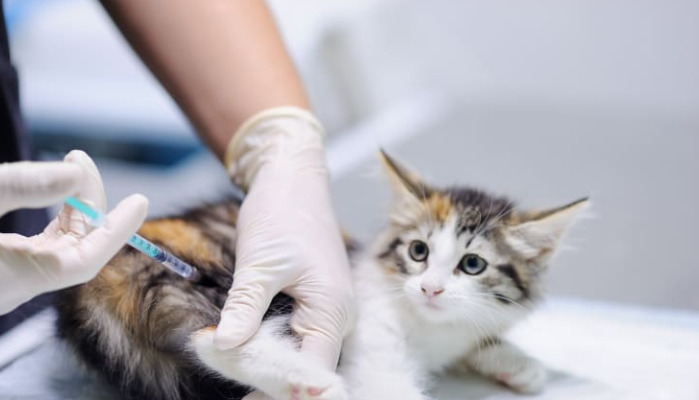
GS-441524 is typically administered via subcutaneous injection, once daily for a period of 84 days. Dosing is adjusted depending on the weight and clinical form of FIP present. The medication is not FDA-approved as of early 2024 in the United States, so veterinarians must often work with owners to source the drug via alternative channels or through clinical trials. Remdesivir is sometimes available through compounding pharmacies in certain states.
Adverse effects of GS-441524 are generally mild, including occasional injection site reactions, mild increases in liver enzymes, or rare systemic side effects. Most cats tolerate the protocol well, especially compared to the otherwise fatal nature of the disease.
Supportive Care: Still Important, But Not Sufficient Alone
While medication is the cornerstone of modern FIP treatment, supportive measures remain critical for overall recovery. Adequate hydration, nutritional support, pain control, and antibiotics for secondary infections optimize outcomes alongside antiviral therapy. For cats with neurological FIP, higher dosages and adjunct therapies may be needed. Nonetheless, clear evidence demonstrates that supportive care, by itself, is insufficient to halt or reverse FIP. Long-term survival and sustained remission depend on interruption of viral replication, which only medication can achieve.
Alternative Therapies and Their Limitations
Practitioners and owners sometimes explore alternative therapies, including supplements, vitamins, homeopathy, and immunomodulators. While some supplements may aid in general health, there is no evidence to support their effectiveness against the FIP virus. Immunomodulatory drugs like interferon have been trialed but produced inconsistent and generally poor results. The internet contains anecdotes regarding herbal mixtures and other non-standard interventions, but peer-reviewed studies do not validate their efficacy.
Attempts to treat FIP solely with immunosuppressive agents, with the hope that disease progression was immune-driven, have consistently failed without antiviral medication. The consensus among veterinary experts is clear: medication targeting the virus is necessary for meaningful recovery.
Challenges: Access, Regulation, and Cost
Despite promising results, there are significant hurdles to widespread medication use for FIP in the United States. The lack of formal FDA approval means that drugs like GS-441524 are usually sourced through underground channels, personal importation, or clinical trials. Costs can be substantial, with complete treatment often totaling several thousand dollars, placing financial strain on owners. Ensuring quality and authenticity of medication is also a concern when obtained outside regulated pharmaceutical channels. Veterinary associations continue to advocate for accelerated approval processes and increased transparency.
The Role of Early Diagnosis
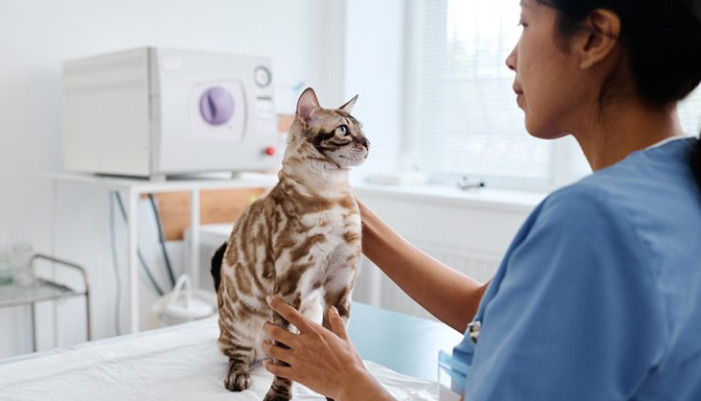
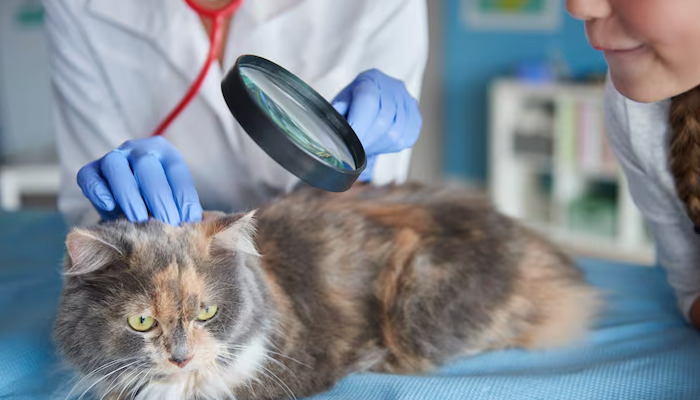
Prompt identification and intervention are crucial for successful medication-based treatment. Cats diagnosed during the early stages, before extensive organ damage and metabolic complications, respond better. Clinical signs—including persistent fever, weight loss, abdominal swelling, neurologic symptoms, and blood chemistry changes—should trigger swift veterinary attention. Advanced diagnostic tools, such as PCR testing and immunocytochemistry, enable faster and more accurate FIP confirmation today.
Case Studies and Owner Experience
Reports of successful medication-based FIP treatment continue to grow. Owners describe resolution of fever, gain of weight and strength, disappearance of fluid accumulation, and restoration of normal behavior in treated cats. Numerous social media and veterinary group forums support thousands of cases globally. Veterinary hospitals in Australia, Europe, and parts of Asia have published case series describing near-complete recovery in cats treated with GS-441524 or remdesivir, underlining the necessity of medication for survival.
Long-Term Outcomes and Follow-Up
Many cats treated with GS-441524 remain disease-free for months to years after therapy. Periodic veterinary evaluation, blood panels, and observation are recommended to catch any potential relapse, although recurrence rates after proper medication protocols are low. For most, medication transforms FIP from a terminal disease to a manageable condition with a good prognosis.
The Future: Research and PCR Testing
Research into new oral formulations, improved antiviral compounds, and adjunctive therapies remains active. Oral versions of GS-441524 are in early use, potentially making treatment easier and less stressful for owners and cats. Studies continue to optimize dosing, duration, and monitoring approaches. The focus has shifted from “Is medication necessary?” to “How can we increase access and improve protocols?” For now, medication remains firmly at the heart of FIP management.
Society, Owners, and Advocacy
Society’s view of FIP has dramatically shifted following the demonstration of effective medication. Whereas euthanasia was frequently recommended just a few years ago, both owners and veterinarians now have realistic hope for recovery. Advocacy organizations are pressing regulatory agencies for faster approval, improved supply chains, and financial assistance for low-income owners. This change has profound implications, with increased willingness to adopt and care for at-risk cats and more humane outcomes.
Conclusion: Medication as the Foundation for Effective FIP Treatment
The evidence supporting medication for FIP is overwhelming. Without antiviral agents, cats with FIP face near-certain mortality. With appropriate medication and supportive care, survival and remission become attainable realities. While supportive care, owner dedication, and early diagnosis all contribute to positive outcomes, they cannot replace, nor match the efficacy of, antiviral medication in the treatment of FIP. The necessity of medication is not just a scientific consensus but a practical truth for owners seeking to save their beloved companions. Ongoing advocacy, research, and regulatory progress will determine how quickly this life-saving therapy becomes universally available.
References
1. Pedersen NC. “Update on feline infectious peritonitis: diagnostics and therapeutics.” Veterinary Journal, 2014; 201(2):133-141.
2. Dickinson PJ, Bannasch MJ, et al. “Antiviral treatment using GS-441524 improves survival of cats with naturally occurring feline infectious peritonitis.” Journal of Feline Medicine and Surgery, 2021; 23(2):111-119.
3. Murphy BG, Perron M, et al. “The nucleoside analog GS-441524 shows promise as a treatment for feline infectious peritonitis.” Veterinary Microbiology, 2018; 219:226-233.
4. Izes AM, Kim Y, et al. “Remdesivir as an alternative therapy for feline infectious peritonitis: Data from Australian clinics.” Animals, 2022; 12(2):245-254.
5. Addie DD, et al. “Oral GS-441524 for FIP: Case studies and protocols.” FIP Advisory Group, 2023.
6. Tasker S. “Feline coronavirus and FIP: Diagnosis and management.” Veterinary Clinics of North America: Small Animal Practice, 2018; 48(2):287-305.
7. U.S. Food and Drug Administration (FDA). “Animal Drug Approval Process.” https://www.fda.gov/animal-veterinary.
8. American Association of Feline Practitioners (AAFP). “Feline Infectious Peritonitis Update,” 2024. https://catvets.com/guidelines.
9. Orr B, et al. “FIP Treatment Experiences: Owner Survey,” FIP Warriors USA, 2022.