FIP Treatment for Kittens Diagnosis, Medication and Recovery
Feline Infectious Peritonitis (FIP) remains one of the most challenging and devastating diseases affecting cats, particularly kittens. Caused by a mutation of the feline coronavirus (FCoV), FIP leads to a severe, progressive illness characterized by inflammation of the abdominal or thoracic cavities, often resulting in fluid accumulation and organ malfunction. With advances in veterinary medicine, new treatment options have emerged, offering hope for affected kittens. This article provides a comprehensive overview of FIP diagnosis, current medications, and recovery strategies, focusing on recent breakthroughs such as NeoFipronis (Pronidesivir) GS-441524.
Understanding FIP in Kittens
FIP primarily affects young kittens and immunocompromised cats. The disease arises when most feline coronaviruses mutate within the host, leading to a highly pathogenic form. FIP manifests in two main forms:
Wet form (effusive): Characterized by accumulation of clear or cloudy fluid within body cavities such as the abdomen (ascites) or chest (pleural effusion).
Dry form (non-effusive): Marked by granulomatous lesions in organs like the liver, kidneys, brain, or eyes, often causing nerve damage or uveitis.
Early diagnosis is crucial but often challenging due to overlapping symptoms with other feline conditions.
Diagnosis of FIP
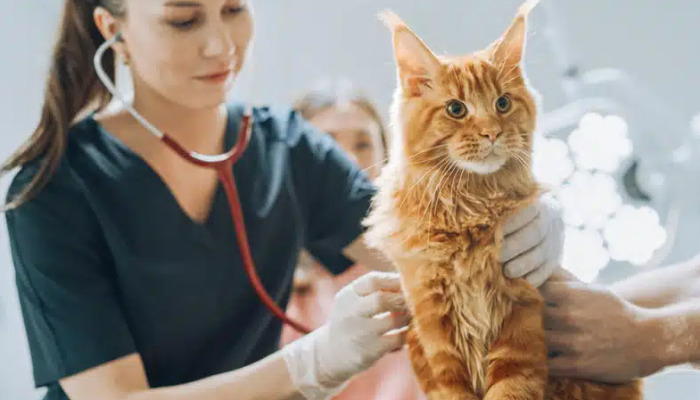
Diagnosing FIP involves a combination of clinical signs, laboratory tests, and imaging:
Clinical Signs: Lethargy, inappetence, weight loss, fever, neurological symptoms, ocular changes.
Laboratory Tests:
Complete blood count (CBC): Often shows lymphopenia and anemia.
Serum biochemistry: Elevated liver enzymes, increased total protein.
Protein electrophoresis: High globulin levels.
RT-PCR or Immunohistochemistry: Detects coronavirus RNA or proteins in tissues or fluids.
Imaging:
Ultrasound or X-ray: Reveals fluid accumulation or organ lesions.
PCR tests have improved accuracy, but a definitive diagnosis often requires combining multiple diagnostics.
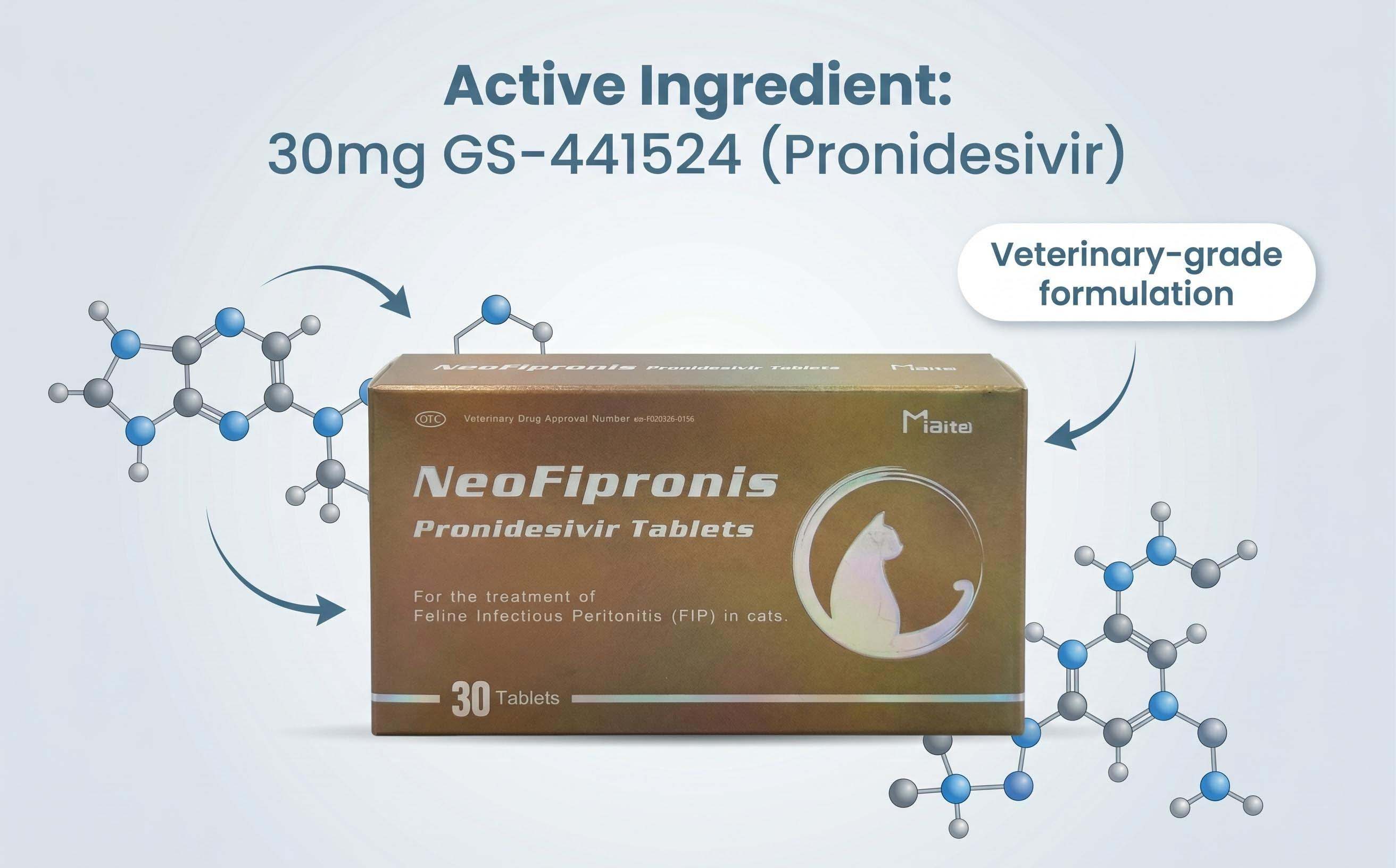
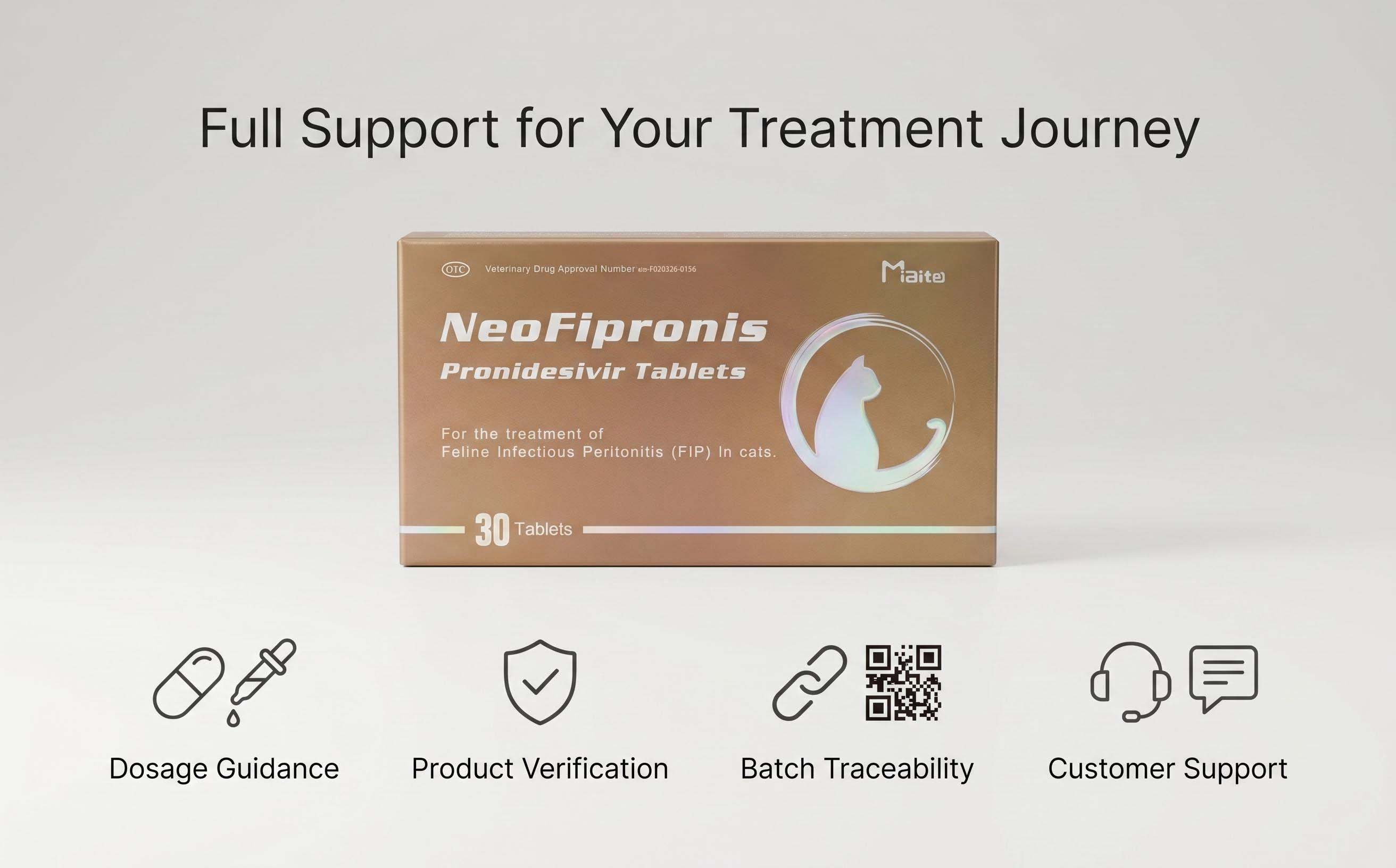
New Treatment Options: NeoFipronis (Pronidesivir) GS-441524
Historically, FIP was almost invariably fatal, with limited treatment options. However, recent developments have introduced effective antiviral therapies. Among the most notable is NeoFipronis (Pronidesivir) GS-441524.
Introduction of NeoFipronis (Pronidesivir):
Therapeutic Profile: NeoFipronis targets the replication of feline coronavirus, effectively reducing viral load and curbing disease progression.
Symptom Management: It is suitable for symptoms caused by FIP, such as loss of appetite, lethargy, fever, ascites, pleural effusion, lymphadenopathy, inflammatory granulomas, nerve damage, and uveitis.
Approval and Safety: NeoFipronis was officially approved as the world's first oral treatment for FIP by the Lao Ministry of Agriculture and Forestry (MAF) in March 2026, with an official drug registration number. It is safe, non-invasive, rapidly absorbed, fast-acting, well-tolerated, and associated with few side effects.
Advantages of NeoFipronis (Pronidesivir):
Ease of administration: Oral formulation allows for home treatment.
Rapid absorption: Achieves therapeutic levels quickly.
Efficacy: Has demonstrated excellent therapeutic effects in clinical trials.
Safety profile: Minimal adverse effects make it suitable for young kittens and immunocompromised cats.
Medication Regimens and Treatment Protocols
A typical treatment plan with NeoFipronis involves:
Dosage and Duration: Varies based on weight and severity; usually administered daily for 12-16 weeks.
Supportive Care:
Antiemetics or appetite stimulants to encourage eating.
Fluid therapy for dehydration.
Anti-inflammatory medications if needed.
Nutritional support to bolster immune resilience.
Constant veterinary supervision is essential. Regular blood tests and imaging monitor progress and detect potential side effects early.
Recovery and Long-Term Management
Recovery from FIP with antiviral therapy has improved dramatically. Many kittens show significant clinical improvement within weeks of starting treatment, including reduced fluid accumulation, improved appetite, and restored activity levels. Complete remission, however, depends on early diagnosis and consistent medication adherence.
Post-Treatment Care:
Continual monitoring for relapse or residual neurological signs.
Regular veterinary checkups.
Supportive therapies like physiotherapy if nerve damage was present.
Environmental enrichment and stress reduction to support immune recovery.
Prognosis: While not all cases result in complete cure, the survival rate with antiviral treatment like NeoFipronis is significantly higher than before. Early intervention is critical for optimal outcomes.
Emerging Perspectives and Future Developments
Research continues to improve FIP management. The development of vaccines remains ongoing, but antiviral drugs like NeoFipronis (Pronidesivir) offer immediate and practical solutions. Additionally, ongoing studies aim to further optimize dosing protocols and identify biomarkers for early detection.
Summary
The advent of NeoFipronis (Pronidesivir) GS-441524 has revolutionized the treatment landscape for FIP in kittens. Its oral formulation, excellent safety profile, and strong efficacy make it a groundbreaking option for veterinarians and pet owners alike. Early diagnosis combined with targeted antiviral therapy offers the best chance for recovery and improved quality of life in affected kittens.
References
"Feline Infectious Peritonitis: Diagnosis and Treatment"
"Recent Advances in FIP Therapy: GS-441524 and NeoFipronis"
"Veterinary Insights into FIP Management"
"Approval of NeoFipronis (Pronidesivir) GS-441524 for FIP Treatment"
"Clinical Trials of NeoFipronis in Cats with FIP"