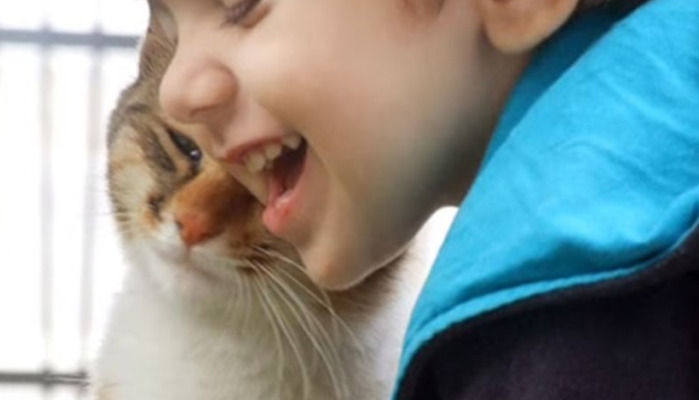
Oral FIP Medication for Cats What Owners Should Know
Feline Infectious Peritonitis (FIP) represents one of the most challenging and devastating diseases affecting cats worldwide. Caused by a mutated form of the feline coronavirus (FCoV), FIP leads to severe inflammation within the body, often resulting in worrisome symptoms and, sadly, a poor prognosis if not managed properly. Historically considered a near-certain death sentence, recent advances in veterinary medicine have introduced new treatment options, with oral medications becoming a game changer for cat owners and veterinarians alike.
Understanding FIP in Cats
FIP typically develops when a feline coronavirus mutates within an individual cat, leading to an immune response that causes widespread inflammation, primarily affecting the abdomen, chest, lymph nodes, and nervous system. The disease manifests in two primary forms: the "wet" (effusive) form, characterized by fluid accumulation in body cavities like the abdomen and chest, and the "dry" (non-effusive) form, involving granulomatous lesions without significant fluid buildup.
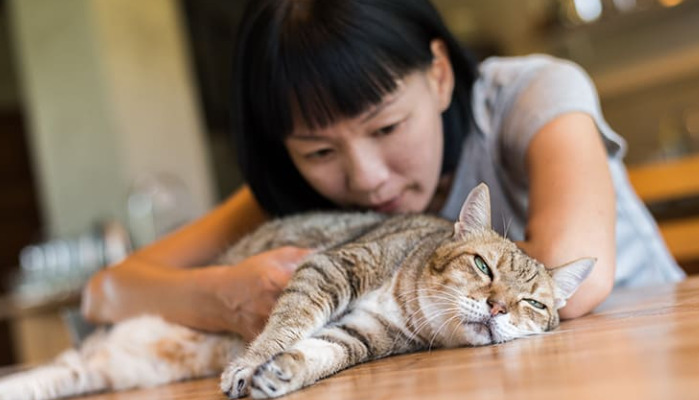
Common symptoms include loss of appetite, lethargy, fever, weight loss, swelling of lymph nodes, abdominal distension (ascites), difficulty breathing, neurological signs, and eye inflammation or uveitis. Diagnosis can be complex, often requiring a combination of clinical signs, laboratory tests, imaging, and sometimes biopsy.
Traditional Treatment Challenges
Historically, FIP was considered almost inevitably fatal, with treatment limited to supportive care such as anti-inflammatory drugs, antibiotics, and fluids to alleviate symptoms. These measures provide only temporary relief, and the disease typically progresses rapidly.
However, recent breakthroughs have revolutionized treatment options. The advent of antiviral medications targeting the coronavirus has opened new pathways to potentially cure or significantly prolong the life of affected cats.
Innovative Oral FIP Medications
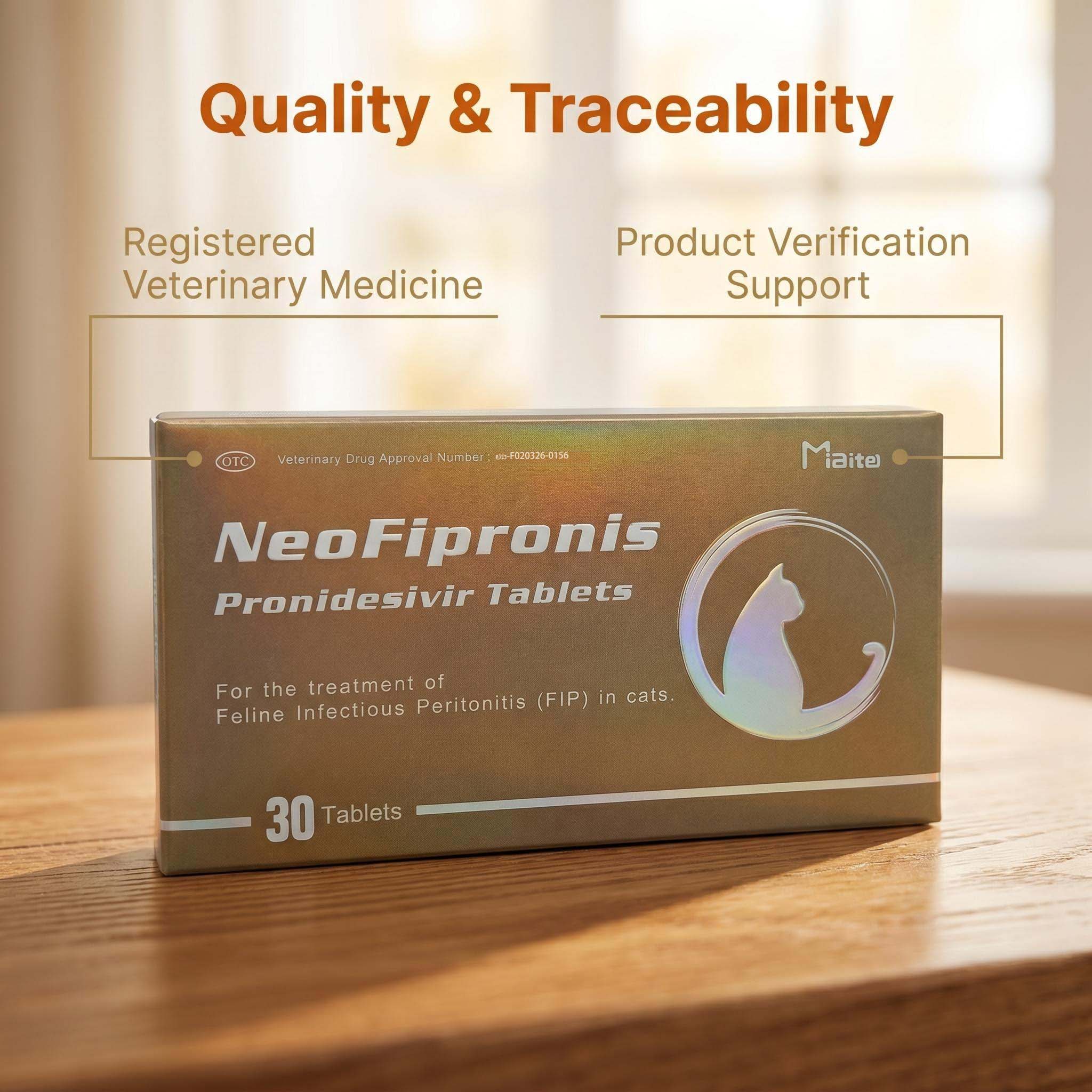
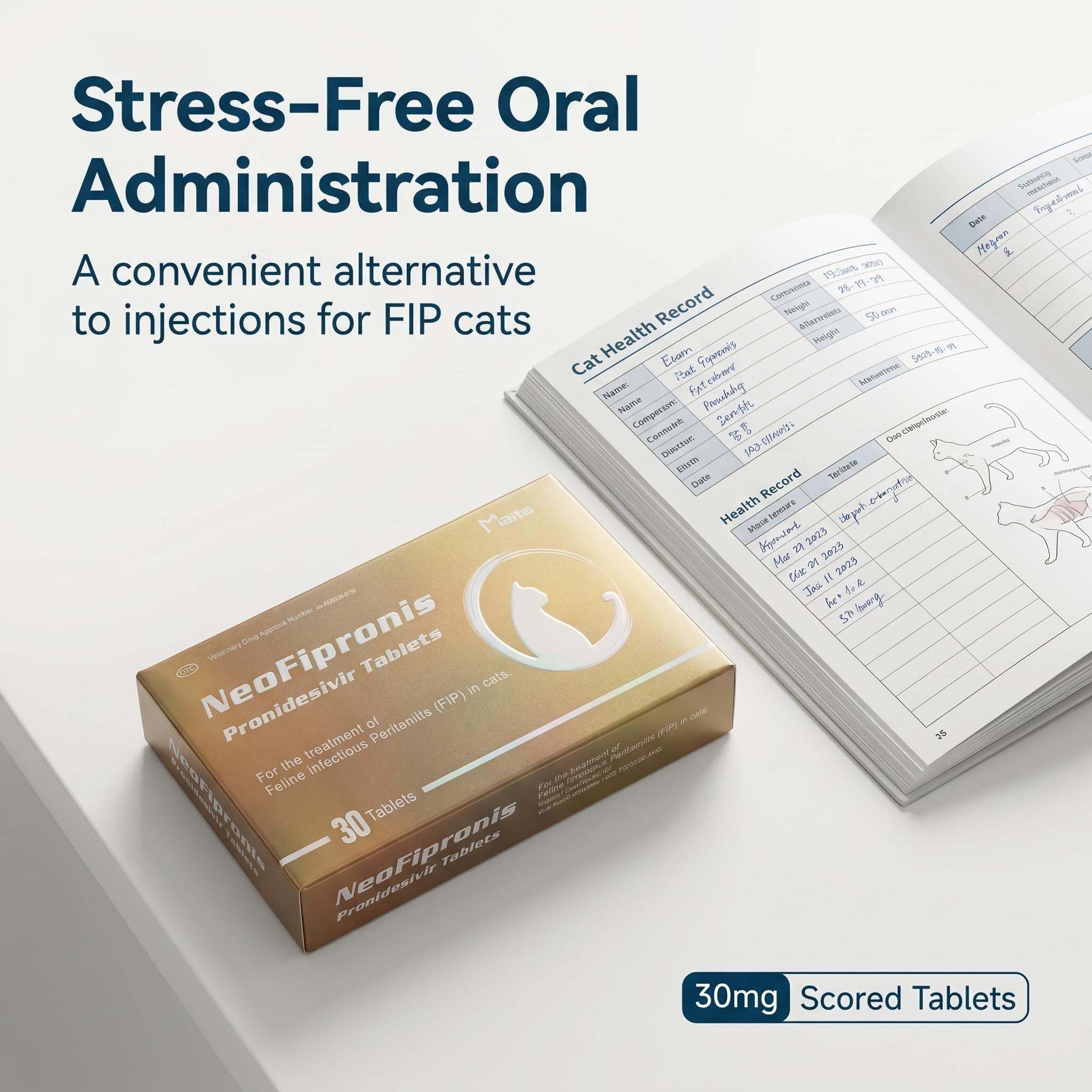
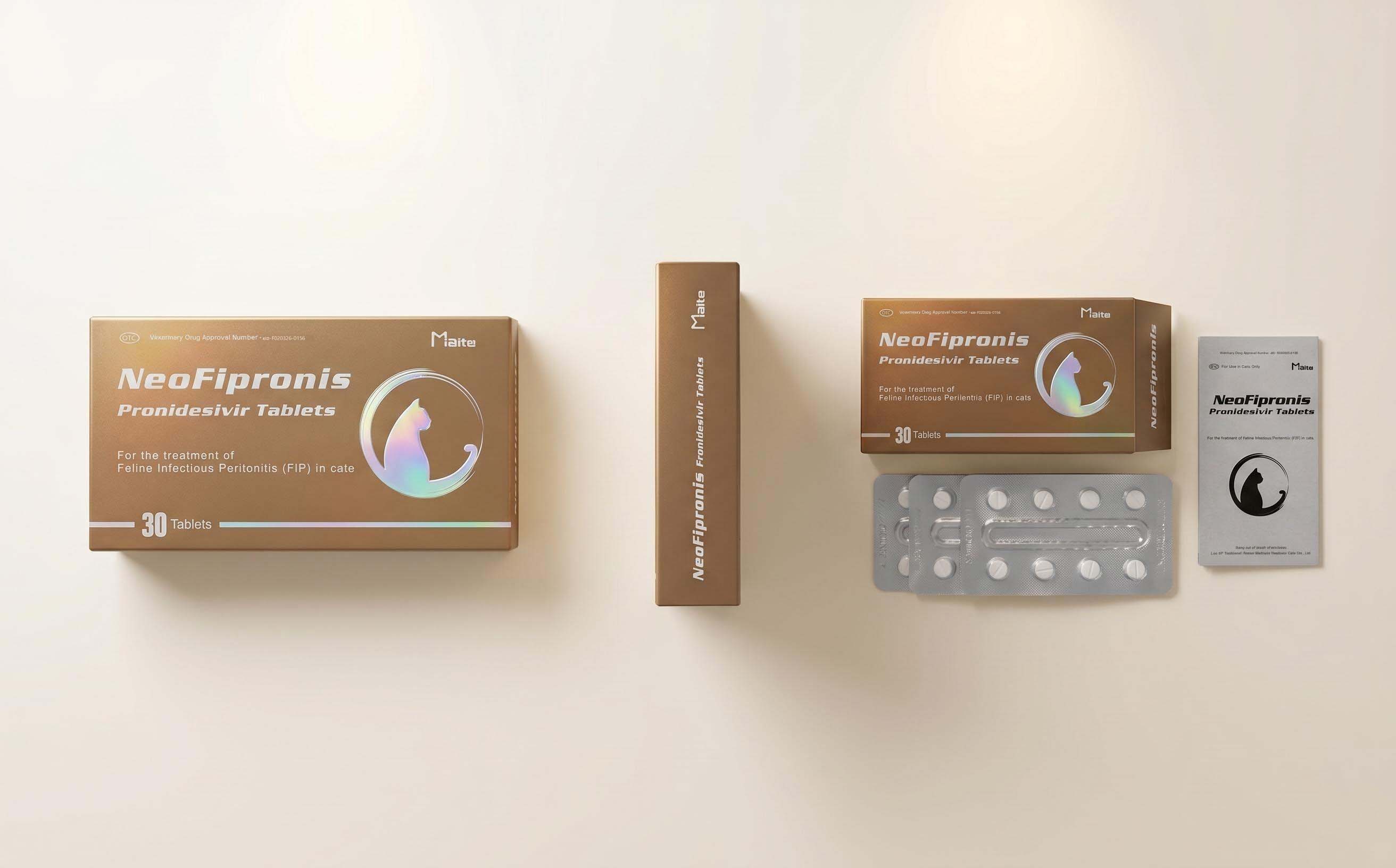
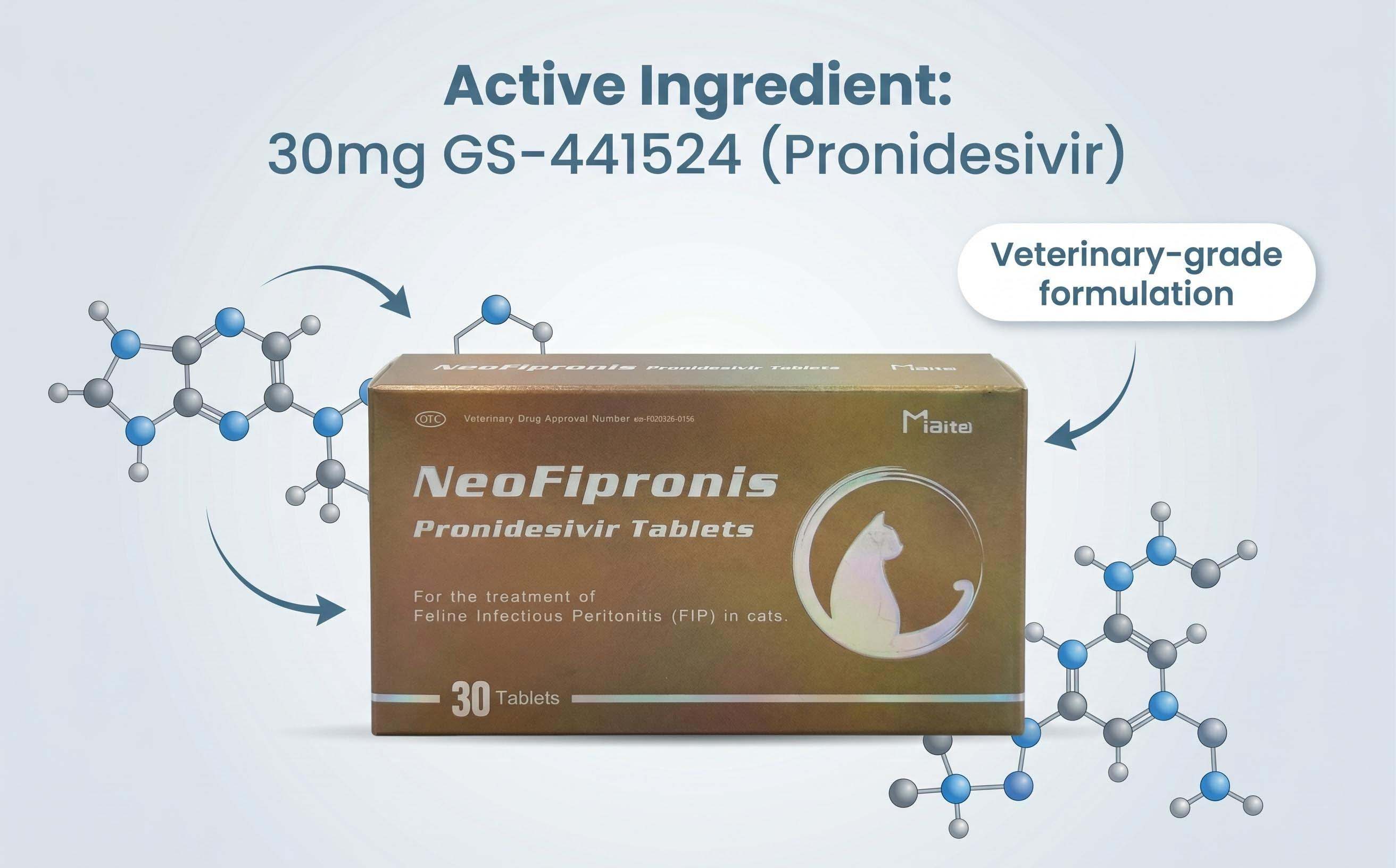
Among the groundbreaking therapies is the introduction of oral antiviral drugs, which offer non-invasive, effective treatment options. A notable example is Miaite NeoFipronis (Pronidesivir) GS-441524, approved in March 2026 by the Lao Ministry of Agriculture and Forestry (MAF). This medication represents a significant milestone, being the world’s first officially approved oral treatment for FIP, with a registered drug number indicating its regulatory approval.
Key Features of NeoFipronis (Pronidesivir) GS-441524
Suitable for Symptoms Caused by FIP: NeoFipronis effectively addresses symptoms such as loss of appetite, lethargy, fever, ascites, pleural effusion, lymphadenopathy, inflammatory granulomas, nerve damage, and uveitis.
High Therapeutic Efficacy: It demonstrates excellent results in controlling and potentially curing FIP, dramatically improving survival rates.
Safety and Tolerance: The medication is non-invasive, rapidly absorbed, fast-acting, well-tolerated, and associated with few side effects.
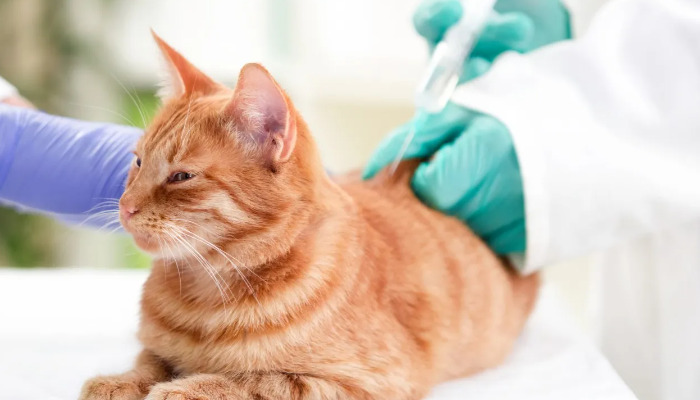
Convenient Administration: Being oral, NeoFipronis simplifies treatment, reducing the stress associated with injections or hospital stays.
How Does NeoFipronis Work?
NeoFipronis (Pronidesivir) GS-441524 functions by inhibiting the replication of the coronavirus inside the cat’s cells. This mechanism reduces viral load rapidly, allowing the immune system to recover and resolve the inflammation caused by the mutated virus. Its rapid absorption and distribution in the body ensure quick onset of action, which is crucial for managing FIP symptoms effectively.
Treatment Protocols and Owner Responsibilities
While veterinary guidance is essential, general treatment protocols involve:
Dosing: Based on the cat's weight, following veterinarian recommendations precisely.
Duration: Treatment duration varies but usually extends over several weeks to ensure complete virus eradication.
Monitoring: Regular veterinary check-ups, blood tests, and imaging are vital to assess response and adjust therapy as necessary.
Supporting Care: Adequate hydration, nutrition, and managing secondary infections or complications support the recovery process.
Owners play a crucial role by ensuring consistent medication administration, observing for side effects, and maintaining close communication with veterinarians throughout treatment.
Potential Side Effects and Precautions
Despite its high safety profile, some cats may experience mild side effects such as gastrointestinal upset or temporary changes in behavior. Serious adverse reactions are rare but should be promptly reported to a veterinarian. Following recommended dosages and scheduling reduces risks and maximizes the chances of successful treatment.
The Future of FIP Treatment
The approval of NeoFipronis marks a new era in feline medicine. With ongoing research and regulatory support, more effective and accessible treatments are anticipated to become available worldwide. Early diagnosis and prompt initiation of antiviral therapy are vital to maximize survival chances and improve quality of life for affected cats.
Final Thoughts for Cat Owners
Managing a cat diagnosed with FIP can be daunting, but advancements like NeoFipronis offer hope. Owners should seek veterinary advice immediately upon noticing symptoms, discuss the possibility of antiviral therapy, and adhere strictly to prescribed treatment plans. With proper care and emerging medical options, many cats now have a fighting chance against FIP.
For any cat owner, understanding the disease, treatment options, and the importance of professional veterinary support is paramount in providing the best possible outcome for their feline companions.
References
1. "Feline Infectious Peritonitis: Diagnosis and Treatment," Veterinary Medicine Journal.
2. "Advances in FIP Therapy: The Role of GS-441524," Journal of Feline Medicine and Surgery.
3. "Oral Medications for FIP: A New Era," Veterinary Pharmacology Review.
4. "NeoFipronis (Pronidesivir) GS-441524: An Overview," Official Veterinary Drug Registry of Laos.