Is Medication Necessary for Treating FIP in Cats
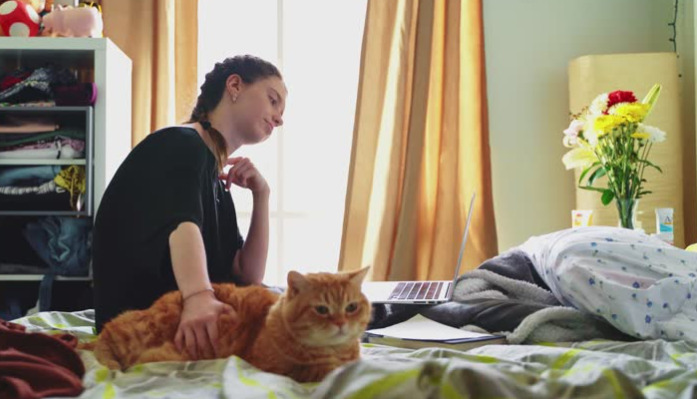
Feline Infectious Peritonitis (FIP) is a devastating disease that strikes fear into the hearts of cat owners and veterinarians alike. Caused by mutations in the feline coronavirus, FIP has long been considered an almost universally fatal diagnosis, especially before the advent of effective antivirals. The question of whether medication is truly necessary and which treatments offer hope is at the center of ongoing debate, research, and clinical practice. This article explores why medication is essential, delving into the biology of FIP, available and emerging treatments, ethical considerations, and the future outlook for affected cats.
Understanding the Disease
FIP arises from a mutation in the otherwise harmless feline enteric coronavirus, transforming it into a virulent form that can infect macrophages and spread through the body. The disease manifests in two primary forms: effusive ("wet") FIP, marked by fluid accumulation in the abdomen or chest, and non-effusive ("dry") FIP, characterized by granulomatous lesions affecting organs such as the kidneys, liver, or brain. Both forms produce a wide range of symptoms including fever, lethargy, appetite loss, weight loss, jaundice, neurological issues, and more. Without intervention, the progression is swift and invariably fatal.
Historical Treatment Approaches
For decades, FIP was regarded as incurable. Supportive care—pain relief, fluid therapy, nutritional support—could ease suffering, but did little to arrest disease progression. Corticosteroids and broad-spectrum antibiotics were used sparingly, but evidence showed these only provided temporary palliation. This shaped a pervasive belief: FIP was a death sentence, and medication offered little real hope.
Breakthroughs in Antiviral Therapy
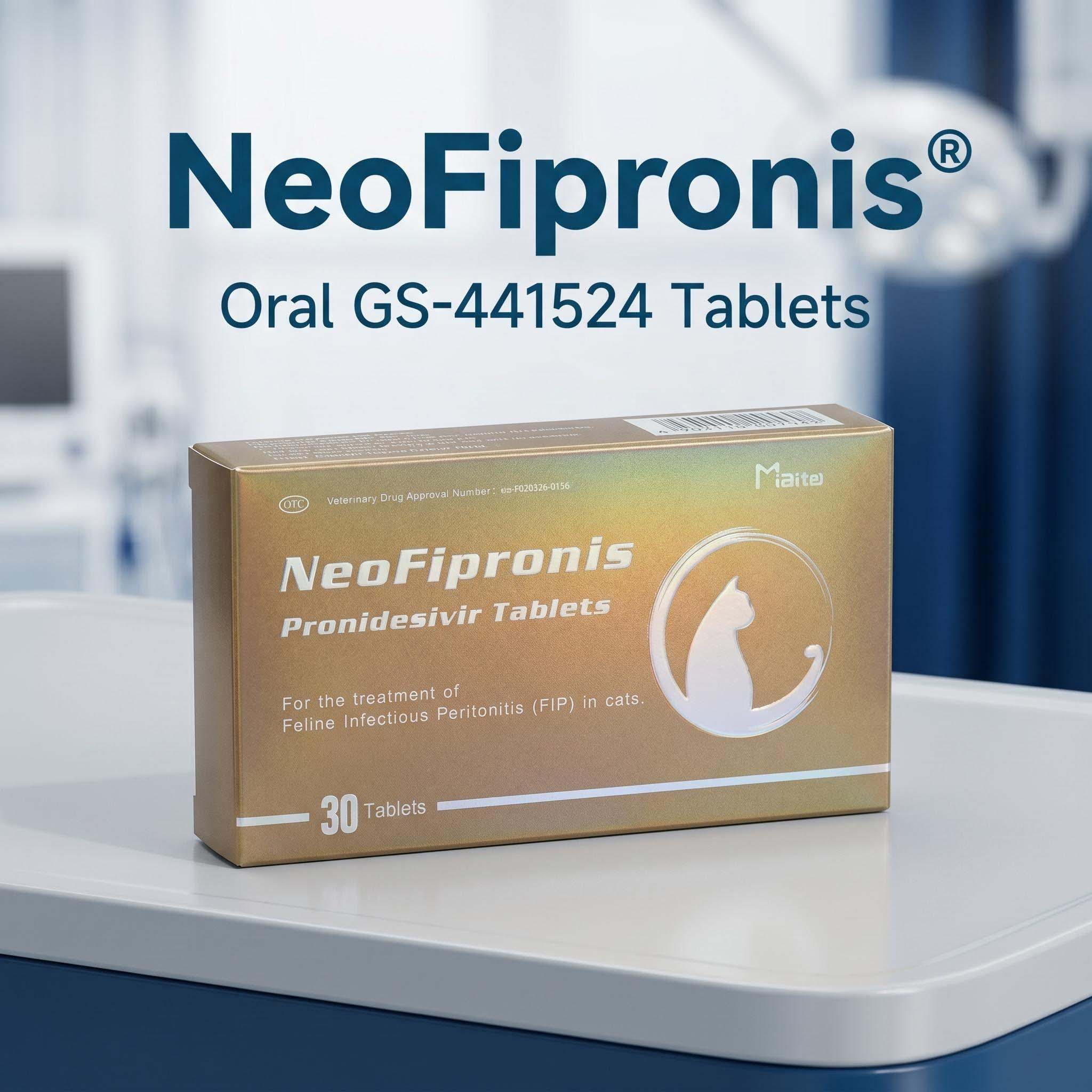
The landscape has changed dramatically with the emergence of antivirals, most notably GS-441524—an adenosine nucleoside analog related to remdesivir. Studies published in 2019 and afterwards demonstrated that this compound could reverse clinical signs and save lives. GS-441524 works by blocking viral replication, allowing the immune system to gradually clear the mutated virus. Other experimental drugs, including remdesivir itself and molnupiravir, have joined the armamentarium. Clinical trials in the US, China, Europe, and Australia have yielded remission rates up to 85-90% when medication is administered promptly and at the proper dosage.
Necessity of Medication
Medication is fundamental for the successful treatment of FIP. Without antivirals, the immune system is unable to overcome viral proliferation, and supportive therapies can only slow inexorable decline. The pathophysiology of FIP—its aggressive targeting of macrophages and dissemination throughout organ systems—means that only drugs specifically targeted at halting viral replication can provide a chance of recovery.
There are compelling reasons why medication is necessary:
1. Biological Imperative: The mutated virus is not susceptible to immune clearance without pharmacologic intervention. Without drugs, the cat’s body is overwhelmed.
2. Clinical Evidence: Remission and survival rates with GS-441524-based therapy far exceed any outcomes reported for supportive care or symptom management alone.
3. Quality of Life: Effective medication can both extend and dramatically improve the quality of a cat’s life post-diagnosis.
4. Owner Well-being: By transforming FIP from a death sentence into a treatable disease, medication delivers hope and positive closure to pet owners.
Challenges to Access
Despite the promise of medication, obstacles remain. GS-441524 is not FDA-approved for veterinary use due to patent and regulatory complications. As a result, many American cat owners must obtain treatment from underground or overseas sources, which raises questions about purity, dosing, safety, and legality. Remdesivir, the parent drug, sometimes serves as a legal alternative, yet access and cost are problematic.
Veterinarians are bound by ethical and legal constraints, and some may be hesitant to recommend off-label or unapproved drugs. Pet owners are often left to navigate a complex world of online forums, informal suppliers, and gray-market products. Ensuring safe and effective treatment remains a major challenge.
Medication Versus Supportive Care
While supportive care has a role—managing pain, controlling seizures, treating secondary infections—it cannot change the course of FIP without antiviral medication. Data from clinical studies show near-complete mortality in untreated FIP cases, with average survival ranging from several days to a few weeks. In contrast, antiviral therapy leads to sustained remissions in the majority of cats.
It is crucial to note that medication should always be administered under veterinary guidance when possible. Potential side effects, correct dosing, and monitoring for relapse or adverse reactions require professional oversight.
Addressing Concerns and Misconceptions
Some pet owners fear medication due to worries about side effects, cost, or misinformation online. Others hope that alternative treatments—herbal remedies, immune boosters, dietary supplements—can substitute for antivirals. The overwhelming evidence from veterinary medicine is clear: such interventions, while potentially useful as adjuncts for overall health, are not curative and cannot substitute for anti-coronavirus agents.
Similarly, questions arise about whether asymptomatic cats carrying feline coronavirus need medication. Only cats manifesting clinical signs of FIP are candidates for treatment; healthy carriers do not benefit from antivirals. Overuse or misuse of antiviral drugs can contribute to drug resistance and adverse outcomes.
Ethical and Emotional Considerations
Treating FIP is not simply a medical decision; it is an emotionally charged journey for owners. The financial cost of antivirals, sometimes exceeding thousands of dollars, can be prohibitive for some families. The stress and uncertainty of diagnosis, treatment, and potential relapse adds complexity. Veterinarians have an ethical responsibility to present all options honestly and compassionately, and to advocate for best-practices in care.
Owners must weigh the benefits of intervention against the risks and costs. For many, the prospect of recovery—even partial—is worth the investment. Community groups, financial aid programs, and nonprofit organizations may help ease the burden for those unable to afford medication.
Medication Advances and Research
The future of FIP therapy is encouraging. Several pharmaceutical companies and research teams are working to develop new drugs, FDA-approved formulations, and more affordable options. Combination therapies, improved dosing regimens, and targeted molecules may further boost efficacy and safety.
Researchers are also investigating the genetic and molecular drivers of feline coronavirus mutations, which could one day lead to preventive vaccines. Advances in viral sequencing, personalized medicine, and immunomodulators promise new frontiers in FIP management.
Practical Considerations for Owners
For cat owners facing an FIP diagnosis, seeking medication quickly and through reputable channels is essential. Consult with a veterinarian experienced in feline infectious diseases. Discuss all available options, including legal constraints and potential side effects. Monitor your cat closely during therapy, and report any changes to your veterinarian.
Support groups—online and in-person—can offer invaluable emotional support, practical advice, and community resources. Remember that medication is not an absolute guarantee of remission, but it remains the best hope for recovery.
Public Health Impact and Broader Implications
The emergence of effective FIP medication has broader implications for animal welfare, veterinary ethics, and zoonotic disease research. FIP treatment protocols have spurred innovation in drug development for other viral diseases. Meanwhile, the need for regulatory reform remains urgent, as more evidence accumulates in support of legalizing GS-441524 and similar agents for veterinary use in the US.
Conclusion
Feline Infectious Peritonitis is no longer an automatic death sentence. Medication—specifically antiviral therapy—has transformed outcomes for thousands of cats worldwide. Alternative and supportive therapies play important roles in comfort and quality of life, but only targeted medication can reverse disease progression. Barriers remain, particularly in the US, but research and advocacy are paving the way for safer, legal, and more accessible treatment. Veterinarians, researchers, and pet owners must continue to collaborate, educate, and innovate to ensure every FIP-affected cat receives the care they need.
References
Pedersen, N.C. "The Pathogenesis and Treatment of Feline Infectious Peritonitis." Journal of Feline Medicine and Surgery.
Murphy, B.G., et al. "The Efficacy of GS-441524 for Treatment of Feline Infectious Peritonitis." Journal of Feline Medicine and Surgery.
Kipar, A., Meli, M.L. "Feline Infectious Peritonitis: Still an Enigma?" Veterinary Pathology.
Dickinson, P.J., et al. "Remdesivir for Feline Infectious Peritonitis: A Case Series." Journal of Veterinary Internal Medicine.
Izes, A.M., et al. "Advances in the Diagnosis and Management of FIP." Australian Veterinary Journal.
Porter, E., Tasker, S. "Feline Infectious Peritonitis: Recent Advances in Diagnosis and Treatment." Veterinary Clinics of North America: Small Animal Practice.
Addie, D.D., et al. "Feline Infectious Peritonitis: Resources for Practitioners." American Journal of Veterinary Research.
Cohen, S. "GS-441524: The Antiviral That Saved My Cat." Cat Fancy Magazine.
Felten, S., Hartmann, K. "Diagnosis and Therapy of Feline Infectious Peritonitis." Veterinary Immunology and Immunopathology.