Is Fatigue Normal During FIP Medication Treatment
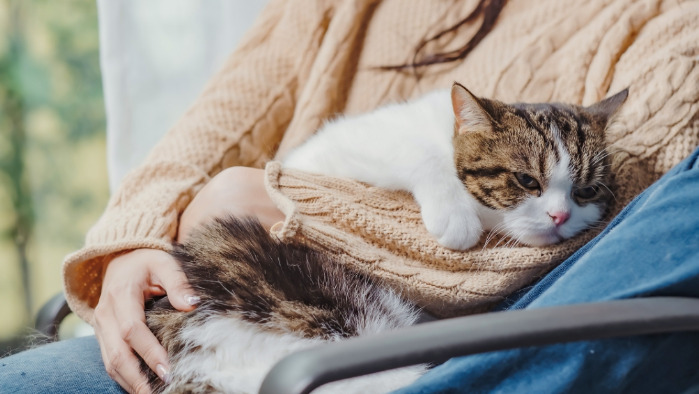
Fatigue is a commonly reported concern among owners when their cats are undergoing medication treatment for feline infectious peritonitis (FIP). As effective therapies for FIP become more widespread, especially with the rise of antivirals like GS-441524 and remdesivir, questions about what is considered “normal” during the treatment period have grown. This article explores the nature of fatigue during FIP medication, investigates underlying causes, and offers insight into how cat owners and veterinarians can recognize, manage, and monitor fatigue.
Feline infectious peritonitis, often simply called FIP, is a viral disease that historically carried near-certain fatality. Recent breakthroughs in antivirals have dramatically improved survival rates, but the journey through treatment is complex and can include side effects. Fatigue is one of the symptoms that may concern guardians as their cat recovers. Is this merely a symptom of the disease, a side effect of medication, or indicative of another underlying problem? Understanding fatigue in the context of FIP treatment helps inform expectations and care strategies.
Understanding FIP and Its Systemic Impact
FIP is triggered by a mutated form of feline coronavirus and leads to widespread inflammation. Symptoms depend partly on the “wet” or “dry” form, but lethargy is common in both. Even before medication begins, the virus is wreaking havoc on the immune system, sapping energy as the body fights widespread infection. This baseline fatigue makes it challenging to distinguish medication-induced tiredness from disease-related exhaustion.
Mechanisms of Fatigue in FIP-Affected Cats
Fatigue in cats with FIP stems from several biological processes:
Viral Load and Immune Response: Fighting off a systemic viral infection drains metabolic resources and impacts appetite, sleep, and energy.
Inflammatory Cytokines: The immune system releases substances that induce sleepiness and malaise, similar to what humans feel during the flu.
Nutritional Deficits: Many FIP cats eat less and lose weight, reducing caloric intake and muscle mass necessary for normal activity.
Understanding whether fatigue arises from FIP itself sets the stage for evaluating drug-related effects.
FIP Medication Therapies: GS-441524, Remdesivir, and Others
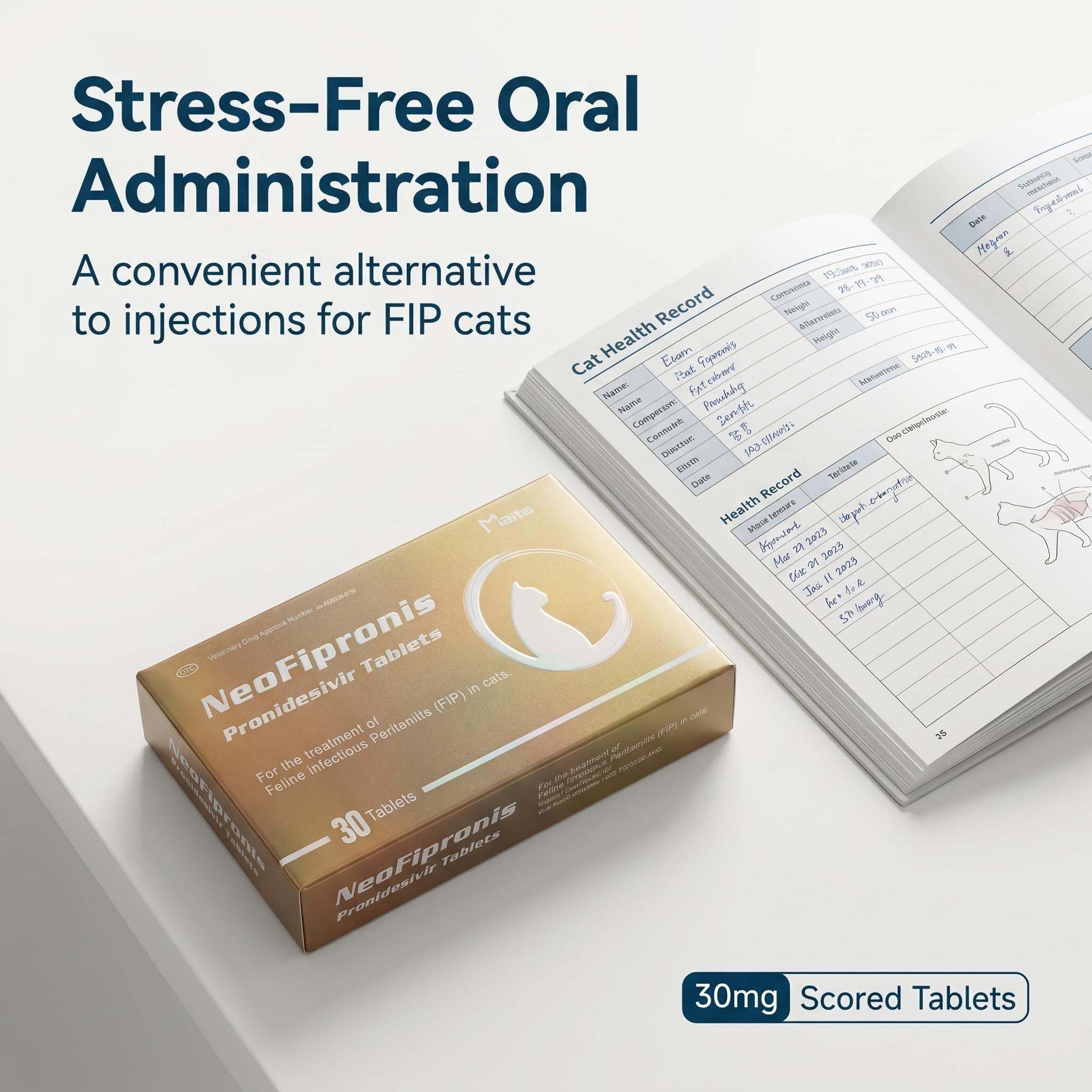
The most promising FIP medications are nucleoside analogues that suppress viral replication. Owners often report dramatic turnaround—cats that were listless and weak regain vigor quickly after starting treatment. However, this is not universal, and some cats remain tired, especially during early or mid-stages of therapy.
Common agents include:
GS-441524: The parent compound of remdesivir, available through some legal and research channels.
Remdesivir: Used under veterinary supervision in some countries.
Adjunct Therapies: Supportive medications for symptoms and secondary infections.
These drugs are generally well-tolerated, but like all antivirals, may have transient side effects that include mild lethargy.
Expected Timeline of Fatigue During Treatment
Early Stage (First 1–2 Weeks): Residual fatigue from FIP may persist. Some cats may be very tired, sleep more than usual, and not engage in play. Medication side effects are generally mild, but adjustment to the regime may cause additional tiredness.
Middle Stage (2–6 Weeks): Most cats begin to perk up. Appetite, interest in surroundings, and social interaction typically improve as viral load drops. However, intermittent rest periods are still normal, and fatigue can return temporarily after particularly active bouts or vet visits.
Late Stage and Recovery (6–12 Weeks): Energy levels continue to return. If fatigue persists or worsens, further veterinary evaluation is warranted to rule out secondary infections, liver or kidney complications, and medication-related issues.
Differentiating Normal vs. Concerning Fatigue
Not all tiredness is worrisome. Signs that fatigue is expected may include:
Return of appetite
Gradual increase in daily activity
Periods of alertness and engagement
Willingness to play or seek attention intermittently
In contrast, concerning fatigue includes:
Rapid worsening of lethargy
Little or no appetite after initial improvement
Difficulty standing or walking
Recurrent vomiting or diarrhea not explained by prior pattern
Yellowed gums or eyes (possible liver involvement)
Labored breathing
Any abrupt change or plateau in recovery should be flagged for prompt veterinary reassessment.
Other Factors Affecting Fatigue During Medication
Fatigue may be influenced or intensified by elements aside from the disease and drugs themselves:
Stress from Handling or Environment: Frequent vet visits, medication administration, or household commotion can exhaust sick cats.
Concurrent Illnesses: FIP cats are immunocompromised, susceptible to secondary infections that can drain energy (e.g. upper respiratory infections).
Drug Dosage and Side Effects: Overdosing or incorrect administration may trigger increased sleepiness or systemic reactions.
Individual Variation: Age, prior health status, and breed can affect response to medication and susceptibility to tiredness.
Supporting Cats Experiencing Fatigue During FIP Treatment
Owners can help their cats by adopting supportive measures:
Create a Quiet Resting Space: A calm, warm, and comfortable area can reduce unnecessary energy expenditure.
Monitor Food and Water Intake: Soft, palatable, easily digestible foods encourage eating. Hydration is vital for recovery.
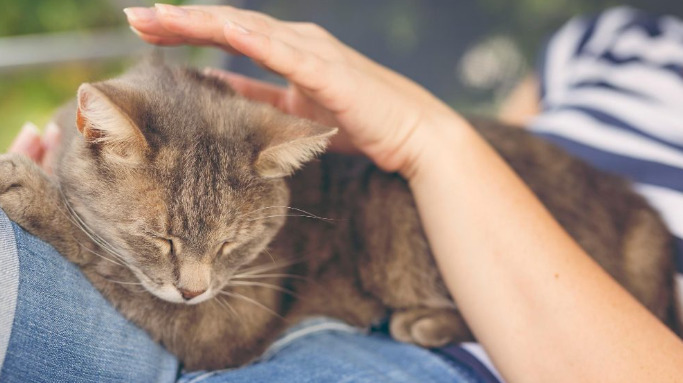
Gentle Physical Stimulation: Short sessions of gentle petting or play can keep the cat engaged without overexertion.
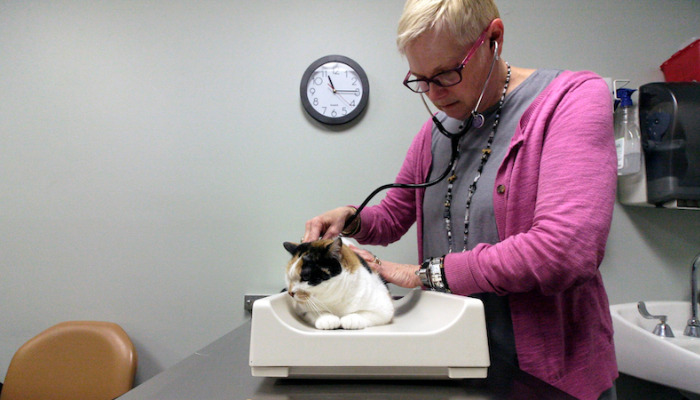
Regular but Calm Vet Check-ins: Keep appointments consistent but avoid stressful handling.
Track Activity and Behavior: Note improvements or setbacks daily in a dedicated journal.
When to Contact Your Veterinarian
Fatigue that persists beyond the expected timeline, dramatically worsens, or is accompanied by other symptoms (e.g. vomiting, diarrhea, jaundice, breathing changes) should be evaluated by a veterinarian. Bloodwork may be needed to check organ function and medication levels. Some cats may benefit from dose adjustments or supportive interventions for complications.
Comparative Fatigue: FIP vs. Other Cat Illnesses
Lethargy is a hallmark of many feline diseases—calicivirus, FeLV, and renal failure all cause tiredness. However, FIP-related fatigue tends to be more pronounced and persistent due to the unique nature of systemic inflammation. Medication for FIP does not typically cause severe fatigue, making newfound or worsening tiredness during therapy a clinical red flag.
Strategies for Long-Term Recovery and Fatigue Management
Long-term outlook for cats treated for FIP can be positive, but some remain more prone to fatigue for weeks or months after medication stops. Nutritional supplementation, environmental enrichment, and stress reduction help build resilience. Routine veterinary care and careful observation guard against relapse or hidden complications.
Owner Perspectives: Navigating the Emotional Toll of Fatigue
For guardians, seeing a beloved cat exhausted or withdrawn during treatment can be distressing. Support from veterinary staff and online communities that specialize in FIP can alleviate uncertainty. Understanding that most fatigue is normal, especially during early stages, and is likely to improve, reassures owners and aids in consistent, compassionate care.
Determining the Balance: Rest vs. Stimulus During Recovery
Allowing cats restful periods without forced engagement is crucial. Overstimulation risks worsening fatigue; instead, let cats set the pace. Short, gentle playtimes and gradual increases in physical activity typically foster resilience without undue stress.
Innovations in FIP Medications: Will New Therapies Reduce Fatigue?
The evolution of FIP therapies—better targeted, less toxic, and more palatable medications—aims to reduce side effects, including fatigue. Ongoing clinical trials continue to evaluate drug efficacy and safety. Future agents may support more rapid and sustained recovery, but close monitoring for tiredness remains integral to care.
Recognizing Subtle Signs of Fatigue in Cats
Cats often conceal illness. Fatigue may manifest as:
Hiding or sleeping in unusual places
Decreased grooming
Reduced responsiveness to familiar voices or toys
Shortened play sessions
Understanding these subtle shifts enables earlier intervention and optimal treatment adjustments.
Conclusion
Fatigue during FIP treatment is expected and often signals the body’s ongoing battle against a serious viral enemy. Most cats gradually recover energy as therapy progresses, but vigilant monitoring for abnormal or worsening tiredness is essential. Owner patience, supportive care, and close veterinary collaboration facilitate the best outcomes for cats on the road back from FIP.
References
Pedersen, N.C. "An Update on Feline Infectious Peritonitis: Diagnostics and Therapeutics." Veterinary Clinics of North America: Small Animal Practice, 2020.
Addie, D.D., et al. "Treatment of Feline Infectious Peritonitis with GS-441524." Journal of Feline Medicine and Surgery, 2019.
Rissi, D.R. "Feline Infectious Peritonitis: An Overview." Veterinary Pathology, 2018.
Murphy, B.G., et al. "The Efficacy of Antiviral Treatment in Cats with FIP." Journal of Veterinary Internal Medicine, 2021.
Hartmann, K. "Feline infectious peritonitis: a review of current literature." Veterinary Journal, 2017.
Izes, A.M., et al. "Clinical aspects and management of cats with FIP undergoing treatment." Australian Veterinary Journal, 2022.
Tsai, H.Y., et al. "Immune responses and fatigue in FIP cats during antiviral therapy." Veterinary Immunology and Immunopathology, 2021.