What Happens if a Dose of FIP Medication Is Missed
Introduction: Understanding FIP and Its Treatment
Feline Infectious Peritonitis (FIP) stands as one of the most challenging diseases in feline medicine. Caused by a mutated feline coronavirus, FIP used to be regularly fatal for cats. In recent years, hope arrived with the development of antiviral drugs, notably GS-441524 (a nucleoside analog) and its derivatives, which have started to transform the outlook for many affected cats. With treatment durations typically stretching over several weeks—often 84 days—owners undertake a significant routine in administering medication. The question of a missed dose naturally arises, as perfection is difficult to sustain. Exploring what happens if a dose of FIP medication is missed is vital, not only for the well-being of the cat but also for maintaining the effectiveness of the therapy. This article will provide a thorough review, addressing practical concerns, potential consequences, and guidance on steps to take if a dose is missed.
Why Consistency Matters in FIP Treatment
Antiviral therapy for FIP is prescribed with strict dosing schedules because of the biology of coronaviruses and how these medications interact with the viral replication cycle. The main drugs currently used, such as GS-441524 and Remdesivir, rely on maintaining a consistent plasma concentration to continuously suppress viral replication. When a dose is missed, blood levels of the medication can fall below therapeutic thresholds, potentially giving the virus an opportunity to rebound. Small windows of underdosing may allow for viral persistence and even resistance, jeopardizing treatment success.
Studies on antiviral treatments for humans and animals have consistently demonstrated that incomplete dosing schedules may decrease efficacy and increase the risk of viral resistance. For cats battling FIP, the stakes are high. The body's immune response alone is not sufficient to handle the infection, making continued medication essential for survival and eventual cure.
Factors Affecting the Impact of a Missed Dose
Not all missed doses have equal impact, and the consequences depend on several factors:
1. How Much Time Has Elapsed: Missing a dose by an hour or two is different than skipping an entire day. The pharmacokinetics of FIP medications suggest that shorter delays are less harmful but should be avoided if possible.
2. Type of Medication: Oral medications and injectable formulations may have slightly different absorption and elimination patterns. Some preparations have longer half-lives, making a missed dose slightly less impactful, but this does not mean missing doses is safe.
3. Stage of Treatment: Missing a dose early in therapy, when the viral load is higher, is generally considered more dangerous than missing a dose during the later stages of treatment. Early consistency helps to suppress the virus rapidly and prevent spread.
4. Cat’s General Health and Age: Cats with weaker immune systems may be more susceptible to setbacks following a missed dose.
Understanding these variables can help gauge the severity of missing a dose, but in every case, it’s best to avoid interruptions. The recommendations provided by veterinarians are crafted with these pharmacological and physiological principles in mind.
Immediate Steps to Take If You Miss a Dose
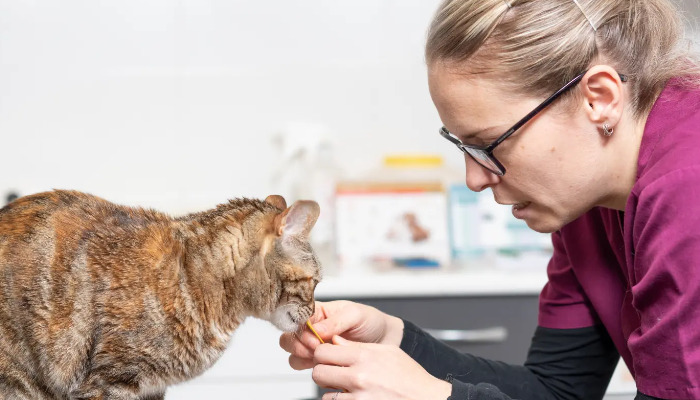
If an owner realizes a dose has been missed, quick action is required to minimize risks. Following this checklist can help:
Administer the missed dose promptly: If you discover the omission within a few hours, give the dose as soon as possible, then resume the normal schedule.
Do not double up doses: If it's almost time for the next scheduled dose, skip the missed one rather than giving two close together, as this could cause toxicity.
Contact your veterinarian: If you are unsure, a quick call can confirm the safest next step.
Monitor your cat: Watch for any behavioral changes, such as lethargy, loss of appetite, or return of FIP symptoms. Report to your vet right away if you notice these signs.
Missing more than one dose, or missing doses repeatedly, can decrease the success rate of FIP therapy. Always prioritize communication with your veterinarian if interruptions occur, as they may recommend additional bloodwork or adjustments to support your cat’s recovery.
The Science: How Missed Doses Affect Viral Suppression
The theoretical risk associated with missing FIP medication is tied to viral dynamics. Antivirals like GS-441524 work to inhibit the RNA polymerase of the coronavirus, essentially preventing it from copying itself once inside the cat’s cells. If medication levels drop below the inhibitory concentration—often referred to as IC50—the virus quickly resumes replication.
Research in both feline and human medicine has shown that even a single missed dose in antiviral therapy, depending on the drug’s half-life and the patient’s health status, can potentially result in ‘viral blips’—periods where the virus temporarily escapes suppression. While short-lived, these can accumulate into treatment failure or chronic infection if missed doses are frequent.
For example, Remdesivir, initially developed for Ebola and later repurposed for FIP, has a similar effect. Adequate plasma levels are required to keep the virus suppressed. Pharmacological models suggest that medication levels fall exponentially after administration, making missed doses much more consequential than late but completed dosing.
Moreover, studies on the genetic mutation rates of viruses indicate that subtherapeutic antiviral exposure can foster the evolution of drug-resistant strains. This is a significant concern, as once resistance arises, current treatments may become less effective or entirely useless.
Possible Symptoms and Setbacks After Missing a Dose
Owners might be anxious about what physical signs to observe following a missed dose. Common concerns include:
Recurrence of fever
Increase in lethargy
Loss of appetite
Return of abdominal fluid accumulation
Reappearance of neurological or ocular signs
If symptoms reappear or worsen, immediate veterinary attention is essential. At times, a single missed dose may not trigger a visible relapse, especially in cats well into their therapy cycle. However, multiple missed doses or regular inconsistency can lead to a rapid deterioration.
Is Treatment Failure Reversible After Missed Doses?
One of the most pressing fears is whether a missed dose can trigger irreversible treatment failure. Data from clinical studies and anecdotal reports indicate that most cats can tolerate a single missed dose, especially if corrected promptly. However, cats who have frequent dosing errors are less likely to achieve a full cure and more likely to relapse.
Veterinarians may opt for additional monitoring in these cases, including repeated antibody testing, bloodwork (such as complete blood counts and serum protein analyses), and potentially restarting the entire course of medication if relapse is suspected. It is important to remember that re-initiating therapy comes with additional financial, emotional, and medical burdens.
Preventing Missed Doses: Practical Strategies for Cat Owners
Given the risks, prevention remains the most effective strategy. Here are proven tips for owners:
Set a consistent daily schedule: Use smartphone alarms or pill organizers to ensure regular dosing.
Record doses in a logbook: Mark each administered dose, noting time and date.
Enlist help during busy periods: If away from home, arrange for someone else to administer medication.
Keep extra medication on hand: Plan for prescription refills ahead of time so supplies do not run out.
Discuss alternate formulations with your veterinarian: Some newer medications may be easier to administer, increasing compliance.
Consistency is the cornerstone of successful FIP treatment, and proactive habits can lower the risk of errors while supporting your cat’s recovery.
Special Circumstances: Travel, Stress, and Other Interruptions
Owners may worry about missing doses during vacations, emergencies, or periods of high stress. Planning ahead is crucial. Travel preparation may involve packing medication securely, setting reminders across time zones, and confirming local veterinary access in case of problems.
During stress or illness (for either owner or cat), delegate responsibilities or reach out to your veterinarian to coordinate alternative dosing plans. For hospitalized cats, professional staff should maintain strict adherence to medication schedules.
Long-term Outcomes and Relapse Prevention
At the completion of the therapy, most cats with FIP achieve remission if dosing has been consistent. The risk of relapse rises if doses were missed, especially in the critical early stages. Relapses may manifest weeks or months after the final dose, requiring renewed vigilance.
Regular follow-up appointments, bloodwork, and observation are recommended for all FIP survivors. Owners should note any changes in health and maintain high standards for routine veterinary care going forward. Cats who experienced missed doses may need extra monitoring to ensure that relapse does not occur.
Current Research and Future Perspectives in FIP Treatment Compliance
Newer drugs and delivery forms are under investigation to reduce the practical challenges of FIP therapy. Long-acting injectable medications, implantable drug delivery systems, and simplified oral dosing schedules are currently being researched. If approved and made available, these innovations could dramatically reduce the chances of missed doses and address some of the biggest barriers to successful treatment.
Meanwhile, education for cat owners remains a priority among veterinarians. Initiatives for support groups, telemedicine follow-ups, and instructional materials can improve compliance rates—even in complicated, lengthy treatment regimens.
References
1. Pedersen NC, et al. "Efficacy and safety of the nucleoside analog GS-441524 for treatment of cats with naturally occurring feline infectious peritonitis." Journal of Feline Medicine and Surgery.
2. Murphy BG, et al. "The Pathogenesis of Feline Infectious Peritonitis and the Role of Antiviral Therapy." Veterinary Microbiology.
3. Dickinson PJ. "Management of FIP: New Directions in Therapy and Compliance." Feline Medicine Review.
4. Chang HW, et al. "Feline Coronavirus: Genetic Diversity, Epidemiology, and Control." Veterinary Sciences.
5. Kipar A, et al. "Clinical and Pathological Features of Feline Infectious Peritonitis: Impact of Treatment on Outcomes." Journal of Veterinary Internal Medicine.
6. Hartmann K. "Feline Infectious Peritonitis—Recent Advances in Understanding and Management." Journal of Small Animal Practice.