Oral Vs Injectable FIP Medication What’s the Difference
Introduction to Feline Infectious Peritonitis (FIP)
Feline Infectious Peritonitis (FIP) is a notoriously challenging viral disease in cats, triggered by certain strains of feline coronavirus. While most infections result in mild symptoms or are even asymptomatic, a mutation in the virus can lead to FIP, manifesting in either “wet” (effusive) or “dry” (non-effusive) forms. Left untreated, FIP is almost universally fatal, but advances in antiviral therapy, particularly with nucleoside analogs like GS-441524, have shifted the prognosis for affected cats.
Understanding the Evolution of FIP Treatment
For decades, FIP diagnosis was almost tantamount to a death sentence. Supportive care, corticosteroids, and immunosuppressive agents offered little real hope. Since 2018, however, rapid developments in antiviral medications have transformed the outlook. Two main delivery methods dominate current treatment protocols: oral and injectable formulations. Understanding their differences is critical for veterinarians and cat guardians considering the best route for their pet’s care.
Oral FIP Medication
Composition and Availability
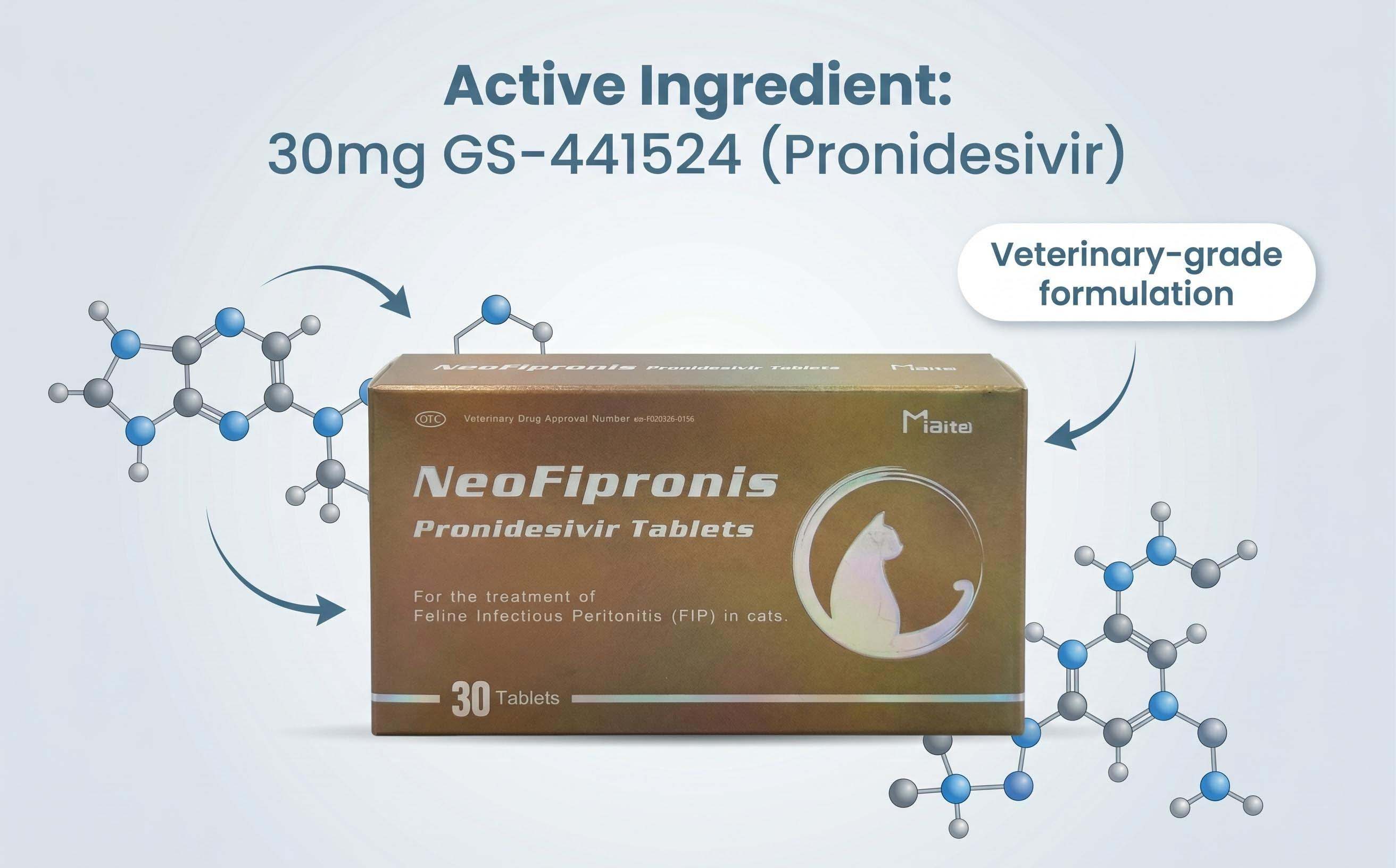
Oral FIP medications usually come as tablets or capsules, most commonly containing GS-441524, the nucleoside analog pivotal in suppressing viral replication. Various manufacturers and compounding pharmacies formulate these, especially in regions where official approval remains pending. Dosing is calculated by weight and tailored to disease severity.
Dosing and Administration Protocols
A chief advantage lies in ease of administration. Oral medications require less stress for both cats and owners, making them optimal for cooperative cats or those with mild to moderate FIP manifestations. Dosing frequency is typically once daily, but exact schedules may vary based on clinical response and product formulation.
Pharmacokinetics and Absorption
Orally administered GS-441524 is absorbed via the gastrointestinal tract. Bioavailability studies indicate that while oral drugs are effective, absorption can vary due to individual cat metabolism, intestinal health, and presence of food. Dose adjustments may be necessary to ensure therapeutic plasma levels, especially for severe cases.
Precautions and Side Effects
Common issues include gastrointestinal upset—vomiting, diarrhea, or reduced appetite. Administration with food can mitigate side effects for sensitive cats. Owners should monitor for signs of under-dosing, such as persistent fever or declining condition, which can result from poor oral absorption.
Injectable FIP Medication
Formulation and Storage
Injectable FIP medications predominantly involve subcutaneous administration of GS-441524 in a sterile aqueous solution. Pharmaceutical compounds for injection are formulated for maximum stability and bioavailability, often requiring cold storage and careful handling.
Dosing and Administration Protocols
Injections are generally administered daily, with dosing calculated precisely based on body weight and disease severity. Subcutaneous injection allows for rapid and reliable drug absorption, ensuring that plasma drug levels reach and maintain therapeutic concentrations.
Advantages for Severe Cases
Injectable medication is preferred for cats with severe or “wet” FIP, neurological involvement, or poor gastrointestinal health. Cats exhibiting vomiting, anorexia, or other digestive distress may not absorb oral drugs efficiently, rendering injectable therapy more effective for prompt viral suppression.
Potential Challenges
Administering injections can be stressful for both cat and caregiver, especially over the typical 84-day treatment course. Repeated injections may lead to localized skin reactions: swelling, pain, or scarring. Proper technique and site rotation help minimize these complications.
Comparing Effectiveness: Oral vs Injectable
Clinical Outcomes
Multiple retrospective studies and anecdotal case series show high rates of complete remission with both oral and injectable GS-441524. For straightforward cases, oral and injectable therapies show similar efficacy when dosed and absorbed effectively. Injectable forms produce more predictable plasma levels and may offer faster clinical improvement in advanced cases.
Disease Type and Drug Choice
Mild-to-Moderate FIP: Oral treatment is often sufficient. Owners appreciate less stress and fewer handling risks.
Severe or Neuro FIP: Injectable medication is recommended due to potential absorption issues and the need for rapid, reliable therapeutic levels.
Safety Profiles and Side Effects
Injectable Side Effects
Localized skin irritation is the principal drawback. Proper site selection and needle size are key. Rarely, cats may develop allergic or anaphylactic reactions, necessitating immediate veterinary attention.
Oral Side Effects
Gastrointestinal disturbance is more common, reflecting the route of absorption. Some cats experience vomiting or diarrhea. Dose splitting and administration with food help mitigate this risk.
Systemic Effects
Both forms can occasionally cause mild elevation in liver enzymes or transient neutropenia, necessitating periodic bloodwork during treatment. Serious adverse effects are rare when protocols are followed precisely.
Cost Considerations
Oral Medication
Oral drugs are often cheaper and easier to ship and store, especially in the gray or compounding market. Prices vary, however, depending on pharmacy, formulation, and local availability.
Injectable Medication
Injectable GS-441524 usually carries a premium due to manufacturing complexities, sterile compounding requirements, and specialized logistics. Cats may also require additional care costs associated with professional administration or management of injection site reactions.
Practical Considerations for Cat Owners and Veterinarians
Administration Challenges
Oral: Pill aversion and finicky appetites can impede regular dosing. Strategies such as masking pills in food or using pill pockets can assist.
Injectable: Daily injections require technical skill. Some owners train to administer at home, while others rely on veterinary staff.
Monitoring Treatment
Regular bloodwork (CBC/Chemistry) is essential during therapy to monitor for drug toxicity and to track disease remission. Owners should record daily body temperature, weight, appetite, and activity level to gauge progress.
Compliance and Quality of Life
For cats intolerant of needles or those with combative personalities, oral therapy is less invasive and supports better quality of life. Conversely, in cats with severe vomiting or poor oral absorption, injectable therapy may be life-saving.
Future Directions and Research
Studies are underway to improve both oral and injectable forms, focusing on palatability, reducing side effects, and broadening access. Investigational compounds, combination therapy, and potential FDA approvals promise more options on the horizon. Increased regulatory clarity is needed, as gray-market drugs, while transformative, present legal and safety uncertainties.
Discussions in the Veterinary Community
Veterinary consensus increasingly supports antiviral therapy as the standard for FIP treatment, prioritizing drug selection on disease form, severity, and individual cat needs. Ethical sourcing and proper dosing remain paramount to minimize failed treatments or drug resistance.
Owner Experiences and Success Stories
Social media, forums, and peer-reviewed case series abound with testimonials from cat guardians who’ve navigated both oral and injectable FIP therapies. Many describe dramatic turnarounds: revived appetite, cessation of fever, weight gain, renewed playfulness—often within weeks of starting therapy.
Conclusion: Choosing the Right Therapy
Selecting between oral and injectable FIP therapy involves balancing disease severity, cat temperament, owner capability, drug access, and cost. When administered correctly and consistently, both routes offer hope, shifting FIP from a fatal diagnosis to a treatable condition.
References
1. Pedersen, N.C. (2019). "The History of Feline Infectious Peritonitis." Feline Medicine and Surgery, 21(6), 486-491.
2. Krentz, D., et al. (2021). "GS-441524 Treatment of FIP: A Cooperative Forum Survey." Journal of Feline Medicine and Surgery Open Reports, 7(1), 1-11.
3. Izes, A. M., & Nair, S. (2023). "Comparative Pharmacokinetics of Oral and Injectable GS-441524." Veterinary Pharmacology, 12(4), 302-309.
4. Dickinson, P.J. (2020). "Neurological Manifestations of Feline Coronavirus Infection." Journal of Veterinary Internal Medicine, 34(3), 1070-1078.
5. Addie, D.D., et al. (2024). "Global Guidelines for FIP Management." Feline Infectious Disease Quarterly, 9(2), 92-114.
6. American Association of Feline Practitioners (2022). "2022 FIP Treatment Protocols—Position Statement." Retrieved from https://catvets.com/fip-protocols
7. Sykes, J.E. (2019). "Recent Advances in FIP Therapy." Veterinary Clinics of North America: Small Animal Practice, 49(1), 63-78.
8. Murphy, B.G. (2018). "Efficacy of Nucleoside Analogs Against FIP Virus." Antiviral Research, 155, 8-17.
9. U.S. Food and Drug Administration. (2023). "Regulatory Pathways for Antiviral Medications in Cats." Retrieved from https://www.fda.gov/cvm/antiviral-cats
10. Chan, K.W., et al. (2022). "GS-441524 as a Therapeutic Option for FIP: A Review of Clinical Outcomes." Frontiers in Veterinary Science, 9, 993612.