How to Choose the Best Medication Form for FIP
Feline Infectious Peritonitis (FIP) is among the most challenging viral diseases affecting domestic cats, both emotionally and scientifically. Caused by a mutation of the feline coronavirus, FIP often proves fatal if not treated promptly and effectively. Advances in veterinary medicine have introduced antiviral drugs such as GS-441524 and related compounds, ushering in new treatment options. For cat owners and veterinarians, selecting the most appropriate medication form—injectable, oral, or compounded—is crucial to maximizing efficacy, safety, and patient compliance. This guide examines the pros, cons, and practical considerations associated with each form, reflecting current best practices in the United States.
Understanding FIP and the Rise of Antiviral Treatments
FIP is triggered when feline coronavirus mutates, allowing it to reproduce inside white blood cells. Symptoms range from lethargy, fever, weight loss, and appetite decrease to more severe signs like fluid accumulation (wet form), neurological distress, or ocular changes (dry form). Historically, FIP was deemed untreatable; however, antiviral therapies, primarily GS-441524 and its prodrug remdesivir, have revolutionized prognosis.
As these drugs are not FDA-approved for veterinary use in the United States, owners often obtain them through compassionate use programs or international sources. Understanding the optimal medication form for your cat’s unique medical needs and household situation has become a key issue.
Available Medication Forms: Injectables vs. Oral vs. Compounded
Injectable Medications
Description:
GS-441524 is most commonly administered via subcutaneous injection. Dosing varies by weight, severity, and clinical form of FIP.
Advantages:
Rapid absorption ensures predictable bioavailability.
Suitable for cats experiencing vomiting or severe gastrointestinal issues, where oral absorption may be unreliable.
Preferred for critical cases needing immediate viral suppression.
Drawbacks:
Painful; some cats develop skin reactions or lumps at injection sites.
Requires skill or professional assistance, posing challenges for some owners.
Risk of non-sterile technique, improper dosing, or trauma.
Oral Medications
Description:
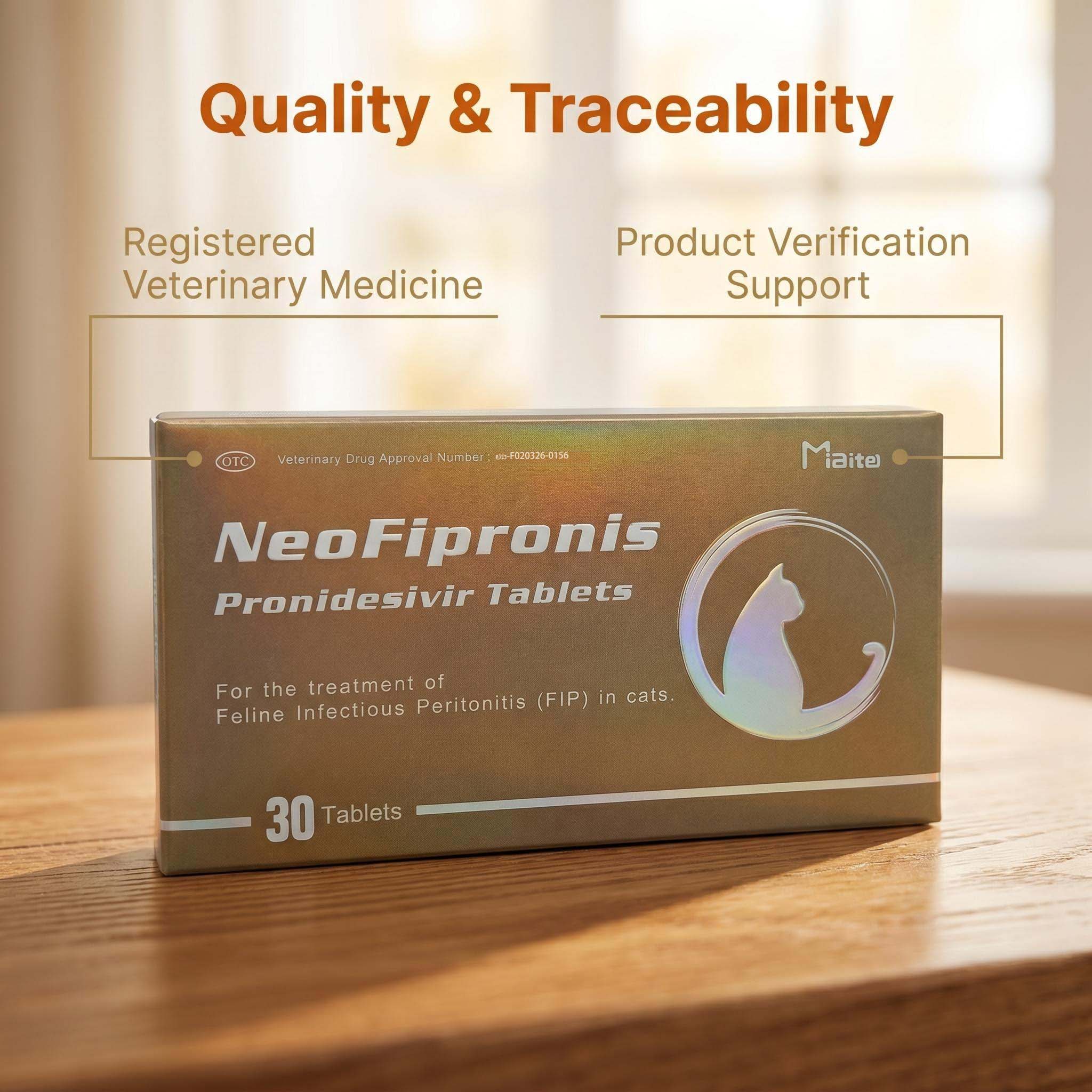
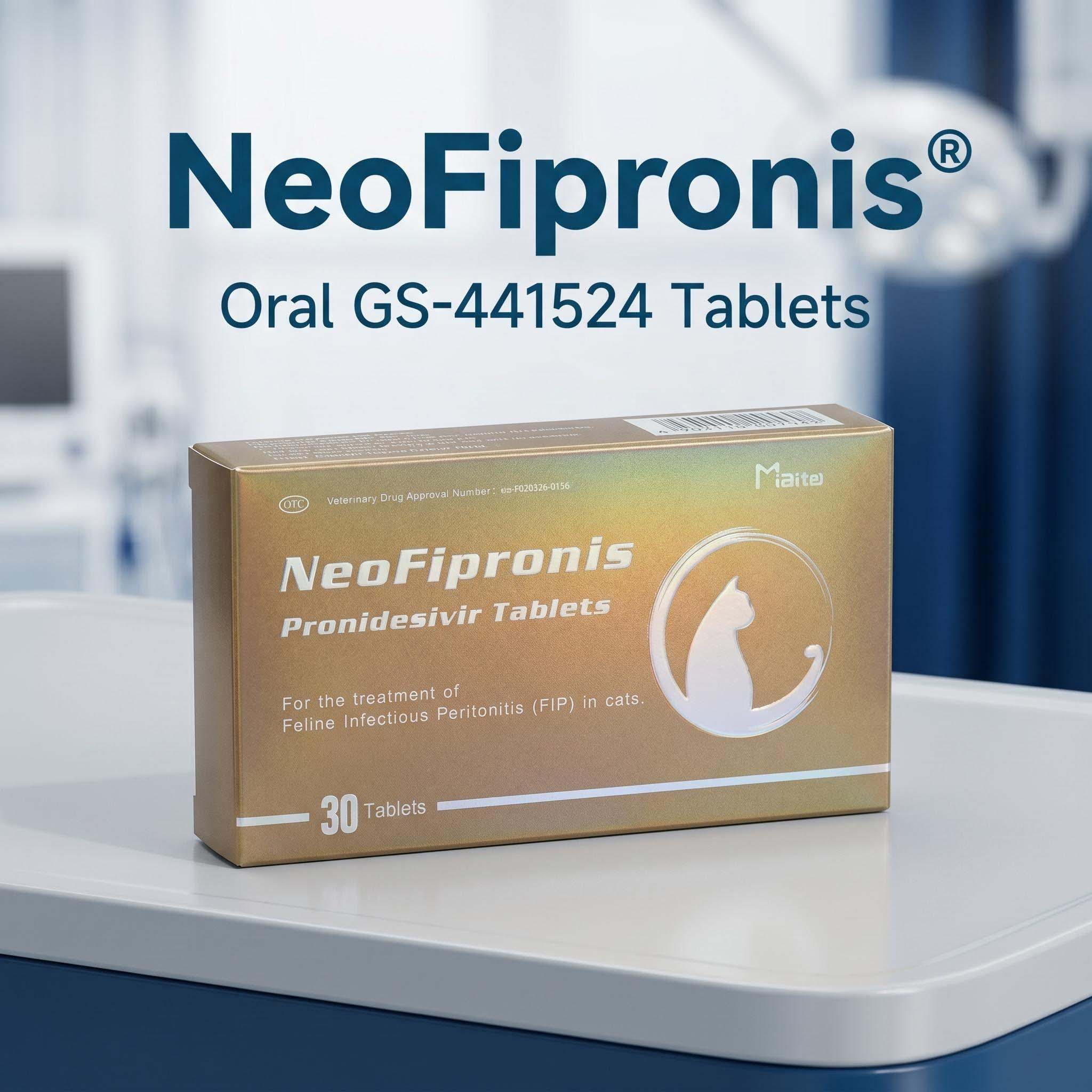
Oral GS-441524 is usually formulated in tablets or capsules by compounding pharmacies, or available as pre-packaged products from overseas suppliers.
Advantages:
Convenient—easier for most owners to administer daily without assistance.
Less traumatic for the cat compared to injections.
Flexible for long-term management or outpatient therapy.
Drawbacks:
Absorption can be impacted by vomiting, diarrhea, or poor appetite.
Exact dosing may be less precise, especially if splitting tablets or using unregulated products.
Potential for variation in bioavailability tied to individual digestive differences.
Compounded Medications
Description:
Some pharmacies specialize in custom-formulating GS-441524 or similar antivirals for cats, adjusting strength and excipients as needed.
Advantages:
Customizable—doses can be tailored to each cat’s weight and tolerance.
Choice of flavoring agents increases palatability for picky cats.
Compounded oral liquids may be useful for very small cats or those unable to swallow pills.
Drawbacks:
Reliability depends on the compounding pharmacy’s expertise and sourcing.
Not all compounds are created equal; some may be less potent, contaminated, or incorrectly dosed.
High-quality compounding often costs more and may involve sourcing delays.
Medical Efficacy: Pharmacokinetics and Patient Outcomes
Injectable GS-441524 delivers a known quantity of active ingredient into subcutaneous tissue, minimizing variability. Studies demonstrate a faster response in critically ill cats compared to oral forms, especially those with neurological or ocular involvement. Oral GS-441524, when compounded or manufactured well, approaches similar efficacy in mild to moderate cases. However, absorption can vary based on intestinal health, concurrent medications, and food intake.
Head-to-head studies in North America have shown that most cats with uncomplicated (wet or dry) FIP can achieve remission with oral medication, provided vomiting isn’t severe and dosing remains consistent. For those with advanced neurological FIP—where drug penetration into the central nervous system is critical—injectables may offer an edge.
Choosing the medication form should thus reflect disease severity, location of symptoms (e.g., neurological vs. visceral FIP), and the cat’s digestive status.
Safety Profile and Side Effects: Comparing Routes
Both forms are well tolerated in most cats, but some differences exist. Injectable GS can cause short-term pain, skin irritation, or focal inflammation. Rotating injection sites helps, but persistent discomfort can impact owner and pet morale. Oral GS is less likely to cause direct tissue injury, though gastrointestinal upset is occasionally reported.
Compounded formulations (liquid or tablet) should be scrutinized for purity, consistency, and documented side effects. Any signs of adverse reactions (vomiting, diarrhea, allergic response) warrant dose adjustment or switching forms.
Owners of multiple cats or those with allergy-prone animals may prefer oral forms to minimize handling stress and exposure risks.
Ease of Administration: Owner Ability and Cat Temperament
Not all owners feel comfortable giving injections, and not all cats tolerate them well. For skittish cats or owners with physical limitations, oral or compounded medications can prove invaluable in maintaining routine. Pill “pockets,” flavored liquids, or hiding medication in treats may facilitate better compliance.
Conversely, emergency or rescue scenarios, where cats are fractious and ill, may require injectable therapy—often administered by veterinary professionals. Long-term injectable use demands careful monitoring for site reactions and training in sterile technique.
If your cat is known to resist pills or have behavioral issues, testing out administration methods with flavored treats or trial doses may clarify the practical choice.
Cost Considerations: Pricing, Insurance, and Supply Chain Issues
Costs for FIP treatment remain high, as commercial production and FDA approval are still pending. Injectable GS-441524 typically costs more per dose than oral forms. Pricing fluctuates based on supply source, region, and batch size.
Oral medications from reputable overseas suppliers tend to be less expensive but carry risks related to quality assurance. Compounded medications can be pricier, especially for low-volume custom batches, but may improve patient experience and compliance enough to justify expense.
Veterinary financial aid programs are rare, but some nonprofit groups support FIP research or offer discount sourcing guides. Regularly tally expected costs, factoring in treatment duration (often 12 weeks or more), dosing, and any additional supportive therapies.
Legality and Sourcing: Navigating Regulatory Hurdles
GS-441524 and similar compounds are not yet FDA-approved for veterinary use. Injectable and oral medications are mostly sourced internationally or via gray-market suppliers. Always verify batch testing, quality control paperwork, and supplier reputation before purchase.
In the United States, veterinary practitioners operate under constraints of the Animal Medicinal Drug Use Clarification Act (AMDUCA), meaning compounded drugs may only be used with a valid veterinarian-client-patient relationship and explicit case-by-case justification.
Discuss sourcing openly with your vet, and consult online advocacy groups for updated recommendations on safe, effective suppliers.
Real-World Case Selection: Matching Form to Situation
1. Critical FIP (Wet or Dry, Severe): Immediate injectable therapy is preferred, ensuring rapid blood levels and bypass of gastrointestinal issues.
2. Stable FIP (Outpatient, Good Appetite): Oral medication suits daily routine, minimizing trauma and maximizing owner compliance.
3. Neurological or Ocular FIP: Injectable medication offers higher CNS penetration, supporting favorable outcomes.
4. Multi-Cat Households: Oral forms reduce handling risks and simplify logistics where multiple medications are needed.
5. Impaired Owner Ability: Compounded oral liquids (flavored, with dosage measured) may prove easiest.
6. Financial Constraints: Oral forms (from reputable suppliers) often cost less, with similar cure rates in mild to moderate cases.
Communication with Veterinarians: Shared Decision-Making
Always involve your veterinarian in form selection. Discuss the full spectrum of disease severity, household limitations, and any coexisting illnesses. In the US, many veterinarians have experience guiding clients through gray-market sourcing, dosing adjustments, and supportive care regimens.
Veterinarians may also help troubleshoot administration issues, monitor side effects, and coordinate periodic bloodwork or follow-up care to ensure successful treatment.
Monitoring Progress: How Medication Form Impacts Surveillance
Regardless of administration method, ongoing monitoring is essential.
Watch for resolution of clinical symptoms (e.g., appetite, energy, fluid buildup).
Repeat blood tests every 2-4 weeks, tracking parameters like hematocrit, albumin/globulin ratio, and total protein.
Document any adverse reactions, dosing errors, or missed doses.
Adjust the form, dose, or administration schedule based on disease response and tolerance.
A suboptimal response may indicate poor absorption (with oral forms), insufficient dosing, or resistance. Rotating medication forms or optimizing supportive care may resolve these challenges.
Myths and Misconceptions about Medication Forms
Misunderstandings abound in online FIP communities.
Oral medications, when properly sourced and dosed, can be just as effective as injectables for many cases.
Not all compounded forms are equal—veterinary oversight is key.
Pain at injection sites is common but manageable, not usually dangerous.
Consult reputable resources, veterinary literature, and support groups for up-to-date facts.
Lifestyle Factors Influencing Form Choice
Beyond clinical considerations, your household routines and cat’s temperament may point toward oral or injectable forms.
Owners away from home during the day may prefer oral medication for ease of morning/evening dosing.
Fractious, fearful, or physically disabled owners may benefit from compounded liquid or tablet forms.
Cats with persistent vomiting, malabsorption, or aggressive symptoms usually require injections, at least initially.
Evaluating these factors early prevents treatment disruptions or premature discontinuation.
The Role of Support Groups and Online Communities
Dozens of FIP support groups on Facebook, Reddit, and veterinary forums assist with sourcing, dosing calculators, and troubleshooting.
US groups frequently post reviews of suppliers, medication forms, and dosing protocols.
Peer-to-peer advice should never replace veterinary expertise but may complement owner education.
Seek out moderated, evidence-driven channels to minimize misinformation and maximize support.
Ethical Considerations: Balancing Hope, Comfort, and Cost
Decisions about medication forms are not purely scientific; they also reflect the emotional bonds between cats and owners.
Many owners strive for the least traumatic, most effective option compatible with home life and financial limits.
In terminal cases, comfort may supersede aggressive therapies—oral or compounded forms can ease the burden.
Transparency with veterinarians and honest dialogue within families ensures responsible, ethical care.
Factors That Should Never Overrule Medical Judgment
Convenience for the owner should not outweigh the cat’s medical need, especially in critical or neurological FIP.
Cost-cutting by choosing inferior medication may jeopardize survivability.
Balancing science, compassion, and practicality is essential.
Future Directions
As clinical trials for GS-441524, remdesivir, and related drugs proceed in the United States, new FDA-approved options are expected. This will standardize sourcing, improve quality control, and potentially reduce cost. Medication forms may diversify, including long-acting injectables, chewable tablets, or transdermal options.
For now, owners and veterinarians must weigh current evidence, patient needs, and practical realities to choose the best possible medication form for FIP.
References
1. Pedersen NC. "A Review of Feline Infectious Peritonitis Virus Infection: 1963–2008." Journal of Feline Medicine and Surgery. 2009;11(3):225-258.
2. Dickinson PJ et al. "Antiviral treatment using GS-441524 represents a major advance for cats with FIP." Journal of American Veterinary Medical Association. 2022;260(5):554-564.
3. Murphy BG et al. "The Pharmacokinetics of GS-441524 in Cats and Its Implications for FIP Therapy." Veterinary Microbiology. 2020;245:108693.
4. American Association of Feline Practitioners. "FIP Diagnosis and Management Update." Feline Practitioner Guidelines. 2023.
5. Cohen JB. "Navigating Regulations: Use of Unapproved Antivirals for FIP in the U.S." Veterinary Practice News. September 2021.
6. FIP Warriors USA. "Treatment Protocols and Sourcing Guides." https://fipwarriors.com/
7. United States Food and Drug Administration (FDA). "Animal Medicinal Drug Use Clarification Act (AMDUCA) guidelines." https://www.fda.gov/animal-veterinary resources.
8. Hartmann K. "What’s New in FIP Treatment? Updates on Remdesivir and GS-441524." Feline Infectious Diseases Symposium Proceedings. 2023.
9. FIP Treatment and Support Group. "Best Practices for Administering GS-441524." Facebook Group Files, 2024.
10. Taylor S.S., "Oral Versus Injectable Treatments for FIP: Which Is Better?" Cats and Medicine. February 2023.