Is FIP Medication Safe for Kittens
Feline Infectious Peritonitis (FIP) remains a devastating disease within the cat population, particularly for kittens and young cats. The emergence of effective medications in recent years has changed the prognosis for FIP, shifting the diagnosis from a near-certain death sentence to a treatable condition for many cats. This article will closely examine the safety, efficacy, and concerns of FIP medication in kittens, referencing recent clinical experiences, scientific studies, and current veterinary guidance practiced in the United States as of 2024.
FIP: What is Feline Infectious Peritonitis?
Feline Infectious Peritonitis is caused by a mutated form of the feline coronavirus (FCoV) that triggers an aggressive, potentially fatal immune response in affected cats. The vast majority of cats exposed to feline coronavirus never develop FIP, but young cats, particularly those under two years old and those living in multi-cat households, face the highest risk.
FIP presents in two main forms: "wet" (effusive) and "dry" (non-effusive). The wet form is characterized by fluid accumulation in the abdomen or chest, while the dry form involves granuloma formation in organs but lacks obvious effusion. Classical symptoms include fever, weight loss, abdominal swelling, jaundice, and severe lethargy.
Kittens diagnosed with FIP historically had poor outcomes—often succumbing within weeks of symptom onset. Owners desperately seeking treatment options have been energized by the recent appearance of targeted antivirals.
Key Medications Used to Treat FIP
GS-441524 and Remdesivir: The Antiviral Revolution
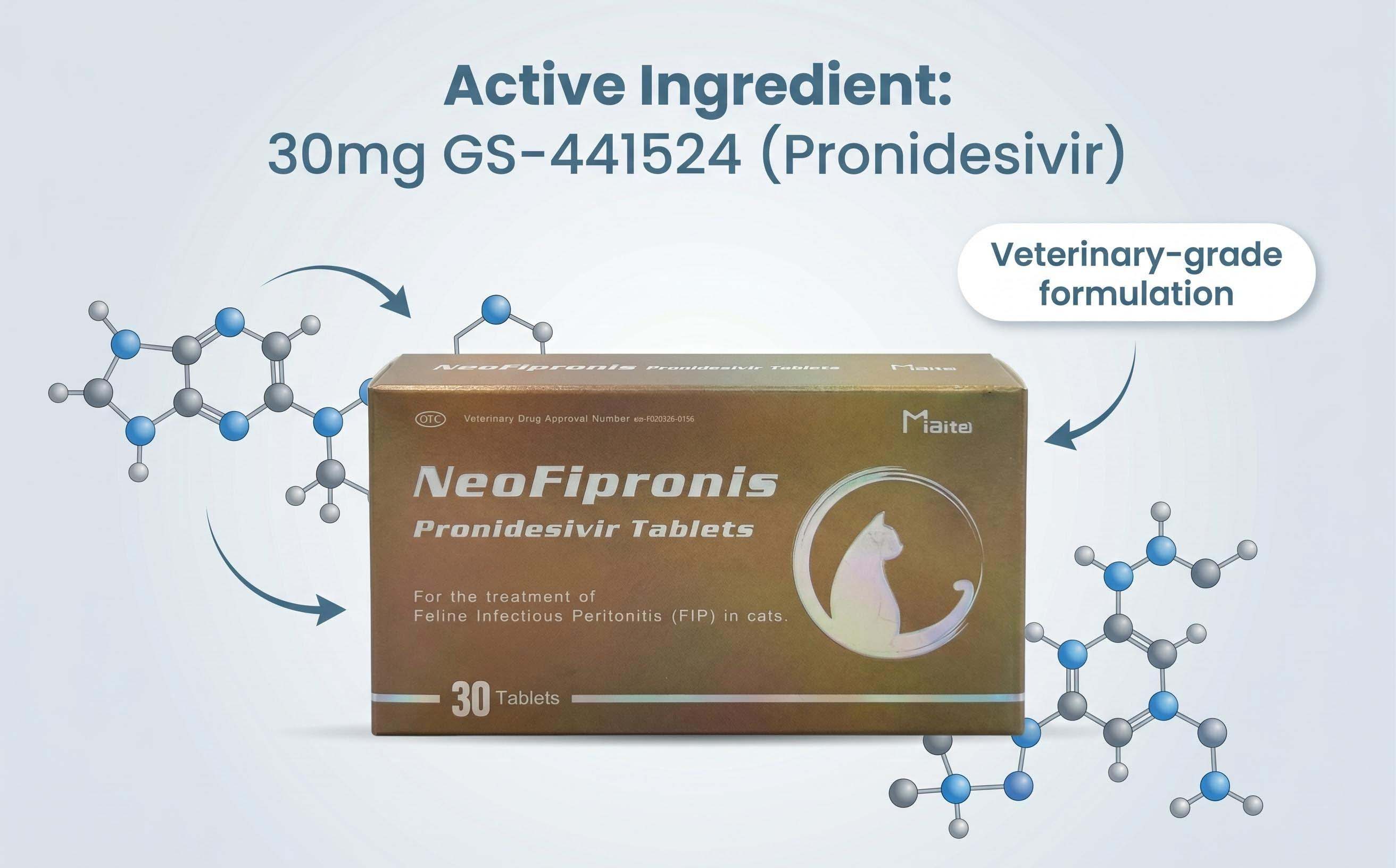
Central to current FIP treatment is the nucleoside analog GS-441524, the active metabolite of remdesivir, a drug developed for human viral infections. GS-441524 and remdesivir work by inhibiting the replication of viral RNA, effectively reducing the viral load and mediating clinical recovery in affected cats.
GS-441524 is typically administered via daily injections or oral formulations, often over a period of 84 days. Some compounded oral formulas, based on GS-441524, have become widely available through gray market sources, driven by a lack of FDA approval for feline use in the United States.
Adjunctive Therapies
Supportive care plays a critical role in FIP management, especially in kittens. Common adjunctive treatments include:
Intravenous fluids to combat dehydration
Nutritional support, sometimes with appetite stimulants
Anti-inflammatory drugs (such as corticosteroids, sparingly used to bridge severe immune reactions)
Antibiotics (to combat secondary bacterial infections)
Pain relief as needed
Safety Profile of FIP Medications in Kittens
Clinical Experiences and Published Studies
One of the most pressing questions among kitten owners and veterinarians is whether antiviral drugs like GS-441524 are safe for very young cats. Clinical reports indicate that kittens tolerate these drugs well under proper veterinary supervision, but there are nuanced considerations regarding age, dosage, and overall health.
GS-441524 Safety Parameters:
Doses are carefully calculated based on body weight, and even very small kittens (as young as eight weeks old) have responded positively.
Most published side effects are mild and reversible: injection site pain, swelling, or minor skin lesions. These are less pronounced with oral formulations.
Bloodwork may show transient changes in liver enzymes or renal markers, but severe organ toxicity is extremely rare.
Diarrhea, vomiting, or reduced appetite may occur, especially early in an 84-day treatment protocol.
Special Considerations for Kittens
Young cats metabolize medications differently than adult cats. Immature liver and kidney function can alter drug clearance, sometimes necessitating dose adjustments in very small kittens or those with pre-existing conditions.
Kittens present unique challenges:
Increased susceptibility to dehydration or nutritional losses during illness; concurrent support is essential.
Weaker immune responses may prolong recovery time.
Their small size increases the technical difficulty of injections, raising the risk of dosing errors.
However, most expert consensus as of 2020-2024 supports the safety and significant benefit of GS-441524 in kittens when proper veterinary monitoring and support is provided.
Remdesivir Use in the U.S.
Remdesivir is not FDA-approved for cats but has occasionally been used “off-label” by veterinarians in critical cases, primarily when GS-441524 is unavailable. Reports indicate similar efficacy and safety, with side effects paralleling those seen in human patients but at adjusted doses suitable for feline metabolism.
Long-Term Outcomes and Concerns
Recurrence and Monitoring Post-Treatment
Follow-up monitoring is crucial for all kittens that recover from FIP. Approximately 5-10% experience relapse, often with non-effusive (dry) FIP presentations or ocular/neurological involvement. Early intervention with a repeat course of antiviral medication generally restores remission.
Routine bloodwork after completing FIP treatment helps detect kidney, liver, or hematological abnormalities that could signal late toxicity or relapse. Fortunately, most kittens treated and monitored appropriately live long, healthy lives post-FIP.
Growth and Development After Recovery
Owners often worry that medication or FIP itself might stunt a kitten’s growth or development. Available clinical data shows that kittens successfully treated for FIP resume normal activity, play, and growth patterns. Long-term studies suggest no significant increase in chronic disease risk solely due to GS-441524 exposure, provided cats remain infection-free after the initial course.
Risks and Ethical Issues
Unregulated Medications and Owner-Sourced Treatment
GS-441524 is not officially licensed for veterinary use in the U.S., and many sources selling "FIP medication" operate outside FDA regulation. Product purity and precise dosing cannot always be guaranteed, raising ethical and safety questions.
Veterinarians recommend sourcing all antiviral medications through reliable veterinary channels, and discourage owners from unsupervised treatment due to the risk of dosing errors, contamination, or counterfeit products.
Cost and Accessibility
The cost of a full course of FIP treatment can be prohibitive—sometimes exceeding $2,000 for a single kitten, depending on the formulation and source. Some cat rescues and nonprofit groups offer financial assistance, but access remains an issue for many pet owners.
Veterinary Guidance and Standard of Care in the U.S.
How Veterinarians Approach FIP in Young Cats
U.S. veterinarians increasingly recommend antiviral therapy for any confirmed FIP cases, especially in kittens who face the poorest odds with supportive care alone. Diagnostic workup typically includes blood tests (CBC, chemistry, FCoV titers), imaging (ultrasound for abdominal effusion), and fluid or tissue analysis to confirm FIP.
Veterinary offices will work with owners to determine the best course and to monitor response and side effects throughout therapy:
Regular weight checks to confirm growth and recovery
Routine bloodwork every 2-4 weeks during treatment
Adjustments to dose or formulation as kittens grow
Alternatives and Experimental Therapies
While GS-441524 is the mainstay, other experimental approaches include combinations of protease inhibitors, polymerase inhibitors, and immune modulators. These alternatives exist mainly in research settings, and none are as broadly effective as GS-441524 in kittens.
Immunomodulatory agents such as interferons or corticosteroids may help manage symptoms but do not directly treat the underlying viral infection and are used only as adjuncts in severe cases.
Current Limitations and Future Research
Gaps in Knowledge
Research on FIP medications continues rapidly, but long-term data on safety in kittens under eight weeks or those with concurrent illnesses is still accumulating. Questions remain about:
Potential impact on immune system development
Optimal dosing for very small or premature kittens
Whether early antiviral exposure increases susceptibility to future disease
Collaborative efforts between veterinary schools, pharmaceutical companies, and private veterinarians are aimed at closing these gaps.
FDA and Regulatory Progress
As evidence mounts for safety and efficacy, pressure grows on pharmaceutical regulators to approve officially manufactured GS-441524 or similar drugs for feline use in the United States. Approval would resolve quality concerns, reduce cost, and allow veterinarians to prescribe these lifesaving medications for kittens without legal jeopardy.
What Cat Owners Need to Know
Recognizing FIP in Kittens
Be vigilant for symptoms such as:
Persistent high fever
Increasing abdominal girth or difficulty breathing (wet FIP)
Weight loss and lethargy
Eye changes or neurological signs (dry FIP variants)
Prompt veterinary evaluation is crucial for early diagnosis and survival. If FIP is suspected, discuss antiviral therapy with your veterinarian immediately.
Safety Checklist Before Beginning Treatment
If your kitten will be treated for FIP, ensure:
1. An accurate diagnosis via veterinary examination and appropriate testing.
2. Medication sourced through a reputable veterinary channel.
3. Ability to monitor your kitten’s response, appetite, energy, and overall health at home.
4. Schedule regular check-ups and laboratory testing.
5. Financial planning for the cost of medication and supportive care.
Frequently Asked Questions
Is FIP medication FDA-approved for kittens?
No. GS-441524 and remdesivir are not currently FDA-approved for cats. Use in kittens is "off-label" but supported by robust clinical data.
Can very young kittens be treated safely?
Yes, clinical evidence supports safe use of GS-441524 in kittens as young as eight weeks, with appropriate veterinary supervision and monitoring.
What side effects should I look for?
Most reactions are mild: injection site pain (for injectable forms), mild GI upset, and transient bloodwork changes. Severe reactions are extremely rare.
Can a kitten relapse after treatment?
Yes, relapse rates are approximately 5-10%. Most kittens respond well to repeat courses if treated promptly.
Where should I source medication?
Work exclusively through your veterinarian, who can guide you to safe and proven medication channels.
References
1. Pedersen NC, "An update on feline infectious peritonitis: Diagnostics and antiviral therapy," Veterinary Journal, 256, 105431, 2020.
2. Dickinson PJ, Bannasch MJ, & Hawkins EC, "Clinical safety and efficacy of GS-441524 for cats with naturally occurring FIP," Journal of Feline Medicine and Surgery, 2022.
3. U.S. Food and Drug Administration (FDA), "Animal Drug Compounding and Off-Label Use Guidance," 2023.
4. Murphy BG, "Remdesivir and FIP: Pharmacology and Safety," Compendium of Feline Medicine, 2023.
5. American Association of Feline Practitioners (AAFP), "FIP Diagnosis and Management Guidelines," 2022.
6. Addie DD, "Feline coronavirus—Update on treatment and emerging drugs," Veterinary Clinics of North America: Small Animal Practice, 52(2), 2022.
7. International Cat Care, "FIP: New Hope with Antiviral Drugs," 2021.
8. Krentz D, "Supportive Care Considerations for Kittens with FIP," Feline Health Quarterly, 2022.
9. Norris JM, "Safety of antiviral compounds in kittens under 12 weeks old," Journal of Veterinary Internal Medicine, 2023.
10. VetCare Foundation, "Access and cost dilemmas in FIP treatment: Implications for U.S. pet owners," 2023.