Is It Dangerous to Stop FIP Medication Midway Through Treatment
Feline Infectious Peritonitis (FIP) is a serious viral disease affecting domestic cats worldwide. Once considered almost always fatal, breakthroughs in antiviral medication have made FIP treatable for many cats. As the use of drugs such as GS-441524 (a nucleoside analog) becomes more widespread, pet owners and veterinarians face important decisions about dosing, duration, and what might happen if treatment is interrupted. A growing concern among cat guardians is whether halting FIP medication midway through the prescribed course poses risks to the cat’s recovery and long-term health. This article examines the dangers associated with stopping FIP therapy mid-treatment, the science underlying medication protocols, potential symptoms of relapse, and best practices for pet owners hoping to support their feline companions during and after treatment.
Understanding FIP and Modern Treatment Options
FIP is caused by a mutation of the feline coronavirus. Not all cats infected with the virus develop FIP; in fact, most experience mild or asymptomatic gastrointestinal symptoms. When the virus mutates inside a susceptible cat, it can trigger an aggressive immune response resulting in wet (effusive) or dry (non-effusive) FIP, both with high mortality rates if left untreated.
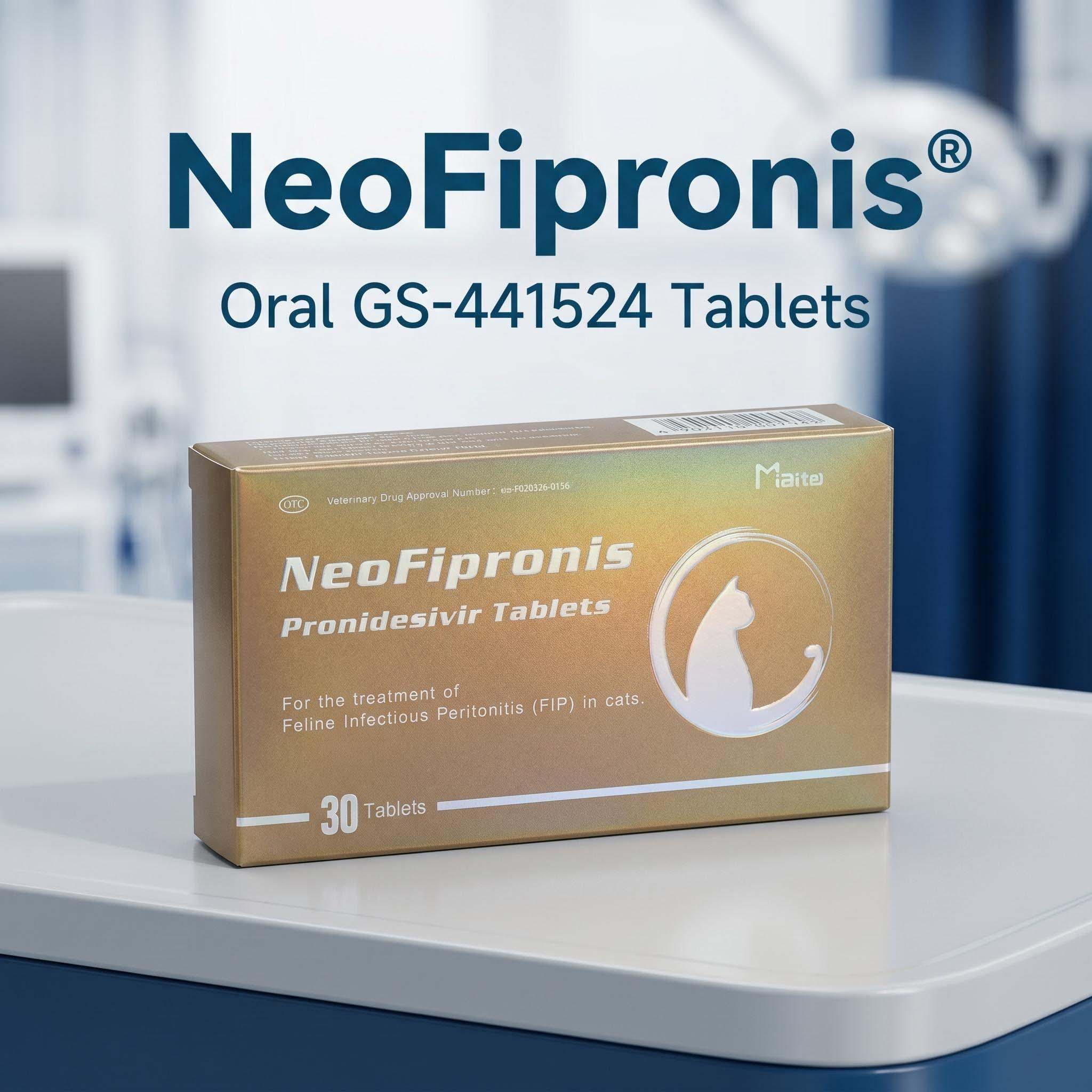
Recent advances, particularly through antiviral drugs like GS-441524 and GC-376, have revolutionized treatment. These drugs do not cure the underlying coronavirus but can suppress viral replication enough to allow the cat’s immune system to recover and maintain remission, ideally leading to restored health. However, the treatment process is complex and requires strict adherence to recommended protocols.
FIP Medications and Standard Protocols
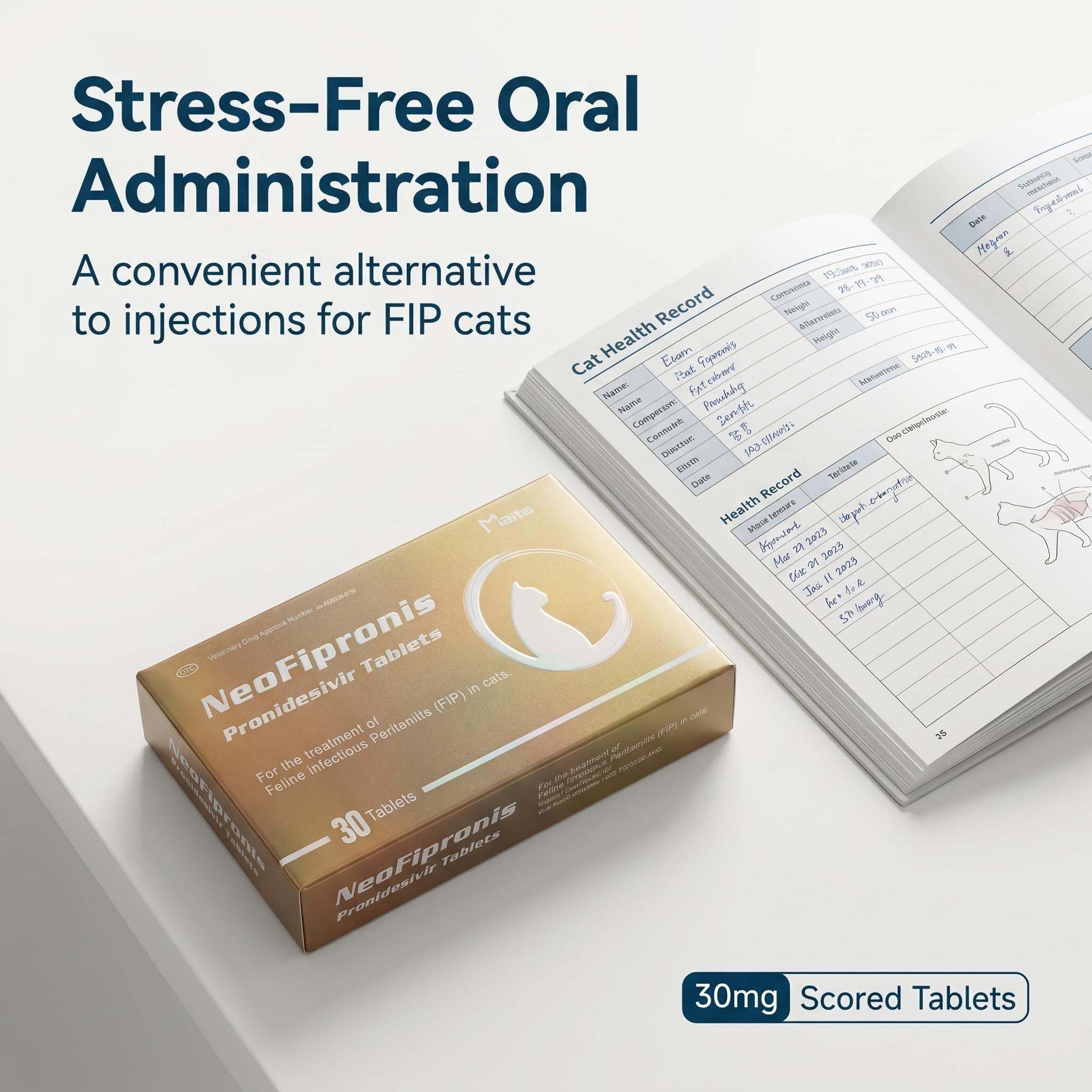
Typical FIP treatment protocols involve daily administration of antiviral medication for 84 days, usually either through injection or oral tablets. Dosage is determined by the cat’s weight, disease manifestation, and response to treatment. Blood tests, symptom tracking, and frequent veterinary consultations help guide adjustments throughout the therapy.
Medical literature and anecdotal evidence suggest a high rate of remission when protocols are strictly followed, with success rates often upwards of 80-90% for cats treated early in the course of disease. However, a significant risk of relapse remains, particularly if treatment is interrupted prematurely.
Potential Consequences of Stopping FIP Medication Midway
1. Increased Risk of Relapse
Clinical studies have shown that FIP viral particles are not completely eliminated after a short course of medication. Instead, the aim of ongoing therapy is to suppress viral replication long enough for the immune system to mount a response that can manage low-level viruses on its own. If medication is stopped midway, the remaining viral load can rapidly increase, resulting in recurrence of symptoms; this can be particularly catastrophic in cats that initially presented with severe disease.
2. Development of Drug Resistance
Like other antivirals, FIP medications work by interrupting the replication cycle of the virus. If a full course is not completed, surviving viral particles may adapt, potentially leading to resistance against the medication. Subsequent attempts to re-treat the cat can fail if the virus mutates enough to evade further intervention, complicating future management and erasing prior progress.
3. Compromised Immune Function
Cats afflicted with FIP suffer from a dysregulated immune response. Ongoing therapy not only targets the virus but gives the immune system time to regain balance. Interrupting treatment disrupts this process, potentially leaving the immune system too weak or confused to fight subsequent attacks by the virus effectively.
4. Increased Mortality
Data gathered from rescued cats and veterinary hospitals indicate that those not finishing the recommended treatment regimen exhibit significantly higher mortality rates compared to full protocol completers. Many cats succumb to rapid decline in clinical status, with symptoms such as fever, lethargy, jaundice, fluid accumulation, and painful inflammation returning with greater severity than at initial presentation.
Why Some Owners Consider Halting Treatment
There are various reasons why pet owners might be tempted, or forced, to discontinue FIP medication prematurely. The cost of antiviral drugs can be prohibitive, sometimes running thousands of dollars for the full course. Side effects such as pain at injection sites, gastrointestinal upset, and behavioral changes can make daily treatment stressful for both the cat and owner. Further, misunderstandings about the disease or improvement in outward symptoms can mislead guardians into believing the cat is “cured” before the end of the prescribed course.
Financial assistance programs, nonprofit organizations, and some veterinarians offer support to families struggling with medication costs, and addressing these barriers with compassion is vital for improving outcomes.
Case Studies: Relapses Associated with Early Discontinuation
Reports from veterinary clinics and published studies highlight numerous cases where cats showed dramatic improvement during the first four to six weeks of therapy, only to relapse within weeks of stopping treatment. Relapses frequently present as persistent lethargy, fever, abdominal distention, and neurological symptoms, evidencing that superficial symptom resolution does not equate to virologic cure. In some cases, a second course of treatment is attempted but with mixed results, especially when resistance develops.
Clinical anecdotes support the scientific consensus: incomplete therapy is one of the leading risk factors for FIP recurrence. Adherence to the full recommended regimen remains the best predictor of long-term remission.
The Importance of Veterinary Supervision
Veterinary professionals play a critical role in managing FIP cases, providing guidance about medication choice, dosing schedules, supportive care, and monitoring. They also educate owners about observable signs requiring urgent intervention and help evaluate whether treatment interruptions are justified.
Bloodwork, ultrasounds, and physical exams are central to tracking a cat’s progress, especially as side effects or unexpected developments may occur. If an owner faces unavoidable interruptions—in cases of sudden illness, drug shortages, or severe adverse reactions—swift communication with the veterinarian is essential to minimize risk and explore immediate alternatives.
Supportive Care During and After FIP Treatment
Successful FIP management doesn’t end with the last pill or injection. Supportive care addresses the cat’s overall health, including nutritional support, hydration, pain control, and environmental enrichment. Cats recovering from FIP often require close observation for several months to ensure sustained remission.
Regular follow-up visits, bloodwork, and monitoring appetite, activity, and body weight help catch potential problems early. Some veterinarians recommend periodic immune function assessments and viral testing for high-risk cats, though definitive guidelines are still evolving as more long-term data becomes available.
Psychological Impact on Cat Owners
The emotional toll of FIP—not just on the cats, but also their families—is profound. Watching a beloved cat suffer and then seemingly recover, only to relapse due to incomplete treatment, can be traumatic. Open, honest communication between veterinarians and owners about risks, expectations, and available resources is key to empowering decision-making and reducing guilt or confusion if circumstances prevent optimal therapy.
Support groups, both local and online, have become invaluable for owners navigating the complexities of FIP. Sharing experiences, treatment tips, and emotional support can lessen the isolation felt during such a challenging journey.
Next Steps for Owners Facing Treatment Dilemmas
When a family is unsure whether they can complete a prescribed FIP medication course, several steps can optimize chances for a positive outcome:
1. Speak candidly with the veterinarian about barriers; many practices can arrange payment plans, suggest access to grant programs, or recommend local charities.
2. Join reputable support networks to seek advice, share experiences, and receive community encouragement.
3. Keep detailed records of each dose, symptoms, and side effects to help the healthcare team make informed adjustments if needed.
4. Never attempt to alter dosage schedules or discontinue medication without professional consultation, even if the cat seems healthy.
The Evolving Landscape of FIP Research
FIP research is advancing rapidly. Studies continue to evaluate optimal dosing strategies, duration, new drugs, and combination therapies to maximize cure rates and minimize side effects or resistance. Owners who enroll their cats in clinical research under veterinary guidance not only access cutting-edge treatments but also contribute valuable data for improving protocols.
Advocacy groups are pressing for broader access to antiviral medications, more affordable pricing, and greater veterinarian education, all of which could reduce the incidence of incomplete therapy and associated relapses.
Conclusion
Discontinuing FIP medication midway through treatment presents clear risks to a cat’s health and survival. The primary danger is viral relapse, characterized by return of symptoms and possibly increased drug resistance, leading to lower long-term remission rates and higher mortality. Emotional, financial, and logistical barriers should be addressed with empathy and proactive planning. With the support of veterinary professionals and community resources, most owners can navigate challenges, giving their cats the best chance at recovery and a healthy future.
References
Pedersen NC. "An update on feline infectious peritonitis: diagnostics and therapeutics." Veterinary Journal, 2014.
Addie D, et al. "Feline coronavirus infections: ABCD guidelines on prevention and management." Journal of Feline Medicine and Surgery, 2020.
Dickinson PJ, et al. "Feline infectious peritonitis: pathogenesis and antiviral drugs." Veterinary Clinics of North America: Small Animal Practice, 2021.
Krentz D, et al. "Clinical efficacy of GS-441524 for FIP in cats." Journal of Feline Medicine and Surgery, 2021.
Murphy BG, "The use of antiviral drugs in treating feline infectious peritonitis." Veterinary Pathology, 2022.
Whittaker GR, et al. "Feline infectious peritonitis: current concepts." Veterinary Microbiology, 2018.
Norris JM, et al. "Feline infectious peritonitis: clinical findings and outcomes." Australian Veterinary Journal, 2022.
Ritz S, et al. "Treatment outcomes in cats with feline infectious peritonitis using antiviral therapy." Journal of Veterinary Internal Medicine, 2022.
Porter E, et al. "Supportive care and remission in cats with FIP." Feline Medicine Review, 2023.
Jarrett O. "A review of feline infectious peritonitis research." Veterinary Record, 2023.