Does FIP Treatment Require Daily Medication
Feline Infectious Peritonitis (FIP) is a highly fatal disease that has transformed from a hopeless diagnosis to a treatable condition in recent years, primarily due to remarkable advancements in antiviral therapy. As cat owners and veterinarians seek clarity about treatment protocols, one common question arises: Does FIP treatment require daily medication? Addressing this requires an exploration of FIP's underlying biology, treatment options, medication protocols, and the practical realities of managing therapy at home.
Understanding FIP: Biology and Disease Progression
FIP arises due to infection with a mutated strain of feline coronavirus (FCoV). While many cats harbor FCoV without signs, a tiny percentage of these viruses mutate inside the cat’s body, triggering an inappropriate immune response and leading to FIP. The disease exists in effusive (wet) and non-effusive (dry) forms, affecting organs like the abdomen, chest, eyes, and brain. FIP is notorious for rapid progression, making timely intervention crucial.
Drug Therapies: The Revolution in FIP Management
The breakthrough in treating FIP emerged around 2018 with antiviral agents such as GS-441524, GC376, and, in some countries, remdesivir. These treatments target viral replication within the body, halting disease progression. GS-441524 stands as the most widely recognized option globally, while GC376 is another candidate, particularly for neurologic or ocular FIP involvement.
Daily Dosing Regimens: Why Is Daily Therapy Needed?
These antiviral medications are typically administered once per day. The reasons are rooted in pharmacokinetics (how the drug is processed in the body) and the life cycle of FIP-causing viruses. GS-441524, for instance, must be maintained at a sufficient blood level to consistently suppress viral replication, necessitating daily injections or oral administration.
A missed dose can cause a rapid resurgence of viral replication, possibly leading to relapse or resistance. From the first published clinical trials on, daily administration has remained the gold standard to ensure continuous blocking of viral activity. Early cessation or irregular dosing often results in incomplete cures and relapses.
Oral Versus Injectable Medications: How the Route Affects Daily Administration
GS-441524 was first available in an injectable solution, requiring subcutaneous shots once daily—often for as long as 12 weeks. This can pose challenges for cat owners, as injections can be uncomfortable for both cats and caregivers.
In response to these challenges, oral formulations have become available through some compounding pharmacies and black-market sources. These oral medications, when appropriately formulated, can offer a comparable alternative, still given once daily. The oral route is especially attractive for cats intolerant of injections or for owners unable to manage needles. However, quality and bioavailability can vary, necessitating careful selection and consistent veterinary oversight.
Length of Treatment Course: Daily Commitment Over Weeks
Most regimens recommend treating FIP for a minimum of 12 weeks, with daily dosing maintained from start to finish. This duration is derived from published clinical experience and aims to ensure the eradication of the virus. Cats may show dramatic clinical improvement in the first days or weeks, but stopping treatment prematurely nearly always results in relapse, often with increased severity.
Adapting Protocols: Individualizing Treatment While Preserving Daily Dosing
While most cats follow a standard daily protocol, some severe cases, especially those involving the eyes or nervous system, may require dose escalation. Higher daily doses are not given more than once per day; instead, the daily dosage is increased to ensure adequate drug delivery to difficult-to-reach tissues.
The consistency of daily dosing is the unifying theme. Even if cats transition from injection to oral administration or require a dose change, administration remains daily without exception.
Potential Challenges of Daily Medication
Adherence is a primary concern for owners. Factors complicating daily FIP medication include:
Stress in administering daily injections
Availability and cost of medication—most antivirals are not yet FDA-approved in the US, leading to "gray market" purchases
Managing side effects, including injection site reactions or, rarely, liver enzyme elevations
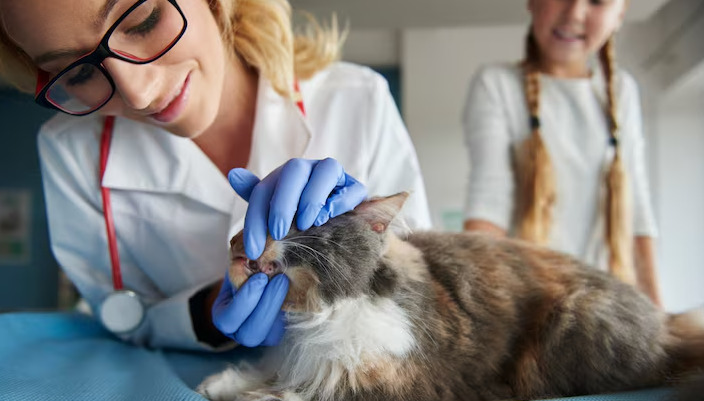
Veterinarians experienced in FIP management can offer support through demonstration of administration techniques, counseling about medication sources, and ongoing monitoring.
Monitoring and Adjusting: Follow-up During Daily Therapy
Cats undergoing FIP treatment require frequent clinical reassessment. Alongside daily medication, veterinarians advise serial blood work and examinations, often every 2–4 weeks, to monitor anemia, organ values, and inflammatory markers. These checkups help assess treatment response and catch relapses early.
What Happens If a Dose Is Missed?
Missed doses in FIP can have consequences far exceeding those of missing a typical antibiotic or steroid. Even a single missed day can allow viral replication and potentially foster drug resistance. If an owner misses a dose by several hours, administering as soon as remembered and resuming the regular schedule is advised. Missing one or more full days generally prompts immediate veterinary consultation to determine potential course corrections.
After Treatment: Is Daily Medication Needed Long-Term?
Upon successful completion of the 12-week daily protocol, most cats do not require further medication unless relapse occurs. There is no need for lifelong therapy; the aim is complete viral suppression and immune restoration during the treatment window. Regular checkups in the months following therapy are prudent to detect any early signs of recurrence. A small minority may require a second course if relapse arises, but the principle of daily dosing remains unchanged.
Global Perspectives and Regulatory Status
Across the world, the availability of FIP antivirals varies. In the US, GS-441524 is not commercially licensed for veterinary use as of 2024, but legal and regulatory discussions are ongoing. Cat owners often rely on compounding pharmacies or online sources—a situation fraught with risks regarding medication authenticity and dosing reliability. Regardless of sourcing challenges, daily therapy is considered the minimum effective standard by specialists worldwide.
Supportive Care: Is Any Medication Needed Besides the Daily Antiviral?
Some cats benefit from adjunctive medications, including corticosteroids, antibiotics (to control secondary bacterial infections), appetite stimulants, and fluids. However, the core requirement for daily antiviral therapy remains unchanged. Supporting treatments do not replace the fundamental need for continuous viral blockade.
The Outlook: Why Daily Dosing Remains Critical
FIP, once universally fatal, now has a >80% cure rate when treated promptly and consistently with daily antiviral therapy. Researchers continue to investigate newer agents, and clinical trials may eventually offer alternative protocols; at present, all effective regimens require uninterrupted daily medication. Cat owners play a pivotal, hands-on role in treatment success due to this daily obligation.
Key Takeaways for Cat Caregivers
1. FIP medication must be administered daily, with no breaks, over a 12-week period in most cases.
2. Both injectable and oral options exist, but daily administration is essential regardless of route.
3. Owner adherence, proper medication sourcing, and veterinary support are vital to treatment success.
4. Missing doses or prematurely stopping therapy dramatically increases risk of relapse or resistance.
5. Regular veterinary follow-up is necessary during and after the 12-week course.
References
Addie D. D., "Feline Infectious Peritonitis: 50 Years of Cat Coronavirus Research." Veterinary Record.
Pedersen N.C., "Efficacy and Safety of the Nucleoside Analogue GS-441524 for Treatment of Cats with Naturally Occurring Feline Infectious Peritonitis." Journal of Feline Medicine and Surgery.
Murphy B.G. et al., "The Use of GC376 to Treat Cats with Feline Infectious Peritonitis." Journal of Veterinary Internal Medicine.
Hartmann K., "Feline Infectious Peritonitis." Veterinary Clinics of North America: Small Animal Practice.
Izes A.M. et al., "Treatment of FIP and the Road to Approval." Pathogens.
Tasker S., "Diagnosis and Treatment of Feline Infectious Peritonitis: 2023 Update." Journal of Small Animal Practice.