What Should Owners Prepare Before Starting FIP Medication
Feline Infectious Peritonitis (FIP) is a devastating diagnosis for cat owners. Once considered uniformly fatal, recent advances in antiviral medications have offered hope for many affected cats. However, the process of starting and managing FIP medication can be overwhelming. This comprehensive guide explains what owners need to prepare before initiating treatment, ensuring a smooth journey for both the pet and the caregiver.
Understanding FIP and Its Medications
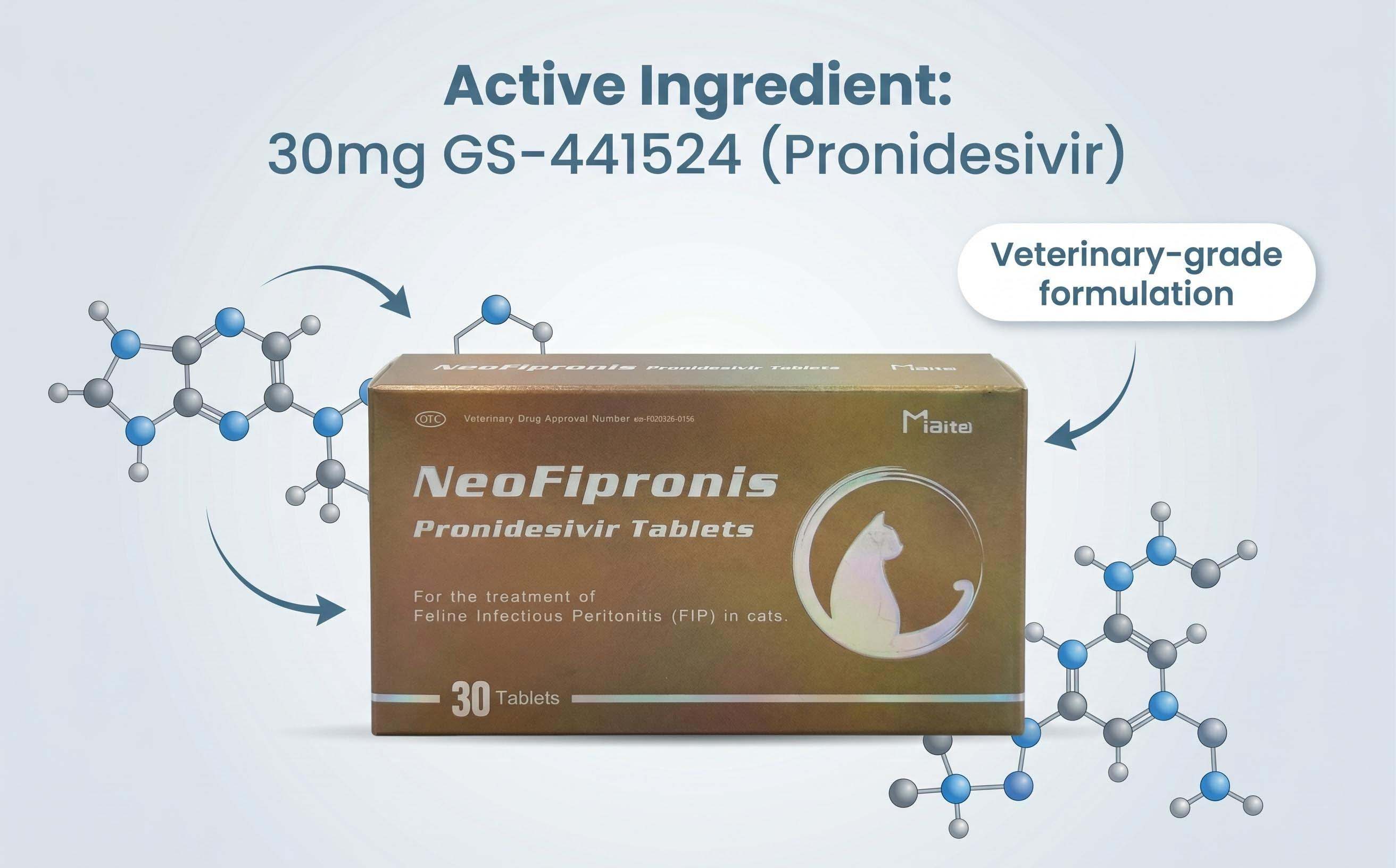
FIP is caused by a mutated feline coronavirus. This disease primarily affects young or immunocompromised cats, manifesting in two forms: effusive (wet) and non-effusive (dry). Historically, treatment focused on symptom management rather than cure. However, antiviral drugs like GS-441524 (and, to a lesser extent, GC376 and remdesivir) have changed the outlook for many cats.
Successful treatment requires diligence and preparation. These antiviral medications are not always approved in every country, which presents legal and logistical challenges. Owners must familiarize themselves with the diagnosis, the medication protocols, and all that long-term therapy entails.
Veterinary Collaboration
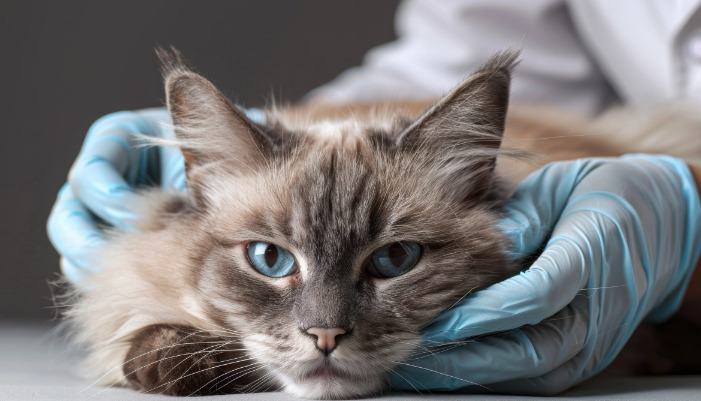
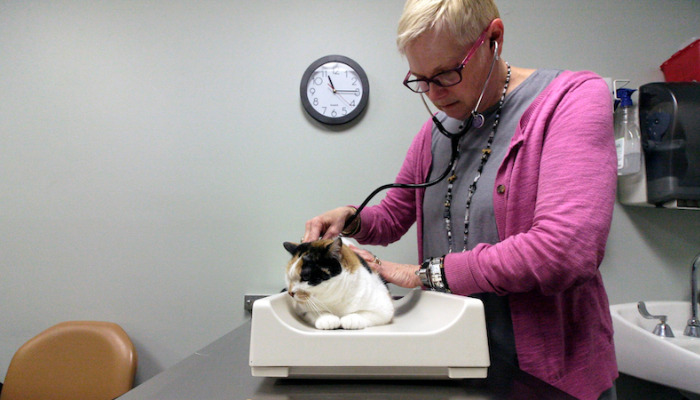
Veterinary partnership is indispensable when treating FIP. Owners should ensure their veterinarian is experienced with FIP cases and the latest research. Detailed diagnostic confirmation—from bloodwork and imaging to coronavirus testing—is essential to distinguish FIP from other diseases. The vet will determine disease staging and the appropriate medication protocol.
Medication acquisition, dosing, and response monitoring require ongoing veterinary oversight. Some medications are unlicensed; good communication ensures the pet’s safety and regulatory compliance.
Sourcing Medications
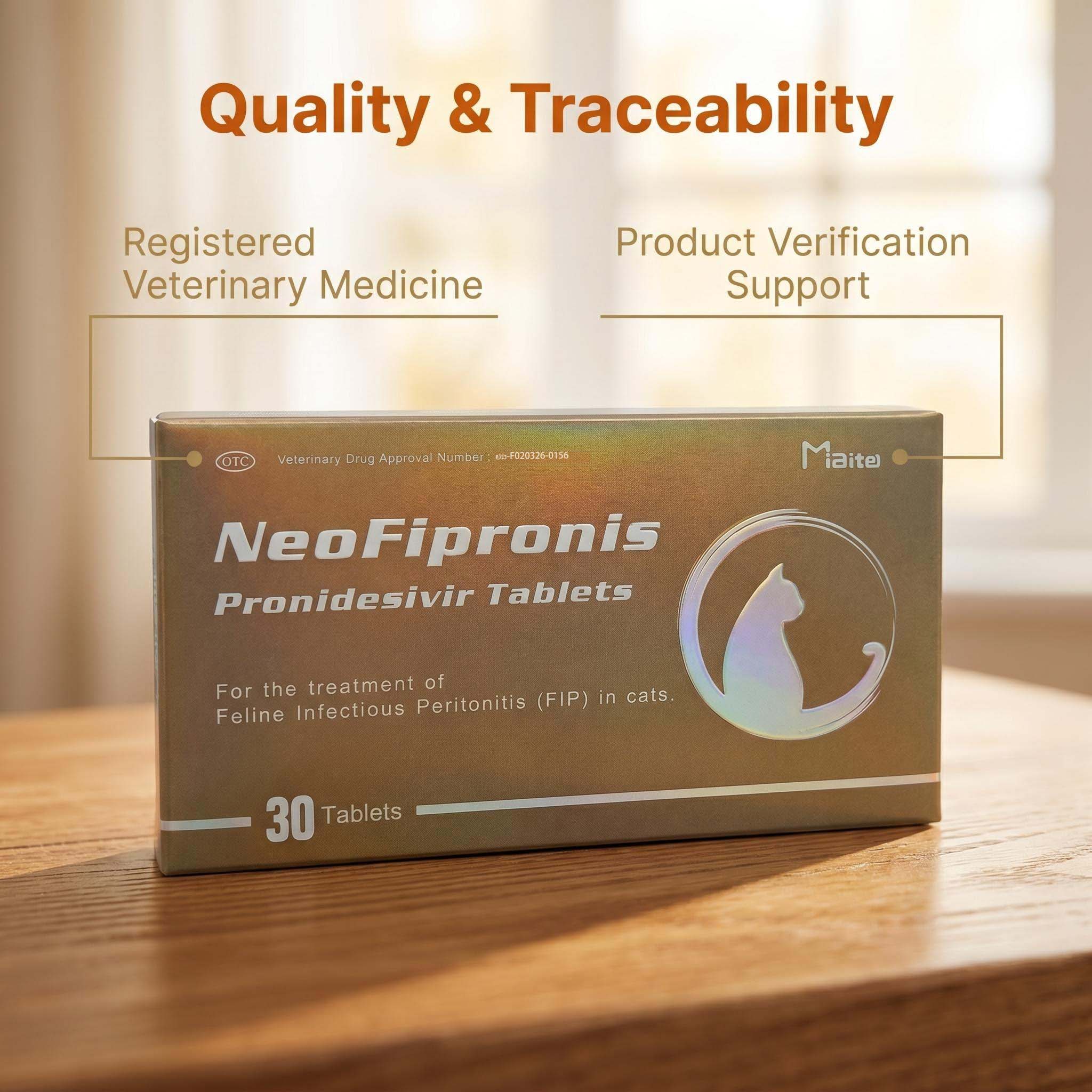
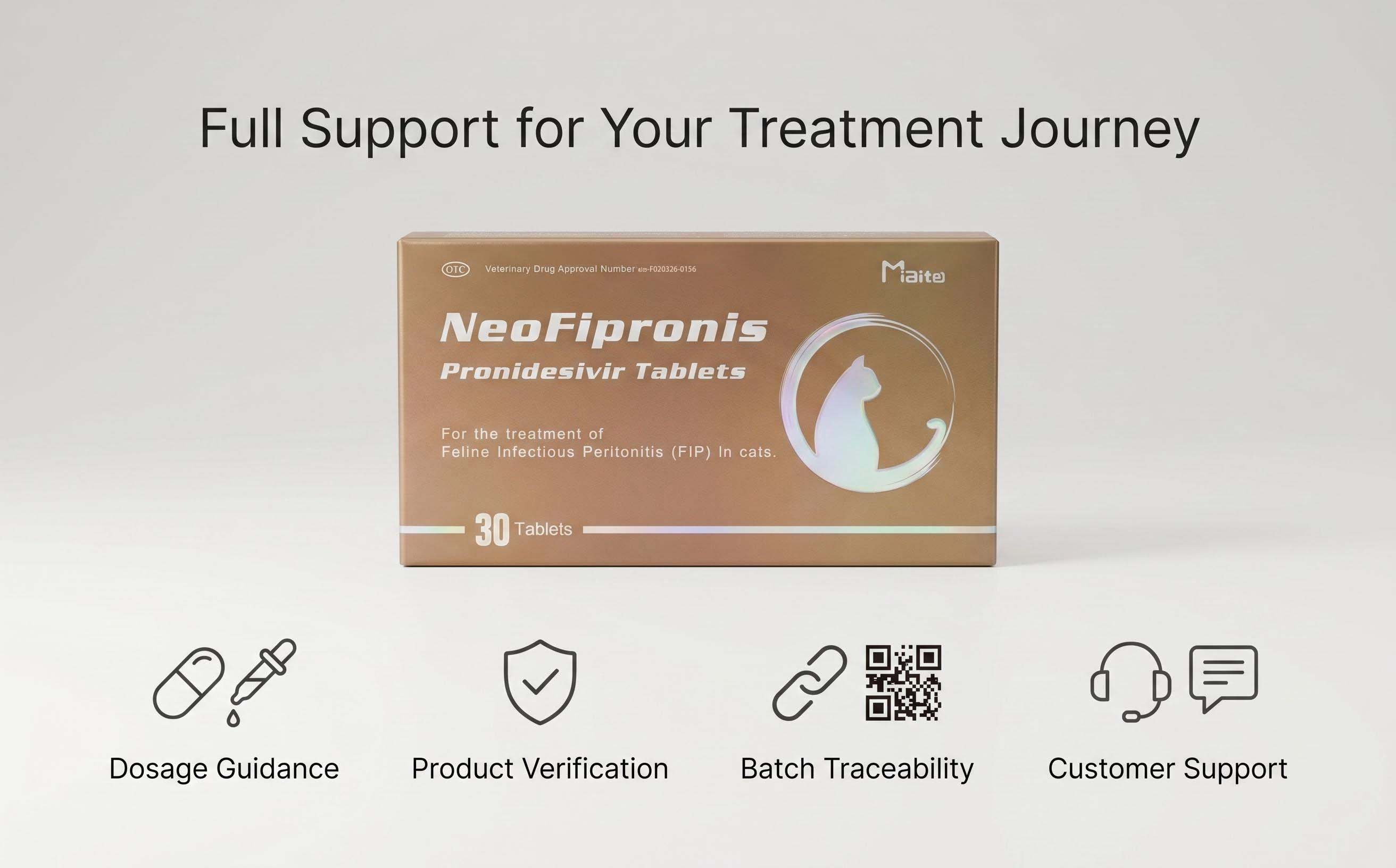
In the United States, some FIP antivirals remain unapproved and must be sourced through non-typical avenues or compassionate use programs. Owners should join reputable FIP support groups and work with trustworthy suppliers. Beware counterfeit or diluted medications; only procure drugs with batch testing and dose verification.
Proper storage is also crucial. GS-441524, for example, often must remain refrigerated and protected from light. Read all handling instructions before medication arrives.
Financial Preparation
FIP treatment is costly. The antiviral course lasts at least 12 weeks, with costs ranging from several thousand dollars for medication alone. There will also be fees for consultations, blood tests, and supportive therapies such as appetite stimulants or anti-nausea medications.
Owners should prepare a detailed financial outline of expected costs, with a buffer for complications. Some owners crowdfund through friends or social media; others seek assistance from charitable organizations specializing in feline rescue.
Home Preparation
Before administering FIP medication, prepare a restful, stress-free environment for your cat. Clean bedding, familiar toys, and a quiet location reduce anxiety. Cats undergoing FIP treatment are often lethargic; they need an area free of rough handling and limited interactions with other pets.
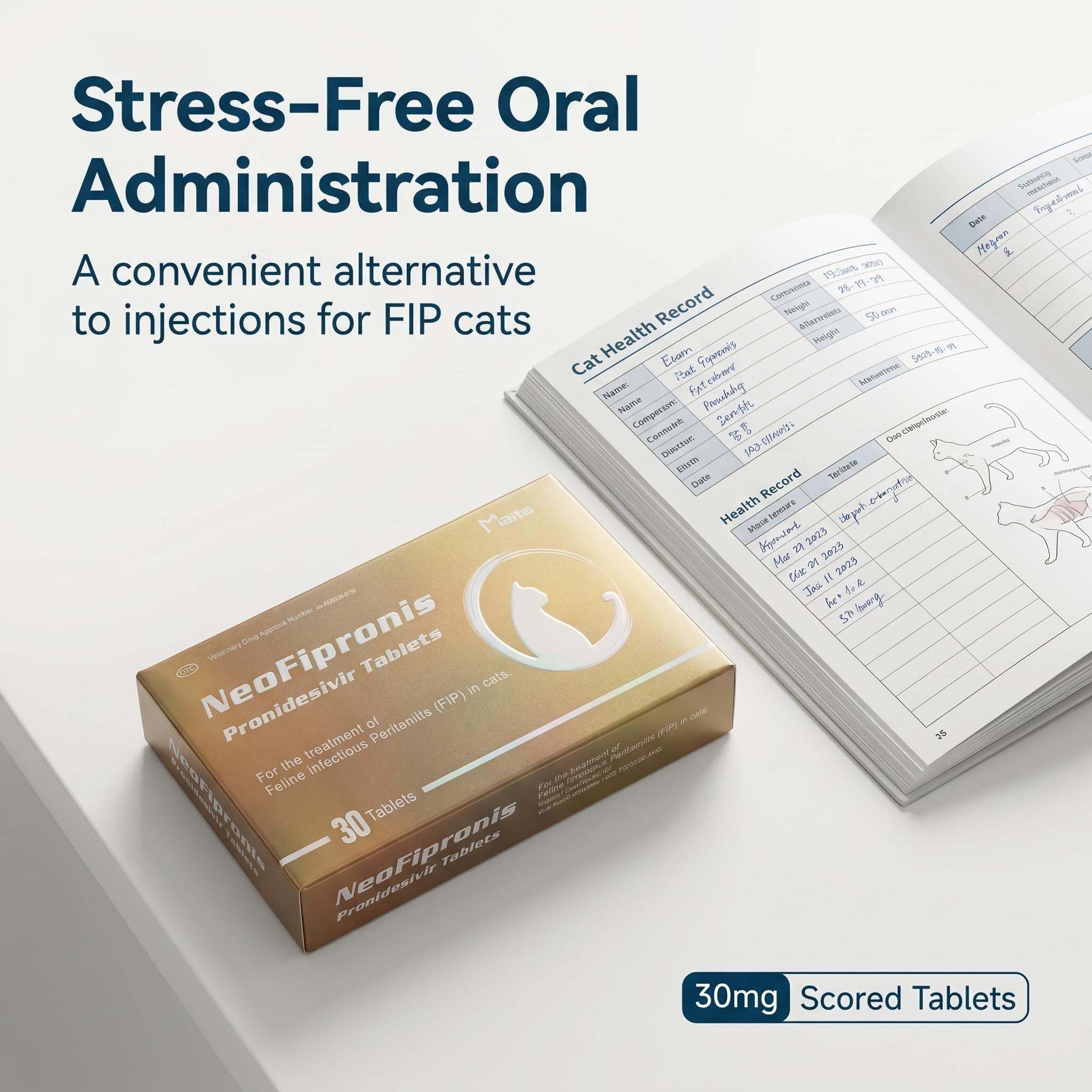
Proper supplies are essential. If medications require injection, owners should have needles, syringes, alcohol wipes, and a sharps disposal container. Those administering oral versions should practice gentle pill-giving techniques. Consider creating a medication logbook to record each dose.
Learning Injection Administration
Many FIP antivirals, especially GS-441524, are initially administered by daily subcutaneous injection. This can be daunting for owners unfamiliar with needles. Veterinary training is critical. Ask for a hands-on demonstration and request instructional pamphlets or videos.
Practice proper hygiene and restraint techniques. Some cats benefit from topical numbing cream at the injection site. Consistency is key; administer the injection at the same time each day, and gently praise your cat to minimize stress.
Understanding Possible Side Effects
Antiviral medications can have side effects: pain at the injection site, minor swelling, or localized hair loss are most common. Rarely, systemic reactions such as digestive upset or weight loss occur. Owners must monitor their cat closely each day for these effects and inform their veterinarian of any changes.
Using an observation chart can track appetite, energy, elimination, and any adverse reactions, making it easier to report information to the healthcare provider.
Routine Monitoring
Effective FIP treatment requires frequent veterinary check-ins and blood tests. Your veterinarian will monitor hematocrit, globulin/albumin ratios, bilirubin levels, and other critical values. Expect rechecks every 2-4 weeks, depending on progress.
If treatment is successful, owners often see gradual improvements in appetite, weight, and energy. Maintaining appointment schedules prevents relapse and improves outcomes.
Diet and Nutrition
Cats with FIP often lose appetite, which can worsen their condition. Owners should stock up on palatable, easy-to-eat foods and high-calorie supplements. Warming canned food to body temperature or hand-feeding can encourage eating. Some may also need prescription diets for concurrent diseases.
Never withhold food in an effort to force medication intake. Consult a veterinarian about appetite stimulants or feeding tubes if nutrition is an ongoing struggle.
Planning for Supportive Care
FIP can cause fever, abdominal fluid accumulation, ocular changes, and neurological symptoms. Prepare for possible needs such as subcutaneous fluids, anti-seizure medications, or even temporary hospitalization. The goal is to maintain quality of life during the strenuous initial phase of treatment.
Emotional and Community Support
FIP treatment is emotionally taxing for owners. Join online support communities to share experiences, gather advice, and find encouragement. Dedicated FIP groups on social media are a rich resource for practical tips and advocacy.
It’s also important to establish a circle of friends or family who understand what you are undertaking. Emotional burnout is common, so do not hesitate to seek respite care or professional counseling if needed.
Managing Daily Routine Changes
Treatment involves significant changes in routine—for both the cat and the owner. Scheduling medication administration, transportation for frequent vet visits, and planning for sick days or emergencies should become part of daily life.
If you must travel or are unavailable during the treatment period, you’ll need a backup caregiver trained in medication administration. Create written instructions and perform dry runs with this person before they assume independent responsibility.
Reducing Stressors
A low-stress environment can boost recovery and improve prognosis. Loud noises, rearranged furniture, or new pets should be minimized. Pheromone diffusers, soft music, and a consistent daily routine help cats feel safe during their recovery.
Planning for Aftercare and Relapse
Most cats treated successfully with antivirals recover after a 12-week regimen. However, relapses can occur. Owners must be prepared to observe for lingering or recurring symptoms after therapy ends. Maintain communication with your veterinarian and have a plan for reinitiating care if necessary.
End-of-Life Considerations
Despite major advances, not all FIP cases respond to antiviral therapy. There may come a point where quality of life declines irreversibly. Owners should discuss humane euthanasia with their veterinarian in advance, considering what signs would prompt this difficult decision.
Creating an emergency action plan helps minimize emotional distress if the condition deteriorates despite every effort.
Recordkeeping and Data Sharing
Maintain organized medical records, medication logs, laboratory reports, and receipts. These documents are useful for both current care and potential assistance (grants, insurance, or support organizations).
Consider contributing anonymized data to FIP research groups after your cat’s treatment is complete. Patient data advances science and may eventually help more pets in the future.
Final Checklists Before Initiation
Confirm diagnosis with your veterinarian.
Secure a reliable medication source, ensuring quality.
Arrange financing or financial assistance.
Set up the medication administration station at home.
Train in safe injection or pill-giving techniques.
Prepare supportive care supplies.
Schedule regular veterinary checks and monitoring.
Join an FIP support group or community.
Inform family or roommates about daily changes.
Compile emergency veterinarian contact information.
By following these preparation steps, owners maximize their cat’s chances for a successful outcome in FIP treatment—a journey that, while challenging, is now more hopeful than ever.
References
Pedersen NC. "An update on feline infectious peritonitis: virology and immunopathogenesis," Veterinary Journal.
Addie D, "Feline Coronavirus Infection: ABCD Guidelines on Prevention and Management," Journal of Feline Medicine and Surgery.
Murphy BG, "Feline Infectious Peritonitis and natural antiviral resistance," Veterinary Clinics: Small Animal Practice.
Dickinson PJ, "Antiviral therapy for FIP: GS-441524 and more," Journal of Veterinary Internal Medicine.
Norris JM, "Diagnosis and management of feline infectious peritonitis," Compendium: Continuing Education for Veterinarians.