Can FIP Medication Be Used in Kittens Safely
Understanding Feline Infectious Peritonitis (FIP) and Its Treatment in Young Cats
Feline infectious peritonitis (FIP) has long been one of the most feared diseases in veterinary medicine, especially for cat owners and breeders. Caused by a mutation in the feline coronavirus, FIP predominantly affects kittens and young cats, leaving guardians desperate for safe and effective treatments. Until recently, FIP was almost always fatal, but pharmaceutical advances now offer hope. Can these new treatments—especially antivirals like GS-441524—be used safely in kittens? To answer, we must assess the nature of FIP, drug mechanisms, safety profiles, dosing nuances, and both clinical evidence and ethical considerations surrounding treating kittens.
What Is FIP?
Feline infectious peritonitis arises when the ubiquitous feline coronavirus mutates within a cat and triggers an intense, destructive immune reaction. Not all cats exposed to the virus develop FIP; only a minority experience the deadly transformation, often between ages 4 months and 2 years. The disease manifests primarily as either wet FIP (causing fluid accumulation in the abdomen and chest) or dry FIP (granulomatous inflammation without substantial effusion). Both forms result in rapid decline: lethargy, fever, weight loss, jaundice, and neurological symptoms. Traditionally, supportive care was all that could be offered, as there were no approved treatments and prognosis was grave.
Recent Advances in FIP Therapy
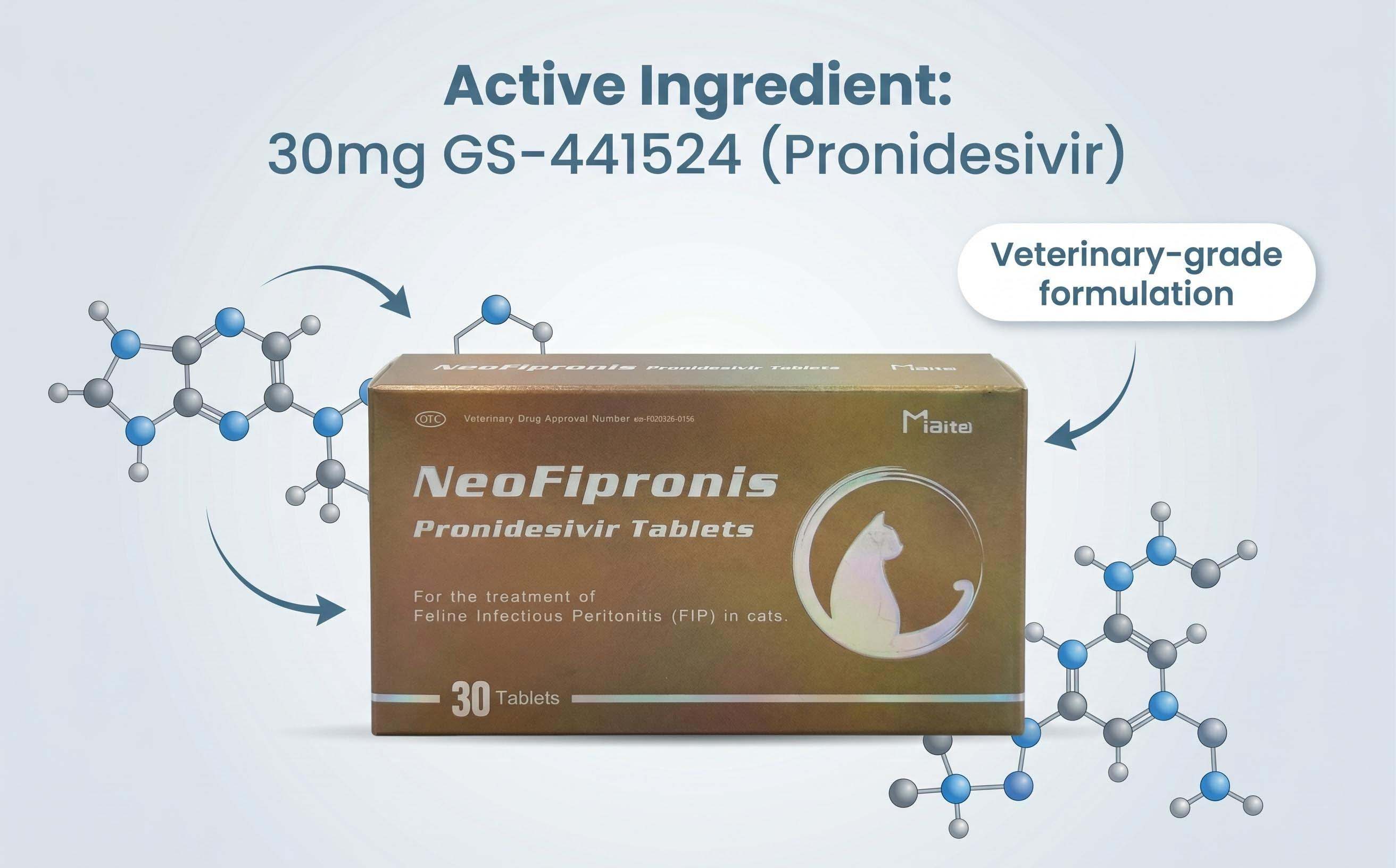
Over the past decade, research has produced antiviral compounds targeting the replication machinery of the mutated virus. The most renowned is GS-441524, a nucleoside analog originally developed for human research by Gilead Sciences. Though not officially FDA-approved for veterinary use, GS-441524 and similar compounds have shown remarkable efficacy in clinical trials and real-world case studies, reversing the course of FIP in many cats—often within days.
Safety Concerns for Kittens
While GS-441524 has transformed FIP treatment, kittens present unique safety questions. Their developing organs, particularly the liver and kidneys responsible for metabolizing medications, are more sensitive to toxicity. Additionally, dosing protocols for adult cats may not be directly applicable given kittens’ rapidly changing weights and unique pharmacodynamics. Addressing these questions requires careful, evidence-based consideration.
Pharmacological Action & Metabolism in Kittens
GS-441524 works by mimicking certain natural building blocks of RNA, interfering with the ability of the virus to copy its genetic material. In kittens, the liver and kidneys process drugs differently than in mature cats. Hepatic enzymes and renal clearance may be underdeveloped, potentially increasing the risk of accumulation and toxicity. Veterinarians must factor in age, weight, hydration, concurrent disease, and nutritional status when prescribing medications for young cats.
Clinical Trials in Young Cats
Several peer-reviewed FIP studies have included kittens as subjects, particularly given the disease’s prevalence in this age group. Dr. Niels Pedersen’s groundbreaking clinical trials at UC-Davis studied cats as young as 3 months treated with GS-441524. Outcomes showed that kittens generally tolerated the drug very well, with side effects ranging from mild injection site reactions to transient increases in liver enzymes. No major organ toxicity was observed, even with prolonged therapy. Remission rates were high, and most kittens survived and returned to normal development and growth.
Appropriate Dosing Protocols
Dosing GS-441524 (and similar drugs, such as remdesivir or molnupiravir) in kittens requires extra precision. Doses are calculated on a mg/kg basis, meaning lighter kittens require smaller aggregate doses, but sometimes higher relative doses to offset rapid viral progression. Routine veterinary oversight, with regular re-assessment and bloodwork monitoring, is critical to adjust as kittens gain weight quickly during the multi-week treatment course. Kittens are weighed frequently, and doses are recalculated to ensure optimal therapeutic levels without risk of overdose.
Adverse Effects and Risks
Based on available evidence, the most common side effect reported in kittens is discomfort at the injection site, occasionally causing temporary limping or localized swelling. Rarely, mild neutropenia or liver enzyme elevation occurs; these issues are usually reversible and do not progress to serious organ dysfunction. No severe allergic reactions or fatalities attributed directly to GS-441524 have been documented in kittens to date. Nonetheless, veterinarians remain vigilant for unanticipated idiosyncratic reactions and the possibility of viral resistance, especially when suboptimal dosing or incomplete treatment courses are employed.
Long-Term Safety and Quality of Life
Kittens that survive FIP treatment not only recover physically but also appear to regain normal behavioral development, appetite, playfulness, and weight gain. Follow-up studies indicate no stunting or chronic organ pathology in successfully treated kittens. Owners and researchers have reported normal lifespans and resilience, suggesting that early intervention with antiviral agents does not inherently cause lasting harm. The psychological impact on owners is profound, offering hope where previously there was despair.
Regulatory and Ethical Considerations
In the United States, GS-441524 is not yet FDA-approved, and the medication is often procured through unregulated channels or compounded in specialty pharmacies. This regulatory ambiguity raises ethical questions about safety, oversight, and quality control—especially with fragile patients like kittens. Veterinary societies urge practitioners to disclose risks, meticulously monitor treatment, and inform owners about the off-label nature of the therapy.
Complementary Support and Nutrition
Adjunctive supportive care is vital for kittens with FIP, regardless of antiviral therapy. Nutritional support, hydration, appetite stimulation, and management of secondary infections or anemia all contribute to outcomes. Many clinics utilize antioxidants, B-vitamins, and probiotics to bolster recovery, although no adjunct has proven to replace or supersede antivirals in efficacy.
Owner Education and Informed Consent
Effective treatment of FIP in kittens is a collaborative process requiring informed pet owners. Understanding the disease process, realistic expectations for treatment, financial investment, follow-up needs, and potential risks is fundamental. Written consent forms and regular updates foster trust and compliance. Organizations like the UC-Davis Koret Shelter Medicine Program offer educational resources to help owners and veterinarians navigate this complex treatment landscape.
Genetics and Breed Susceptibility
Some studies indicate that purebred kittens, particularly those bred in catteries or crowded shelters, may be at higher risk due to genetic predisposition and environmental stress. While all breeds are susceptible, breeders of Bengals, British Shorthairs, and Ragdolls report higher rates of FIP. This has prompted calls for improved genetic screening and husbandry practices to minimize viral load and stress, potentially reducing risk in the youngest and most vulnerable populations.
Prevention Strategies: Vaccines and Hygiene
No vaccine for FIP exists with reliably demonstrated efficacy; the only available product is not widely recommended. Prevention thus centers on hygiene, lowering stress, minimizing overcrowding, and segregating high-risk kittens from adults shedding coronavirus. Early weaning and careful socialization also play a role in reducing spread within breeding facilities and shelters.
Looking Forward: The Future of FIP Therapy
The development of GS-441524 and related drugs has sparked a revolution in feline medicine. Ongoing research is exploring newer molecules with enhanced bioavailability and fewer side effects, including oral formulations that might be easier for kittens and owners to administer. Public health authorities and advocacy groups are championing efforts to bring these treatments into official approval channels, expanding access and safety for even the youngest patients.
The Role of Veterinary Expertise
Successful treatment of FIP in kittens demands deep veterinary expertise. Diagnosis can be challenging, involving blood tests, imaging, PCR confirmation, and assessment of clinical signs. Mastery of dosing regimens, side effect management, and individualized care separates favorable outcomes from disappointment. Clinics offering FIP therapy increasingly specialize in infectious disease management, with staff trained in sample collection, cytology, and advanced therapeutics.
Cost, Accessibility, and Social Impact
Antiviral FIP medication is expensive and sometimes hard to obtain. Owners of sick kittens often mobilize community fundraising and seek online support groups for advice and moral reinforcement. The growth of supportive networks and the sharing of success stories play an important role in disseminating practical knowledge and lessening isolation. Veterinary charitable funds and nonprofit organizations are advocating for more affordable treatments and improved access.
Real-World Success Stories
The landscape of FIP has changed dramatically. Veterinarians and owners now share accounts of once-dying kittens that made dramatic recoveries, thriving as healthy adults. Such anecdotes have become increasingly common in forums, conferences, and research publications, lending emotional weight to the quantitative evidence on safety and efficacy. While continued study is needed, the consensus is strong: with careful case management, FIP medications can be and have been used safely in kittens.
References
Pedersen, N.C. et al., “Efficacy and safety of the nucleoside analog GS-441524 for treatment of cats with naturally occurring feline infectious peritonitis,”
Koret Shelter Medicine Program at UC Davis, “FIP Symposium Proceedings,”
Hosie, M.J., “Feline coronavirus infections: The pathogenesis and prevention of FIP,”
Addie, D.D., “Feline infectious peritonitis and antiviral therapy,”
Dr. Diane D. Addie, “Management of FIP in Young Cats and Kittens,”
American Veterinary Medical Association (AVMA), “Overview of Feline Infectious Peritonitis,”
International Cat Care, “FIP: Diagnosis, Treatment and Prevention in Kittens,”
Hartmann, K., “Feline Infectious Peritonitis: Recent Advances,”
Veterinary Clinics of North America: Small Animal Practice, “FIP in the Feline Patient: Current Strategies,”
Taylor, S.S., “Antiviral therapies for FIP in kittens: Dosing and safety challenges,”
FIP Warriors Symposium, “Survivor Stories and Treatment Protocols,”
Gunn-Moore, D.A., “FIP in Kittens: Clinical Presentation and Long-Term Outcomes,”