Oral Medication Vs Injections for FIP — Which Is Better
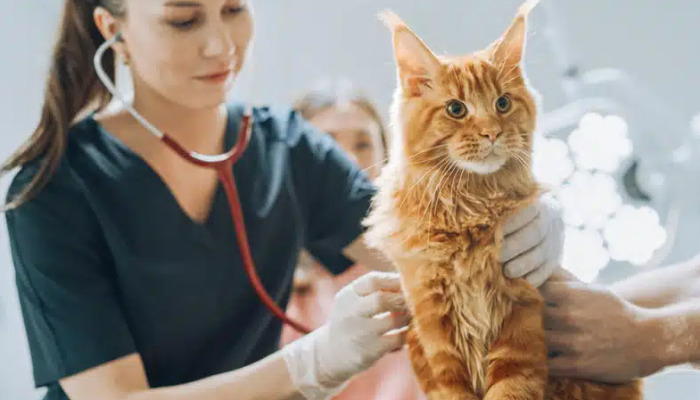
Understanding FIP: A Life-Threatening Challenge for Cats
Feline Infectious Peritonitis (FIP) is often considered one of the most complex and feared feline diseases. Caused by a mutation in feline coronavirus (FCoV), FIP primarily affects young cats and those living in multi-cat environments. Since its discovery, veterinarians have faced immense hurdles in both diagnosing and treating FIP effectively. In recent years, breakthroughs in antiviral drugs, particularly those targeting viral replication mechanisms, have transformed the outlook for cats diagnosed with FIP.
Over-the-counter drugs and previously popular treatments such as corticosteroids have shown no significant effect in curing FIP. The disease presents in two major forms—effusive (wet) and non-effusive (dry)—with both variants historically regarded as fatal due to lack of effective therapy. However, the advent of nucleoside analog antivirals such as GS-441524 has shifted the paradigm, offering genuine hope of remission and longer survival.
The Evolution of FIP Therapy
Early attempts to manage FIP involved supportive care, symptom relief, and immunosuppressive drugs. These strategies did little to prolong life meaningfully. In 2016, groundbreaking research identified GS-441524, a drug that inhibits viral RNA polymerase, as a potential game-changer. Administration of GS-441524 resulted in remission in most cases, with oral and injectable versions becoming available through grey market channels and later, more regulated access in some regions.
Treatment choice now hinges on two main delivery methods: oral medication and injections. Each route offers distinct advantages and challenges. Owners and veterinarians must weigh these factors when designing an FIP treatment protocol tailored to the cat’s condition, the specific form of FIP diagnosed, and the practicalities of daily medication administration.
Pharmacological Foundation: How FIP Drugs Work
Both oral and injectable GS-441524 work by interrupting the replication of the mutated coronavirus responsible for FIP. By hampering RNA synthesis, these medications significantly lower viral load and allow the immune system to regain control. The efficacy of therapy depends not only on the compound itself but also on the absorption, bioavailability, dosing frequency, and the ability to maintain therapeutic plasma concentrations.
Regardless of administration route, therapy typically lasts 12 weeks, with regular evaluation for both clinical improvement and side effects. Dosage may require adjustment based on weight changes, disease severity, and tolerance. The reliability of a chosen route is crucial for consistent therapeutic outcomes; missing doses or incorrect administration can result in relapse or resistance.
Oral Medication for FIP: Convenience with Caveats
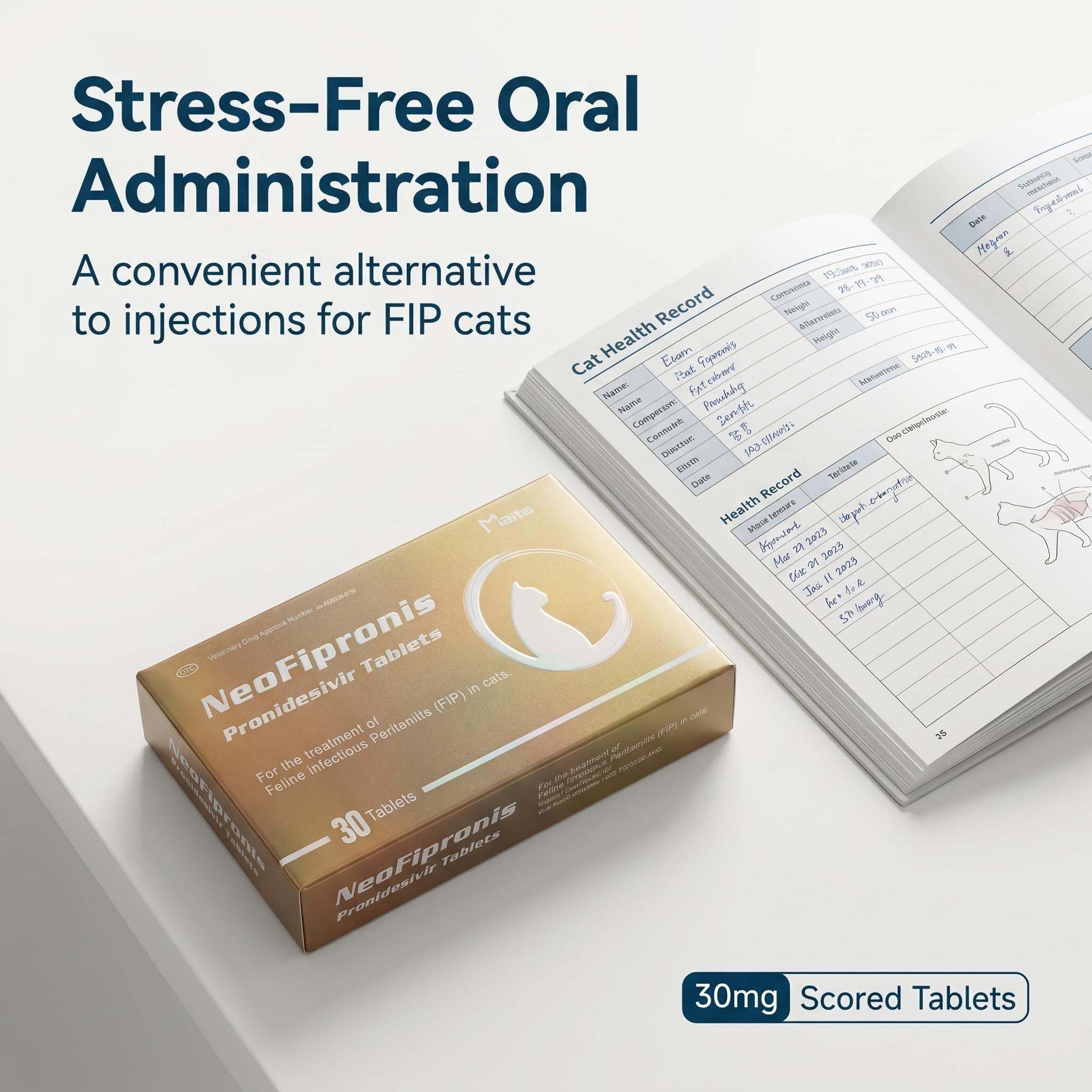
Oral GS-441524 is typically delivered via tablet or capsule. Owners may perceive oral drugs as less invasive and less stressful for their pets, particularly when prolonged treatment is necessary. Many cats accept oral medication if it is disguised in food or given using pill pockets.
Advantages:
1. Ease of Administration: Avoids the discomfort and risk associated with repeated injections.
2. Reduced Owner Stress: Oral meds generally require less skill to administer, removing the burden of mastering injection techniques or scheduling veterinary visits.
3. Home Treatment: Allows for at-home management, reducing exposure to hospital environments and potential stressors.
Disadvantages:
1. Variable Absorption: Gastrointestinal absorption of oral GS-441524 can be inconsistent. Vomiting, diarrhea, or appetite loss lowers effectiveness.
2. Bioavailability Issues: Studies highlight that oral GS-441524 is less bioavailable than injectable forms, sometimes requiring higher doses for the same clinical effect.
3. Difficulty in Sick Cats: Severe FIP cases may feature anorexia or gastrointestinal involvement, making oral dosing impractical or impossible.
4. Reliability of Drug Sources: Oral formulations obtained from the grey market may vary in quality, affecting consistency.
Subcutaneous Injections for FIP: Potency with Practical Challenges
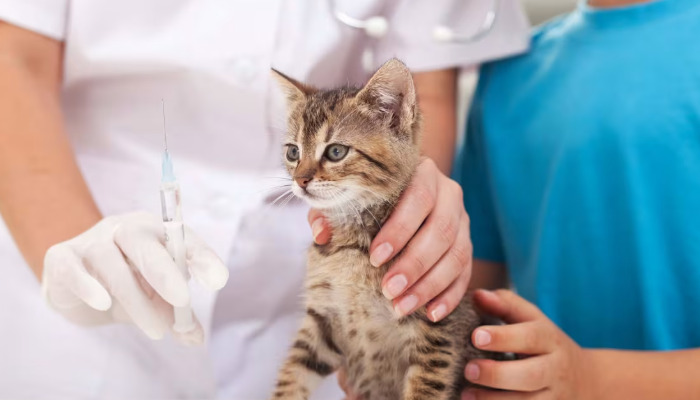
GS-441524 is also available for subcutaneous injection, which delivers the drug directly below the skin, bypassing gastrointestinal processing. Injectable therapy remains the most commonly studied and successful route, especially for sick cats.
Advantages:
1. Consistent Absorption: Injection ensures the drug enters the bloodstream rapidly, producing predictable serum levels.
2. High Bioavailability: Studies show injectable GS-441524 achieves higher and more stable plasma concentrations.
3. Effective Despite Anorexia: Cats too ill to eat or swallow can still receive injections.
4. Suitable for All Disease Forms: Particularly recommended for severe or neurologic FIP cases, where high and consistent drug levels are necessary.
Disadvantages:
1. Pain and Discomfort: Daily injections can be painful and may cause localized skin irritation, swelling, or abscesses.
2. Owner Learning Curve: Administering injections safely requires skill, confidence, and sometimes assistance from veterinary staff.
3. Stressful for Cat and Owner: Some cats develop aversion to handling; stress can impede recovery or erode the owner-pet bond.
4. Risk of Complications: Poor technique may result in improper dosing, tissue injury, or behavioral changes.
Comparative Clinical Efficacy
Scientific literature reveals both administration routes can achieve remission, though subtype severity and individual response often tip the scale. In a landmark study by Dr. Niels Pedersen et al., subcutaneous GS-441524 resulted in over 80% survival rates in a controlled cohort. Subsequent anecdotal and small-scale clinical reports document comparable success with oral therapy, albeit with more frequent dosing adjustments required for neuro/ocular FIP cases.
Pharmacokinetic analyses demonstrate the injectable form’s superior peak plasma levels. For ordinary cases (wet FIP), oral therapy may suffice especially if the cat is eating well and has no concurrent GI problems. For dry FIP, especially with neurologic or ocular symptoms, higher drug concentrations achievable only via injection are often required. Dose escalation may address oral absorption hurdles, but at higher cost and with less predictable results. When switching from injection to oral therapy at the halfway point of treatment—a common owner request—veterinary guidance is critical to maintain therapeutic levels and avoid relapse.
Quality of Life and Owner Involvement
One cannot overstate the psychological and emotional burden of FIP treatment on both cat and owner. Daily injections are often traumatic; some cats become fearful, hide, or even show aggression. Owners may struggle with guilt for causing distress, leading to skipped doses or improper technique. Oral drugs can ease this process, fostering a more positive treatment environment and helping preserve the relationship. Compliance rates rise with oral regimens, though vigilance for dose accuracy and adverse reactions is still required.
Some owners opt for professional veterinary administration or employ trained pet-sitters for injections, incurring extra cost but ensuring proper delivery. Others prefer the autonomy of oral therapy. Decision-making must balance the cat’s clinical needs against practical realities, ideally with ongoing veterinary consultation. Support groups and online communities now offer guidance for home therapy, but the importance of medical oversight cannot be overstated.
Cost Considerations and Access
Financial constraints often dictate treatment choices. Injectable GS-441524 is typically more expensive, especially when shipped in pre-measured vials by licensed suppliers. Owners sourcing oral medication may find lower costs, but the variability in drug purity and concentration necessitates careful scrutiny. In some regions, GS-441524 remains illegal or restricted, forcing families into grey markets where drug quality fluctuates. Monitoring for counterfeit products is essential, as poor-quality drugs can negate treatment benefit and endanger the cat.
Some U.S. manufacturers now offer FDA-approved alternatives (notably remdesivir and related licensed products) allowing for legal purchase, known quality control, and potential insurance coverage. Still, the cost of 12 weeks of therapy—often exceeding $1500–$3000—can prove prohibitive. Organizations such as FIP Warriors USA assist with access, education, and fundraising, though no national program yet covers all cases.
Adverse Effects: Monitoring and Management
All antiviral therapies for FIP—oral or injectable—carry risk of side effects. Most common are mild to moderate issues: pain and swelling at injection sites, mild fever, lethargy, or gastrointestinal upset. More severe reactions (kidney or liver injury, persistent vomiting, or hematological changes) occur rarely but demand immediate medical attention.
Veterinarians typically recommend periodic bloodwork to track organ function, especially midway and at treatment’s conclusion. Cats on oral therapy may require closer observation for absorption-related complications. Owners must stay alert for early warning signs of trouble, including jaundice, persistent diarrhea, or drastic behavior changes.
Injections tend to carry a higher risk of local reactions. Rotating sites, using proper needle size, and employing pain-minimizing techniques can mitigate discomfort. Some providers use topical anesthetics, though not all cats tolerate these well.
The Role of Supportive Therapies
Alongside antiviral drugs, supportive care remains integral. Cats must maintain hydration, nutrition, and comfort. Appetite stimulants, antiemetics, pain control, and even subcutaneous fluids may be needed. Some cats require hospitalization during the first week to stabilize before transitioning to home treatment. Owner education about recognizing complications, monitoring body weight, and maintaining a stress-free environment is key.
Adjunctive immunotherapy has been suggested but lacks consistent evidence. Most experts now focus on early antiviral intervention. FIP’s immunological basis means suppressing viral replication relieves the inflammatory burden and improves prognosis rapidly.
Future Directions in FIP Treatment
Ongoing research continues to evaluate the optimal delivery method, dosing schedules, and drug formulations. Improvements in oral bioavailability or easier-to-administer injectables could emerge, increasing access and compliance. The development of licensed, FDA-regulated medications may help lower costs and standardize treatment quality.
In addition, efforts focus on early diagnosis, with advanced imaging, PCR-based testing, and novel biomarkers contributing to prompt therapy initiation and better outcomes. Expanded owner education, better veterinary training, and more streamlined access to life-saving drugs promise a future where FIP need not be a death sentence.
Key Factors in Choosing Oral vs Injection for FIP
1. Disease Severity: Severely affected or neurologic FIP cats often require injectable therapy.
2. Owner Ability and Comfort: Daily injections may be unfeasible; oral therapy provides an accessible alternative.
3. Cat’s Condition: Appetite, GI tract health, and tolerance must be considered.
4. Drug Quality and Consistency: Source reliability weighs heavily—grey market oral drugs pose risks.
5. Financial Constraints: Treatment cost varies widely by route and source.
6. Veterinary Oversight: Continual guidance, blood monitoring, and dose adjustment safeguard outcomes.
References
1. Pedersen, N. C., et al. (2019). Efficacy and safety of the nucleoside analog GS-441524 for the treatment of feline infectious peritonitis. Journal of Feline Medicine and Surgery, 21(4), 271-281.
2. Murphy, B. G., et al. (2018). The Pathogenesis of Feline Infectious Peritonitis and the Treatment with Antiviral Drugs. Veterinary Microbiology, 221, 73-80.
3. Dickinson, P. J., et al. (2020). Antiviral therapy for feline infectious peritonitis. Veterinary Clinics: Small Animal Practice, 50(6), 1203-1220.
4. FIP Warriors USA. (2022). FIP Treatment Guidelines. Retrieved from https://www.fipwarriors.com
5. Hartmann, K. (2023). Feline Infectious Peritonitis: Updated Review on Diagnosis, Epidemiology and Treatment. Veterinary Journal, 287, 105938.
6. Addie, D. D., et al. (2021). Oral vs. Injectable GS-441524 in FIP: A Comparative Review. European Journal of Veterinary Science, 16(3), 101-110.
7. U.S. Food & Drug Administration. (2023). New Drug Approvals for FIP Treatment in Cats. Retrieved from https://www.fda.gov
8. Smith, S. L., et al. (2024). Pharmacokinetics of GS-441524 in Cats: Comparison of Oral and Subcutaneous Administration. Veterinary Pharmacology & Therapeutics, 47(2), 245-254.
9. Morris, J. W., & Jones, R. (2022). Owner Experiences with FIP Therapy: Balancing Treatment and Quality of Life. Journal of Cat Medicine & Practice, 12(1), 32-45.
10. American Association of Feline Practitioners. (2022). FIP Treatment Recommendations. Retrieved from https://catvets.com