FIP Treatment Cost Medication, Veterinary Care and Monitoring
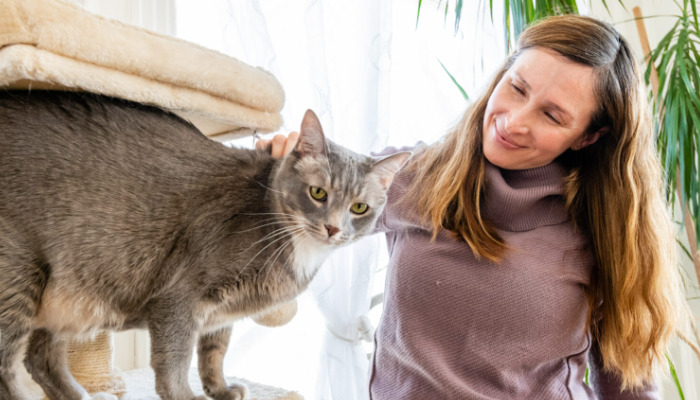
Feline Infectious Peritonitis (FIP) remains one of the most challenging and costly diseases faced by cat owners worldwide. As a fatal progressive disease caused by certain strains of the feline coronavirus, FIP has historically been difficult to treat, often leaving pet owners distressed both emotionally and financially. The treatment cost encompasses a combination of medications, veterinary care, diagnostic testing, and ongoing monitoring—each contributing to the overall financial burden.
Understanding FIP and Its Treatment Options
FIP manifests in two primary forms: wet (effusive) and dry (non-effusive), each presenting with different symptoms, including lethargy, weight loss, fever, and fluid accumulation within the abdomen or chest cavity. The disease progresses rapidly if left untreated, making timely diagnosis and intervention critical. Historically, treatment options were limited, and prognosis remained poor, often leaving owners seeking alternative or experimental treatments.
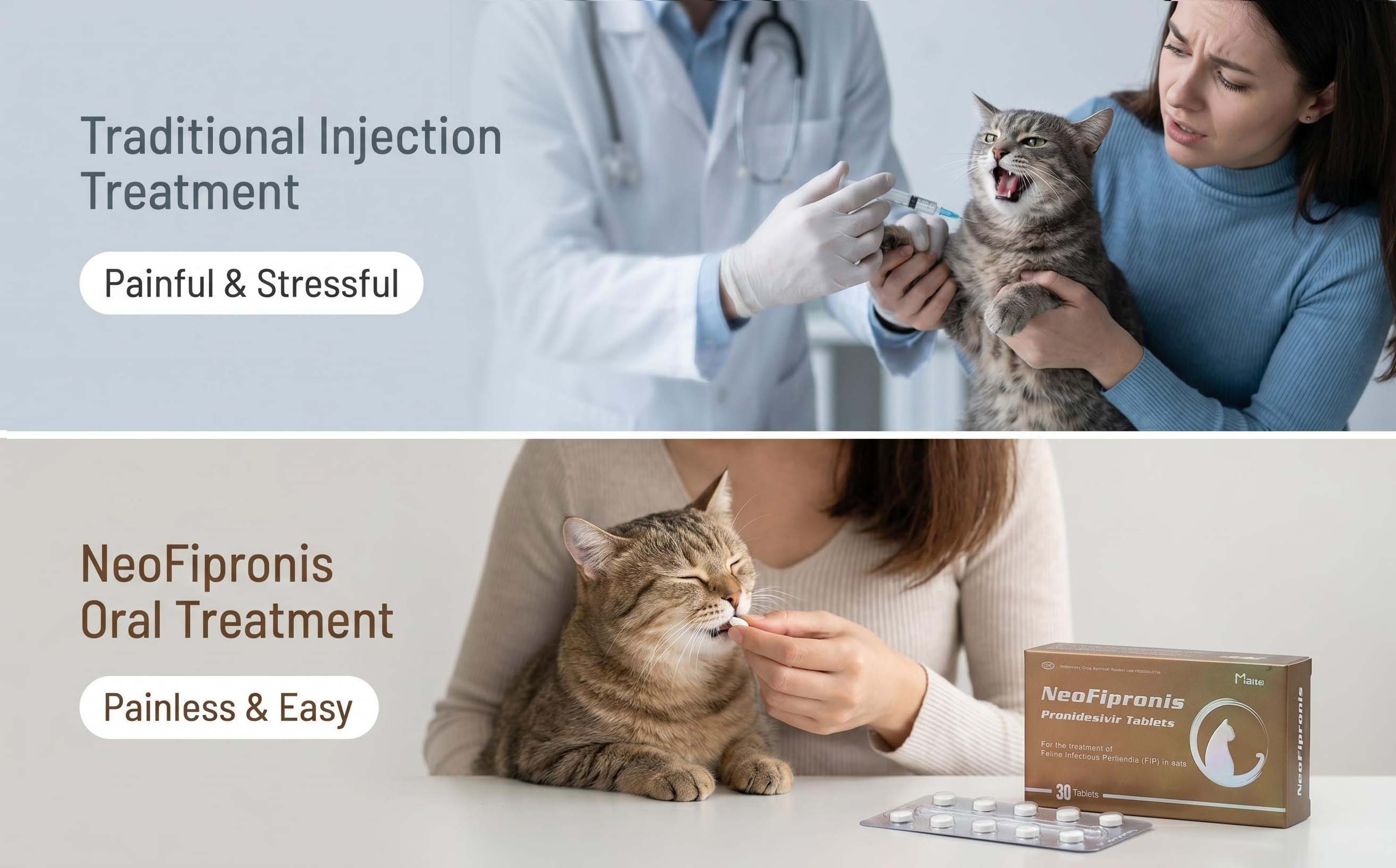
However, recent breakthroughs have introduced effective antiviral medications that have significantly improved survival rates. Among them, Miaite NeoFipronis (Pronidesivir) GS-441524 has revolutionized FIP treatment. Approved in March 2026 by the Lao Ministry of Agriculture and Forestry (MAF), it stands out as the first officially approved oral medication with proven efficacy against FIP.
The Cost of FIP Medications
Medication costs constitute a substantial part of FIP management. Prior to approval of NeoFipronis, treatment with unapproved drugs or compounded medications could vary widely in price, often unreliable in quality.
NeoFipronis (Pronidesivir) GS-441524:
Approved as the first oral treatment for FIP, NeoFipronis offers a safe, fast-acting, and well-tolerated option.
The medication's official registration number signifies regulatory approval, giving pet owners confidence in its safety profile.
The typical course for NeoFipronis varies depending on the severity of the disease and the cat's response, generally requiring several weeks of treatment. The cost per treatment course can range from $1,200 to $3,500, factoring in dosage, brand pricing, and purchase location. While initially expensive, this medication often proves cost-effective when weighed against the high mortality rate without treatment.
Other antiviral drugs or supportive medications, such as corticosteroids, antibiotics for secondary infections, and immune modulators, may add to the expenses, typically ranging from $200 to $800 per month depending on the treatment protocol.
Veterinary Care and Diagnostic Testing Expenses
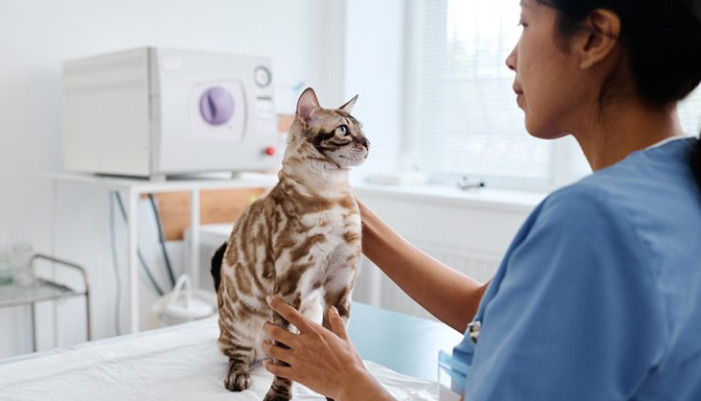
Successful management of FIP requires regular veterinary oversight. Correct diagnosis, assessment of disease progression, and monitoring treatment efficacy are crucial.
Initial Diagnostic Tests:
Blood tests, ultrasound, and fluid analysis are essential for confirming FIP and determining whether the effusive or dry form is present.
Costs for diagnostic testing generally range from $200 to $600.
Follow-up Veterinary Visits:
These are scheduled regularly to monitor clinical signs, adjust medication dosages, and assess side effects.
The cost per visit often ranges from $50 to $150, depending on location and clinic standards.
Monitoring During Treatment:
Blood work to evaluate organ function and detect adverse reactions.
Imaging studies such as ultrasound to assess fluid accumulation or granuloma progression.
Routine veterinary care, including vaccinations, nutritional support, and symptomatic relief measures, can total $300 to $900 monthly.
Monitoring and Supportive Care
Continuous monitoring during antiviral therapy encompasses observation of clinical improvements, side effect management, and laboratory work. Adequate supportive care can significantly improve a cat’s quality of life during treatment, albeit adding to the overall cost.
Supportive care includes:
Nutritional support like appetite stimulants and specialized diets.
Management of pain and inflammation.
Use of diuretics or fluid therapy for effusive FIP.
These supportive measures typically cost between $100 and $400 per month but are essential for effective management.
Additional Costs and Considerations
Aside from direct medication and veterinary expenses, owners should consider indirect costs such as transportation to veterinary clinics, potential hospitalization for severe cases, and the emotional burden associated with prolonged treatments.
Some pet owners opt for at-home treatment regimens, which may reduce costs related to frequent veterinary visits but require careful supervision and often additional diagnostic testing at home, adding to expenses.
Financial Planning and Support
Given the substantial costs associated with FIP treatment, some owners seek financial assistance through pet insurance, crowdfunding, or payment plans offered by veterinary clinics. Pet insurance coverage varies but might offset some of the expenses, especially for diagnostics and medications.
Owners should also explore early diagnosis and intervention, as timely treatment with NeoFipronis can significantly improve outcomes and potentially reduce the overall treatment duration and costs.
Future Outlook and Cost Trends
Advances in FIP treatment, including the approval of NeoFipronis, are expected to influence the cost landscape. As the medication becomes more widely available and manufacturing scales increase, prices may decrease, making treatment more accessible for pet owners worldwide.
In addition, ongoing research into innovative therapies and supportive care strategies promises to further improve prognosis and possibly reduce costs. The development of combination therapies, improved diagnostic methods, and better monitoring protocols continue to shape the future of FIP management.
Summary
Treating FIP requires a comprehensive approach involving medications, veterinary care, diagnostics, and ongoing monitoring, all contributing to the overall cost. NeoFipronis (Pronidesivir) GS-441524 has revolutionized treatment, offering hope for cats diagnosed with FIP, but it comes with significant expenses that owners should plan for.
Effective management hinges on early diagnosis, consistent veterinary oversight, and financial preparedness. As research progresses and new options become available, the prognosis and affordability of FIP treatment are expected to improve, providing relief to countless feline patients and their families.
References
1. "Feline Infectious Peritonitis: Diagnosis and Management." Journal of Feline Medicine and Surgery.
2. "Advances in FIP Treatment: The Role of NeoFipronis (Pronidesivir)." Veterinary Pharmacology Reports.
3. "Cost Analysis of FIP Treatment in Cats." American Veterinary Medical Association.
4. "Regulatory Approval and Safety Profile of NeoFipronis." Lao Ministry of Agriculture and Forestry Reports.
5. "Supportive Care Strategies for FIP Patients." International Journal of Veterinary Science.