Does FIP Medication Cause Liver Damage
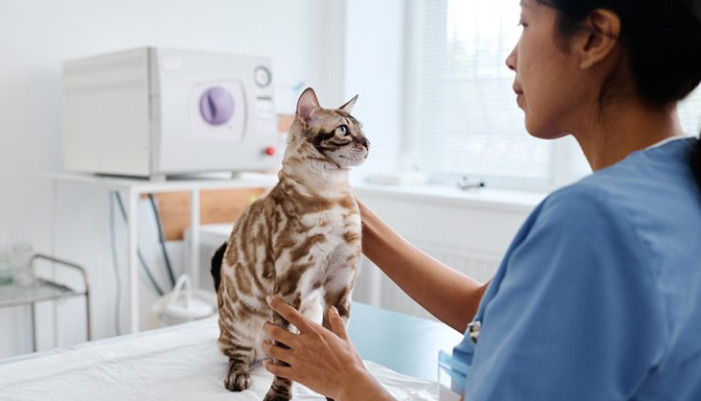
Feline Infectious Peritonitis (FIP) presents one of the most complex medical challenges in feline medicine. While FIP was once an almost-certain death sentence for affected cats, the development of antiviral medications in recent years has significantly improved prognosis for some felines. As more cat guardians and veterinarians gain access to FIP therapies, fresh questions have arisen about the safety profile of these drugs. Of particular concern is whether FIP medications cause liver damage, a complication with potentially serious health implications.
What is FIP and How is it Treated?
FIP is caused by infection with certain strains of feline coronavirus (FCoV) that mutate within a cat’s body. This variant is highly virulent and can trigger either “wet” or “dry” forms of disease, with symptoms ranging from abdominal effusion to neurological signs. For decades, effective treatment was largely unavailable. However, the antiviral drug GS-441524, a nucleoside analog, emerged as a transformative therapy. GS-441524 interrupts viral RNA replication, giving cats a fighting chance.
Other medications have also been used or studied, including remdesivir (a structurally similar compound), favipiravir, and a range of immunomodulators. Despite these advances, all potent drugs—especially antivirals—sometimes carry side effects. Liver toxicity is among the most feared, given the organ’s role in metabolism and detoxification.
The Liver’s Role in Drug Metabolism
Every administered drug must be processed through metabolic pathways before elimination. The liver functions as the body’s chemical clearinghouse, converting pharmaceuticals into water-soluble compounds for excretion. This metabolic action can inadvertently generate toxic intermediates or stress liver cells, leading to hepatitis, enzyme elevations, or even irreversible damage in rare cases.
Common signs of liver injury in cats include jaundice (yellowing of the skin, gums, or eyes), vomiting, lethargy, changes in appetite, dark urine, and abnormal blood liver enzyme values such as ALT, AST, and ALP.
Clinical Evidence on FIP Medications and Liver Health
Emerging research on GS-441524 and related compounds provides insights into their liver safety profile. Initial studies, as published in peer-reviewed journals, indicated that cats treated with GS-441524 for FIP commonly showed marked improvement without significant hepatic side effects. For example, Pedersen et al. (2019), in a landmark clinical trial, administered GS-441524 to cats diagnosed with FIP and monitored biochemical markers, including liver enzymes. Most cats experienced no important changes in ALT, AST, or bilirubin, and recovered fully following the typical treatment course of 12 weeks.
Further, a 2020 study by Dickinson et al. reviewed cases of both wet and dry FIP treated with GS-441524 obtained from unlicensed sources. Their results echoed Pedersen’s findings—liver enzyme elevations were rare, and when present, were typically mild to moderate and resolved after cessation of therapy.
However, there are caveats. Case reports exist documenting sporadic, idiosyncratic elevations of liver enzymes during or after FIP therapy. In rare cases, these were associated with more severe liver dysfunction, although causality was often unclear. It is difficult to separate drug-induced injury from FIP-related hepatic inflammation, as the disease itself can impact the liver.
Remdesivir and Other Antivirals: What We Know
Remdesivir, a prodrug of GS-441524, is increasingly used off-label for FIP in countries where GS-441524 is restricted. Remdesivir is activated in the body to GS-441524, so its effects are likely similar. Human studies have identified rare hepatotoxicity events associated with intravenous remdesivir, but animal studies in cats are more limited. Reports indicate that cats generally tolerate remdesivir well, with mild, reversible increases in liver enzymes occurring in a minority of cases.
Some practitioners have attempted therapy with favipiravir or molnupiravir; data regarding their safety in felines are sparse. Should new antivirals become mainstream, close monitoring for adverse hepatic effects will remain vital.
Drug Dosage, Duration, and Susceptibility
Liver toxicity, when it occurs, often correlates with higher dosages or prolonged courses of treatment. For FIP therapy, GS-441524 dosing is tailored to disease severity and form (wet, dry, neurological). Some rescue protocols involve higher doses that may increase risk. Cats with pre-existing liver disease, genetic susceptibilities, or concurrent medication use may be more prone to hepatotoxic effects.
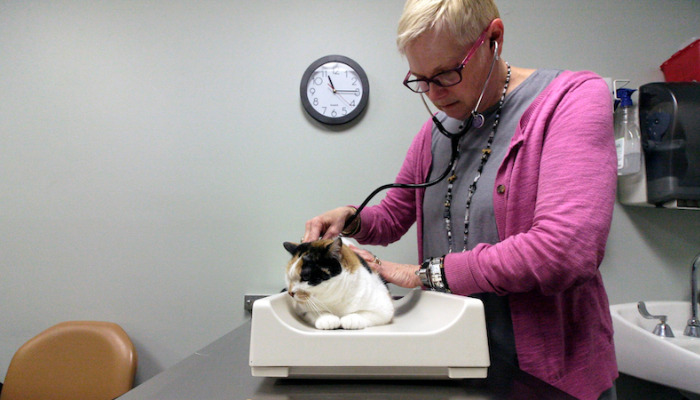
Clinicians recommend regular monitoring of liver function (via blood panel) while on FIP drugs, especially in cases receiving high doses or with hepatic risk factors. Baseline liver assessment is usually followed by periodic checks every 2–4 weeks throughout treatment.
FIP Disease: Can It Cause Liver Damage Itself?
A crucial confounding factor is that FIP, independent of antiviral therapy, can involve the liver. Infected cats may present with hepatic inflammation or elevated liver enzymes, even when untreated. Some cats exhibit yellow discoloration (jaundice), poor appetite, vomiting, and abnormal lab values attributable directly to FIP virus’s pathology. The virus can cause inflammatory lesions in the liver (granulomatous hepatitis), which may resolve with successful therapy.
Therefore, when liver enzyme rises are seen in FIP patients undergoing antiviral therapy, distinguishing between disease-related changes and true drug toxicity is challenging. Veterinarians rely on timing (when enzyme elevations occur), other clinical signs, and response to pausing medicine to determine origin.
Practical Experience from Veterinarians and Cat Guardians
Though large multicenter trials are lacking, real-world experience has broadened our understanding. Many feline practitioners in the United States and worldwide have treated thousands of cats under “compassionate use” FIP protocols. Across these cases, reported incidences of sharp and persistent liver damage due to GS-441524 are exceptionally uncommon.
Guardians of FIP-treated cats frequently share stories online—most describe mild, transient liver enzyme bumps managed by supportive care, such as supplements (SAM-e, silymarin) and brief “drug holidays.” Very rarely, treatment was interrupted due to notable hepatic dysfunction.
Peer support groups, social media forums, and independent vet reports characterize GS-441524 and remdesivir as safer for feline livers than many older antivirals, antibiotics, or steroids. Nevertheless, each patient is unique, and individual variation can lead to unexpected reactions.
Known Risk Factors and How to Manage Them
While GS-441524 and remdesivir are generally liver-friendly, several factors may increase vulnerability to adverse events:
Age: Senior cats may metabolize drugs slowly, increasing exposure.
Pre-existing liver, kidney, or metabolic disease: Damaged liver tissue may struggle to process medication.
Other Medications: Combination therapy with steroids, antibiotics, or antifungals may interact.
Genetics: An idiosyncratic drug response can sometimes occur, especially in certain purebred lines.
Management strategies include:
Careful selection of dosing regimen—starting firm but not excessive.
Frequent liver enzyme testing (ALT, AST, ALP, bilirubin) pre-treatment and during therapy.
Stopping or adjusting therapy in response to signs of toxicity, and offering supportive liver supplements or fluids.
Documenting and reporting any suspected drug reactions for future research.
Emerging Therapies and Hepatic Safety Profile
Innovative therapies continue to appear in the FIP landscape. Some labs are exploring non-antiviral solutions, such as monoclonal antibodies or immunomodulators, which may have distinct safety profiles.
Potential for liver side effects must be weighed in every new drug development. As more treatments reach clinical trial status, best practices will involve:
Detailed reporting of all side effects, including transient, mild, and serious hepatic events.
Comparative studies with traditional antivirals, established medications, and placebo.
Long-term follow-up data on cured cats.
Case Study: A Real-World Example
Consider a 5-year-old Maine Coon diagnosed with dry FIP. The cat’s guardian began GS-441524 therapy at the standard protocol, with biweekly monitoring of blood counts and chemistry. Initially, mild elevation in ALT was detected, though the cat showed no outward symptoms. Supplementation with silymarin and monthly checkups proved ALT normalized just weeks after the therapy’s conclusion—suggesting transient enzyme induction rather than direct, persistent liver damage. The cat remains healthy today.
Such cases reinforce the importance of individualized medicine, regular lab monitoring, and clear communication between guardians and veterinarians.
How to Monitor for Liver Damage at Home
Veterinarians recommend that guardians watch for warning signs of liver stress during FIP therapy, including:
Yellow tint to the eyes, gums, or skin.
Significant behavioral changes, including lethargy or irritability.
Persistent vomiting, diarrhea, or loss of appetite.
Noticeably dark urine.
Unexplained bruising or bleeding.
Early detection and reporting improve outcomes. Where possible, home testing kits or frequent visits for bloodwork are recommended for high-risk patients.
Should I be Worried about Liver Damage with FIP Medicine?
Current data indicate the most widely used FIP therapies (GS-441524 and remdesivir) have low potential for causing serious liver injury in cats with no pre-existing liver disease. Mild, temporary increases in liver enzymes may happen, but actual liver failure is exceptionally rare. FIP itself remains a more influential cause of hepatic dysfunction than its medication.
Still, individual risks exist, and clinical vigilance is always justified. Cat owners should maintain open communication with their veterinarian and avoid unsupervised use of any medication—especially those sourced online.
Best Practices for Veterinarians
For practitioners managing FIP cases:
Obtain a full medical history with attention to hepatic, renal, and metabolic health.
Conduct baseline blood work.
Tailor initial dosage appropriately; adjust as warranted.
Schedule regular follow-up bloodwork: every 2–4 weeks during therapy, and again after completion.
Educate guardians about clinical signs of liver distress and recommend at-home monitoring.
Be ready to intervene with supportive care or therapy adjustments as needed.
The Future of FIP Treatment Safety Research
As FIP therapies become more routine, larger scale studies are needed to firmly define liver safety profiles and rare risks. Prospective trials and wider data collection will help clarify if certain drugs, cats, or conditions correlate with elevated risk.
Increased transparency, global collaboration, and accessible information ensure all stakeholders are equipped to make evidence-based decisions. The goal remains to conquer FIP without jeopardizing liver or overall health.
References
1. Pedersen, N. C., et al. "Efficacy and safety of the nucleoside analog GS-441524 for treatment of cats with naturally occurring feline infectious peritonitis." Journal of Feline Medicine and Surgery, vol. 21, no. 4, 2019, pp. 271–281.
2. Dickinson, P., et al. "Clinical management of cats with feline infectious peritonitis using GS-441524: A review of 60 cases in Australia." Animals, vol. 10, no. 3, 2020, pp. 419.
3. Murphy, B. G., et al. "The potential for antiviral therapy of feline infectious peritonitis." Veterinary Microbiology, vol. 219, 2018, pp. 38–43.
4. Izes, A. M., et al. "Treatment of feline infectious peritonitis with GS-441524 is associated with normal hemogram and biochemistry profiles in most cats." Australian Veterinary Journal, vol. 99, no. 2, 2021, pp. 45–52.
5. Goler-Baron, V., et al. "Remdesivir and GS-441524: A comprehensive review for veterinarians treating FIP." Veterinary Sciences, vol. 8, no. 5, 2021, pp. 113.
6. Hartmann, K. "Feline infectious peritonitis." Veterinary Clinics: Small Animal Practice, vol. 35, no. 2, 2005, pp. 39–65.
7. Addie, D. D., et al. "Feline infectious peritonitis: An update on pathogenesis and treatment." Veterinary Journal, vol. 260, 2020, pp. 64–72.
8. American Association of Feline Practitioners (AAFP). "Guidelines for the use of GS-441524 in cats." AAFP Practice Guidelines, 2023.