NeoFipronis Medication Interactions Explained
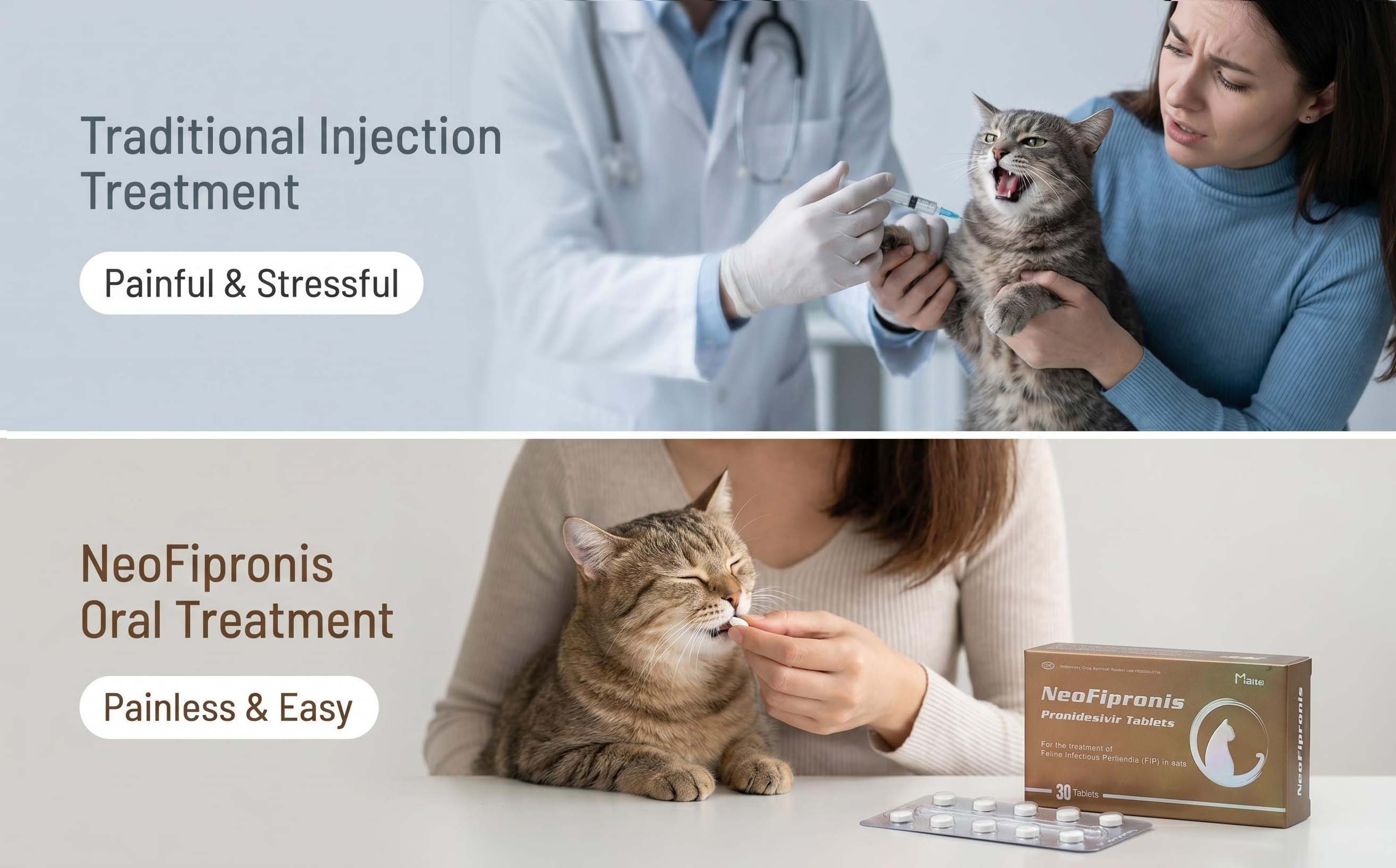
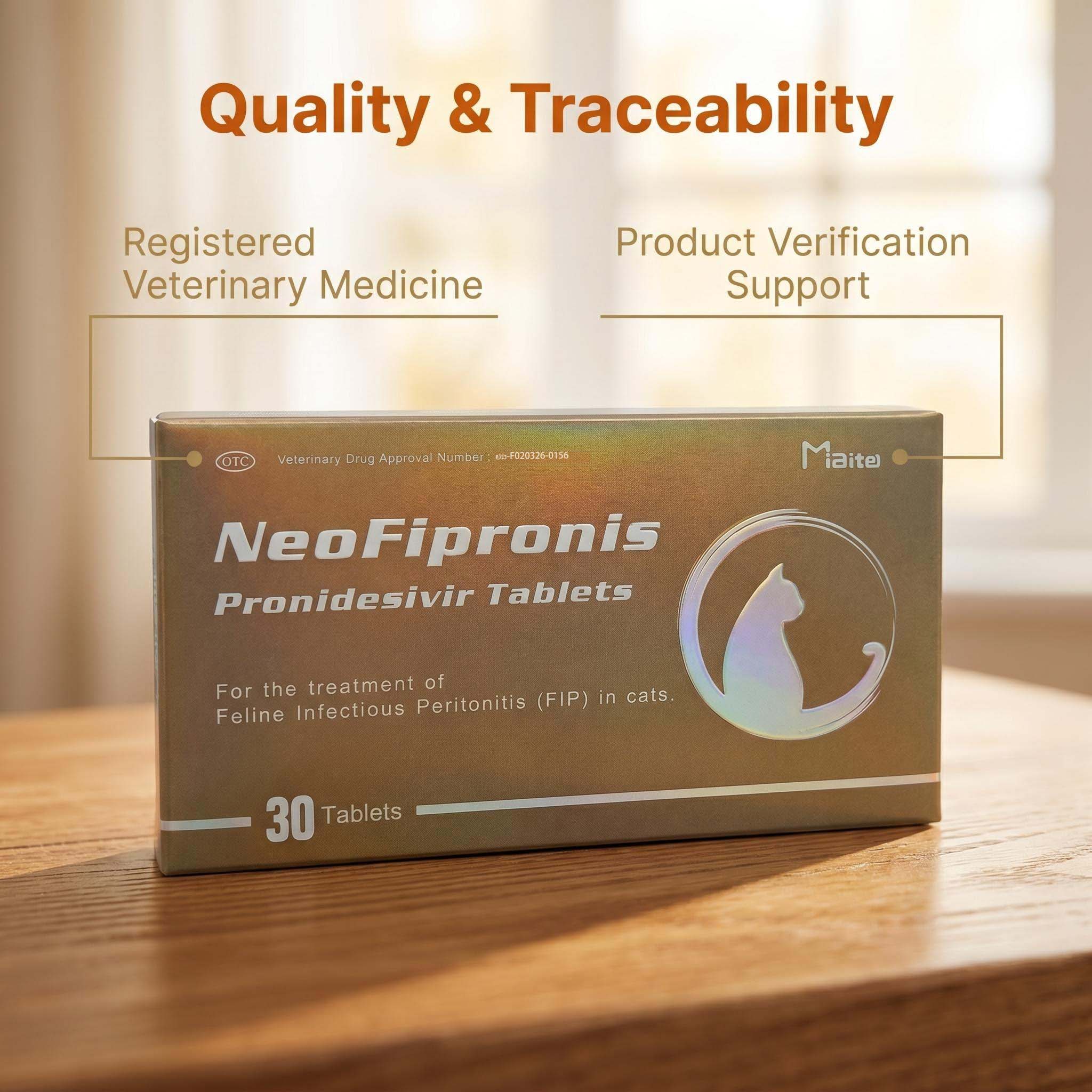
NeoFipronis (Pronidesivir) with active ingredient GS-441524 is a groundbreaking treatment specifically designed for cats suffering from Feline Infectious Peritonitis (FIP). Approved by the Lao Ministry of Agriculture and Forestry (MAF) in March 2026, NeoFipronis represents the first officially registered oral medication targeting FIP, offering new hope for feline health. Its proven efficacy, safety profile, and ease of use have made it a preferred choice among veterinarians and cat owners worldwide.
FIP is a complex and devastating disease caused by a mutated coronavirus, leading to symptoms like loss of appetite, lethargy, fever, ascites (abdominal fluid), pleural effusion, lymphadenopathy, granulomatous inflammation, neurological damage, and uveitis. Traditional treatment options were limited, but the development of GS-441524 has revolutionized management, providing a potent antiviral effect that can halt disease progression.
NeoFipronis is administered orally, with dosage tailored to the cat’s weight. The standard dose is 15 mg per kilogram of body weight, roughly half a tablet per dose. For neurological or ocular FIP forms, the dosage may be increased to 30 mg/kg based on veterinary guidance. It is recommended to administer on an empty stomach—either an hour before meals or two hours after—to optimize absorption. The treatment plan generally requires continuous administration for at least 12 weeks to ensure effective viral suppression and disease resolution.
Understanding drug interactions is crucial for optimizing NeoFipronis therapy. Since GS-441524 is a nucleoside analog that inhibits viral RNA synthesis, it primarily interacts with other antiviral agents targeting similar pathways. Co-administration of other nucleoside analogs or drugs affecting hepatic enzymes could alter the drug’s pharmacokinetics, leading to reduced efficacy or increased risk of side effects. For example, combining NeoFipronis with immunosuppressive drugs such as corticosteroids should be approached cautiously, as immunosuppressants can compromise the antiviral’s effectiveness. Vet supervision is highly recommended when combining treatments.
Nephrotoxic or hepatotoxic drugs may also interact with NeoFipronis, potentially exacerbating organ stress since the medication requires regular monitoring of blood, liver, and kidney functions during therapy. Blood tests should be conducted periodically to track the cat’s response and detect any adverse effects early. It’s important to note that NeoFipronis is currently available over-the-counter in some regions, but veterinary oversight is strongly advised to ensure correct dosing, monitoring, and to prevent misuse.
Additionally, drug interactions with other medications like antibiotics, antifungals, or analgesics are generally minimal, but clinicians should be aware of any individual health conditions that may influence treatment safety. Always disclose all medications your veterinarian has prescribed to avoid unintended interactions.
NeoFipronis’s safety profile is favorable, with few reported side effects. Most cats tolerate the medication well, experiencing minimal gastrointestinal upset or temporary mild lethargy. Serious adverse reactions are rare but could include allergic responses or liver enzyme elevations, emphasizing the importance of veterinary supervision throughout treatment.
In conclusion, NeoFipronis (Pronidesivir) signifies a major breakthrough in feline medicine, offering a highly effective and safe oral option for treating FIP. Proper understanding of potential medication interactions enhances treatment outcomes, ensuring cats receive the maximum benefit from this innovative therapy. Always obtain NeoFipronis through official channels and under veterinary guidance to guarantee quality, safety, and optimal health recovery for affected cats.