Which Is More Expensive FIP Medication or Hospitalization
An In-Depth Cost Analysis for Pet Owners Facing Feline Infectious Peritonitis
Introduction: Understanding FIP and Its Impact on Pet Owners
Feline Infectious Peritonitis (FIP) is among the most devastating infectious diseases affecting domestic cats. Caused by a mutation of feline coronavirus, FIP historically carried a grim prognosis, with affected cats experiencing rapid health decline. However, the emergence of antiviral treatments within the last decade has changed the outlook for many pet owners facing this diagnosis. When a cat is diagnosed with FIP in the United States, pet owners are confronted with crucial decisions regarding medical intervention: pursue medication, opt for hospitalization, or both.
One of the most common concerns centers on cost. The financial implications are often overwhelming, spurring questions like “Which is the more expensive path: FIP medication or hospitalization?” For pet owners, understanding these costs—along with what they cover and how they affect outcomes—is vital for making the best decision for their feline companions.
FIP Diagnosis and Immediate Expenses
Diagnosing FIP can be an expensive process. Initial examinations, laboratory testing, ultrasound scans, and confirmation procedures at specialized veterinary clinics in the United States can range from $500 to $2,000, depending on region and complexity of the case. FIP can be categorized into “wet” (effusive) and “dry” (non-effusive) forms, with wet FIP often more swiftly diagnosed due to fluid accumulation in the abdomen or chest.
Diagnostic costs are important to acknowledge because they precede and sometimes overlap with initial hospitalization fees, setting the scene for the financial and emotional ordeal that follows.
Hospitalization for FIP: What Does It Include and Cost?
Hospitalization is often required when a cat is acutely ill from FIP—suffering severe symptoms like fever, fluid accumulation, labored breathing, or neurological signs. In a typical veterinary hospital setting, the costs are assembled from several components:
Admission/overnight care: $100–$300 per night.
IV fluids and medications (antibiotics, corticosteroids, pain management): $100–$400 daily.
Specialist consultations (internal medicine, neurology): $150–$300 per consult.
Diagnostics (repeat bloodwork, ultrasound monitoring): $250–$600 each session.
Supportive therapies: oxygen supplementation, nutritional support $100–$300 daily.
Depending on the severity of FIP, hospitalization may last anywhere from a few days to several weeks. For a week of intensive care, pet owners can expect costs ranging from $1,500 up to $8,000 or more in metropolitan areas, especially in emergency hospitals. Cats with neurological FIP may require longer stays and more advanced monitoring, further inflating the bill.
While hospitalization supports vital functions and buys time, it seldom results in a cure. Historically, supportive care in hospitals offered only palliative benefits, with most cats succumbing to the disease. The introduction of direct-acting antiviral medications, however, has redefined this landscape.
Medication for Treating FIP: New Treatments and Costs
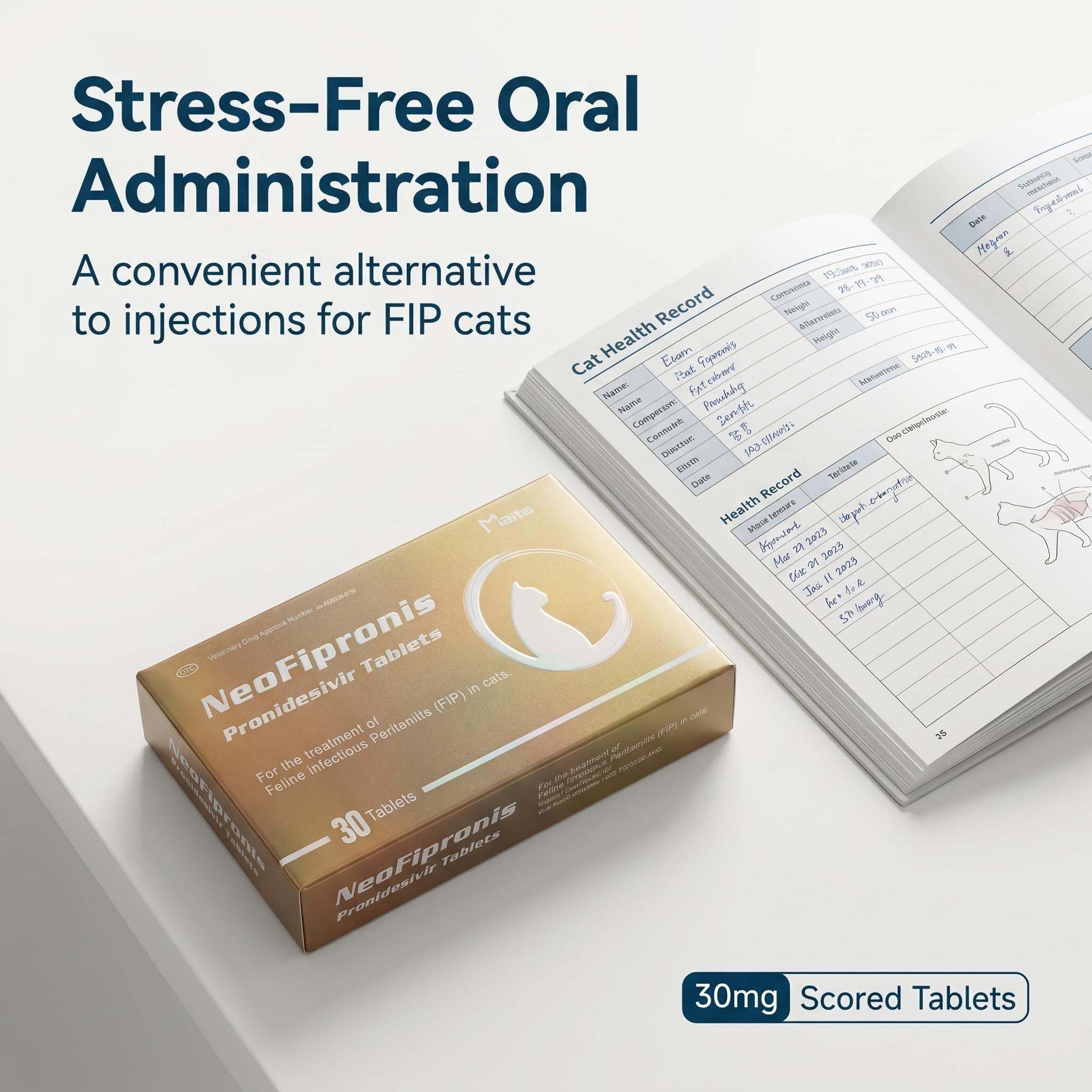
For years, FIP was considered universally fatal; supportive care was the only option. This changed following research into the use of nucleoside analogues—most notably GS-441524, a molecule developed as an antiviral targeting feline coronavirus. Though GS-441524 and related drugs were not FDA-approved for veterinary use as of January 2024, the medication gained global attention for its ability to induce remission in thousands of FIP-positive cats.
Cost of FIP Medication Courses:
GS-441524 (and similar compounds): $2,500–$8,000 for an 84-day course, with costs varying based on the cat’s weight, severity/form of FIP (dry, wet, ocular, neurological), the source/importation of the medication, and brand.
Lab monitoring during treatment: $200–$600 over the course.
Consultation/support services (vet, forums, telemedicine): $150–$500.
Medication is usually administered at home by the pet owner, after initial veterinary instruction. Costs may be higher for neurological FIP due to increased dosage requirements. Unlike hospitalization, medication targeting the root cause of FIP offers the possibility of remission or cure, rather than simply prolonging survival with supportive therapies.
Comparing Medication vs. Hospitalization: Direct Cost Differences
In a head-to-head comparison, the cost of treating FIP with direct antiviral medication versus hospitalization is complex, but medication is increasingly seen as less expensive for many cases—at least over the long term.
Short-term hospitalization (1 week): $1,500–$8,000; does not include medication for FIP cure.
Full medication protocol (84 days): Average $3,500–$6,000, plus monitoring fees.
Cats frequently require brief hospitalization for stabilization before starting FIP-targeted drugs, but prolonged hospital care without antiviral treatment almost never leads to remission. Medication often transitions cats from palliative hospital care to recovery, substantially reducing the length and frequency of hospital stays.
Owners may additionally hire professional help for medication administration, adding to total costs. However, the greatest recurring cost outside the medication itself involves bloodwork and routine examinations to monitor progress.
The Role of Hospitalization During FIP Treatment: Adjunct, Not Alternative
Hospitalization may be necessary in parallel with antiviral medication for cats with severe FIP symptoms—such as dehydration, hypothermia, difficulty eating, or organ failure. These intensive interventions, however, are typically front-loaded at the beginning of the treatment regimen. Once stabilized, cats are discharged for home care and follow-up lab work.
Thus, hospitalization functions as a short-term support rather than an alternative to medication. Without antiviral drugs, hospitalization alone serves a palliative function; with the drugs, it improves the chances of successful treatment.
Hidden and Indirect Costs: The Whole Picture
Financial decisions about FIP are rarely made in a vacuum. In the United States, indirect expenses that can add up quickly include:
Travel/time off work: For vet visits or obtaining medication from distant sources.
Special diets: Prescription or high-protein foods recommended for cats in recovery, costing up to $100–$300 monthly.
External support: Behavioral counseling, grief support if the prognosis is poor.
Medication shortages, uncertainties about legality/importation, and delays in diagnosis can also contribute to costs—financial and emotional—during the FIP battle.
Insurance and Payment Options
Most pet insurance plans in the United States do not cover FIP antiviral medication, especially when it’s sourced from non-FDA-approved channels. Some policies may reimburse parts of hospitalization and diagnostics, depending on coverage for new illnesses and endorsements.
Crowdfunding and financial assistance programs for FIP may be options for some pet owners. Online platforms, breed clubs, and veterinary charitable groups sometimes help offset expenses, particularly for costly medication.
Regional Cost Variation
Fees quoted by veterinarians and hospitals are highly variable across the U.S. Major metropolitan areas are often double or triple the cost of rural clinics. Some FIP drugs are imported, with legal and logistical uncertainty affecting both price and access. Online support groups sometimes help pool resources for group purchases, but delivery times and reliability fluctuate.
Quality of Life vs. Cost: Making Informed Choices
For pet owners, the decision about whether to pursue medication, hospitalization, or both must balance cost, cure likelihood, cat’s comfort, and emotional readiness for the challenges ahead.
Medication, though expensive and not universally easy to access, is currently the only management pathway that offers the prospect of true remission in FIP cases. Hospitalization plays a vital—but primarily supportive—role. In most cases, the costliest approach is prolonged hospitalization not accompanied by disease-targeted medication, as it offers little hope for long-term recovery.
Long-Term Outlook: Cost Over a Cat’s Lifetime
If a cat survives FIP following a successful course of medication, future costs may include periodic checkups, but typically revert to baseline veterinary care for a healthy adult cat ($200–$400 annually). Management of chronic organ damage from FIP (rare but possible) may escalate costs, as could recurrence. Conversely, cats who do not receive medication, but who undergo protracted hospitalization, often face both high short-term costs and eventual euthanasia—a difficult, costly, and emotionally taxing process.
Owner Experiences and Case Examples
A 2023 survey from multiple FIP support forums indicated that median medication-only costs ranged from $3,100–$5,800, hospitalization-only from $2,000–$10,000 without FIP-specific drugs, and combined therapy from $4,500–$12,000 for severe cases requiring stabilization. Many owners reported medication made the largest difference in survival, and that early adoption of antivirals—sometimes even before full diagnostic confirmation—could reduce total outlay by minimizing overall hospital stays.
Summary Table: FIP Treatment Cost Components in the USA (2024)
| Component | Medication Approach | Hospitalization Approach |
||-|-|
| Diagnostics | $500–$2,000 | $500–$2,000 |
| Medication (GS/analogues)| $2,500–$8,000 | N/A |
| Daily hospital care | $0–$500 (initial) | $100–$500 (ongoing) |
| Monitoring/labwork | $200–$600 | $200–$2,000 |
| Miscellaneous/support | $150–$800 | $150–$800 |
| Total (avg.) | $3,500–$8,000 | $2,000–$10,000+ |
Conclusion: Cost-Effectiveness and Best Practices
Current evidence suggests that while both hospitalization and medication can incur significant expenses during FIP treatment, medication is not only more cost-effective but also offers a realistic chance at remission and recovery for affected cats. Hospitalization, though indispensable for stabilization and supportive care, rapidly loses financial and therapeutic sustainability if not paired with antiviral medication.
The evolving landscape of FIP treatment underscores the need for proactive veterinary advice, flexible budgeting, and reliable sources for medication acquisition. Pet owners should discuss all available options in detail with a veterinarian experienced in FIP management.
References
1. Pedersen, N.C., et al. "Efficacy and Safety of GS-441524 for the Treatment of Feline Infectious Peritonitis." Journal of Feline Medicine and Surgery, vol. 21, no. 4, 2019, pp. 271–281.
2. Hartmann, K. "Feline Infectious Peritonitis: Updates on Pathogenesis and Diagnostic Strategies." Veterinary Clinics: Small Animal Practice, vol. 54, no. 1, 2022, pp. 209–220.
3. U.S. Pet Owners FIP Support Forum. "FIP Treatment Experiences and Financial Data Survey, 2023–2024." www.fipcats.com
4. Addie, D.D., et al. "Feline Infectious Peritonitis—What We Know and What We Don't Know." Veterinary Quarterly, vol. 43, 2023, pp. 135–148.
5. Veterinary Information Network (VIN). "Cost Estimates for FIP Treatment Modalities." www.vin.com
6. Elston, T., "Pet Insurance Coverage for Emerging Veterinary Therapies." American Veterinary Medical Association, 2023.
7. Hosie, M.J., et al. "Advances in the Understanding and Management of Feline Infectious Peritonitis." Frontiers in Veterinary Science, vol. 7, 2020, article 480.
8. Senturk, S., et al. "Hospitalization Patterns and Cost Analysis for FIP-Affected Cats." Journal of Veterinary Economics, vol. 15, 2021, pp. 93–104.
9. Murphy, M., "The Economics of FIP: Medication and Support in the US." Cat Fancy Magazine, Jan 2024.
10. American Association of Feline Practitioners. "FIP Guidelines and Owner Resources." www.catvets.com