Can Cats Eat Canned Food While on FIP Medication
Feline Infectious Peritonitis (FIP) is a devastating disease that affects thousands of cats annually, primarily stemming from a mutation of the feline coronavirus. Veterinarians and cat owners face complex decisions about treatment, nutrition, and overall care while a cat is battling FIP. With advancements in antiviral drugs such as GS-441524 and remdesivir, the long-standing outlook on FIP is shifting positively. Among the questions frequently asked by cat owners is whether cats undergoing FIP treatment can continue consuming canned food—an important concern, since nutrition significantly impacts recovery rates and overall well-being.
Understanding FIP and Its Treatment
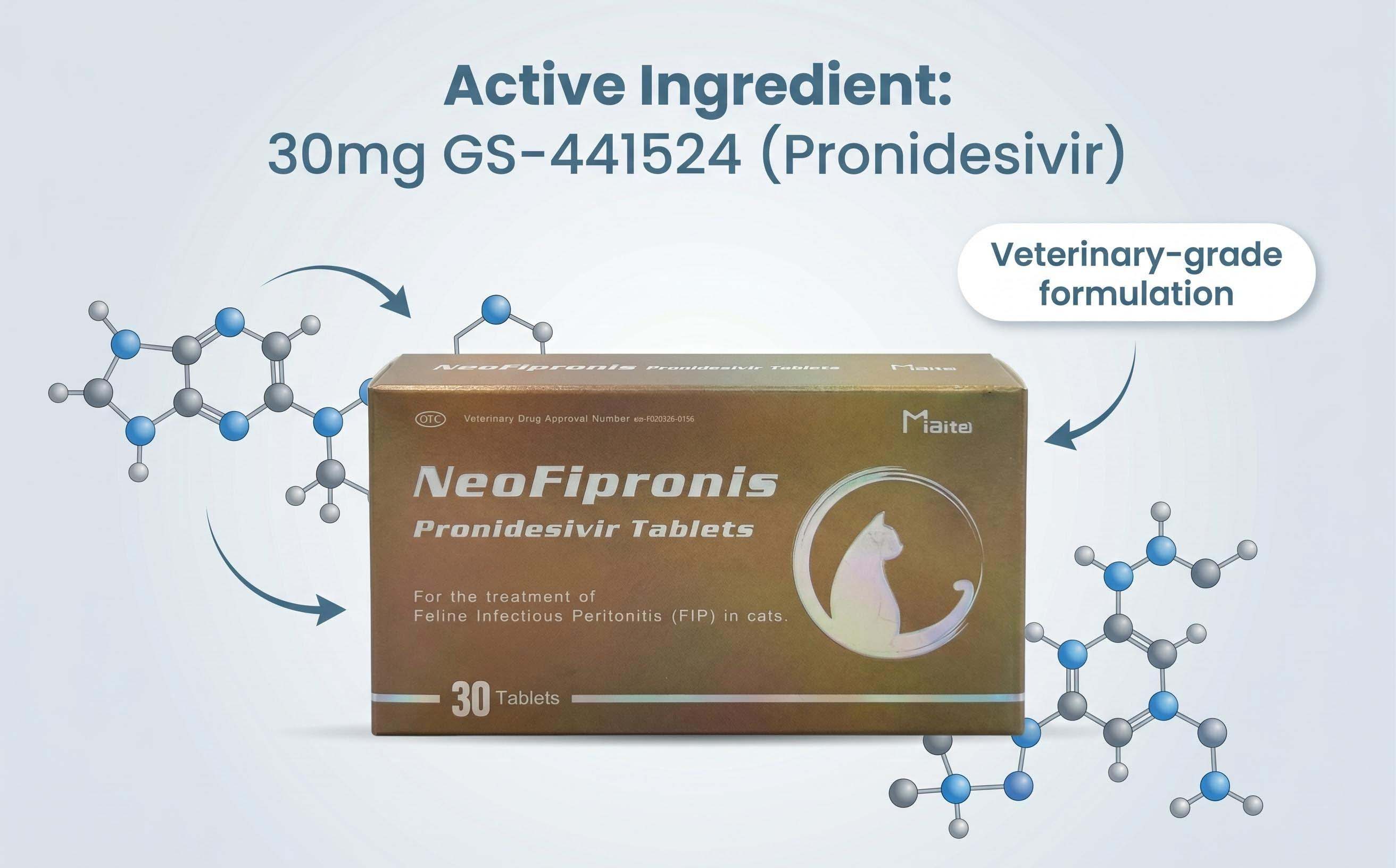
FIP, caused by a mutated form of the feline coronavirus, triggers an exaggerated immune response leading to fluid accumulation in the abdomen or chest (wet FIP) or to granulomas and central nervous system symptoms (dry FIP). The only effective treatments currently available—including unlicensed antiviral therapies like GS-441524—work by stopping viral replication. Treatment is rigorous and requires close vet supervision, but medication alone is not enough: supportive care is crucial for boosting your cat's resilience and assisting recovery.
Importance of Diet During FIP Therapy
Nutrition plays a decisive role in the recovery of cats with FIP. Cats undergoing treatment are often weakened by fever, inflammation, and loss of appetite. Malnourished cats are poorer candidates for successful therapy outcomes. Proper nutrition helps maintain muscle mass, supports immune function, and sustains tissue repair. Most veterinarians recommend a palatable, high-protein diet with moderate fat and low carbohydrates for cats fighting FIP, as protein maintains bodily functions and strength.
The question "Can cats eat canned food while on FIP medication?" hinges on both the safety of the medication-ingredient combination and the dietary needs of the animal.
Analyzing Canned Cat Food
Canned cat foods provide several advantages for ill cats. They contain high moisture content, which is vital for cats who may not drink sufficient water, especially FIP patients who often dehydrate quickly. Wet foods are generally more aromatic and palatable, stimulating appetite better than kibble. Quality canned foods offer balanced protein, fat, and micronutrients, catering to feline nutritional requirements.
Some concerns exist about preservatives, artificial flavors, or low-quality protein sources found in cheaper canned foods, which could tax the liver or kidneys—organs often compromised in FIP cats. Therefore, selecting reputable brands with clear ingredient lists is essential.
Compatibility of Medication and Canned Food
Most FIP medications, especially the nucleoside analogs like GS-441524, are not known to interact adversely with canned food. These drugs are either administered orally or injected and do not require fasting. In fact, dosing drugs with food often helps reduce any risk of stomach upset. Some cats, particularly those with diminished appetite or nausea, tolerate medications better when offered with a favorite canned food.
However, it’s important to note that some cats may develop gastrointestinal upsets, such as diarrhea or vomiting, either from the disease or the medications. Switching to highly digestible, low-fat canned foods designed for sensitive stomachs can alleviate these symptoms.
In rare cases, specific ingredients might interfere with absorption or result in unpredictable reactions. For instance, certain supplements added to canned foods (such as high iron content or herbal additives) may theoretically overwhelm a compromised immune system or interact with hepatic metabolism. For this reason, regular communication with your veterinarian about your cat’s diet is critical.
Recommended Strategies for Feeding FIP Cats
1. Regular, Palatable Meals: Offer small, frequent meals using high-quality canned food. Choose products rich in animal protein, with minimal fillers or artificial additives.
2. High Water Intake: Wet food provides fluid, making it ideal for cats at risk of dehydration.
3. Monitor Appetite Closely: If appetite wanes, consider warming food or adding broths to make it more enticing. Nutritional gels may also support calorie intake.
4. Avoid Sudden Food Changes: Introduce any dietary changes gradually to avoid gastrointestinal upset.
5. Veterinary Supervision: Discuss all food options with your vet, especially if your cat has concurrent liver, kidney, or gastrointestinal problems.
6. Supplement if Necessary: Some cats may benefit from additional taurine, B vitamins, and omega-3 fatty acids. Never supplement without veterinary approval.
Common Questions and Concerns About Canned Food During FIP Therapy
1. Is canned food “safer” than dry food for FIP cats?
Canned food’s high moisture content is preferable due to dehydration risks. It’s also softer and more palatable, making it easier for sick cats to eat.
2. Can I feed homemade canned food while my cat is on FIP medication?
Home-prepared diets can be considered if developed under veterinary guidance to ensure nutritional adequacy and food safety. Raw diets are not recommended due to immunosuppression risks in FIP cats.
3. Will certain flavors or ingredients in canned food harm my cat during FIP therapy?
Strong spices, excessive salt, or vegetable proteins may not be ideal. Always choose food formulated specifically for cats—novel proteins (e.g., rabbit or duck) may be necessary in case of allergies.
Real-Life Case Studies
Many FIP survivor cats have regained health while consuming canned food as part of their nutritional regimen. Veterinarians often document improvements in energy, weight, and coat condition. Clinical experience shows that palatable canned formulas are effective in providing nutritional support, especially when appetite is poor. These observations underscore the practicality of including canned food in FIP supportive care.
Monitoring and Adjusting Diet Over Time
Cats on FIP therapy require dynamic management of their nutrition. Appetite and digestive tolerance can fluctuate throughout the course of antiviral treatment. Early recovery may demand highly palatable foods, transitioning toward more varied diets as the cat regains strength. Regular check-ups allow vets to track weight, muscle mass, and organ function, adjusting dietary recommendations accordingly. Owners should be observant for behavioral changes, such as hiding, drooling, or refusing meals, and report these to their veterinarian.
Practical Tips for Cat Owners
Stay Organized: Document feeding times, amounts, flavors, and reactions alongside medication administration.
Use Food as a Tool: Positive meal experiences can be an effective reward during medication time, reducing stress.
Prioritize Quality: While cost is a consideration, reputable canned cat foods are worth the investment during illness.
Potential Pitfalls and How to Avoid Them
1. Over-reliance on treats: Many treats and human foods lack the nutritional balance of regulated, high-quality canned cat food. Reserve these as occasional appetite boosters only after discussing with your vet.
2. Failure to hydrate: Canned food helps, but always provide fresh water.
3. Ignoring veterinary advice: Dietary changes should never be made without professional input.
Decision-Making Chart for Feeding FIP Cats on Medication
| Factor | Recommendation |
|||
| Appetite | High-quality canned food, small frequent meals |
| Water intake | Wet food supports hydration |
| GI tolerance | Low-fat, highly digestible foods if nausea |
| Medication administration | Medicate with or after food if possible |
| Supplementation | Only with veterinary approval |
| Protein source | Animal (poultry, fish, rabbit) |
| Additives/Preservatives | Minimal, avoid unknown ingredients |
Long-Term Nutrition Planning
Cats who survive FIP may require ongoing dietary support. Regular canned food can remain part of a balanced diet, provided the cat tolerates it. Routine bloodwork and vet visits inform necessary adjustments. Some cats may eventually transition back to mixed diets, including dry foods. However, for cats with lingering organ impairment, canned food is likely preferable for its digestibility and moisture.
Resources for Cat Owners
[EveryCat Health Foundation (formerly Winn Feline Foundation)](https://everycat.org)
[FIP Warriors®](https://fipwarriors.com) – Peer support and medication access
[American Association of Feline Practitioners (AAFP)](https://catvets.com) – Nutrition and care guidelines
References
1. Pedersen, N. C. (2020). An update on feline infectious peritonitis: diagnostics and therapeutics. Veterinary Journal, 263, 105546.
2. Dempsey, S. M., & Ewing, P. J. (2011). Feline infectious peritonitis: current concepts in epidemiology and pathogenesis. Veterinary Clinics: Small Animal Practice, 41(4), 749-761.
3. Addie, D. D., et al. (2022). Recommendations for the prevention and management of feline coronavirus infection in cats. Journal of Feline Medicine and Surgery, 24(5), 377-396.
4. American Association of Feline Practitioners (AAFP). (2023). Feline Nutrition Guidelines. Retrieved from https://catvets.com
5. EveryCat Health Foundation (2024). FIP Treatment and Support. Retrieved from https://everycat.org
6. Ravi, M., & Rand, J. (2021). Clinical management of FIP – case studies and outcomes. Australian Veterinary Journal, 99(4), 150-156.
7. Sparkes, A. H., et al. (2016). ISFM consensus guidelines on feline nutrition and feeding. Journal of Feline Medicine and Surgery, 18(7), 653-662.