Will a Cat With FIP Still Eat

Introduction
Feline Infectious Peritonitis (FIP) is a fatal disease caused by mutated feline coronavirus (FCoV) strains. It predominantly affects domestic cats and presents with a complex array of symptoms. One common concern among cat owners is whether cats afflicted with FIP retain their appetite. Understanding the impacts of FIP on feeding behavior is crucial for managing the health and comfort of affected cats.
Pathophysiology of FIP and Its Impact on Appetite
FIP manifests in two primary forms: effusive (wet) and noneffusive (dry). Both types involve a systemic inflammatory response, which can influence a cat's nutritional intake. The disease’s progression results in multiple physiological disturbances:
Immune Response and Inflammation: The intense immune response leads to cytokine release, often resulting in lethargy, fever, and malaise—all of which diminish appetite.
Organ Involvement: When organs such as the liver, kidneys, or gastrointestinal tract are affected, nausea and discomfort may further suppress feeding behavior.
Pain and Discomfort: Abdominal swelling, discomfort, or pain associated with effusions or lesions can deter a cat from eating.
These pathophysiological effects collectively contribute to a decreased desire or inability to eat, especially as the disease advances.
Variability in Eating Behavior Among Cats with FIP
Understanding that not all cats respond identically to FIP is essential:
Early Stages: Some cats may maintain a relatively normal appetite in initial stages, only exhibiting subtle changes.
Progression: As FIP advances, anorexia becomes more prominent, often due to the systemic illness and associated discomfort.
Individual Factors: Age, overall health, and the presence of co-morbidities influence whether a cat continues to eat.
The heterogeneity emphasizes the importance of individualized care and monitoring.
Clinical Signs Indicating Changes in Appetite
Monitoring a cat's eating habits provides vital clues about disease progression:
Decreased Food Intake: A notable reduction or complete cessation of eating is common in advanced stages.
Weight Loss: Accompanying anorexia often leads to rapid weight loss, further complicating health.
Refusal of Food and Water: Complete refusal indicates severe illness or distress.
Additional Symptoms: Lethargy, vomiting, diarrhea, or jaundice can compound feeding difficulties.
Recognizing these signs allows prompt intervention, whether supportive or palliative.
Management Strategies to Support Appetite in Cats with FIP
While FIP remains incurable, supportive care aims to improve comfort:
Palatable, Tempting Food: Offering highly aromatic, soft, or veterinary-formulated diets can stimulate appetite.
Nutritional Supplementation: Use of appetite stimulants, such as mirtazapine, may be beneficial under veterinary supervision.
Environmental Comfort: Maintaining a stress-free, warm environment encourages eating.
Medications: Anti-inflammatory or analgesic drugs can reduce discomfort and improve the willingness to eat.
Despite these measures, the progression of FIP often results in persistent anorexia, highlighting the importance of quality-of-life considerations.
Prognosis and Ethical Considerations
The persistent loss of appetite often indicates declining health. When a cat refuses to eat for more than 24-48 hours, the risk of dehydration and weakness increases significantly. Decisions regarding supportive care versus humane euthanasia should involve veterinary consultation, considering the animal’s comfort and dignity.
Emerging Therapies and Hope for the Future
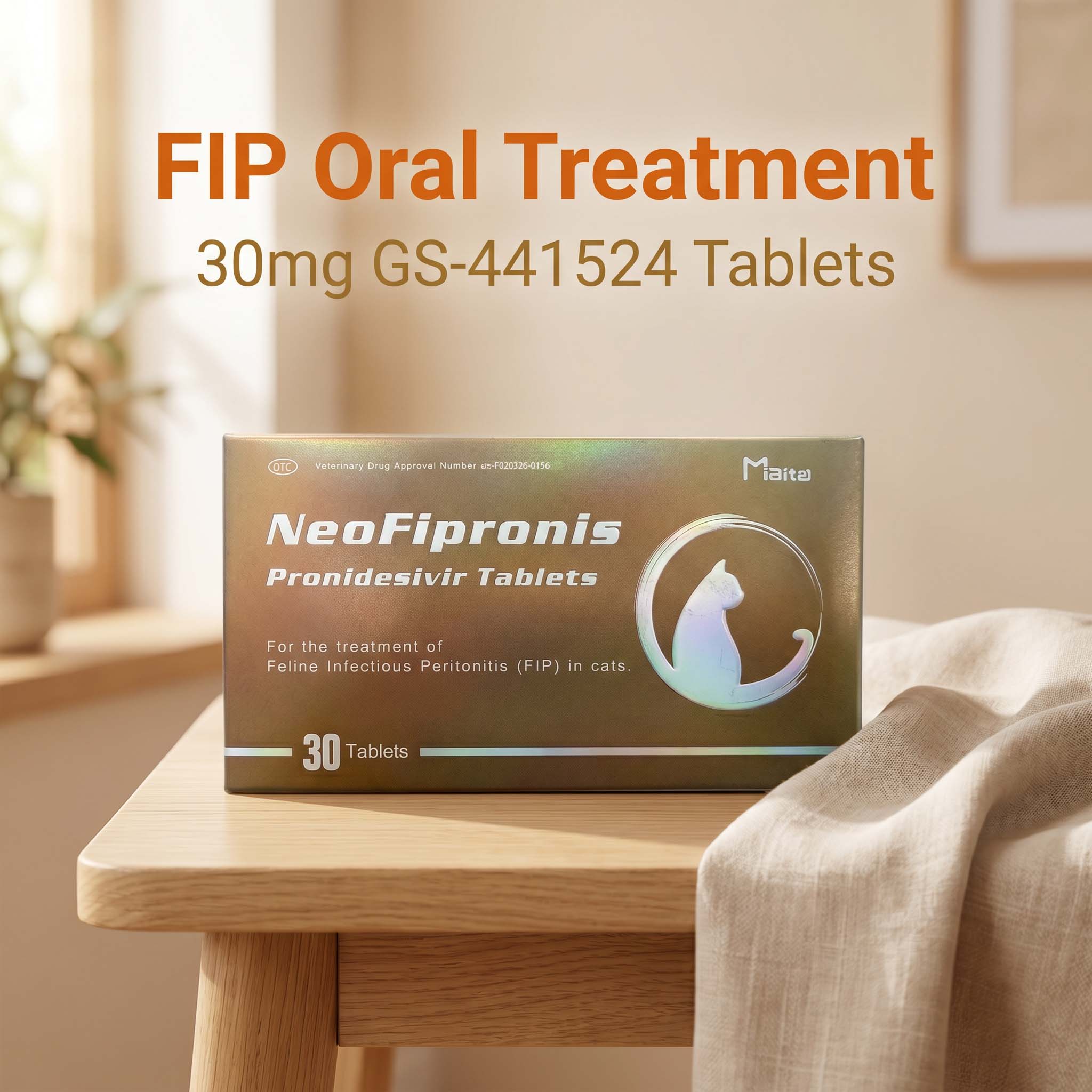
Recent advances, such as antiviral drugs like GS-441524, have demonstrated promise in treating some cases of FIP, potentially restoring appetite and improving quality of life. While not universally available, these developments inject a cautious hope for modified disease trajectories and better management options.
Final Insights
Experiencing a decrease or loss of appetite is common in cats with FIP as the disease progresses. The combination of systemic illness, organ involvement, and discomfort creates formidable challenges to maintaining normal feeding behavior. Early intervention with supportive care, individualized management, and future therapeutic breakthroughs can make a tangible difference in the lives of affected cats.
References
1. Pedersen, N.C. (2014). Feline infectious peritonitis: Control, diagnosis, and treatment. Journal of Feline Medicine and Surgery, 16(4), 344-351.
2. Addie, D.D., & Jarrett, O. (1992). Feline coronavirus infections. Veterinary Research, 23(4), 434-450.
3. Giordano, A., et al. (2021). Advances in the management of feline infectious peritonitis. Veterinary Clinics of North America: Small Animal Practice, 51(4), 781-796.
4. Janik, D. (2020). Current treatments for FIP: An update. Journal of Feline Medicine and Surgery, 22(2), 130-134.